
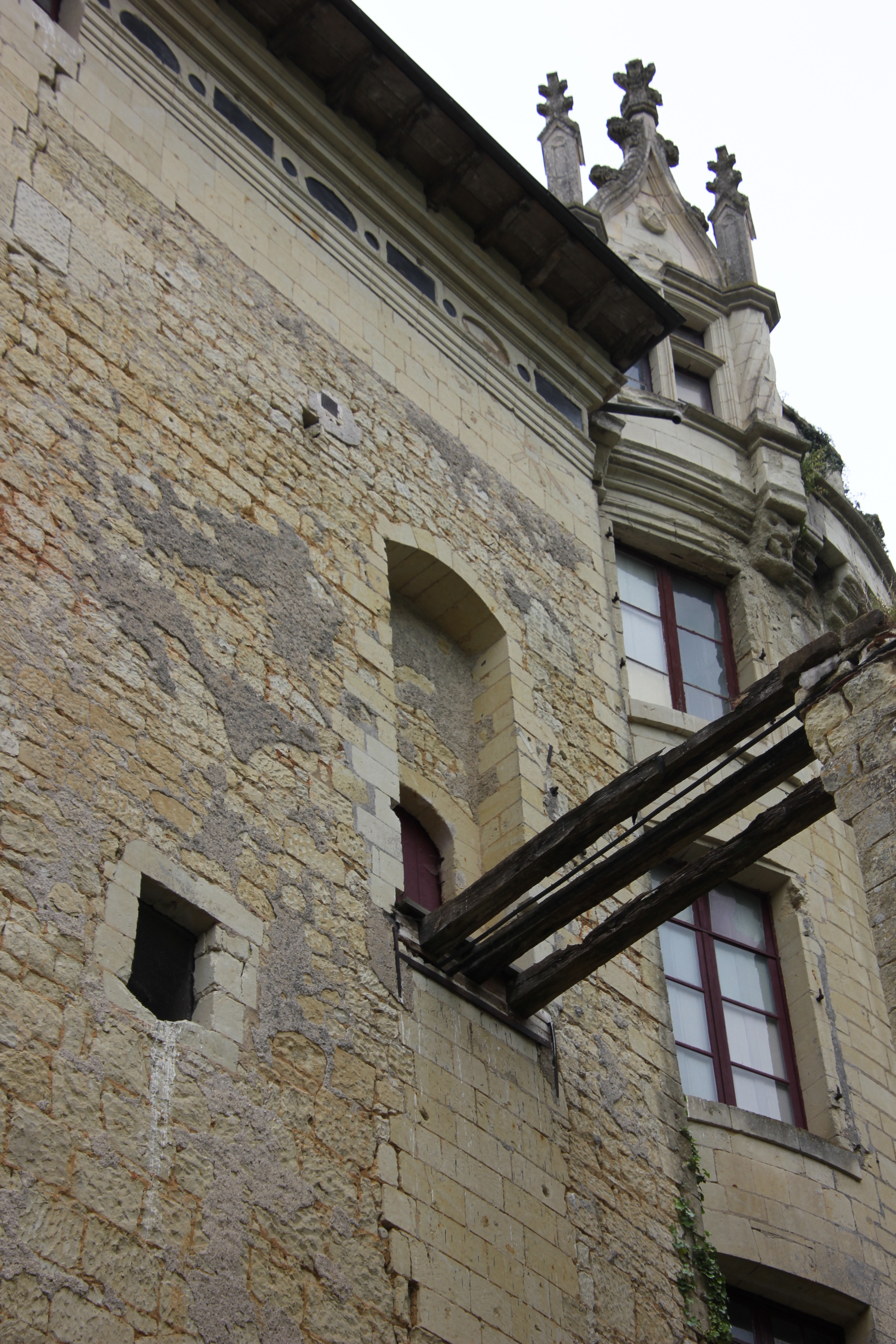
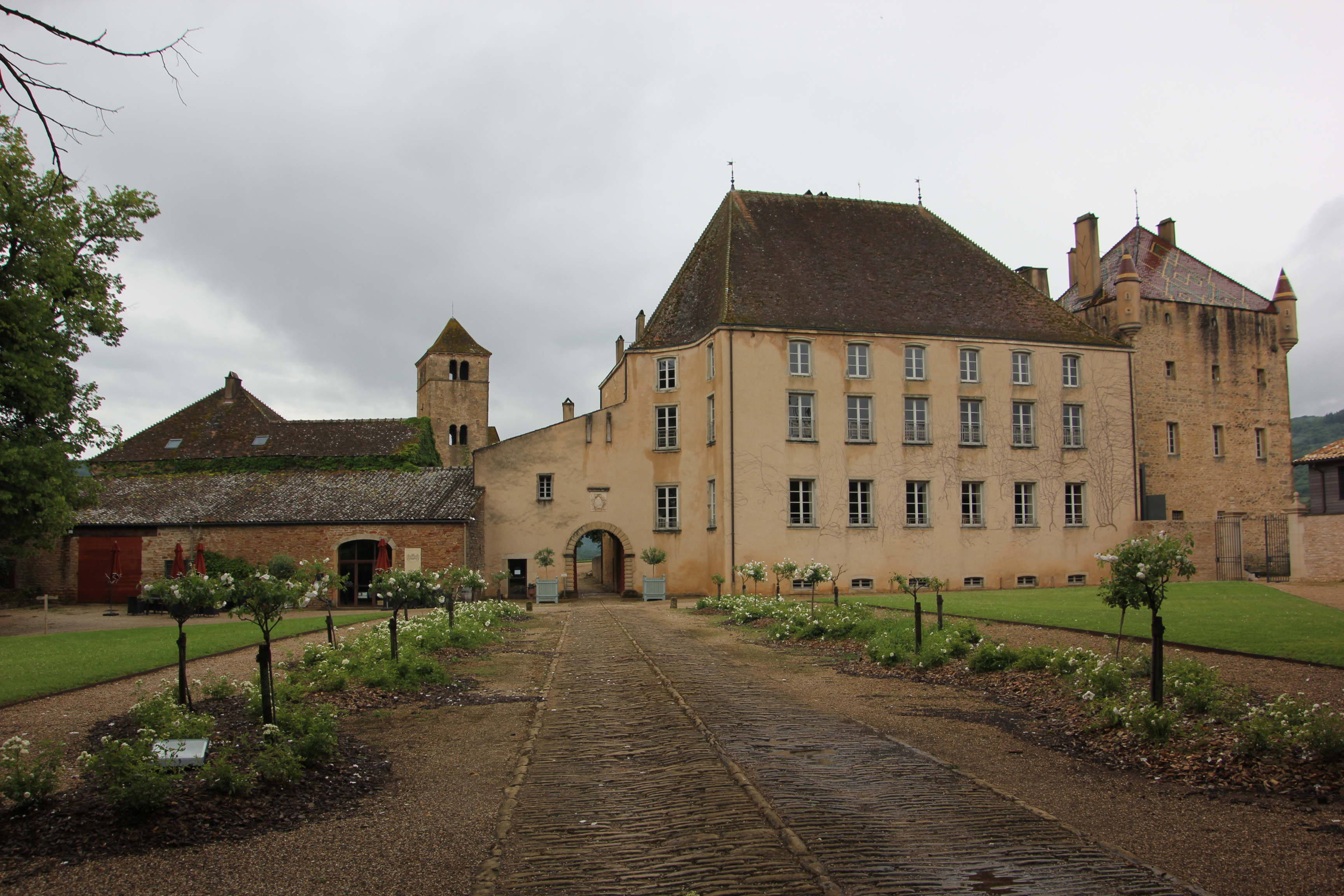
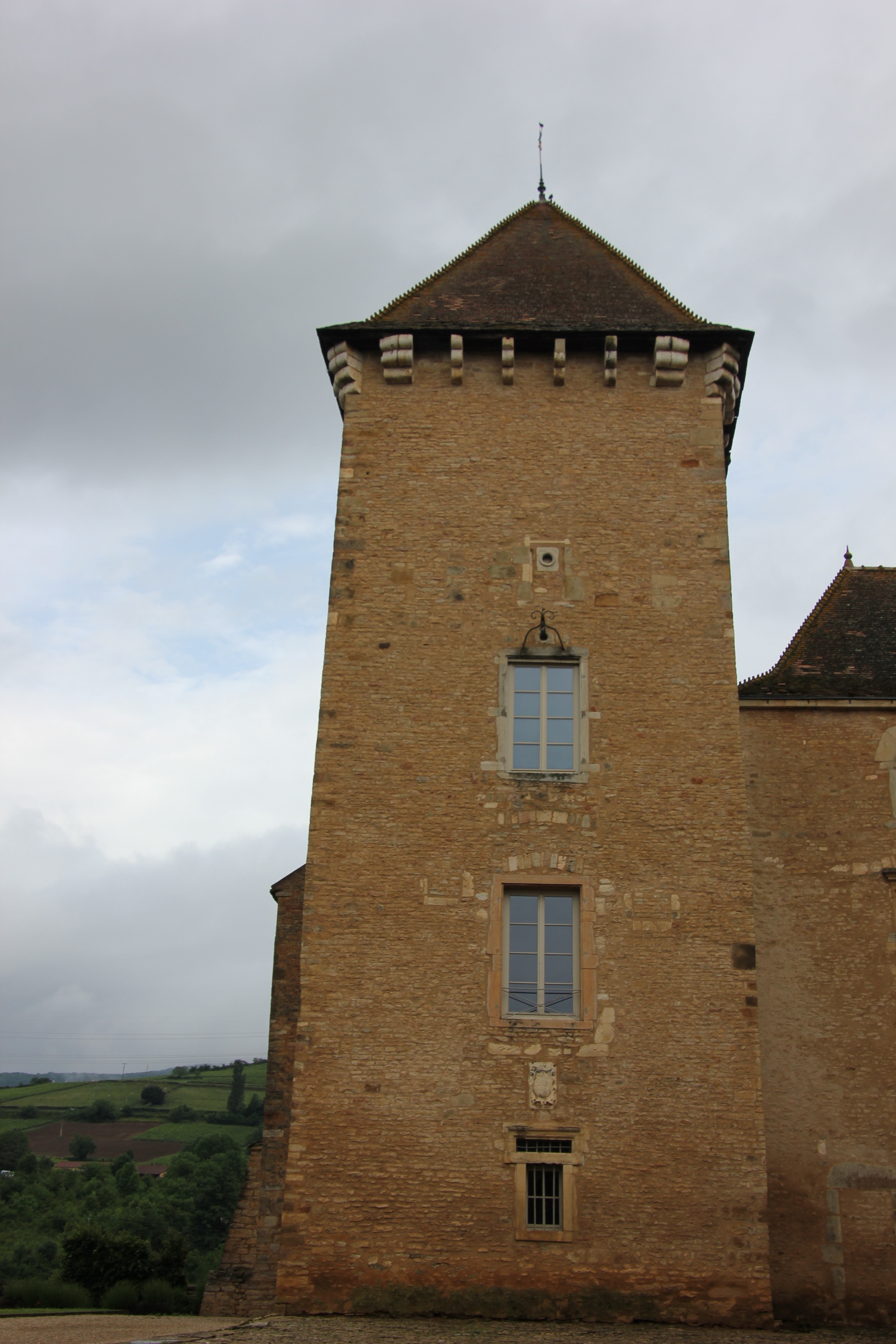
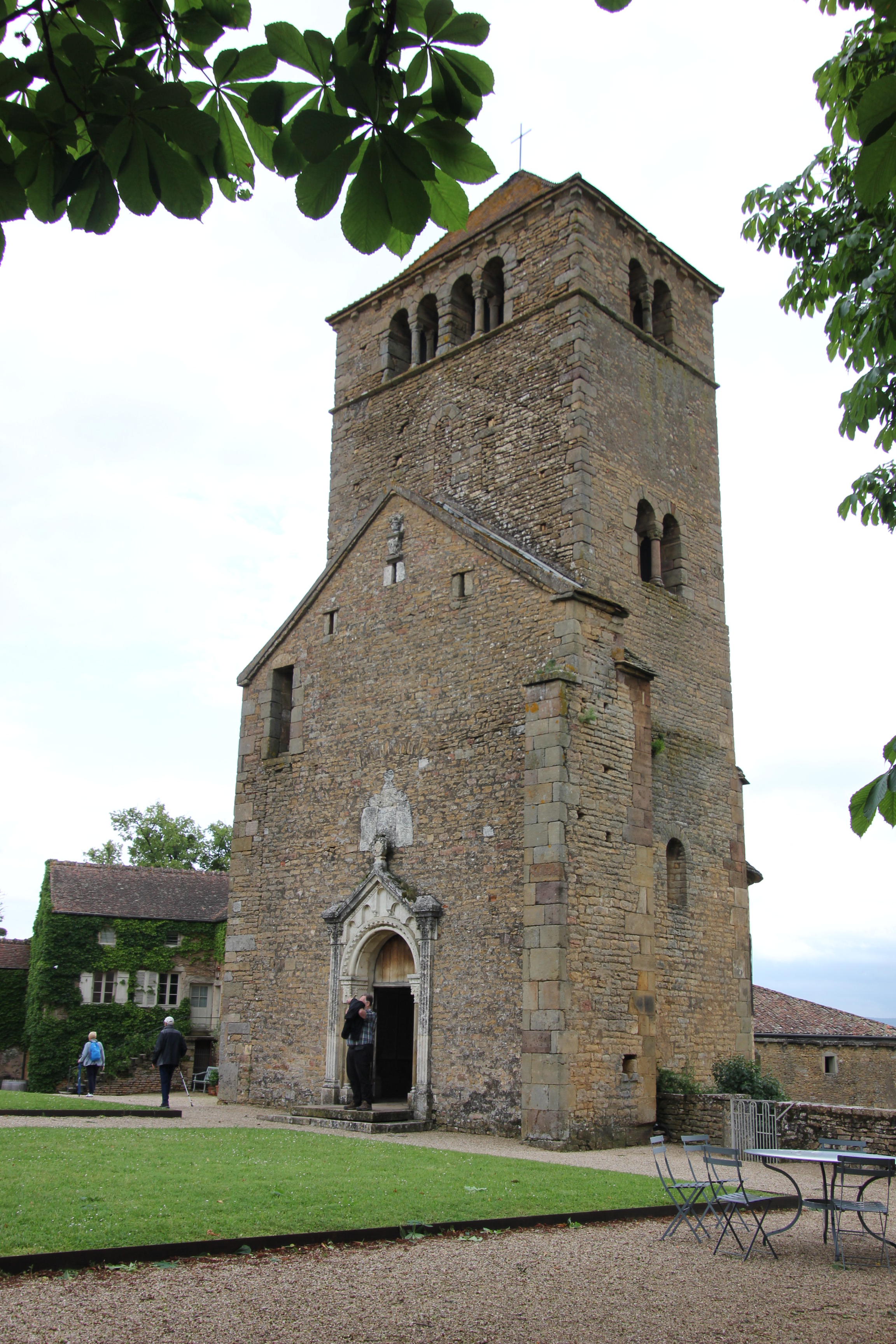
We started our first day in the Loire Valley by visiting Breze, the castle Dale had picked as his #1, had to see castle. The earliest parts of the castle were started around 1060 and it has been added to ever since. The most modern parts date to the 18th and 19th centuries and they were interesting.

The furnishings in some of the rooms were stunning. King Rene of Anjou gave permission to Gilles de Maillé-Breze (his chamberlain) to fortify the castle in 1449. The limestone from some of the tunnels was used to build some of the walls. The remnants of a draw bridge are still evident and its been under renovation pretty much ever since.
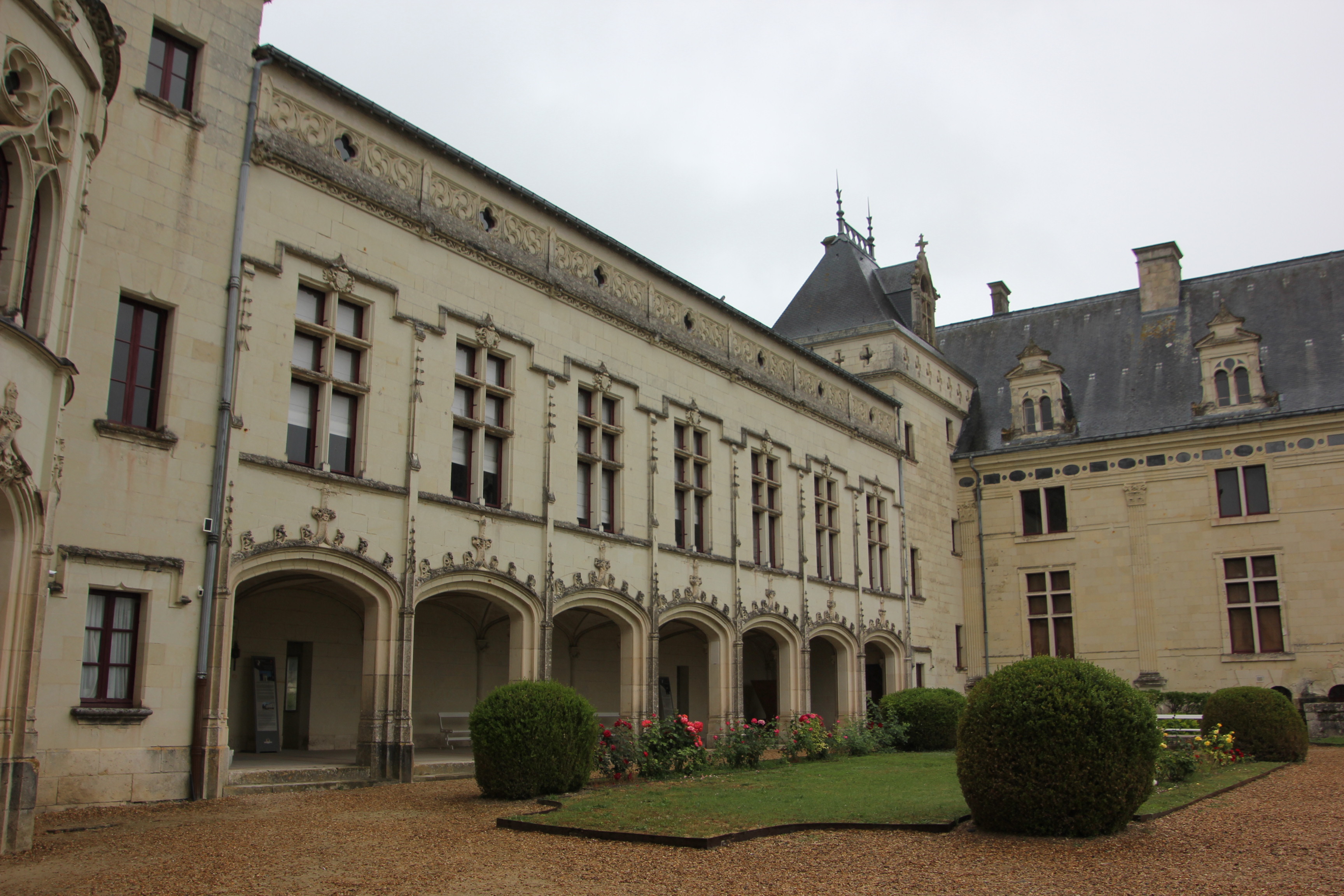
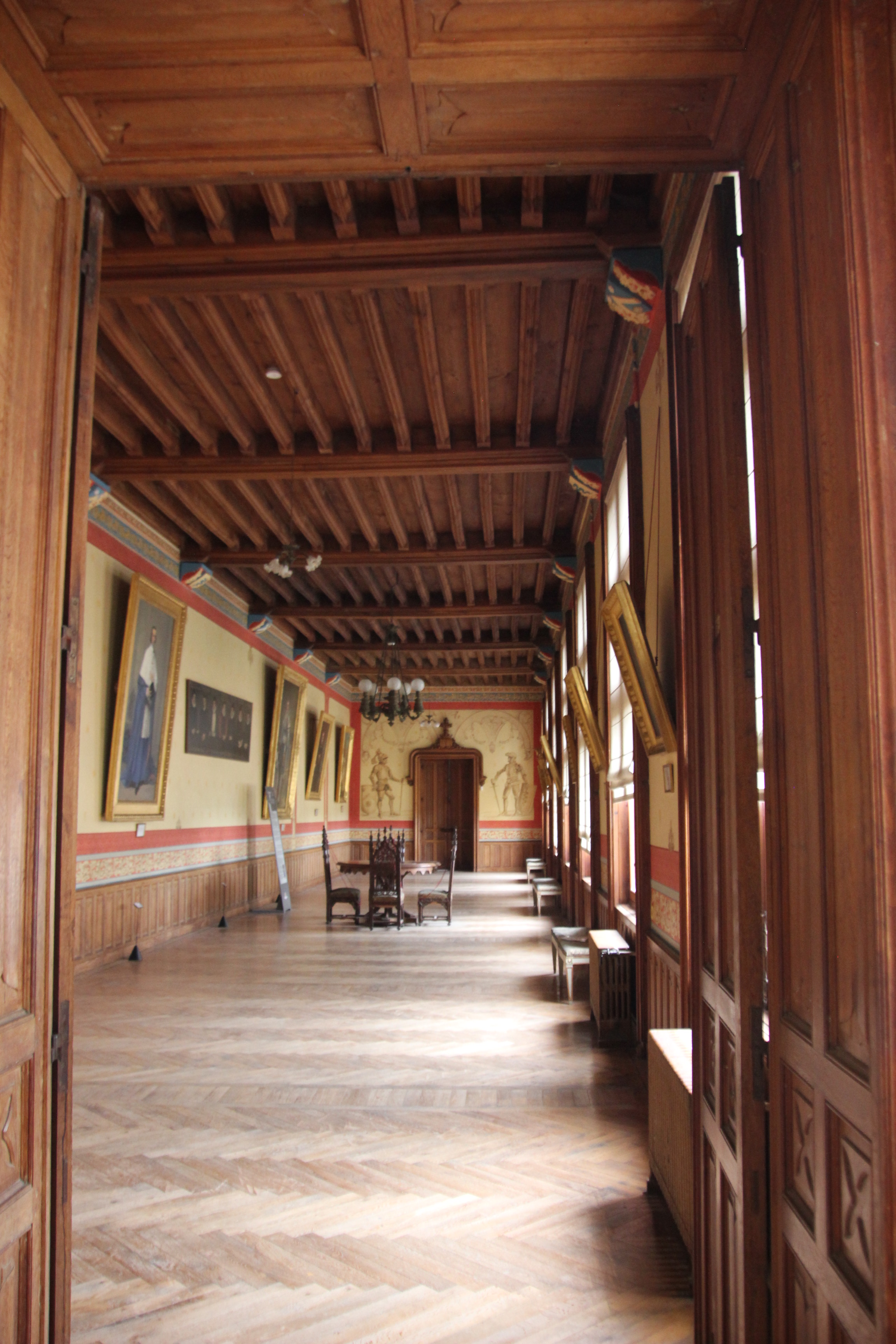
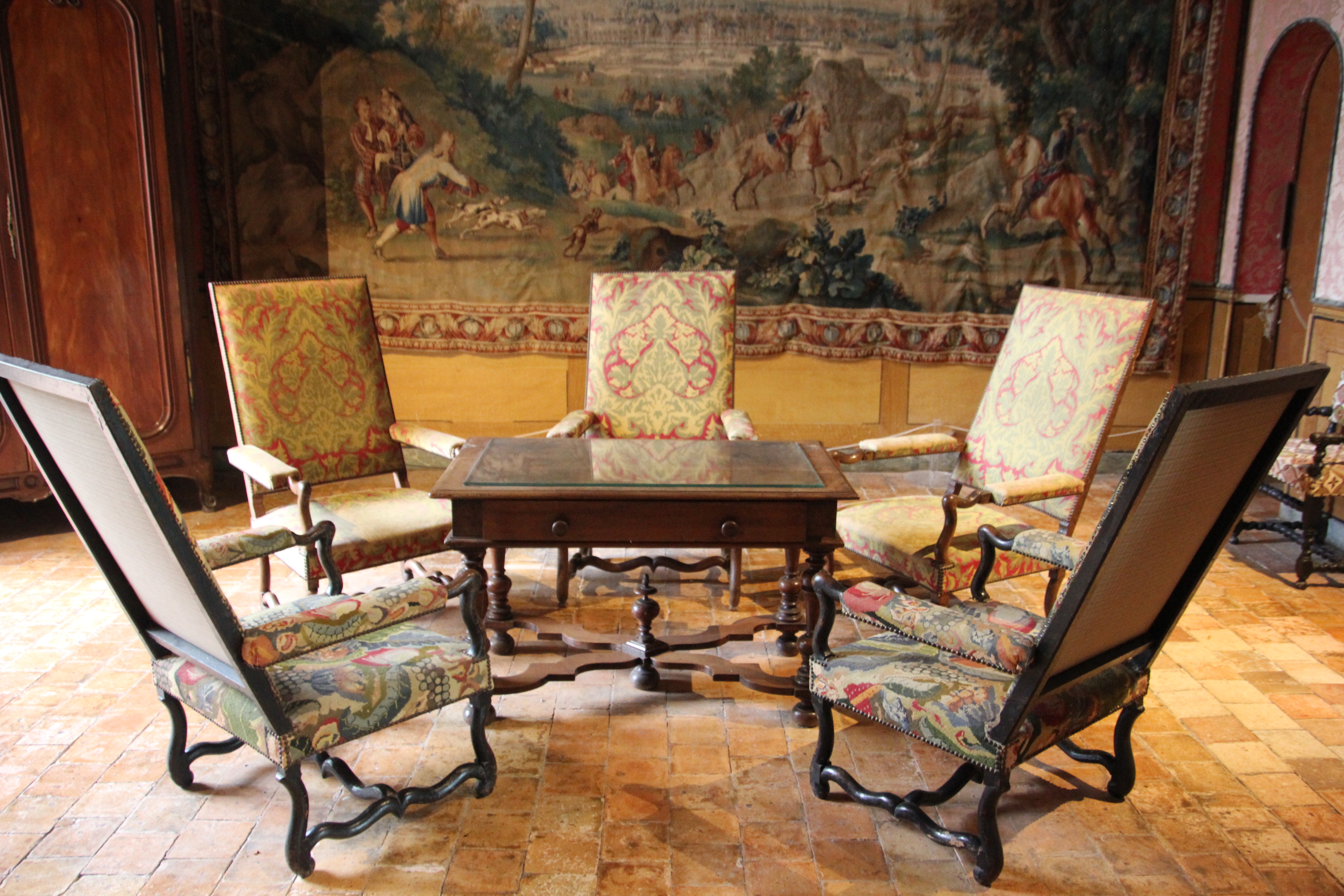
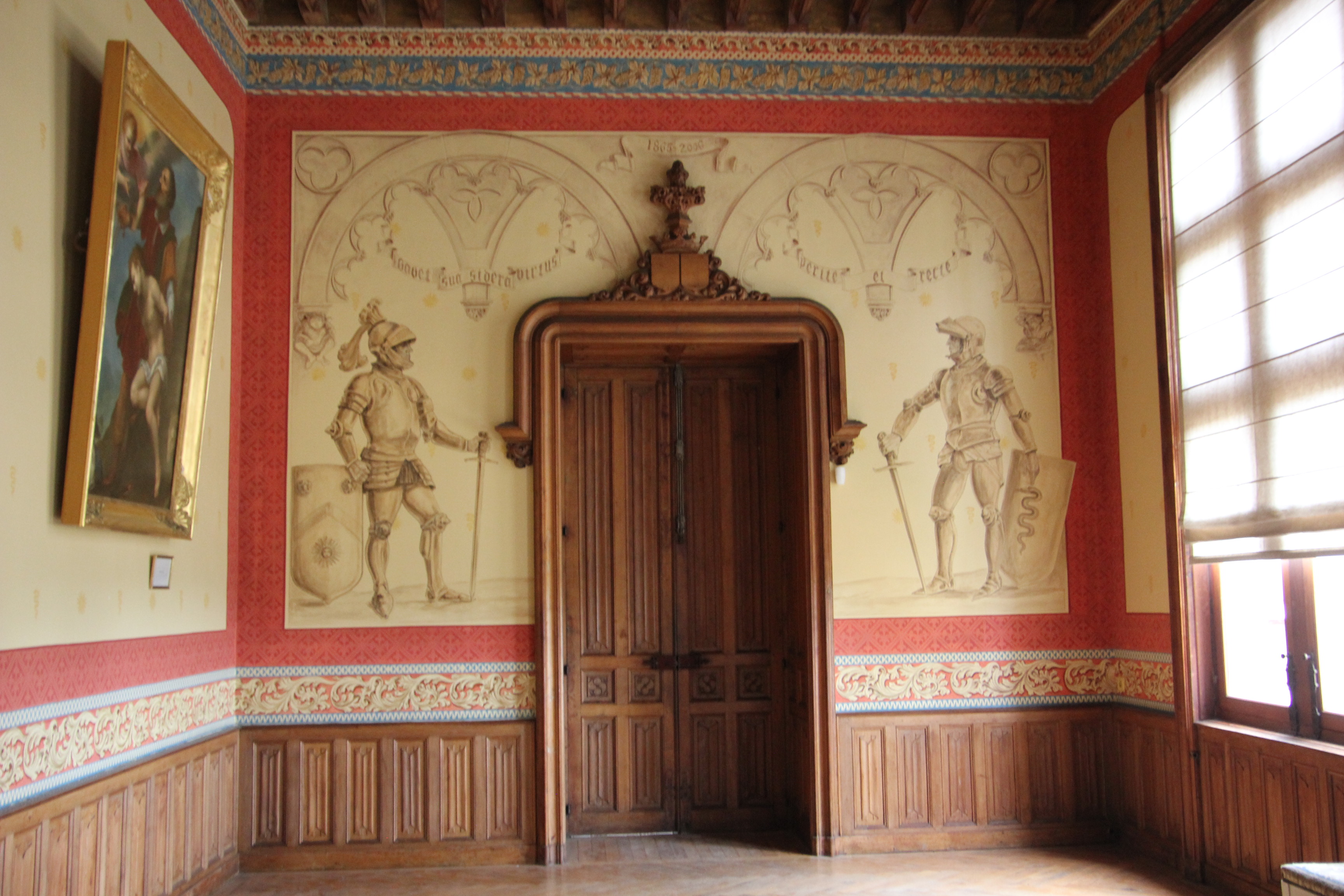
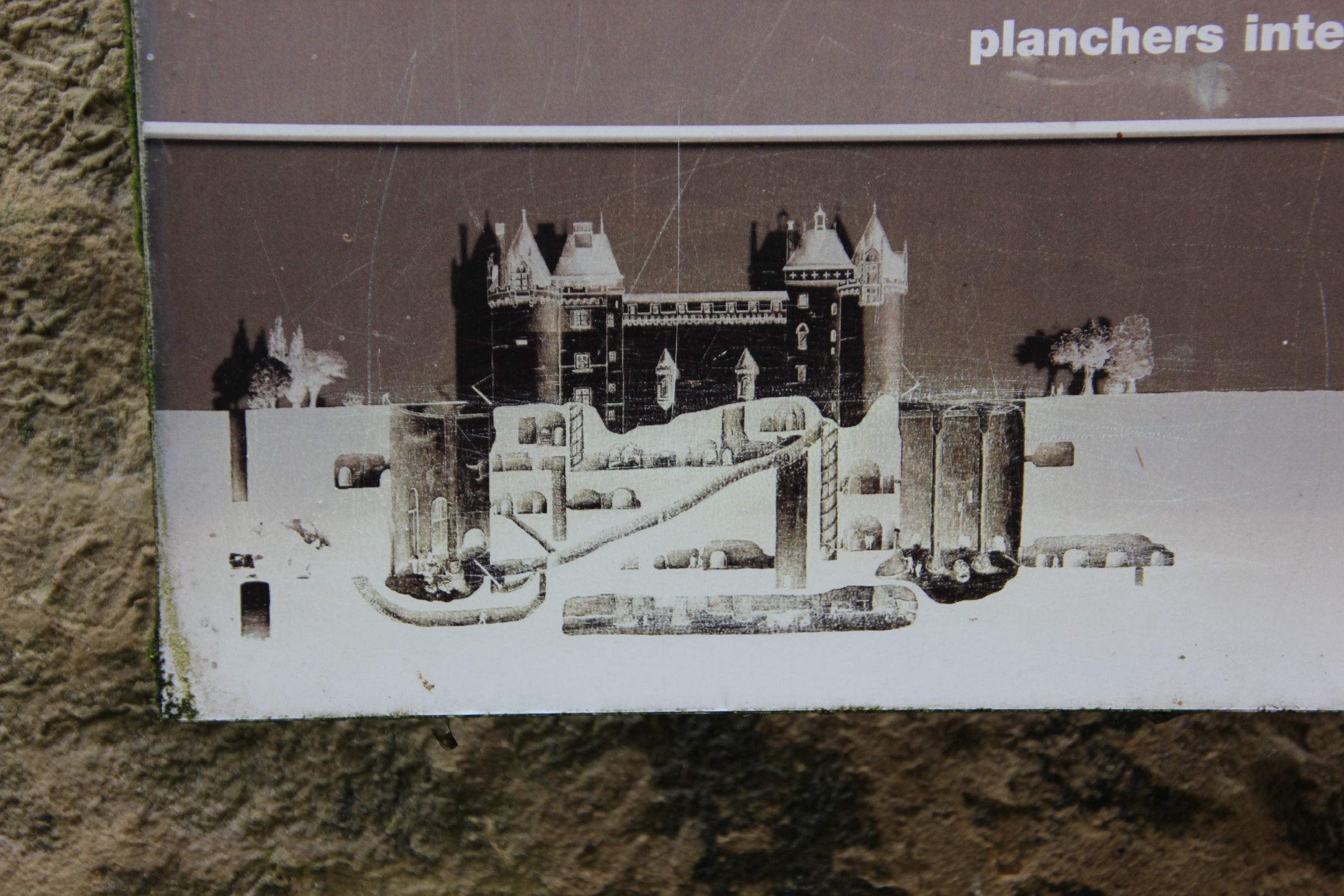
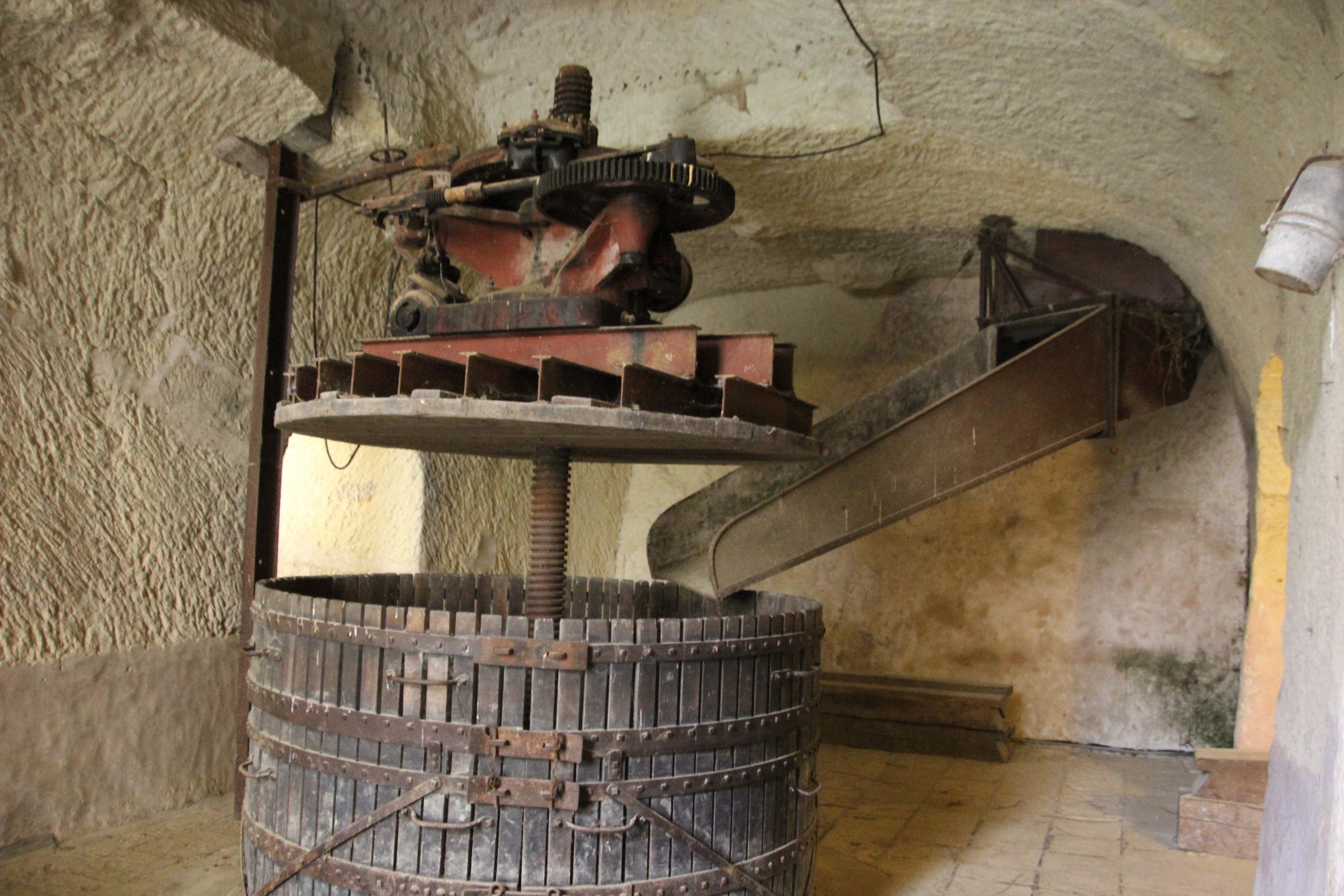
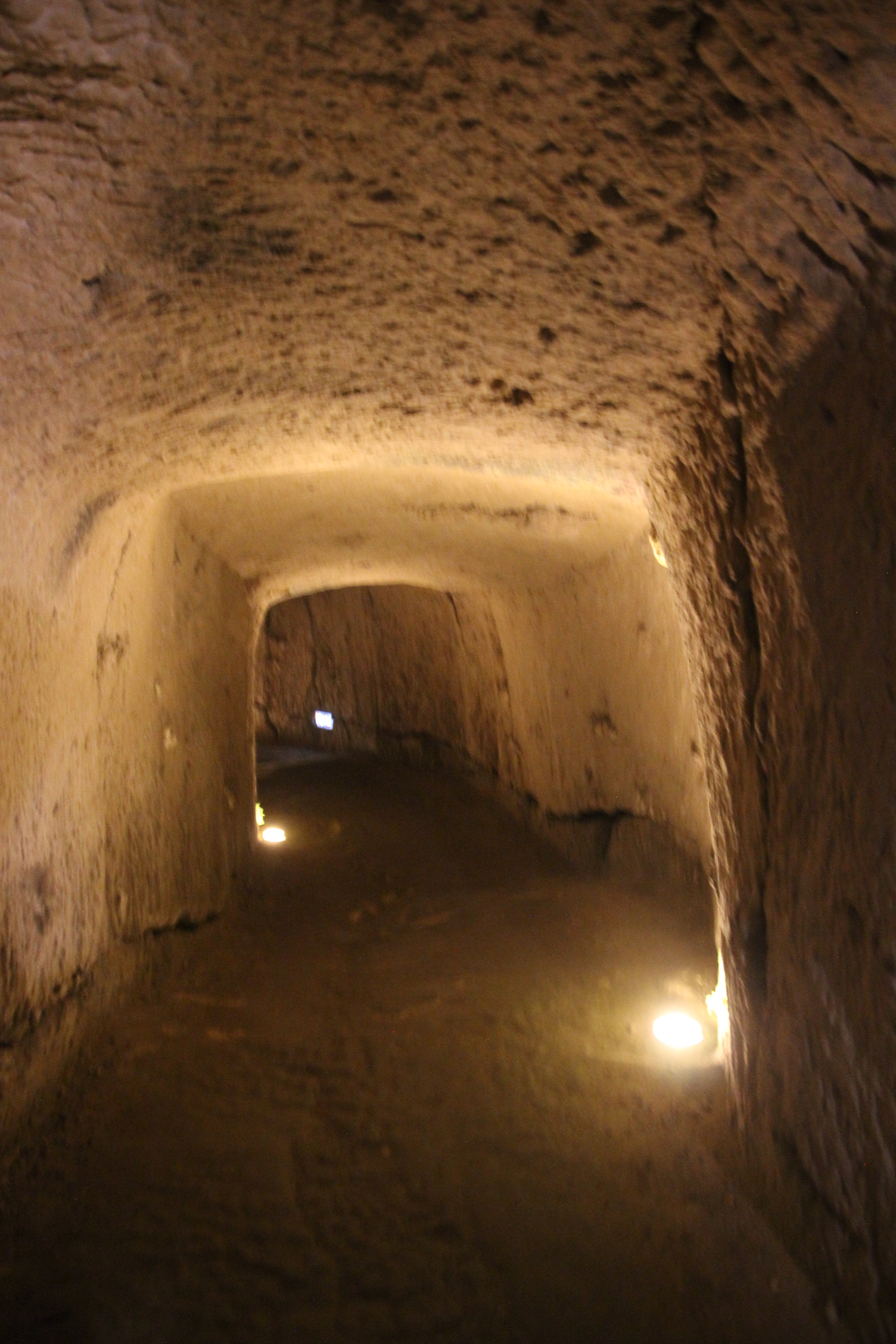
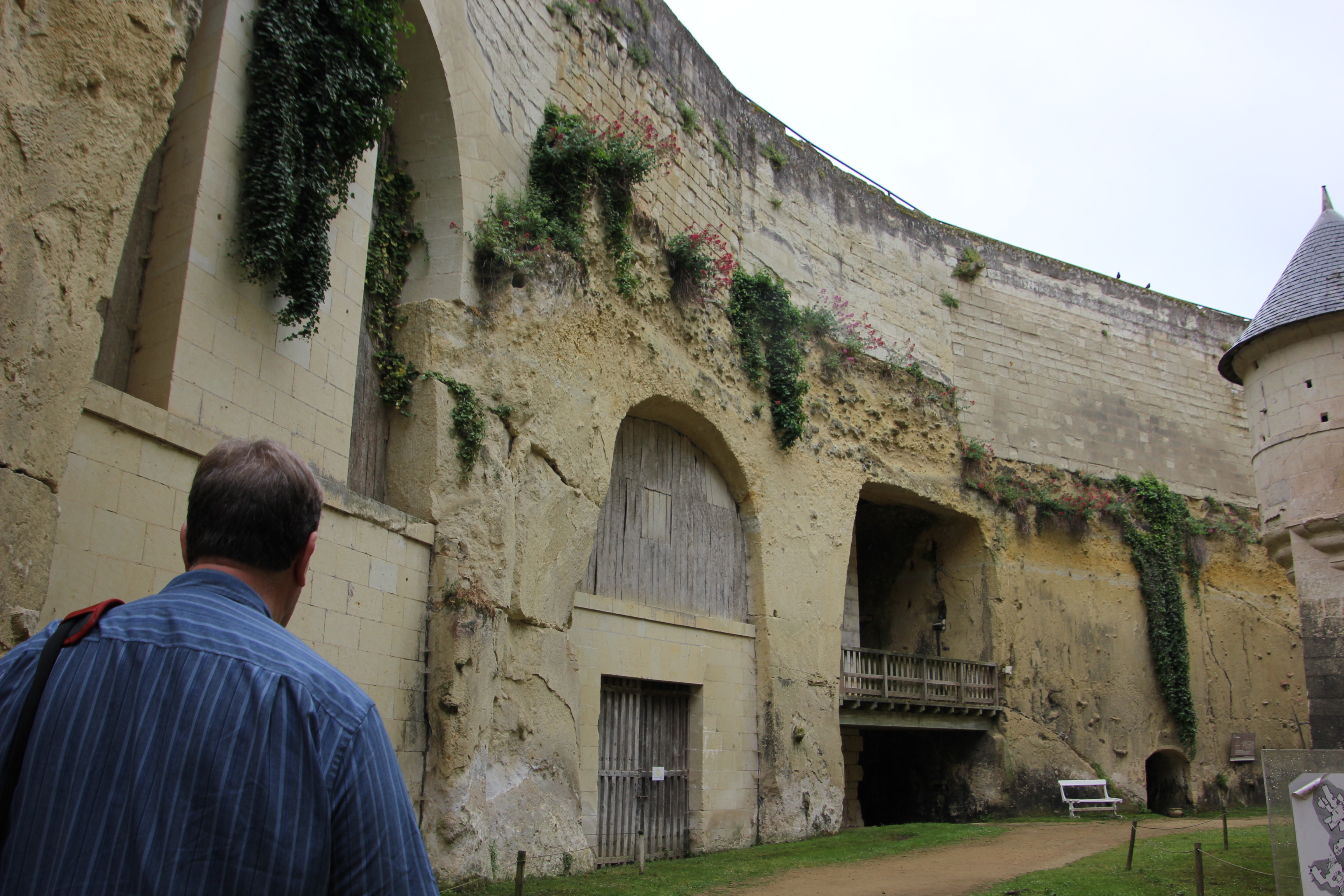
Additionally, there was a dry moat around the castle that opened up even more caves and passages on the land side of the moat. This is where much of the Chateau’s wine was produced, the silk worms were farmed and the bread was baked.
We had hoped for a wine tasting at the Chateau, but we were too early in the season. The family that owns the castle continues to produce the Saumur Blancs (white wine). So we left looking for food. We stopped at a roadside restaurant advertising local food. We ordered the formulaire – an appetizer, main and dessert for 16 euro. We understood that we would get a salad, the chef’s meat cut of the day and a mystery dessert. The waitress told us it was “golf” which made no sense to me, it wasn’t written down so I couldn’t read the word and the waitress spoke no English. The food was delicious and plentiful. The meat was a steak the size of my full hand and fries (of course with a sauce) and it turns out the dessert was a waffle (gaufre) with ice cream, chocolate sauce and whipped cream. It was a treat and influenced our decision to eat a salad (with left over steak) for supper.

Our afternoon adventure continued to Fontevraud Abbey. This massive monastery was founded in 1101 by a preacher named Robert d”Arbrissel. He was a charismatic man who lived a very strict lifestyle. He grew a following and eventually created a double monastery supporting both men and women in separate parts of the abbey but the Abess of Fontevraud was in charge of everything. His efforts were supported by a land grant from the count of Anjou and his community was recognized as a religious order by the pope in 1106. The religious participants followed the Rule of St. Benedict (I.e. silence, good works, food and clothing). In 1117 there were 3,000 nuns in the community.
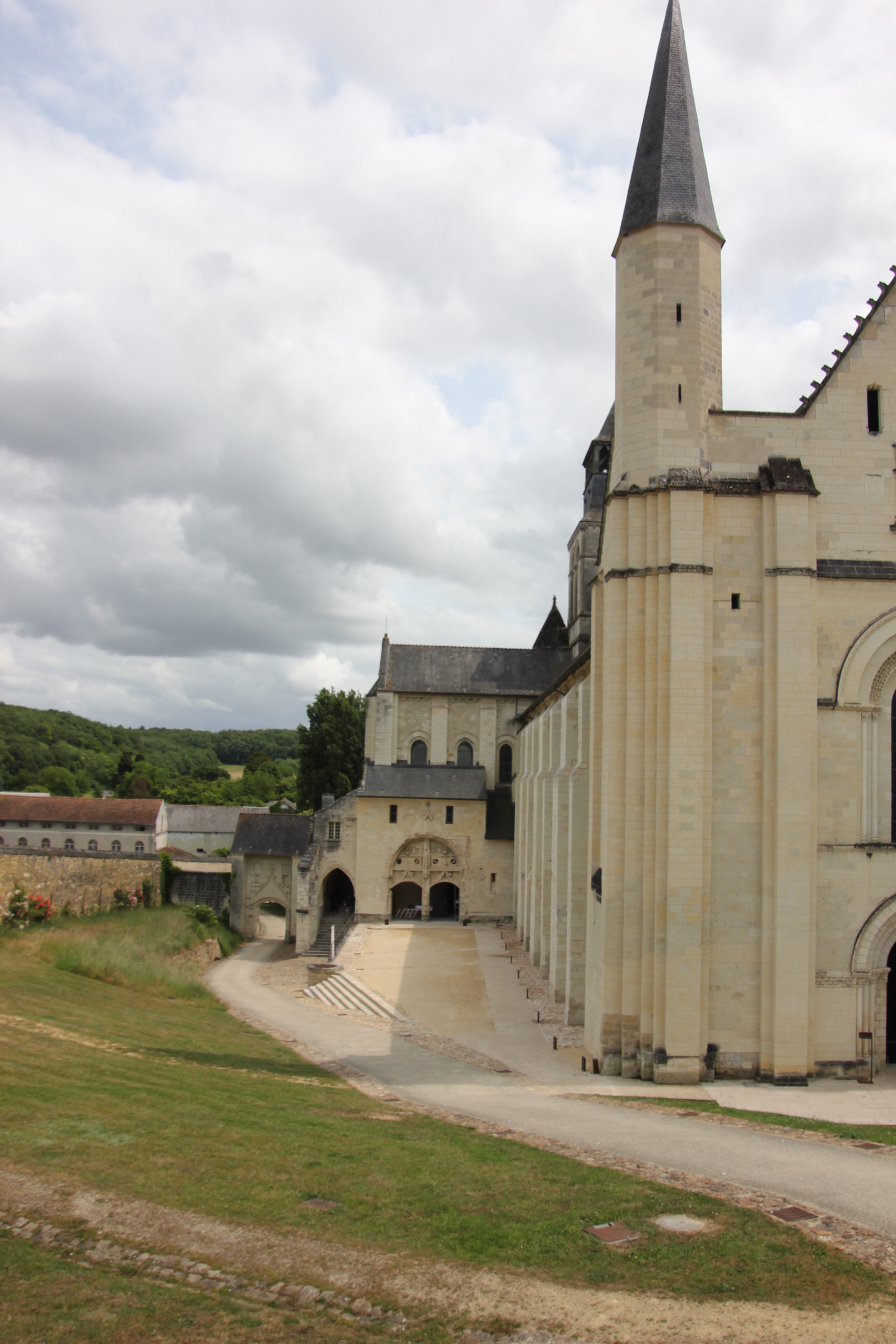
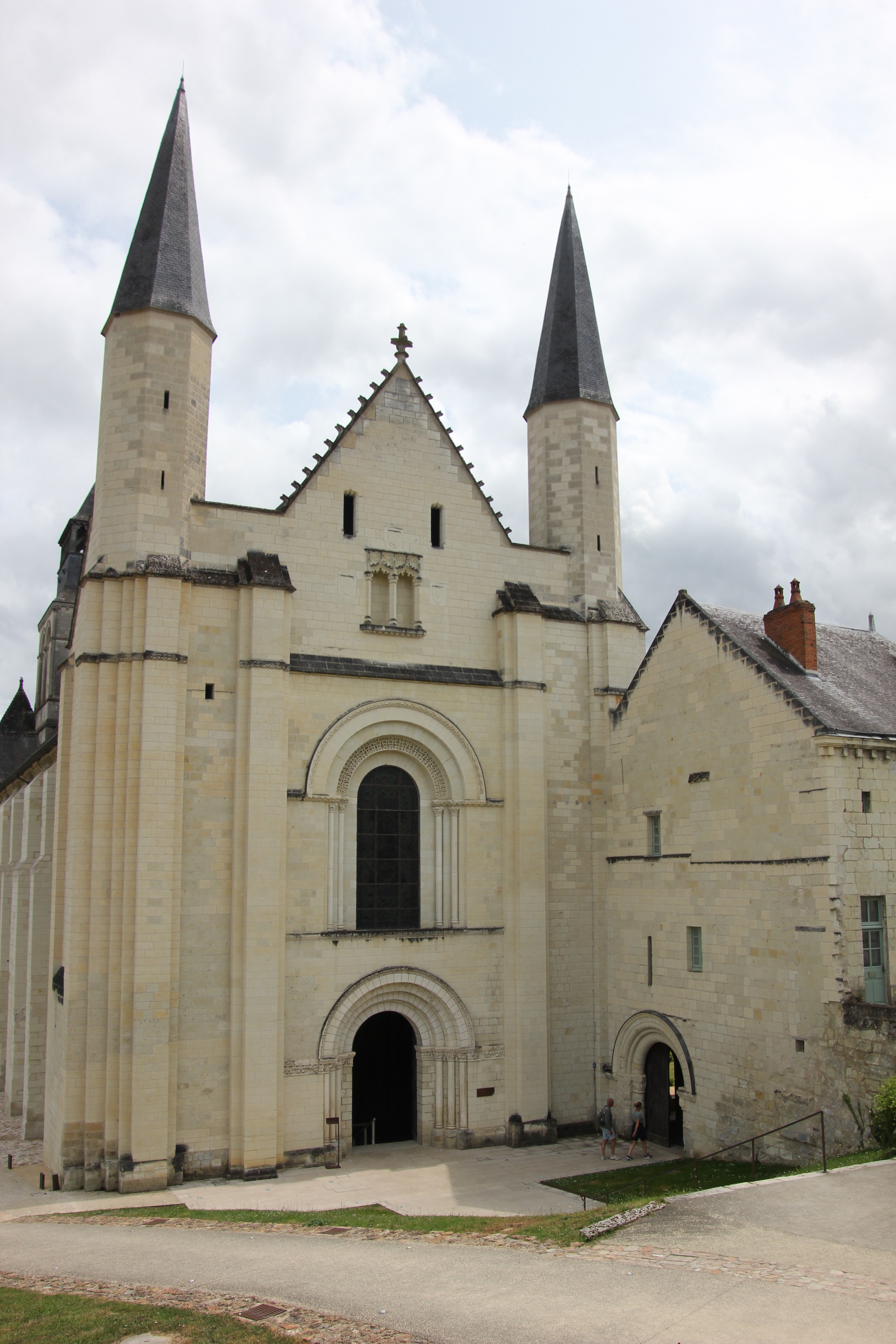
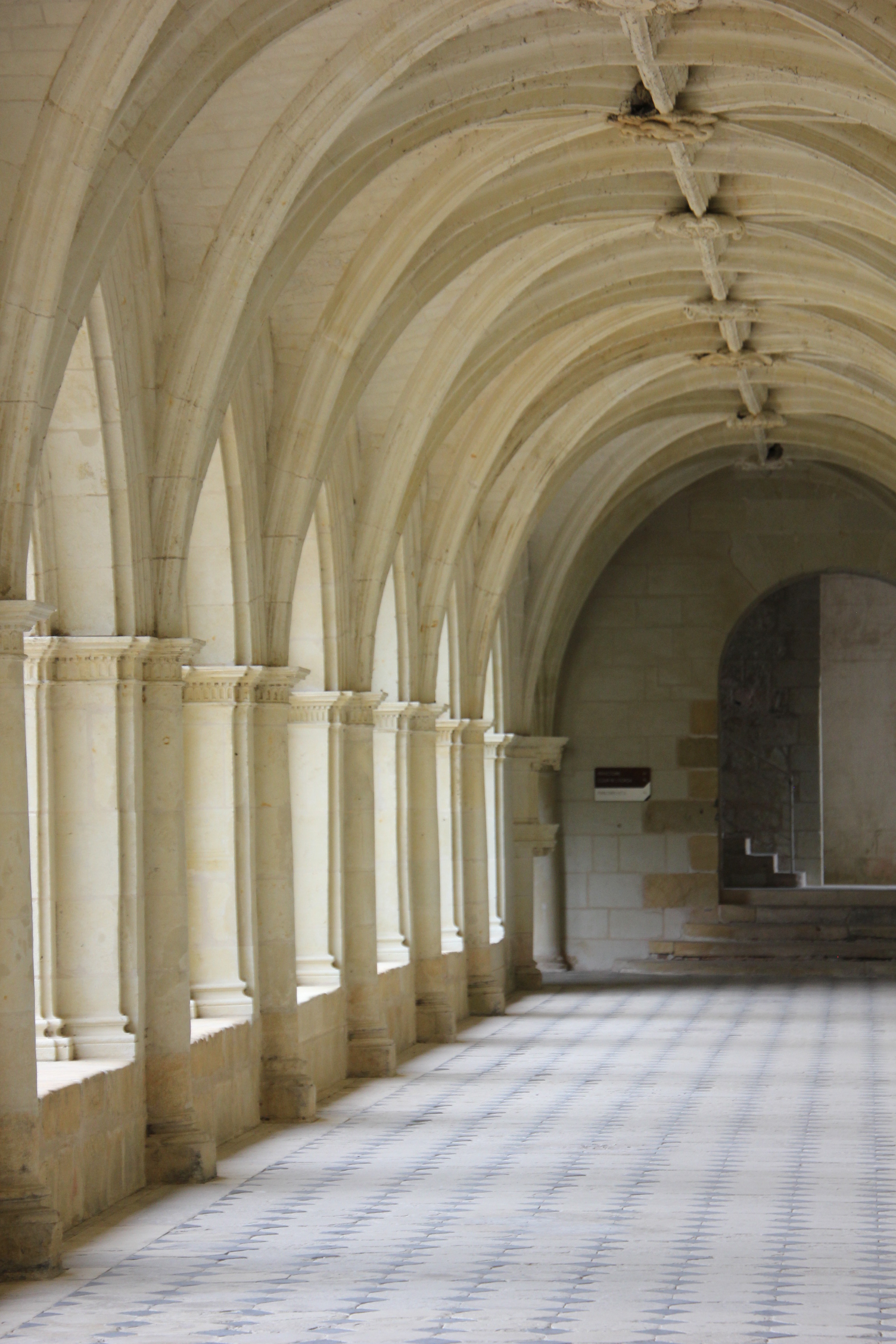
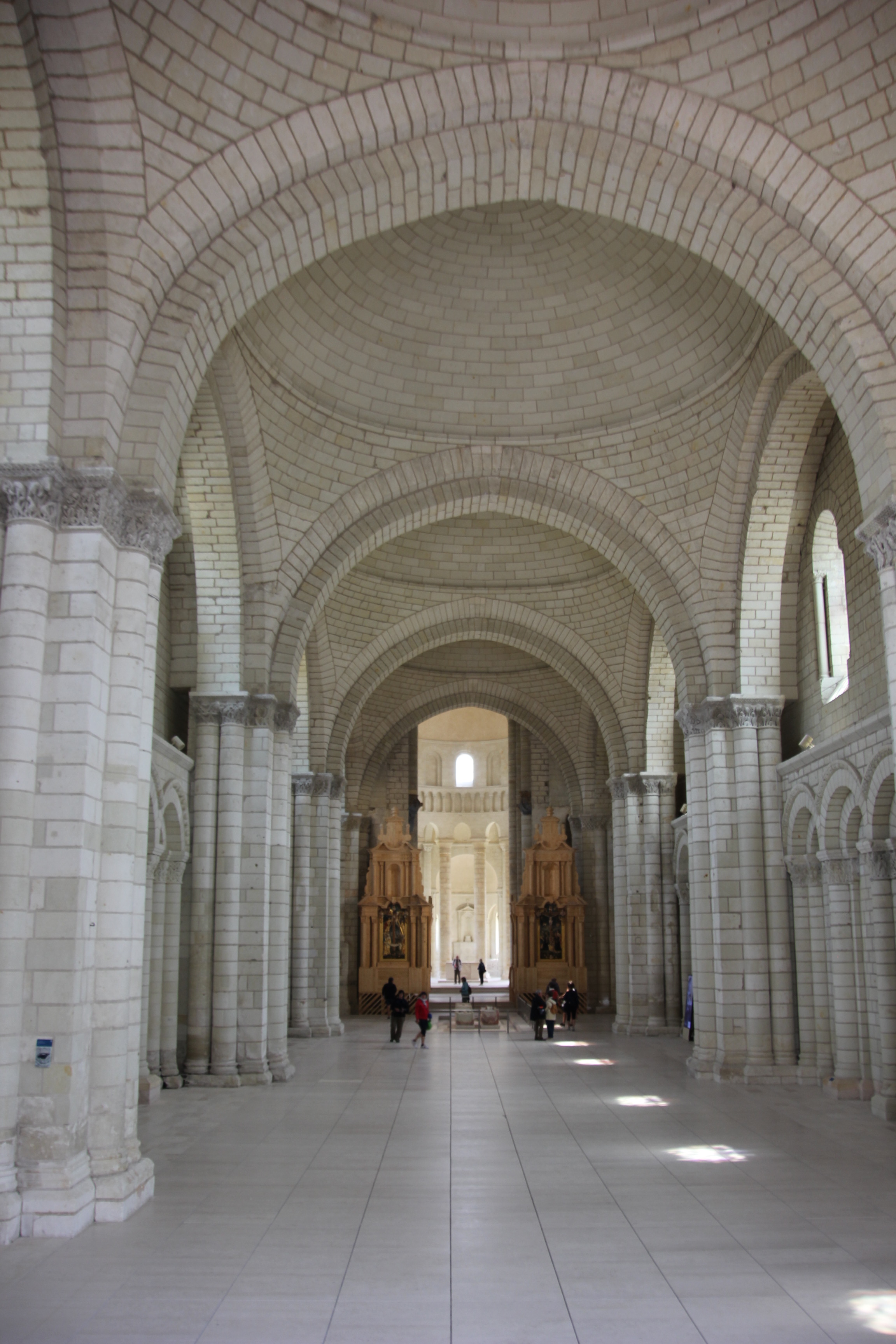
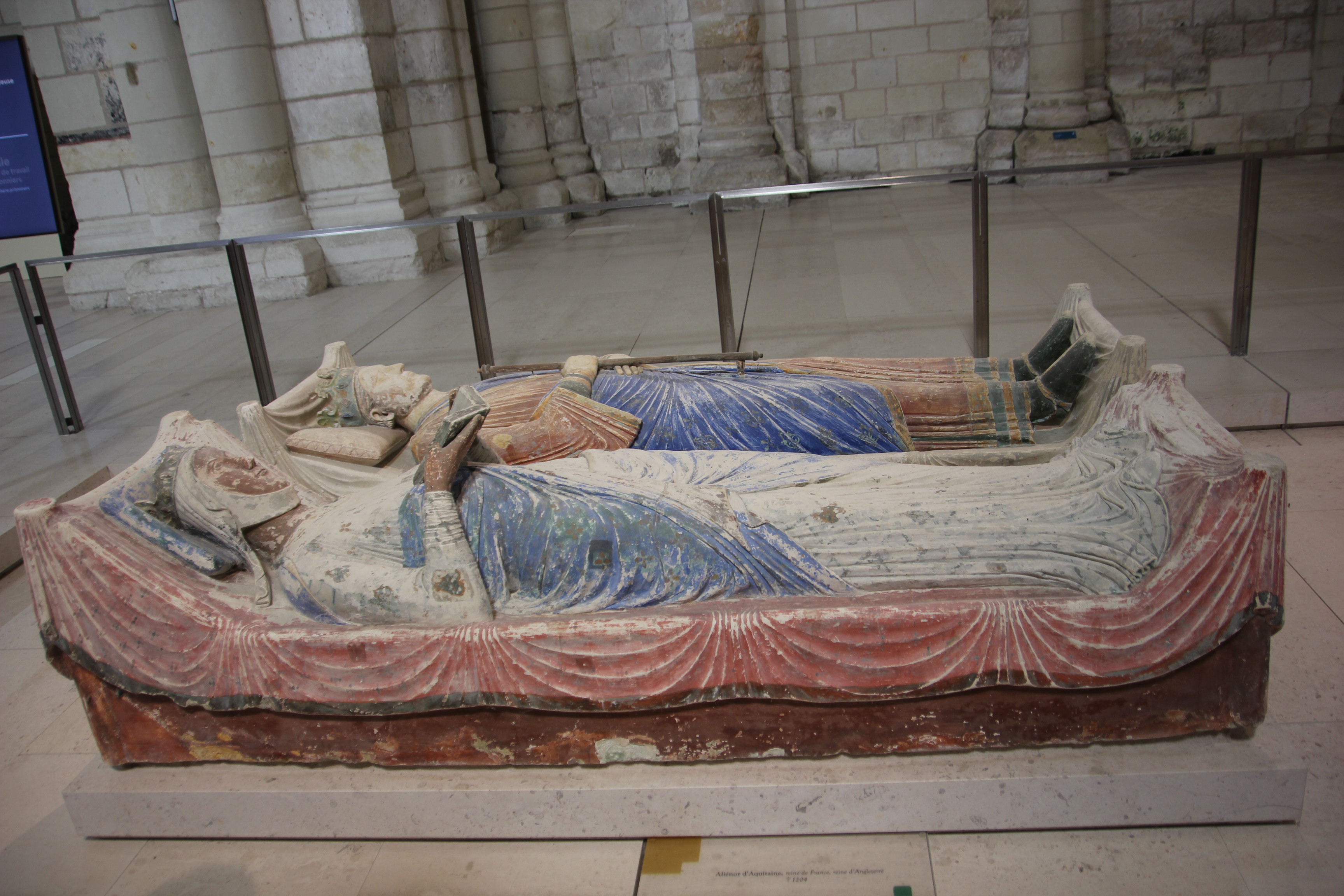
The abbey is located in what was known as the Angevin Empire. Eleanor (Alienor)of Aquitaine, her husband Henry II, their son, Richard the lionheart were all buried here at the end of the 12th century. Eleanor was the Queen of France from 1137-1152 as the wife of King Louis VII until their marriage was annulled due to her not producing a male heir. A year later she married Henri II and became Queen of England from 1154-1189 as the wife of Henri II. She was one of the most powerful women in Western Europe during the high Middle Ages but Henri had her imprisoned for supporting her son in a revolt against Henri in 1173. She was released when Henri died and she acted as regent when her son Richard was away on campaigns. She chose Fontevraud as the final resting place for the Plantaginets. During the French Revolution the Abbey was sacked and the tombs vandalized. Human remains were exhumed and scattered and have never been found. Somehow these four effigies survived and were restored to their current resting place.
The Abbey functioned with lots of ups and downs for over 700 years until the 1792 order after the French Revolution when Abbeys were disestablished. The site experienced significant damage due to being quarried for stone for other building projects and being turned into a prison. Ironically, its function as a prison saved the site from total demolition. It continued as a prison from 1804-1963.
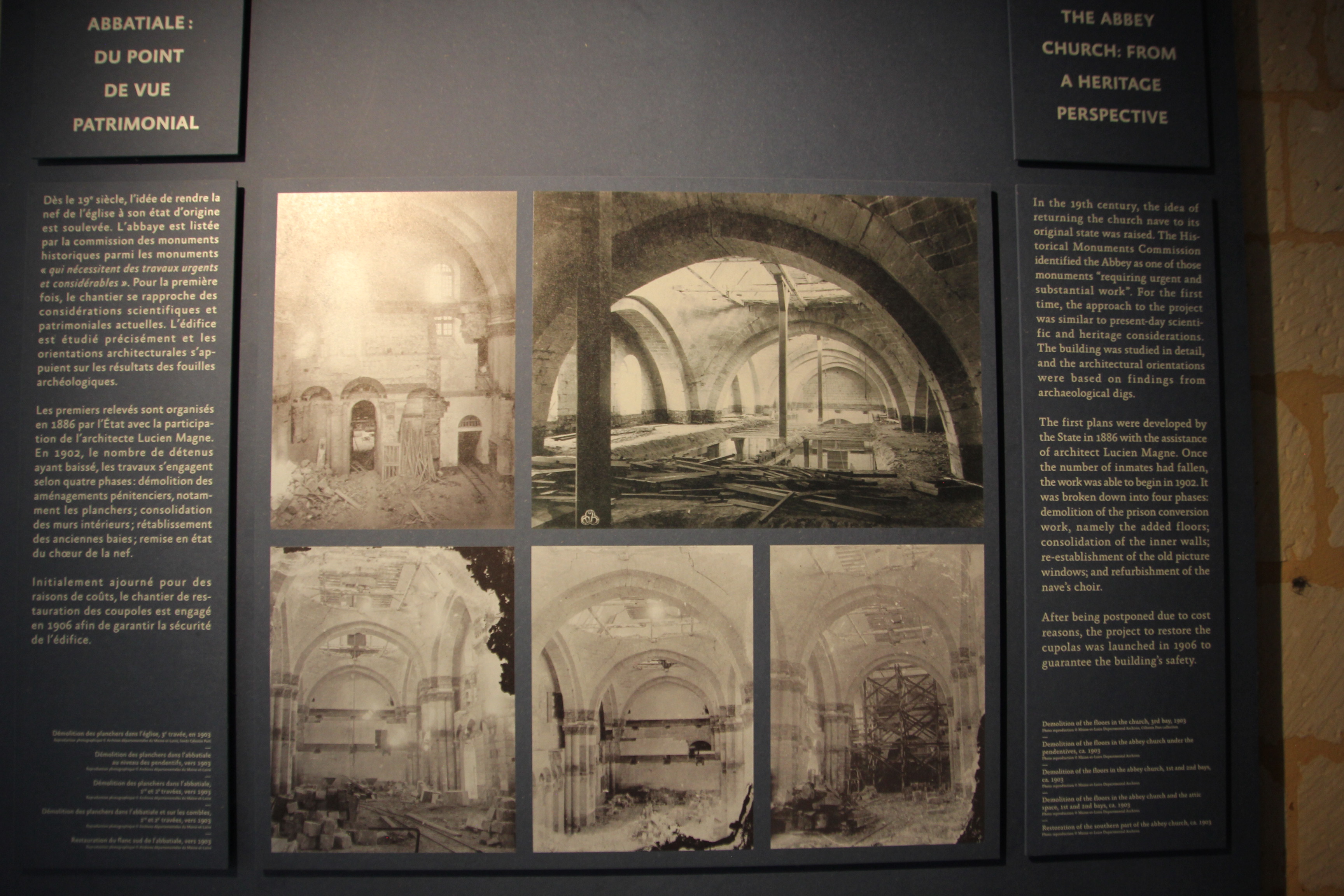
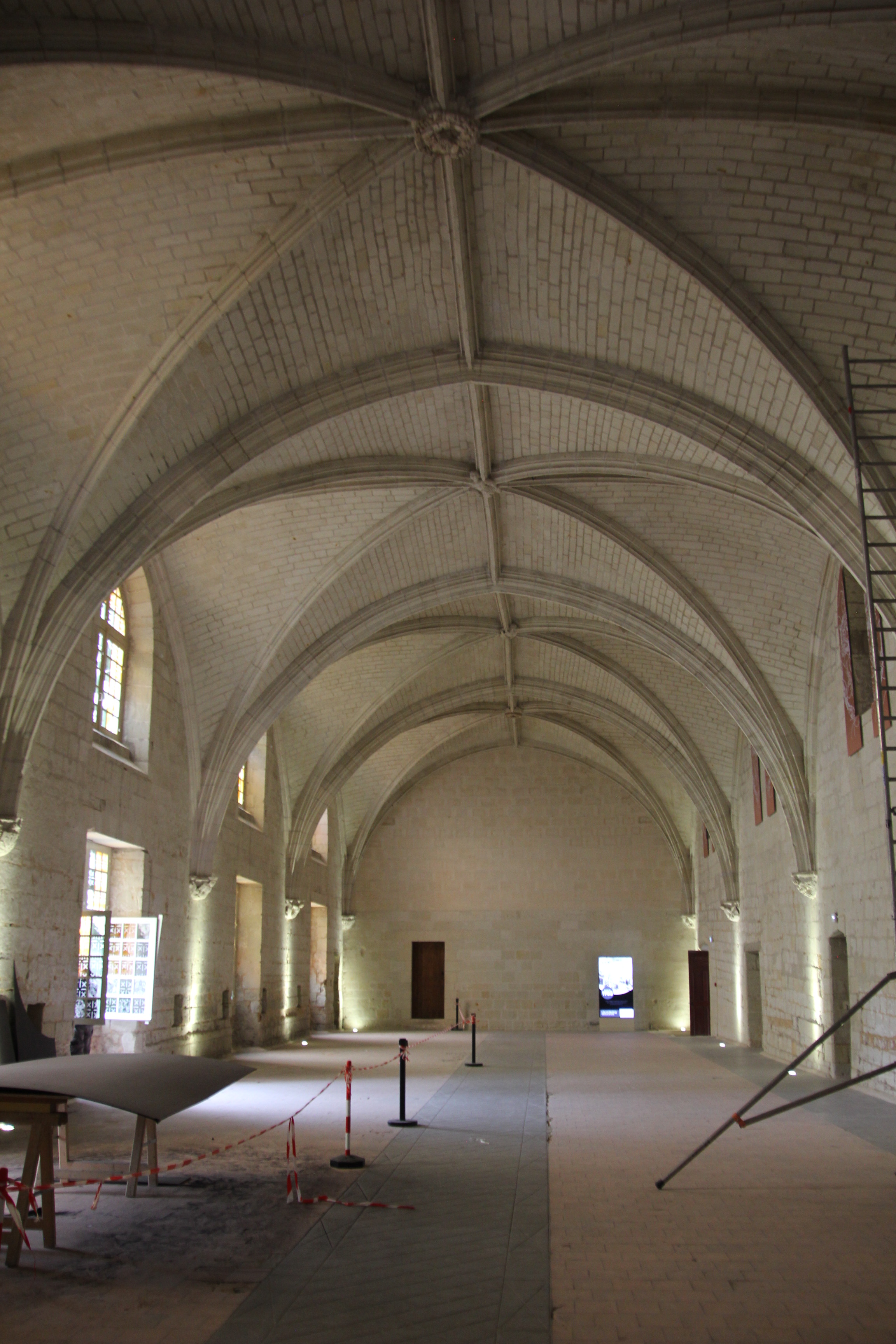
Some restoration work began around 1903 but the serious work began after it was declared a cultural heritage site in 1975. The site is massive and simple in style. It is also an active event centre. There was a conference happening while we were there. It was clear from the information provided that the site needs to generate significant income to keep it going.
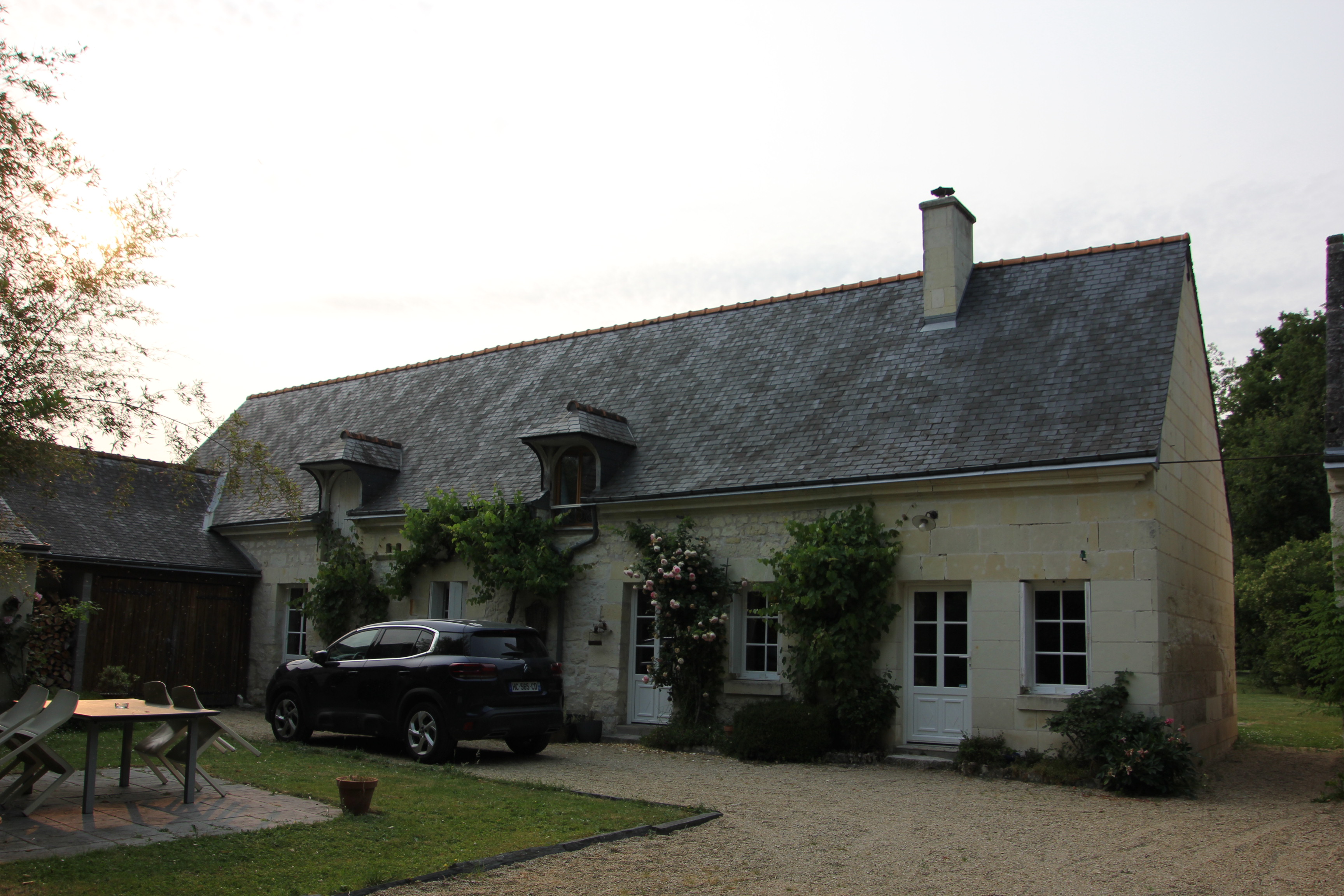
We were tuckered out after a big day of wonder and awe. We found a grocery store and stocked up on our veggies and wine before heading into our home in La Chapelle-sur-Loire for a quiet evening of blogging and laundry.




 travelswithannmarie