A day in Montreal

Tags

, , , ,

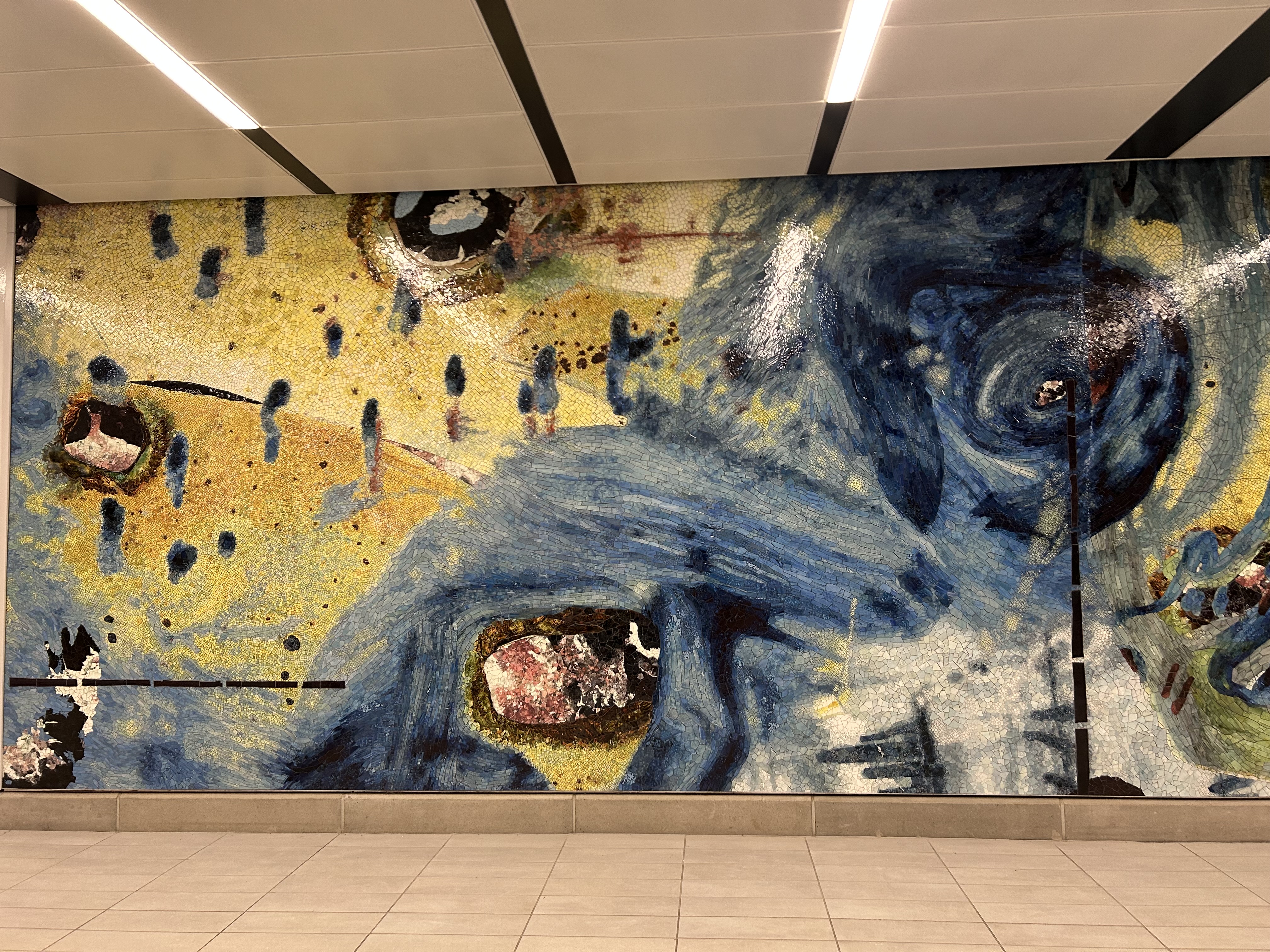
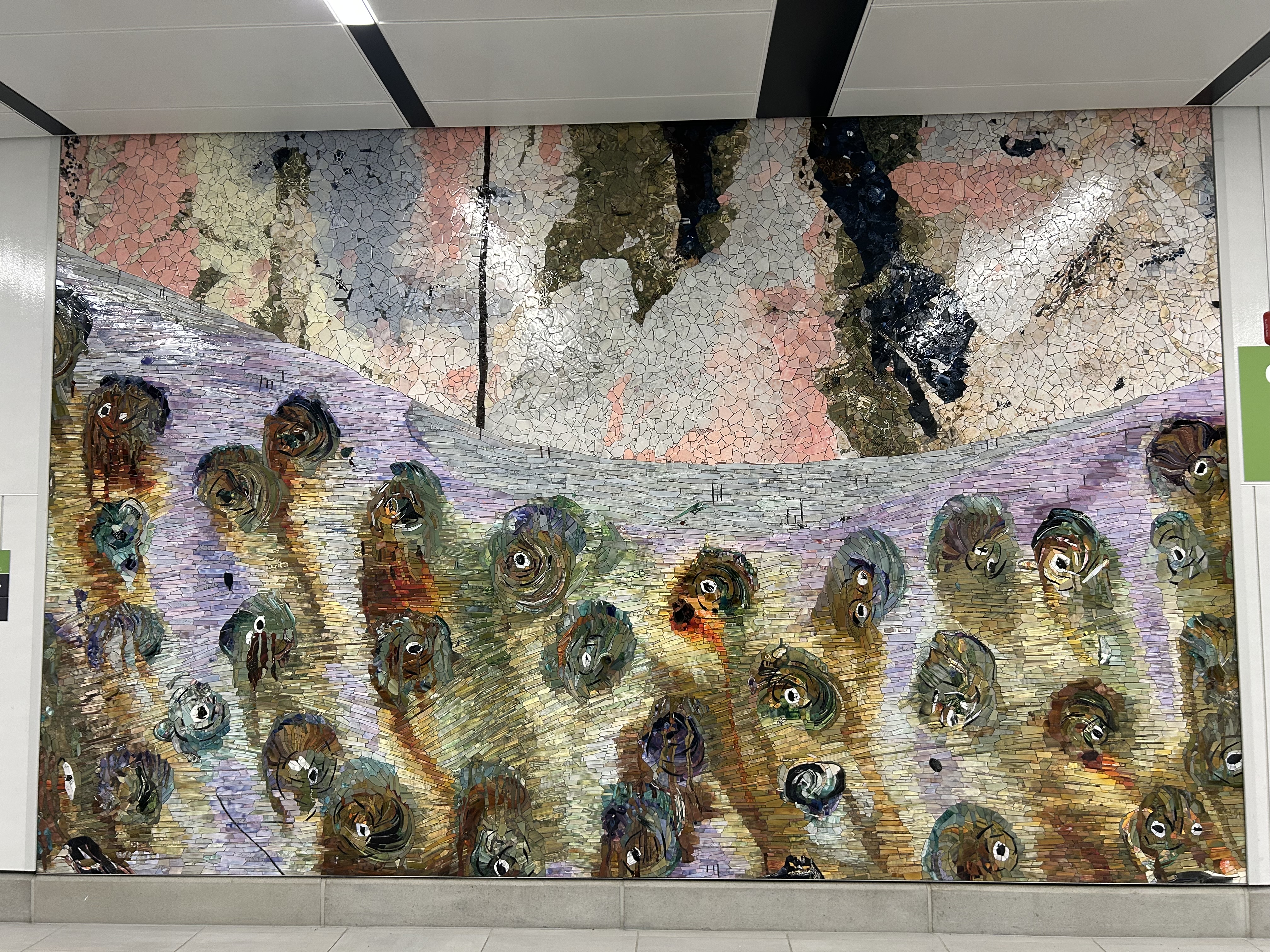
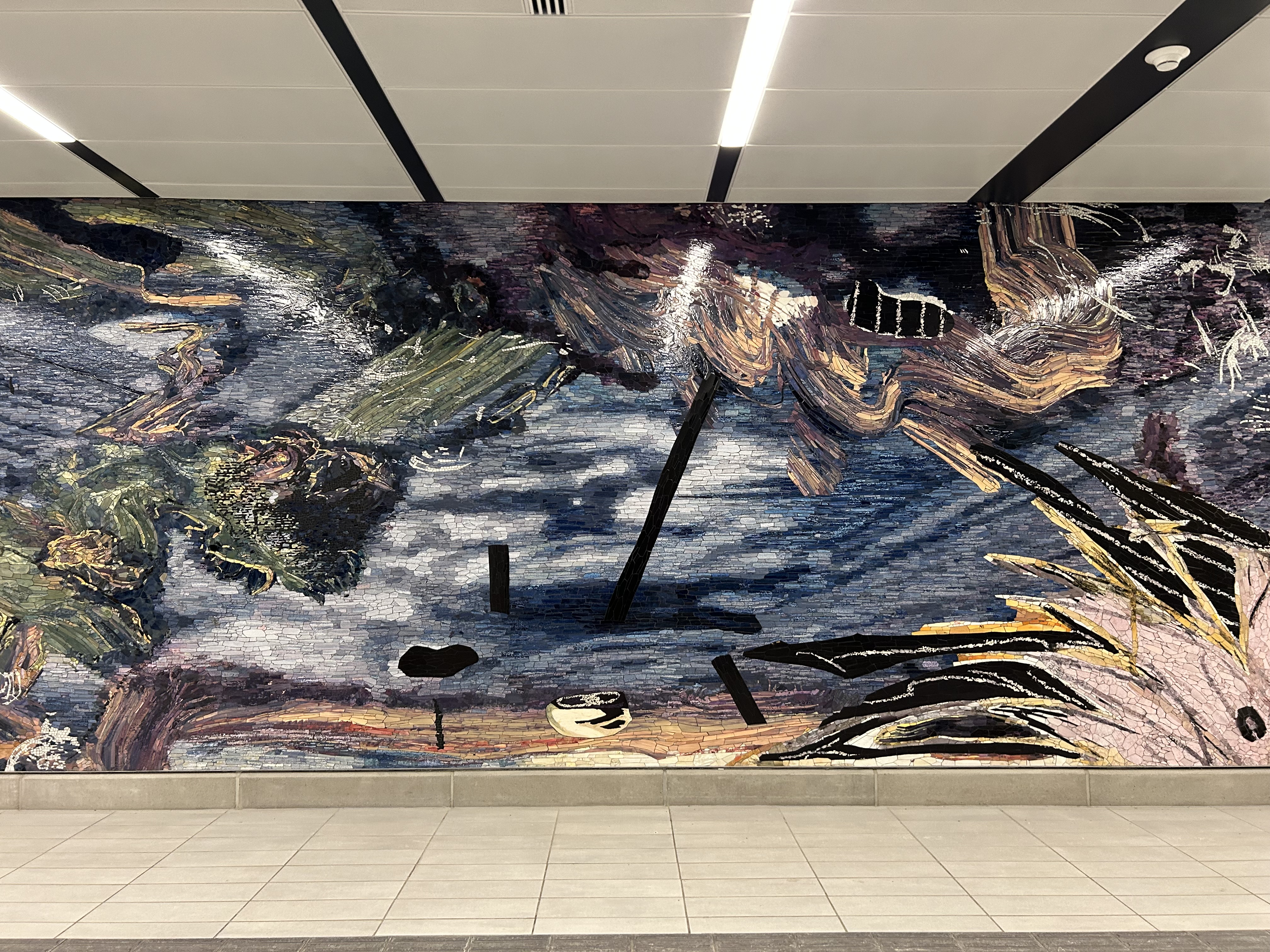
It was a slightly overcast but warm day in Montreal, that was the perfect weather for a day of sightseeing. We drove from St Jean sur Richelieu to the REM train station at Brossard which took us to the Édouard-Montpetit Metro Station where we took the time to view the mosaic murals titled “Le Mont Habité by Haitian artist Manuel Mathieu. He created 5 murals in the deepest metro station in Canada underneath Mont Royal. They were stunning. These images were inspired by the geology of the mountain.
Our next stop was Gare Centrale in downtown Montreal which led us to the streetscape of Montreal. We took a moment to catch our breath at the Boulangerie Ange with a quick coffee and snack. Feeling sufficiently fortified, we entered the Palais des Congres for the annual Salon des Metiers D’Arts du Quebec (SMAQ). This is the Quebec equivalent of the Annual Butterdome Craft sale back home. It was wonderful to see so many handcrafted works of art. We’ve been to the show many times and it is good to see it rebuilding after COVID.

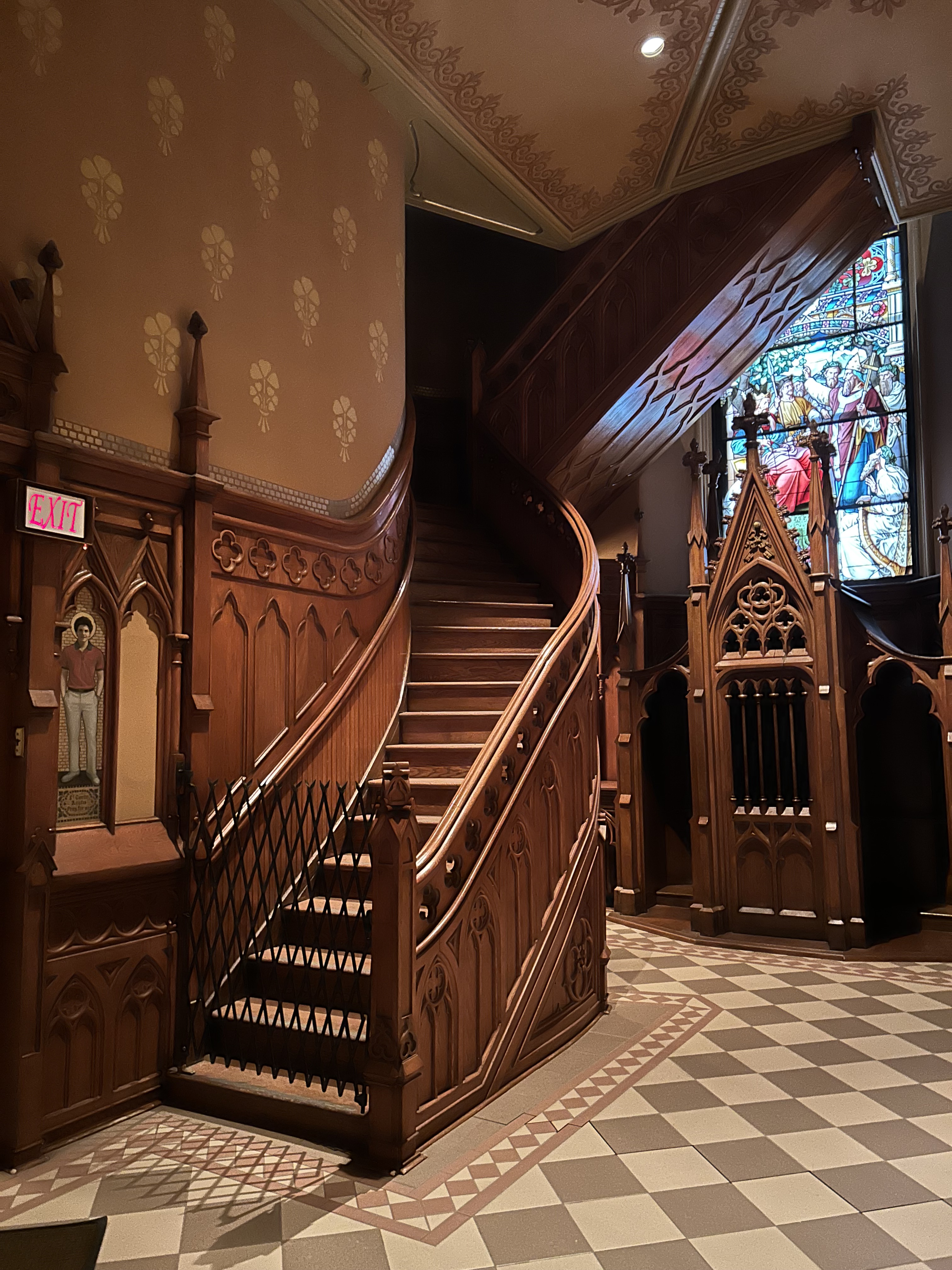
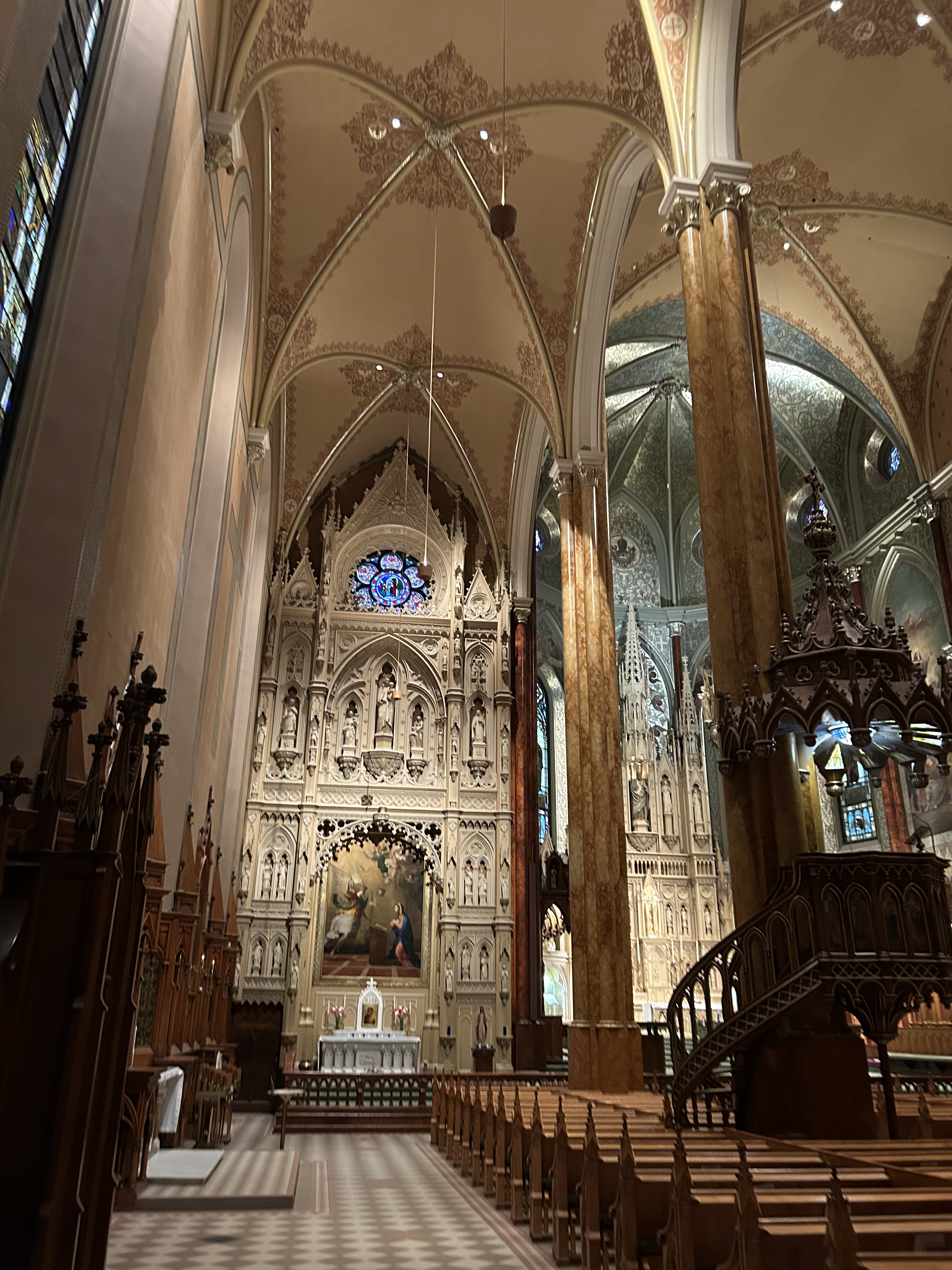
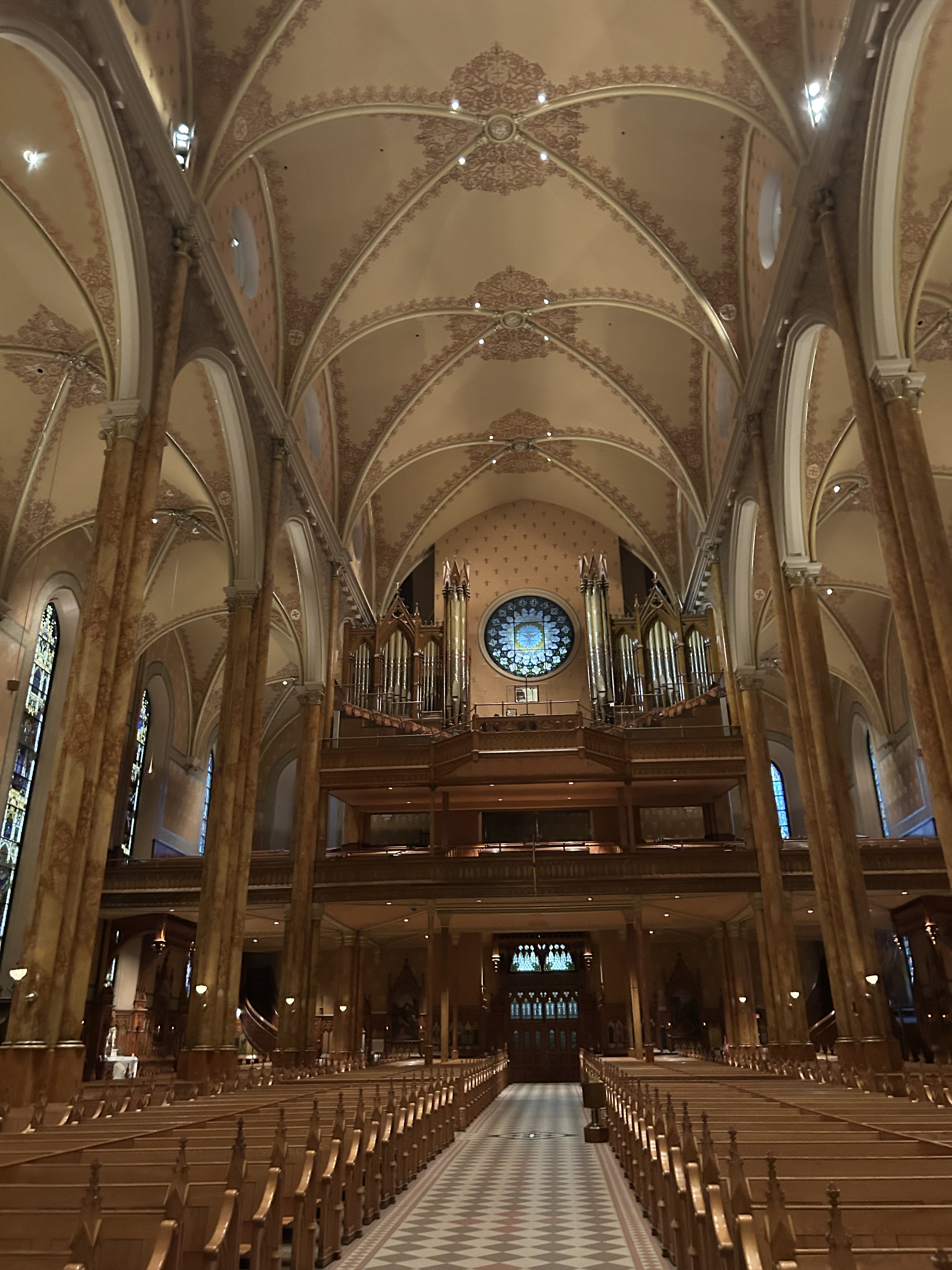
We continued our downtown exploration with a visit to St. Patrick’s Basilica. This beautiful Gothic Revival church was built between 1843-47 to meet the needs of the Irish population flowing into Montreal to escape the potato famine in Ireland. It got upgraded to a minor Basilica in 1989 by Pope John Paul II. It is now a National Historic Landmark and is the oldest English speaking church in Canada. This was the home parish of Thomas D’Arcy McGee, one of the founding fathers of Confederation and his pew is still identifiable. The church was lovely.
We headed back to Uncle Mark’s home just as the temperature started to drop. It was good to get home before the rain turned things icy. The temperature was above freezing all day and it started to rain as we left downtown. We felt blessed to not be dealing with the Alberta Clipper that brought -20C temperatures and tons of snow to Edmonton.
A final day in Paris

We learned a lesson this week. Never rent a place without air conditioning! Our apartment has all sorts of nice features, what it didn’t have was air conditioning or any form of fan. We sweltered in the heat and then, just as we were crashing for the night, a thunderstorm erupted. Rain, lightening and hail! I was hoping the storm would cool things off, but it didn’t. We were grateful today that it is cooler, more overcast and a bit breezier.

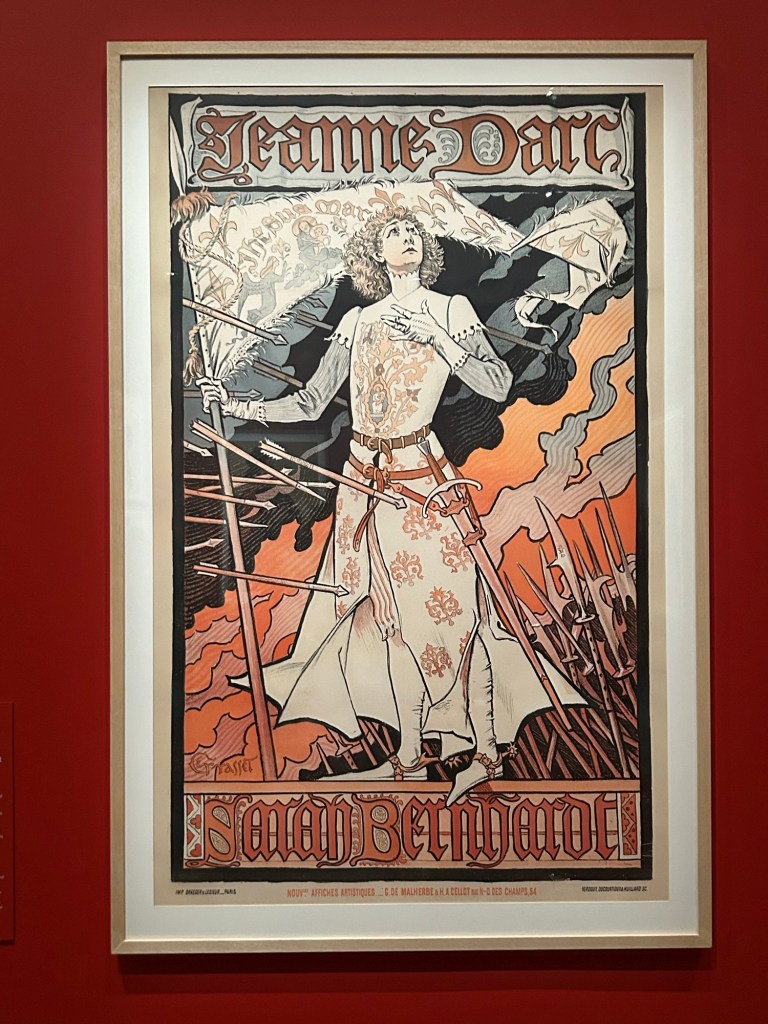
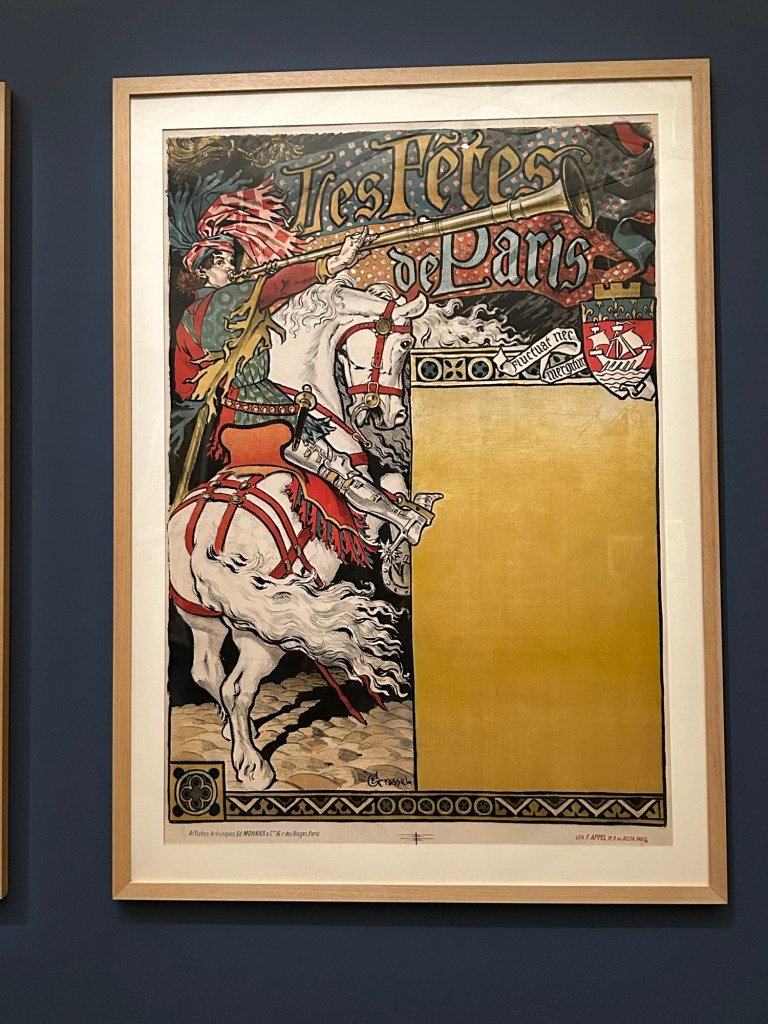
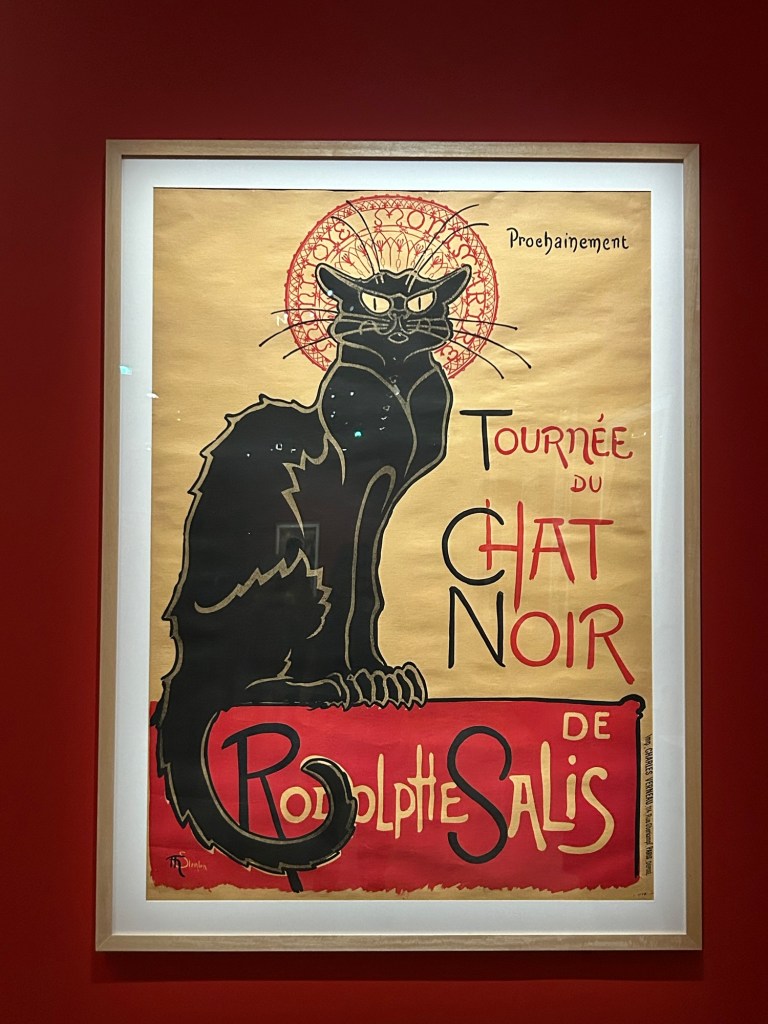
We spent our last day in Paris at the Musee D’Orsay. We loved the exhibit on posters from the late 1800/early 1900s.

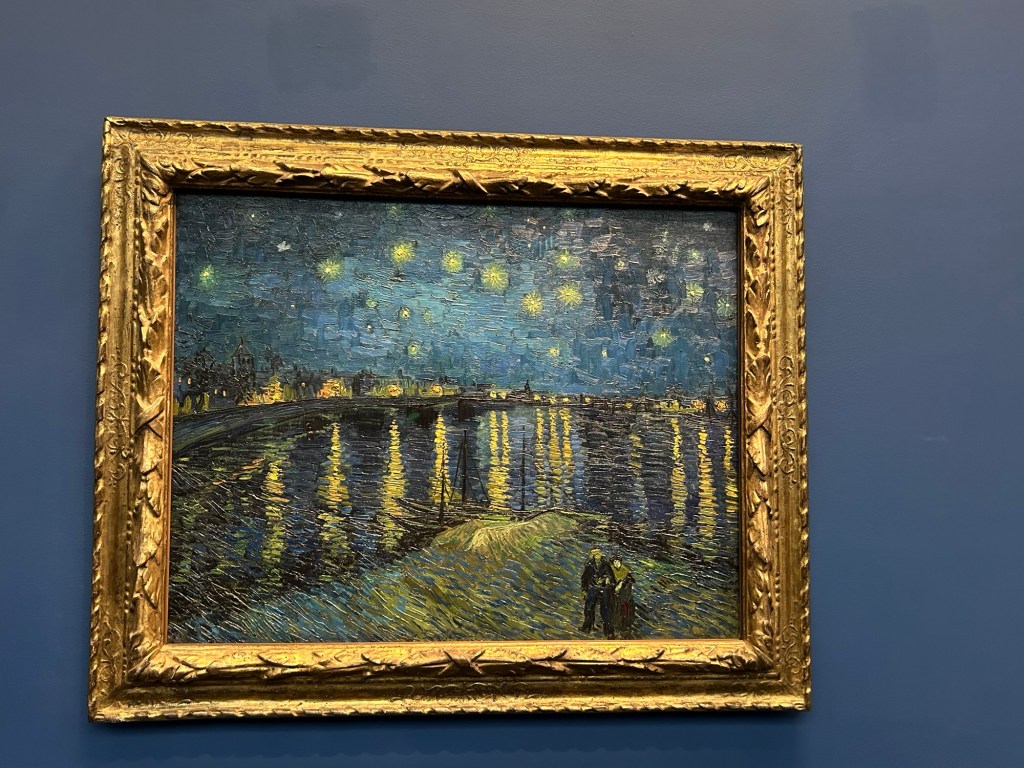
We also explored the impressionist exhibit.

Van Gogh Starry Nights – painted in Arles where we started our adventures in France.
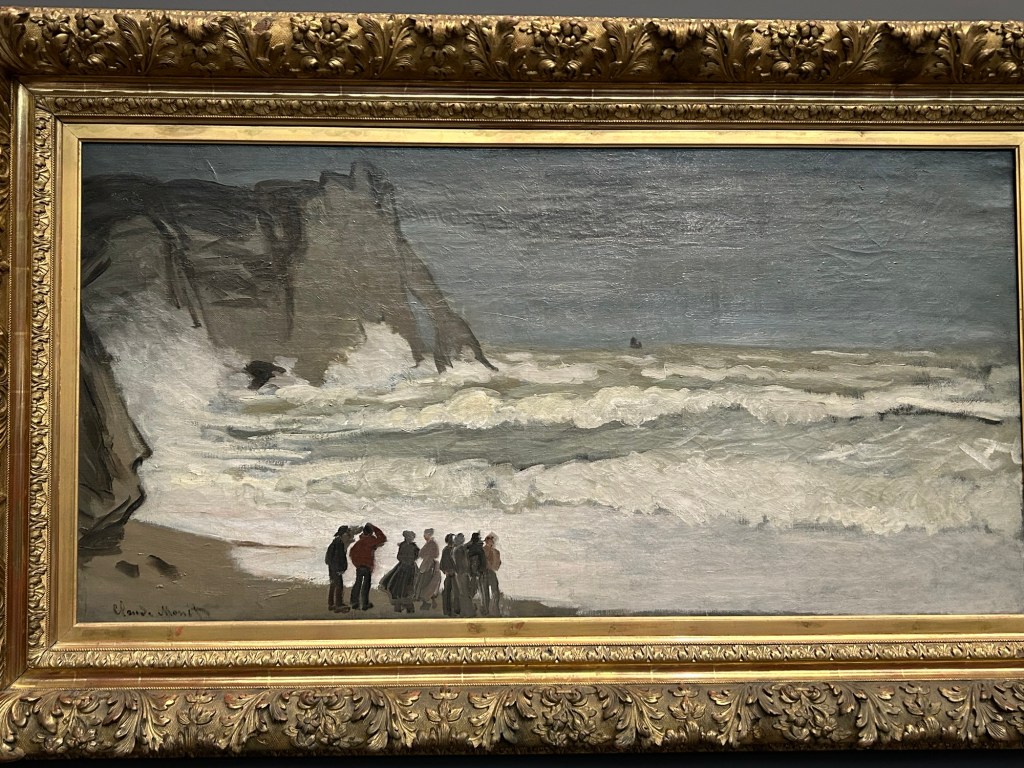
Monet’s painting of Etretat – another stop on our journey.

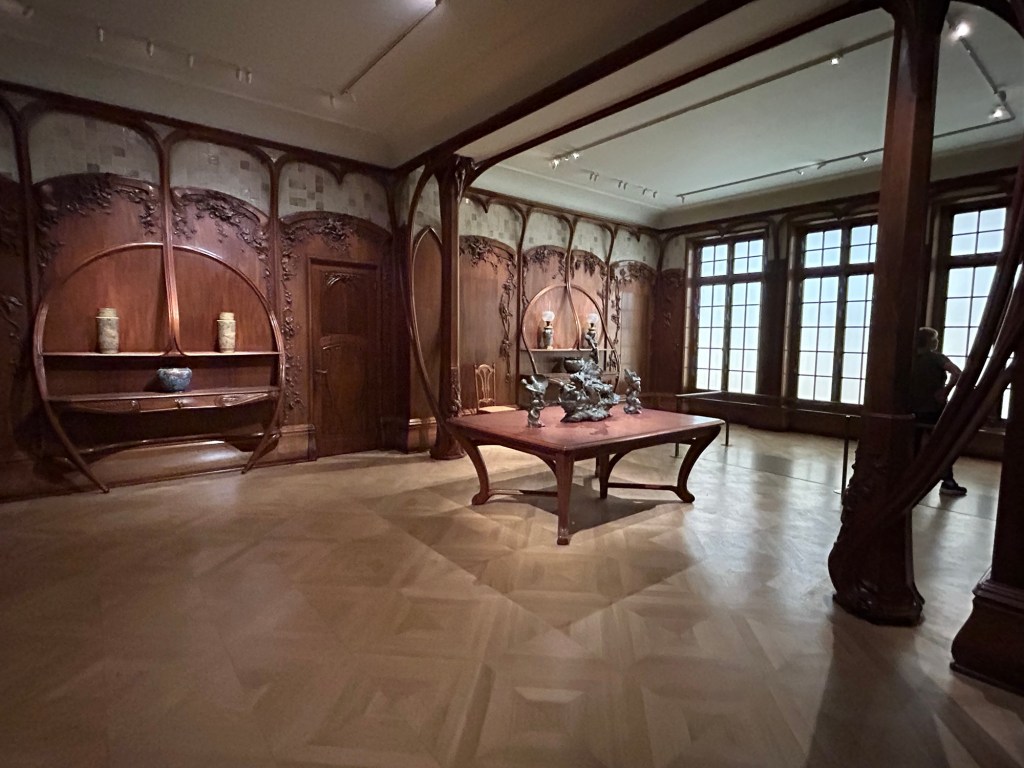
The piece de la resistance of this museum for me was the art nouveau carved room.

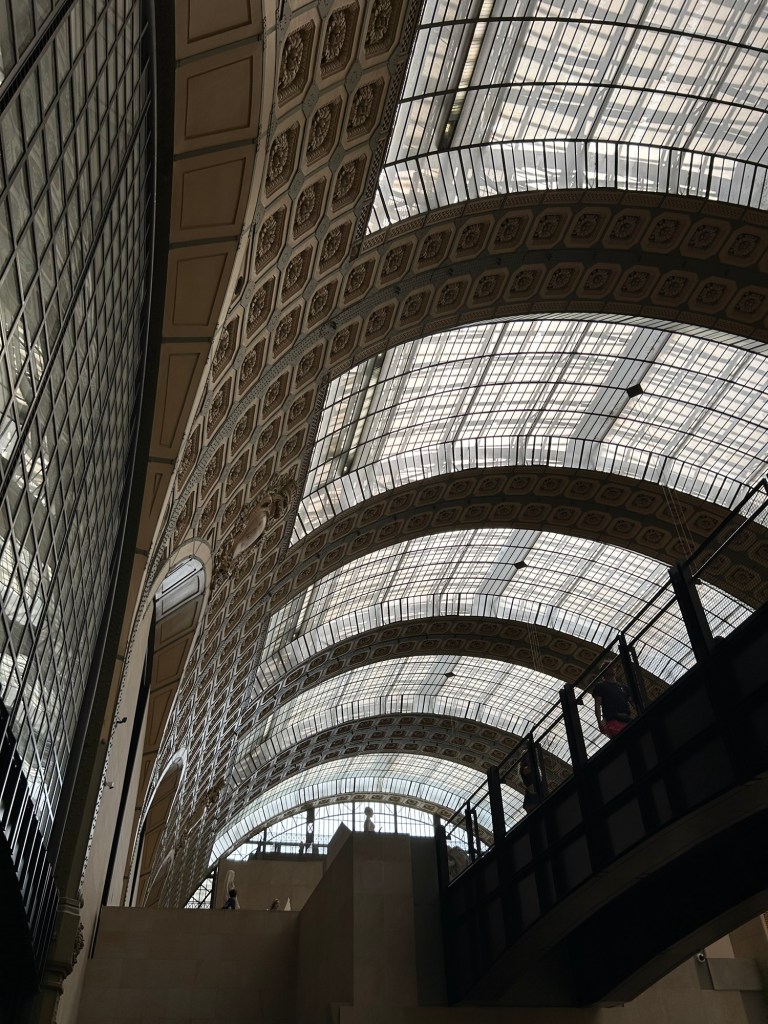
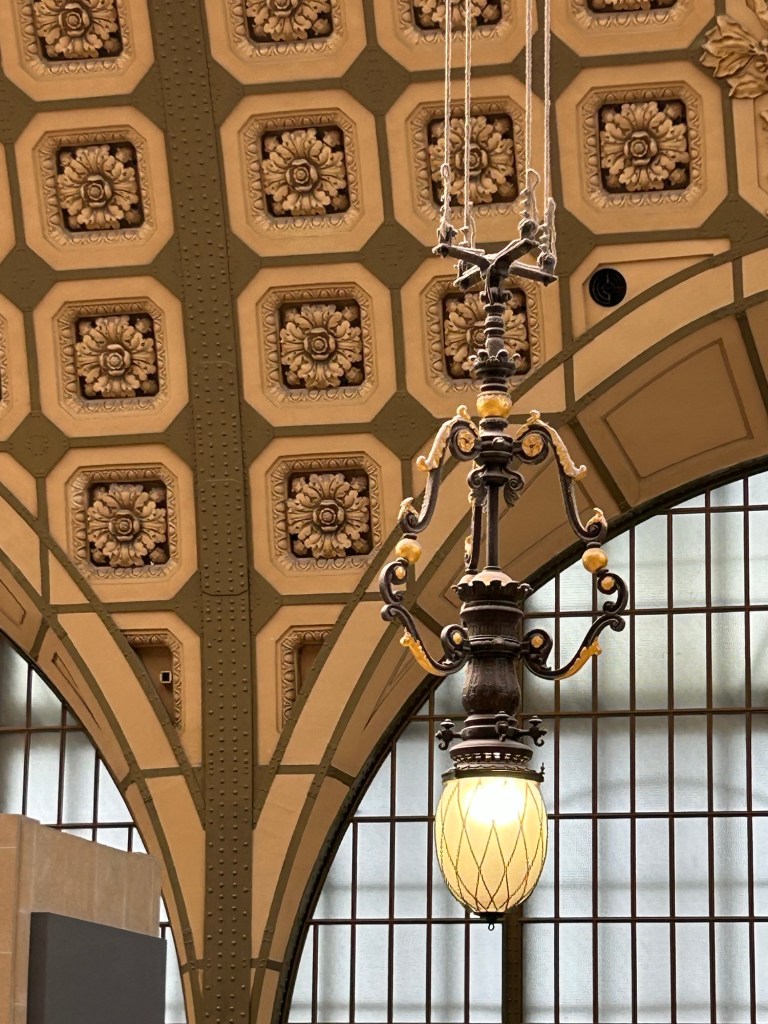
Part of the joy of this museum is the building itself. This former train station is beautifully decorated.

The ceiling
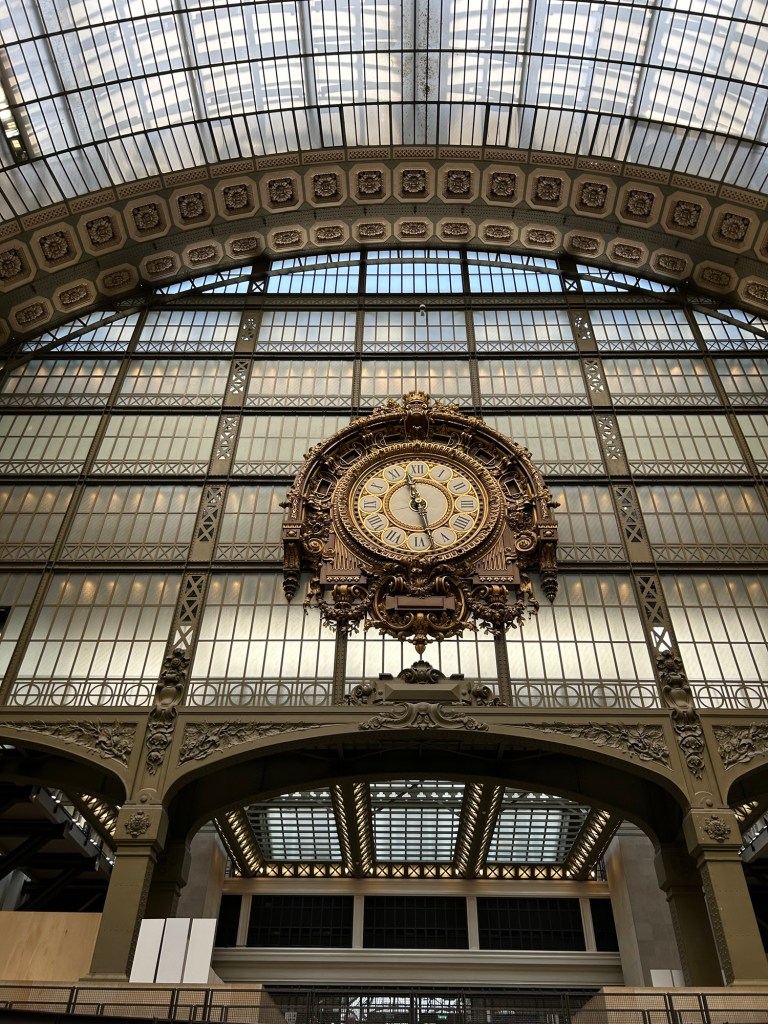
The indoor clock above the entrance
Event the lights are beautiful.

We viewed our fill and then started to wander towards the Louvre. We had no intention of going inside on this trip but thought it would be fun to see what changes had been done to the grounds as a result of the Olympics. They were setting up a stage for Music Week in France so we didn’t get a good sense of how things look now, but the Olympic “flame” is still tethered in the park.

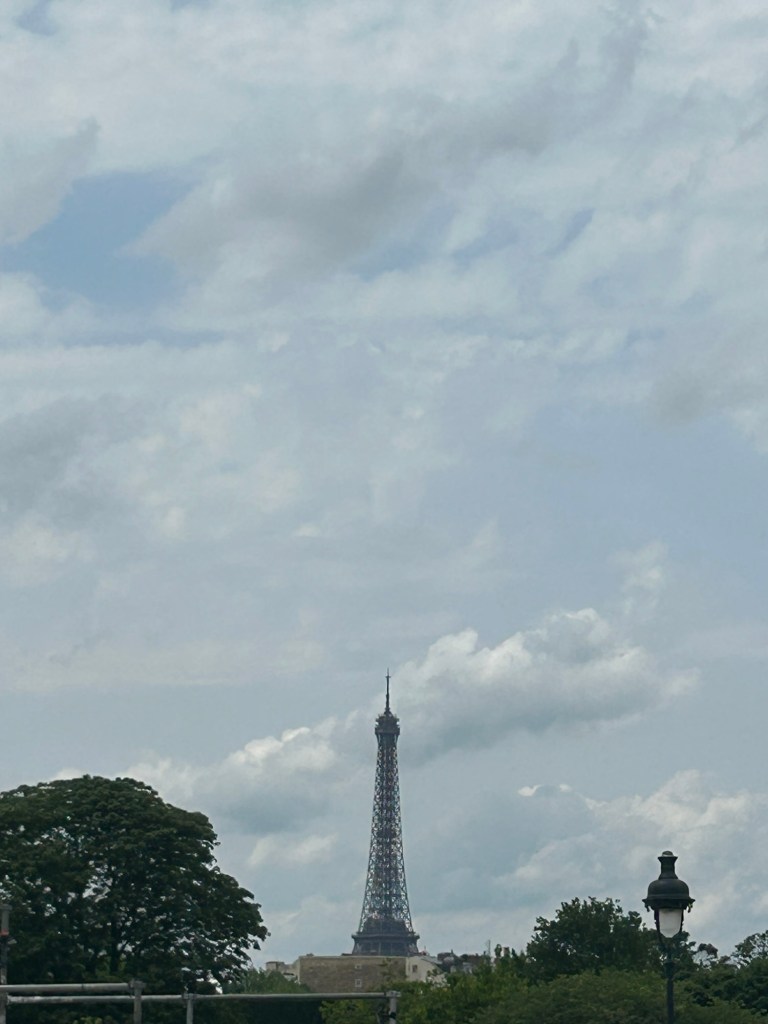
We only got a glimpse of the Eiffel Tower on this trip. So perhaps we will have to come back.

Our homeward journey starts tomorrow.

Paris Day 2

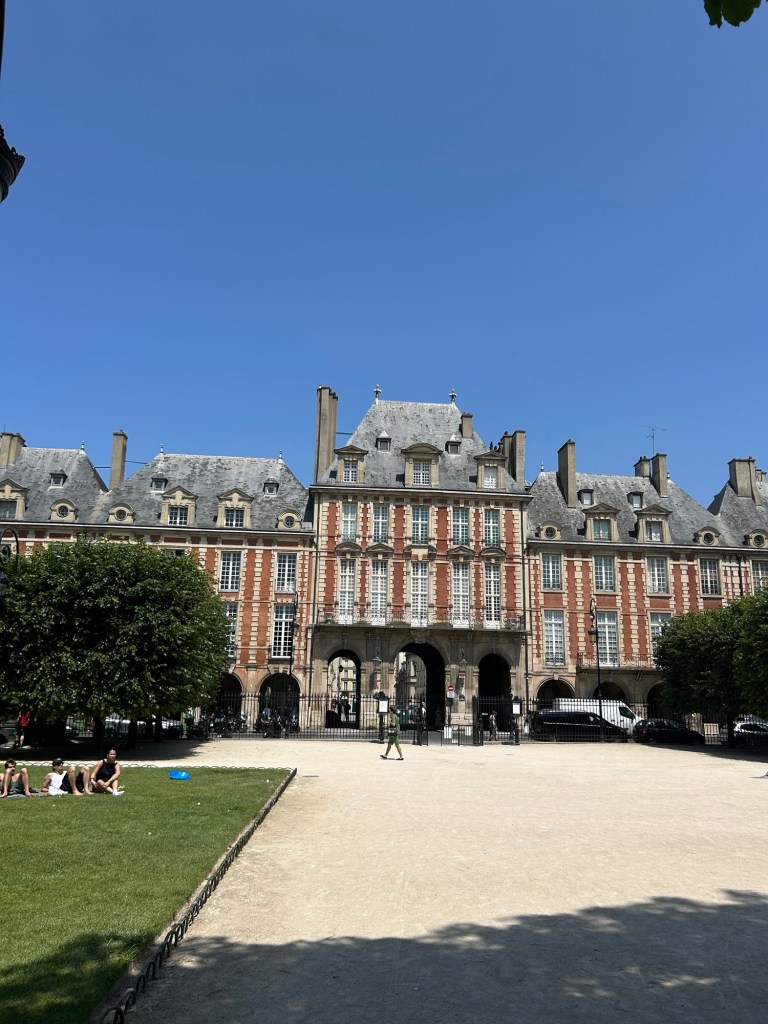
We had a sleepy start to our day. Yesterday wiped us out more than we expected it to so we relaxed with an extra cup of coffee before setting out for Le Marais district. We took the Metro to the Chatelet station and walked the rest of the way to Place Des Vosges.

Place Des Vosges
A courtyard at Place des Vosges

This was the first planned community in Paris and is an enclosed square of homes with a formal garden in the centre (now a park).

The Queen’s house that only one queen (the queen of Spain) ever lived in. It and the King’s house opposite on the square are the only 4 story buildings, the others are all 3 stories.

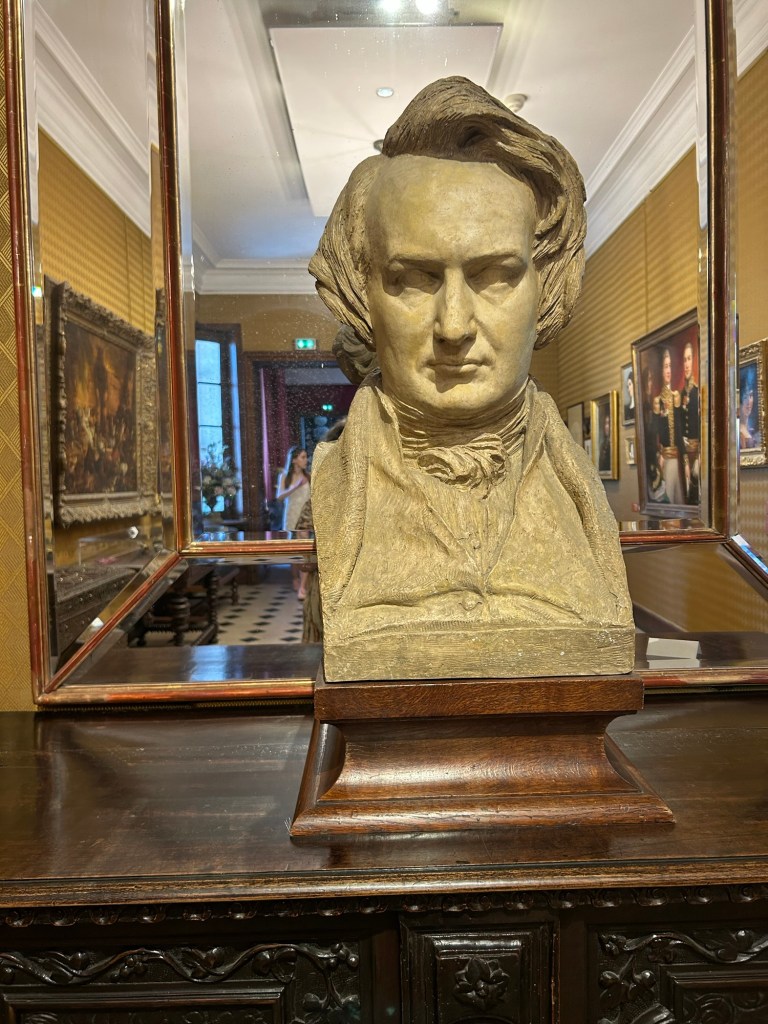
We stopped for a refreshing beer break before getting a look at Victor Hugo’s home, the only home that is open to the public. The City of Paris runs the museum dedicated to Victor Hugo. We enjoyed not only the exhibit, but the free admission.

Victor Hugo
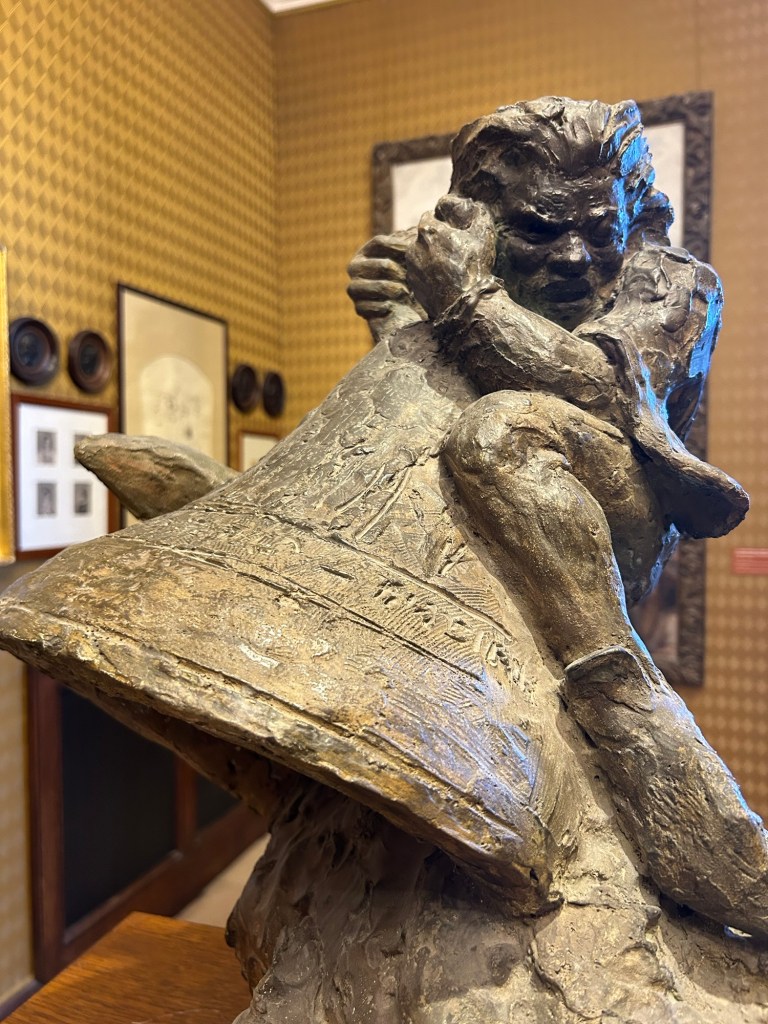
Quasimodo
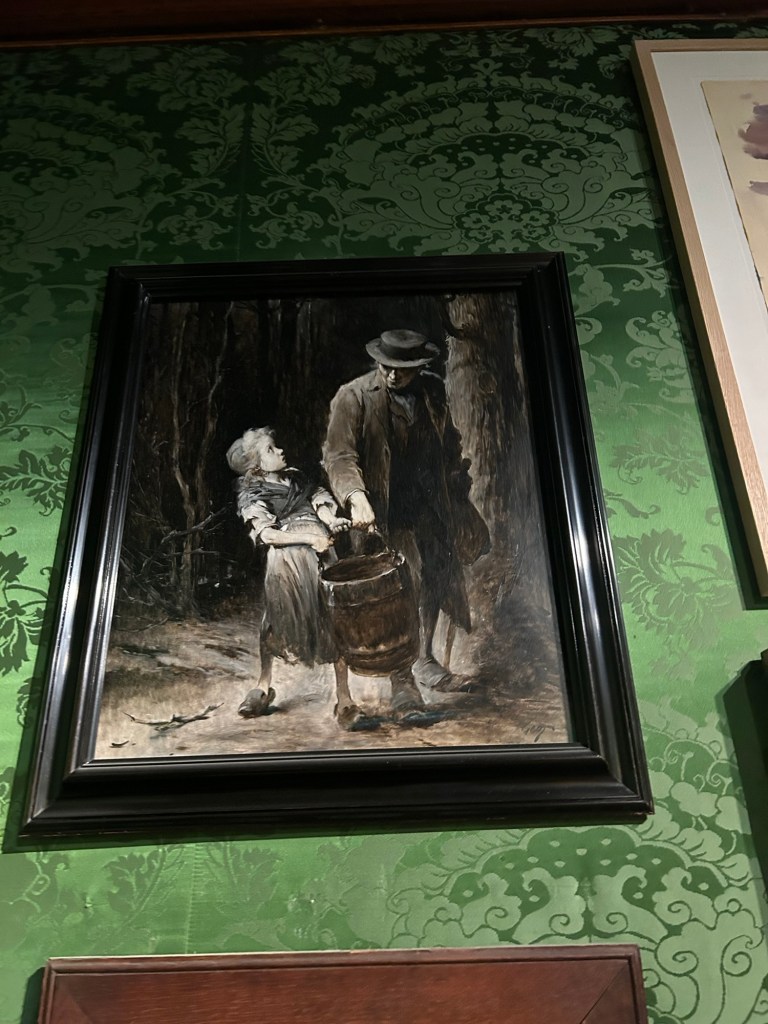
A scene from Les Miserables

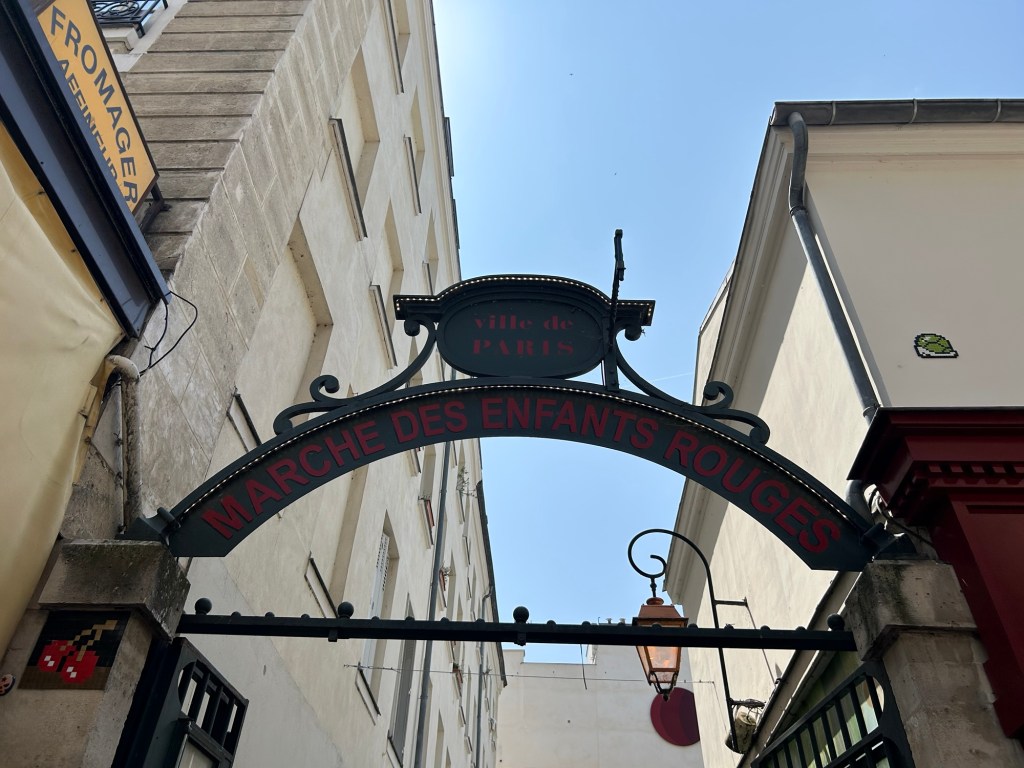
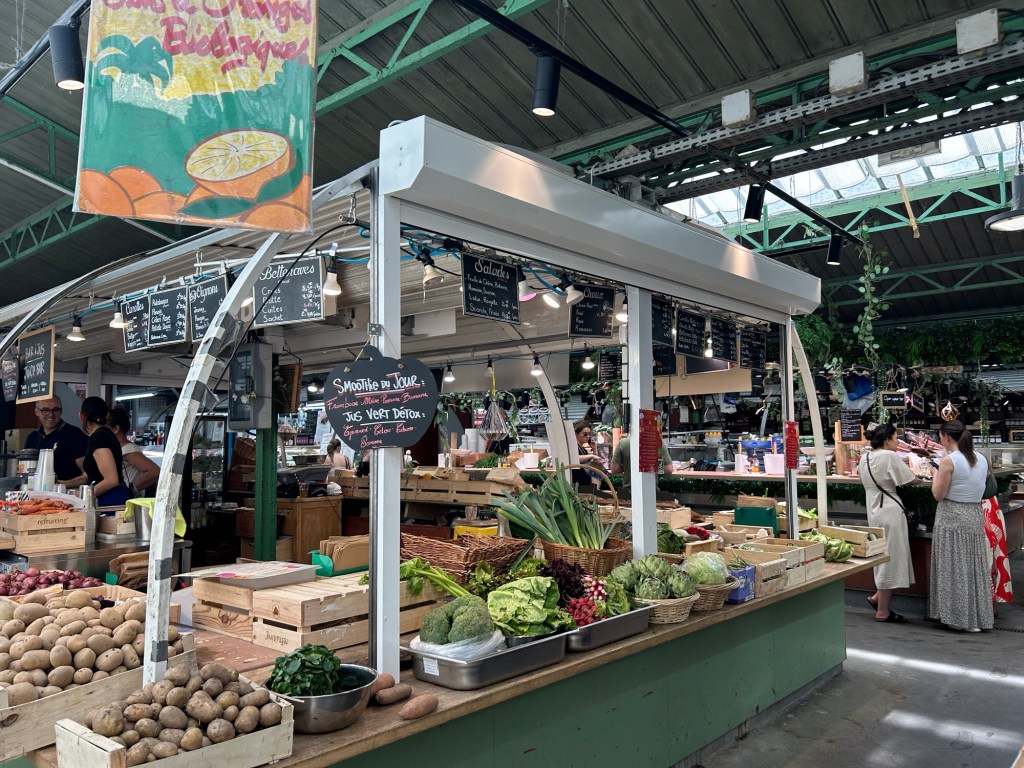
Our next stop was the Marche des Enfants Rouges (market of the red children). It is the oldest covered market in Paris, established in 1615. It is named after a nearby hospice for orphaned children who were typically clad in red uniforms. It is now a cacophony of restaurants serving any type of food you might desire.

Marche des Enfants Rouges
The smoothie station in the market.

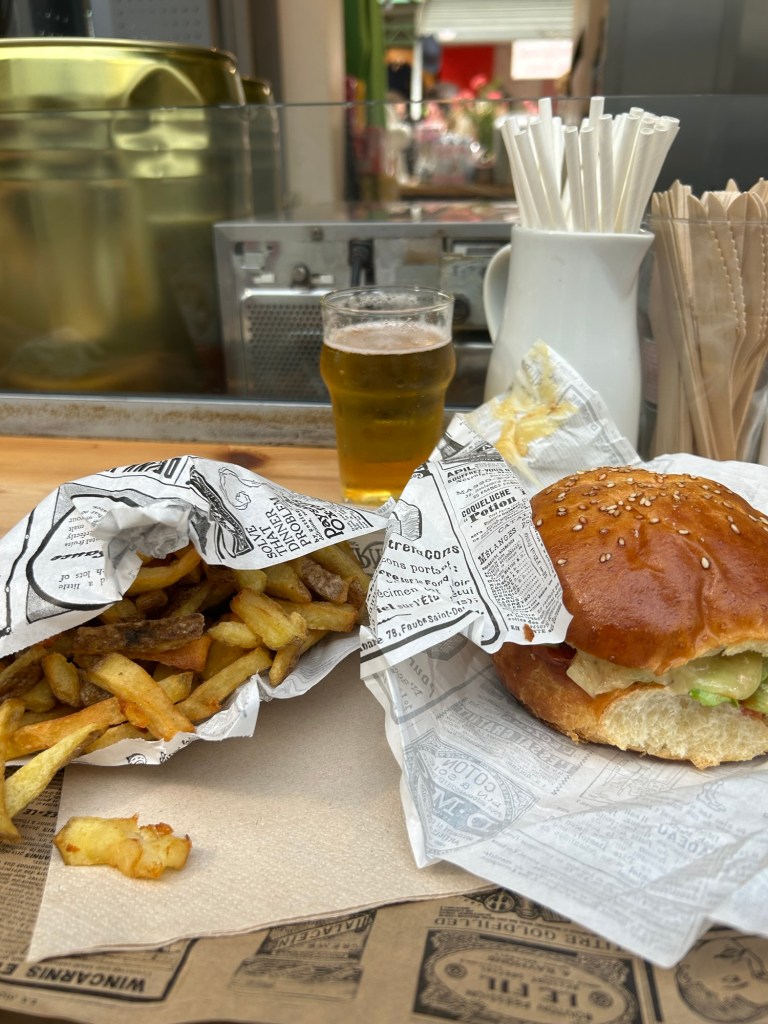
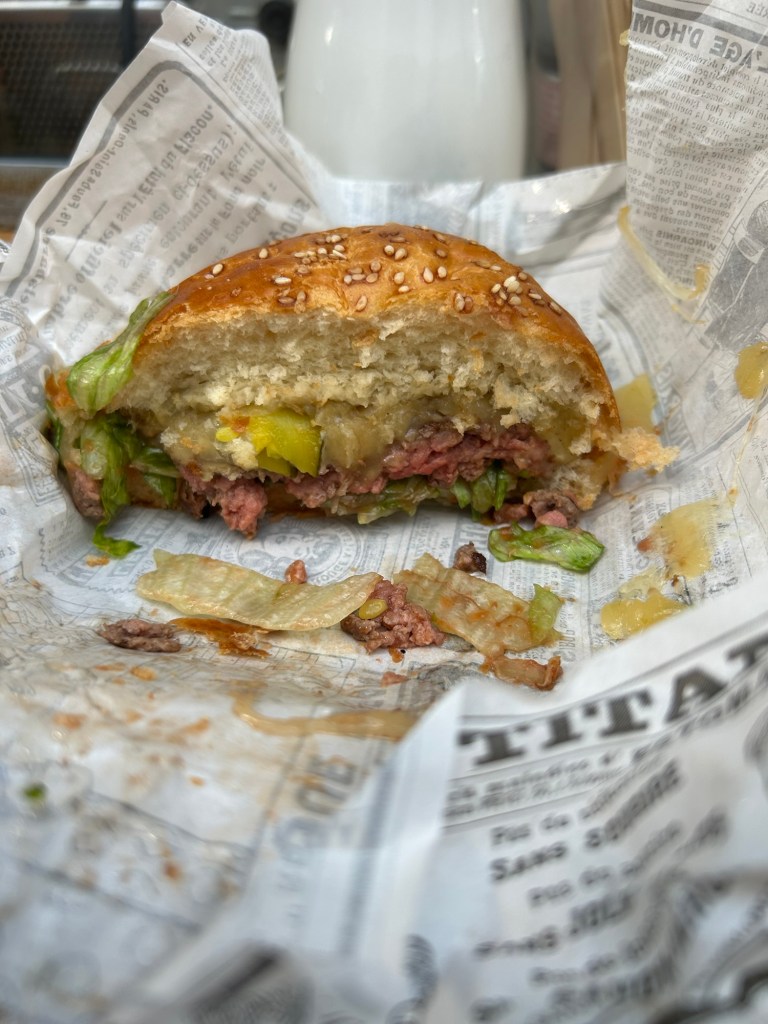
We did the circuit of options a few times before the guys zoned in on the Burger Fermier. OMG was it ever a good choice. The server talked us into the local cheese and the delicious “sauce” (which turned out to be an amazing version of mayo) for the fries. Greg declared it the best burger he has ever eaten. We ordered the burgers done medium. I am sure that no restaurant in Edmonton would be allowed to serve a burger this rare (for shame!)

The largest burger and fries combo ever provided!
Rare but delicious.

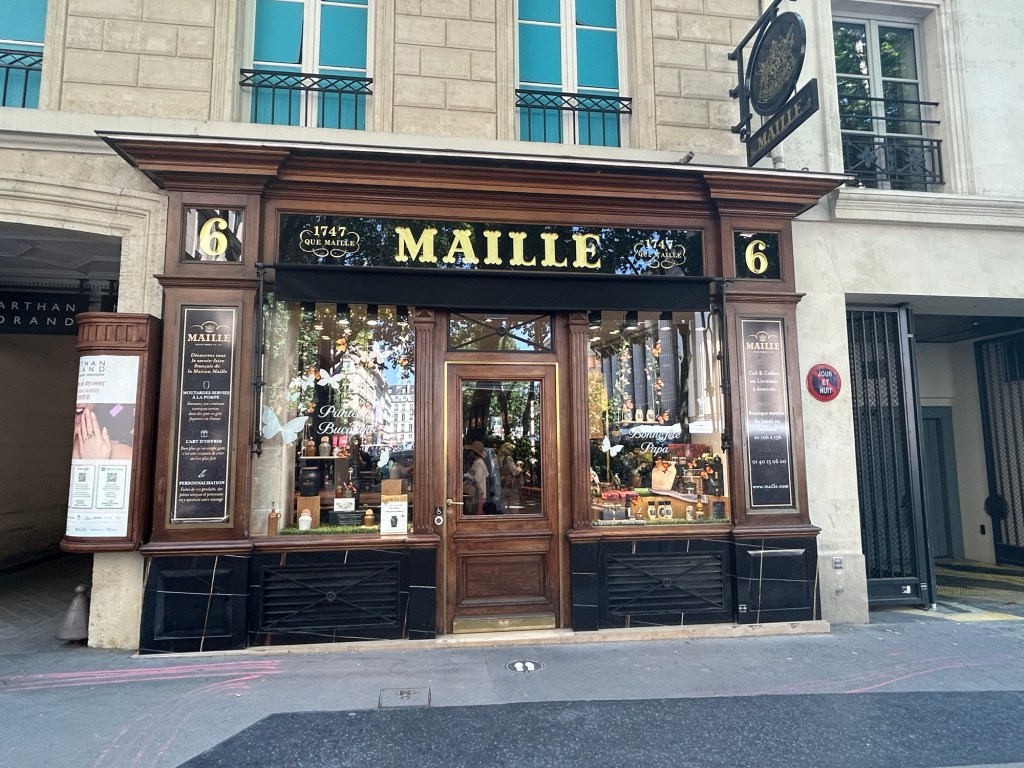
We needed to continue strolling to wear off the lunch time calories, so off we went to find the Maille mustard store. It was a long walk interrupted by a short stop at a pharmacy to buy me some blister bandaids. My feet were swollen from the heat and the straps of my sandals were not my friend. The temperature was in the 30s again today and we were all feeling the impact of the walking and heat combo.

The Maille store became a target following a prompt from Amanda, my culinary buddy in Edmonton. The store was amazing with a huge amount of mustard, pickle and other condiments to taste. It was also hugely busy so we bought a few momentos looked for a place for a happy hour beer.
The mother ship of condiments
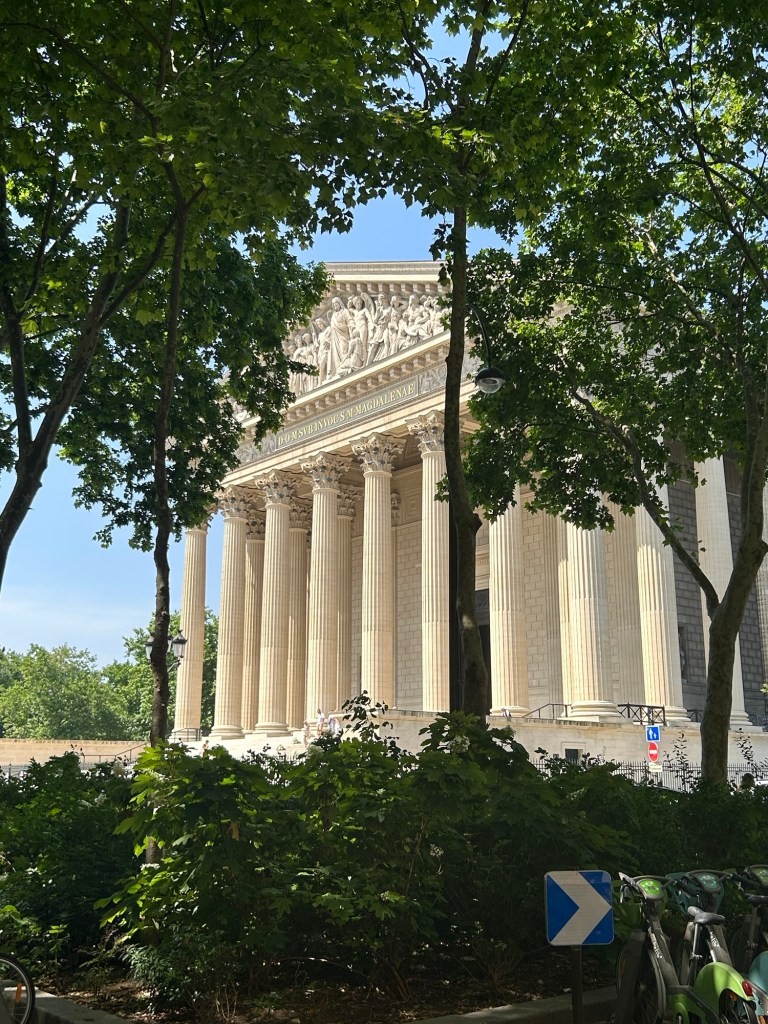
The Church of Sainte-Marie-Madeleine outside the Maille store – a great neighborhood! We were too tired to explore it on the inside but were so impressed!

Our last beer of the day was needed to give us enough of a rest for our weary feet for the final drive to, of all places, St. Lazare Metro Station. You can tell by the look on these two fellows just what the impact of walking 6.7 miles in 30+ degree heat looks like.
Despite vowing to never eat again after our lunch, we started to get hungry. We dined on baguette, roast chicken and veggies on the balcony of our apartment. We have enjoyed eating out for lunch, usually spending 20-30 euro per person for an appetizer, main course and beverage. Our evening meals have typically cost us less than 15 euro for cheese, veggies, a protein of some kind and wine for all three of us. This way of eating has also allowed us to shop like locals.

Tomorrow is our last day in Paris before heading home on Sunday. We have a low key sightseeing day planned before we start packing. We have had a great trip but are ready to go home to the smoke from forest fires, the severe thunderstorm warnings and the new wasp nest in the garage! There is no place like home.

Paris- Day 1

We commuted from the country to the city yesterday. We left our country home early to make the 2.5 hour drive to return our car on time. We were glad we did because we were the victim of a 45 minute delay on the highway – either there was an accident, or as the car rental person opined, it was a manifestation (a protest) by taxi drivers that shut down various roads around Paris.

Driving in Paris is not for the faint of heart and my cousin Greg did a marvellous job of getting us to the car rental at St. Lazare station. What we didn’t know before our drive is that this station is the oldest train station in Paris (built in 1837), one of the 7 main train stations in Paris and the 3rd busiest station in all of France. It is right in the heart of Paris but close to our apartment in the Clichy area. We might have chosen a different drop off point with this knowledge, but hey, who doesn’t want to live dangerously every now and then?
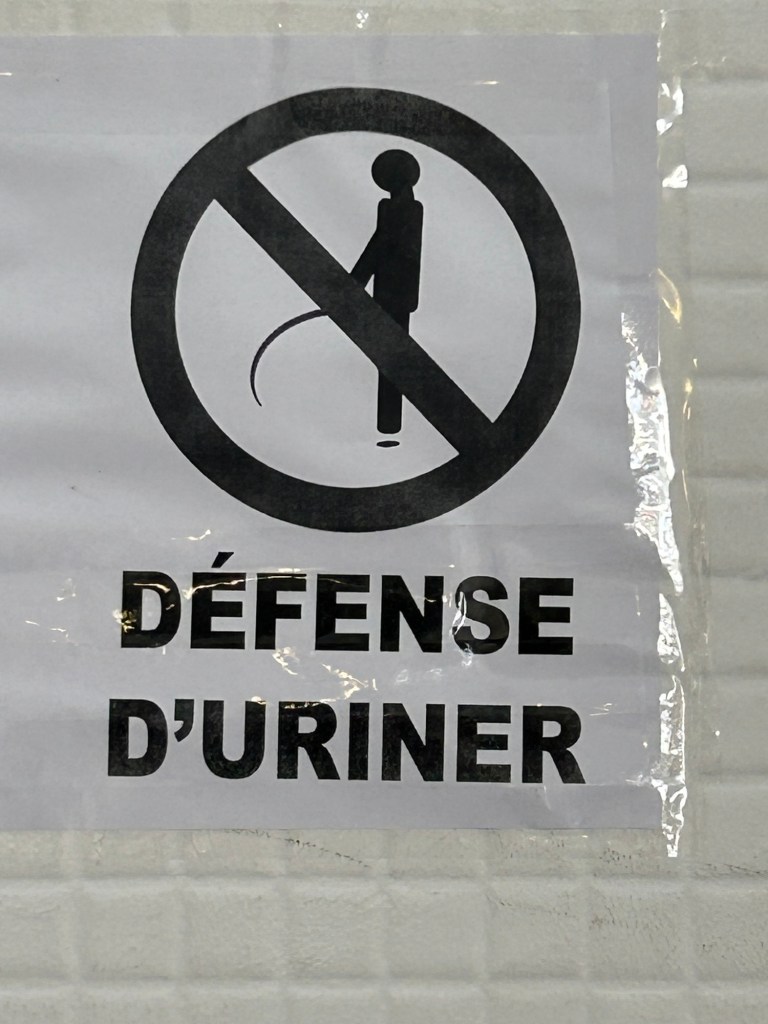
While at the car rental return I noticed a sign I have never seen in Canada.

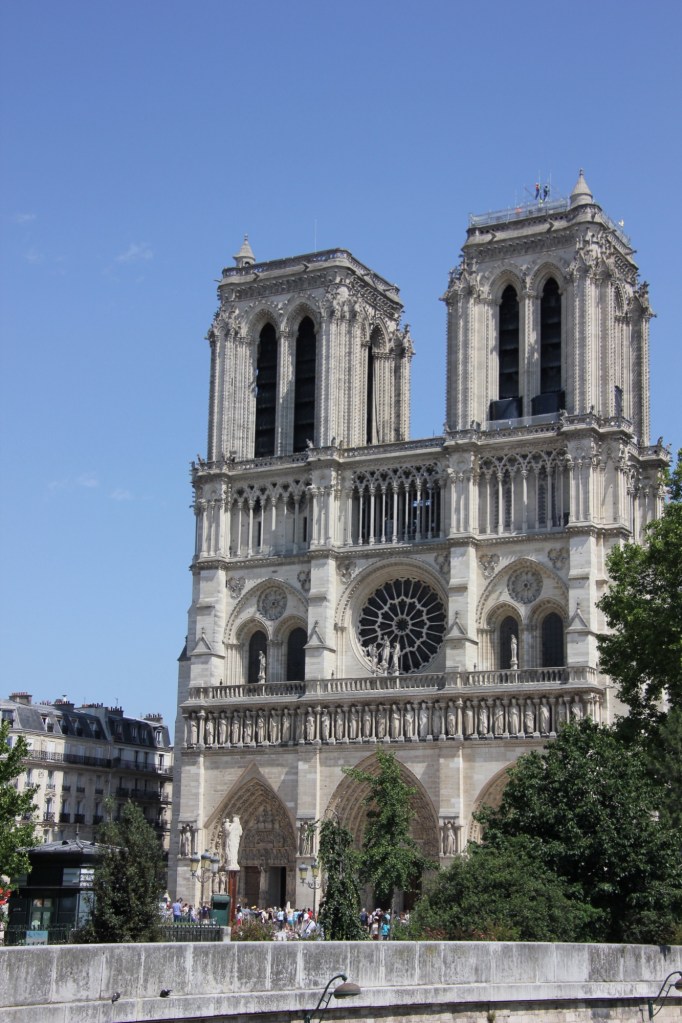
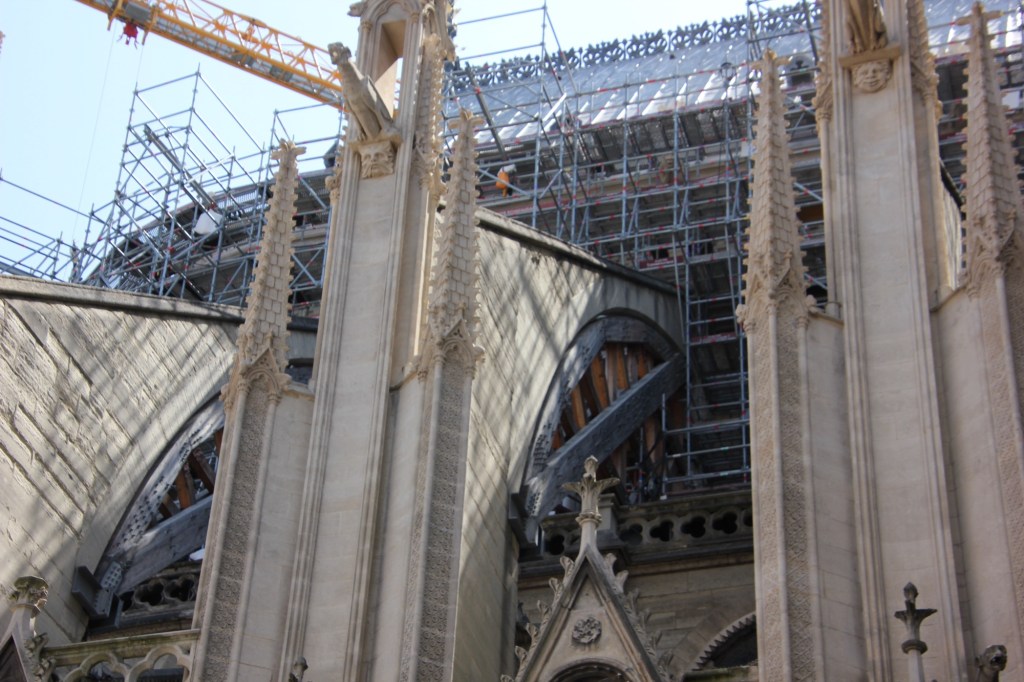
The Clichy district is home to the L’Oréal and Bic companies as well as a hugely residential community. After finding our apartment and depositing our stuff, we quickly found a cafe to restore us. It worked well enough that we decided to venture into Paris proper and do some sightseeing. We knew we would never get into Notre Dame without a reservation but decided to go and take a look anyway. We were correct. The “drop in” line was huge and moving quickly, but it was 32 degrees Celsius so we decided to explore the exterior and check this iconic structure from our list.

Notre Dame
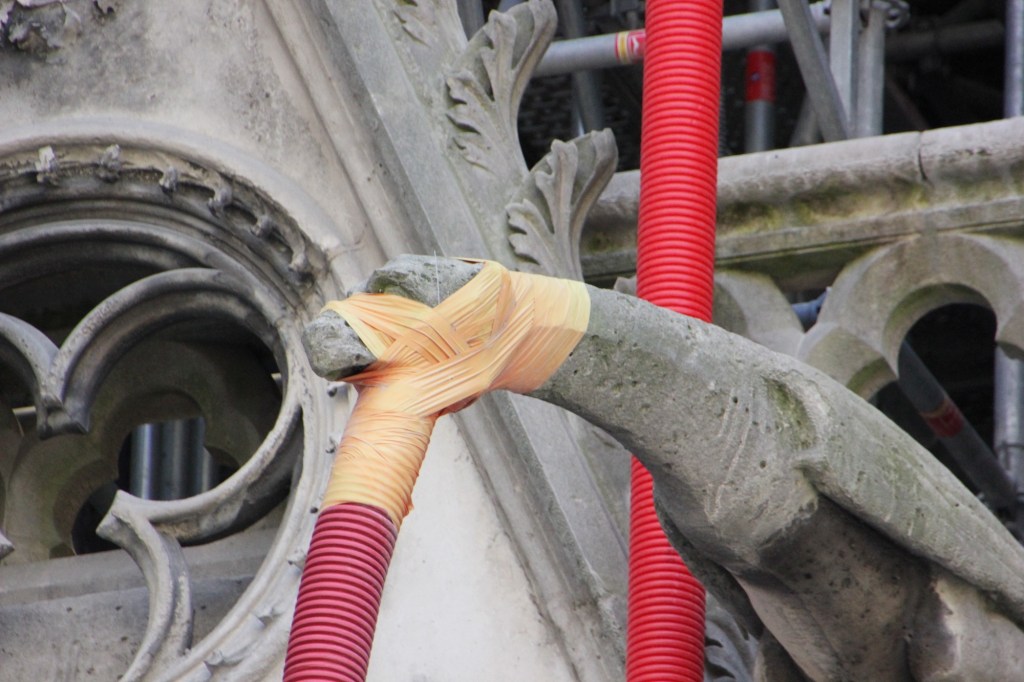
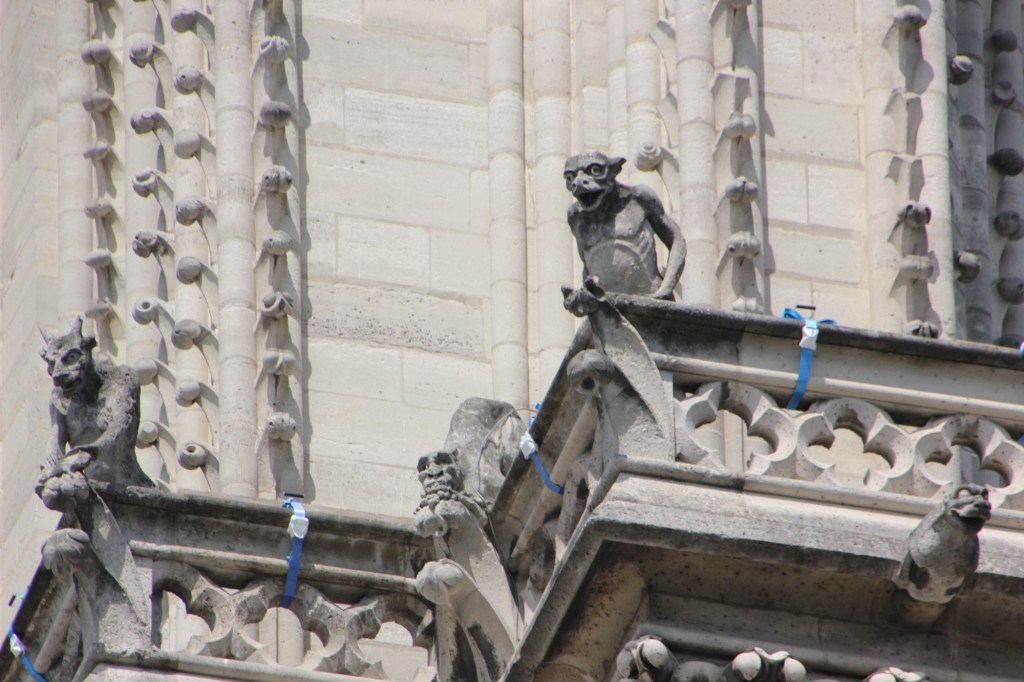
One of the gargoyles that seemed to be getting medical attention.

Despite being a showpiece for the Olympics, there is still a lot to be done and work is ongoing. The parts that have been restored are mainly at the front of the church and inside the main part where the Olympic Festivities took place. There is still obviously years of restoration work to be done.

We enjoyed looking at some of the gargoyles and grotesques around the church. I am not sure if this fellow is quazitmoto but I want to think it is.

Quozimoto?

The famous gargoyles are still in front of the church, spouting water off the roof as they were intended to do.

We were hot and tired and considered it a good idea to explore the archeological museum of Paris that is located below the cathedral. It was cooler but either we were really tired or it was a really boring museum so we didn’t linger. We made our way back to our apartment, mastering how to buy tickets to the Metro/RER system. We stopped at the bakery next to our apartment for baguettes and then the grocery store across the street for wine and finished our day with a wonderful cold dinner of ham, veggies and cheese – oh and butter, the French butter is fantastic. I could eat it like cheese, and I did.

Our final day in Normandy

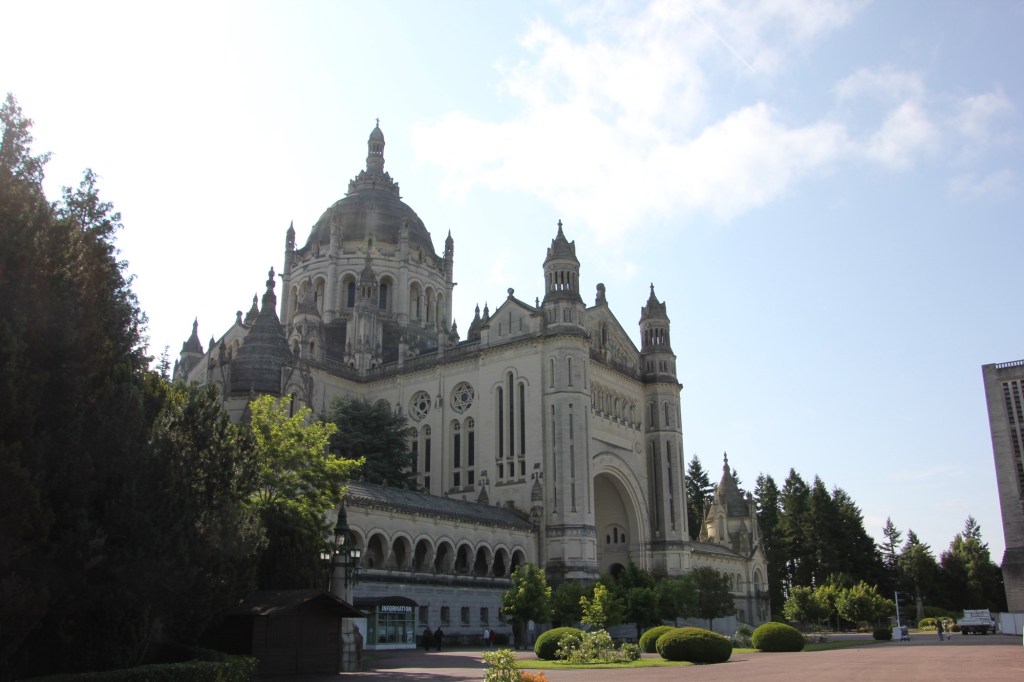
We had originally planned a day at Monet’s home of Giverny. We changed our minds when we realized it was closer to Paris than we expected. So we shifted our gears and went to the Basilica of Lisieux . It was incredible!

The Basilica of Saint Therese

The Basilica was constructed in 1929 and consecrated in 1954. It houses the relics of St. Therese, a Carmelite nun also known as the little flower of Jesus. She is a sub-patron saint of France, Mary is the formal patron saint. She is also the patrons saint of missionaries, florists, pilots and priests. Therese became a cloistered nun at age 15 in Lisieux. Before she died of tuberculosis at the age of 24, she wrote a book called The Story of a Soul which described her theology. She is one of four women who have been declared “Doctors of the Church” by a pope. She became hugely popular for her holiness and was beatified and canonized within 28 years of her death. This basilica is the second most popular place of pilgrimage in France after Lourdes.

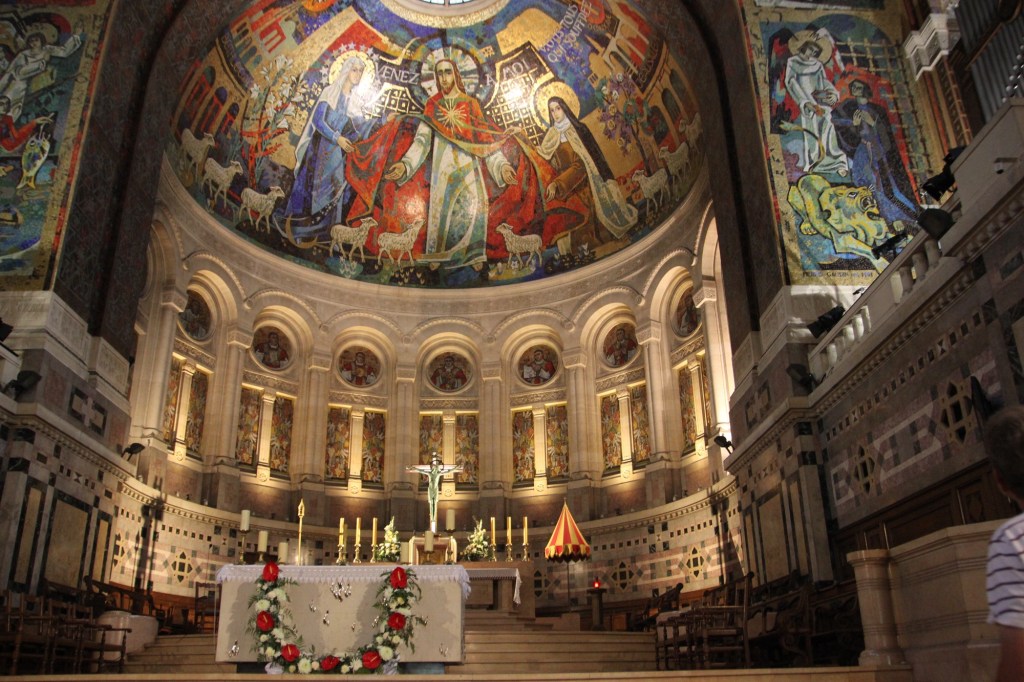
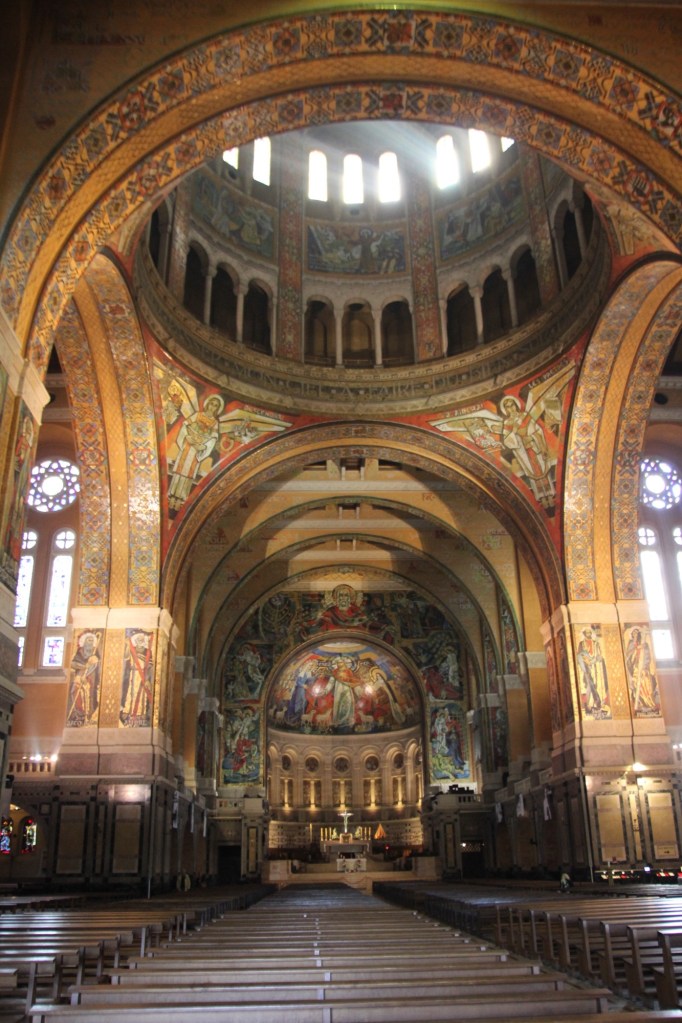
Inside the Dome
The Canadian Chapel

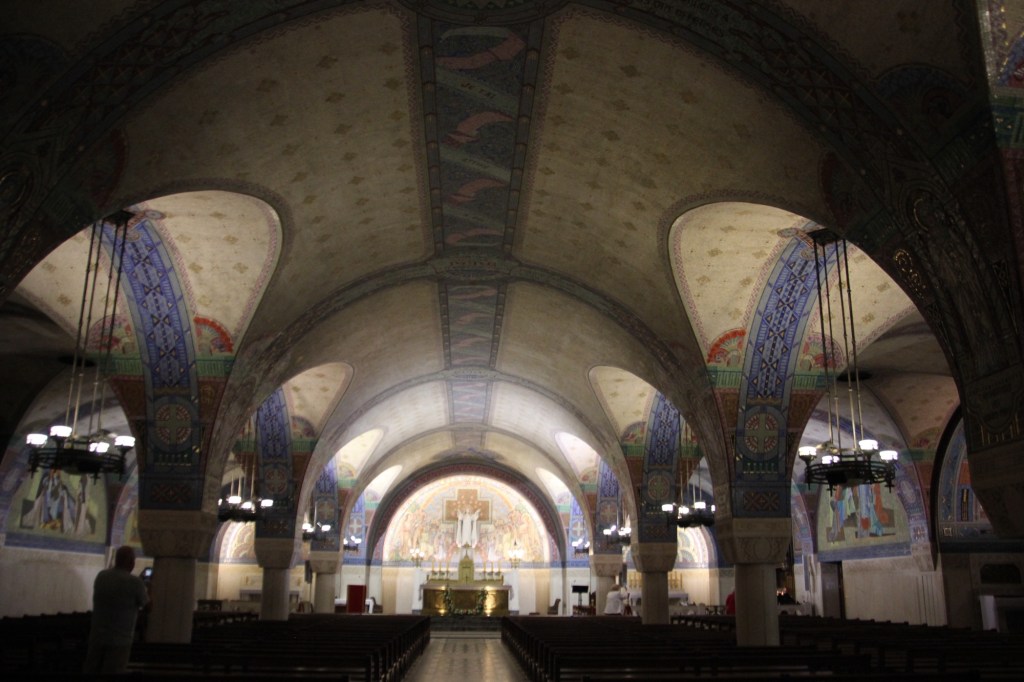
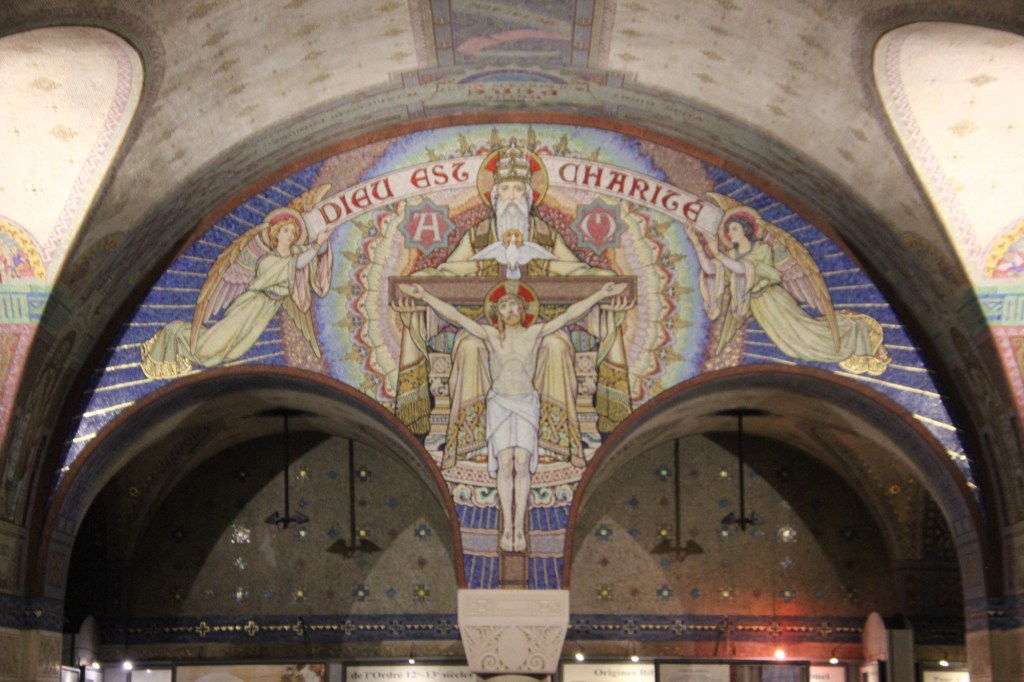
Amazing mosaics

The building’s interior is stunningly beautiful. It was built with donations from faithful Catholics around the world.

During WWII 2/3 of Lisieux was heavily bombed after D-Day. People sought safety in the crypts for days while the bombing and shelling hit. Some of the upper Basilica was damaged but the crypts held and the people hiding there were saved.

The Crypts
The Crypts

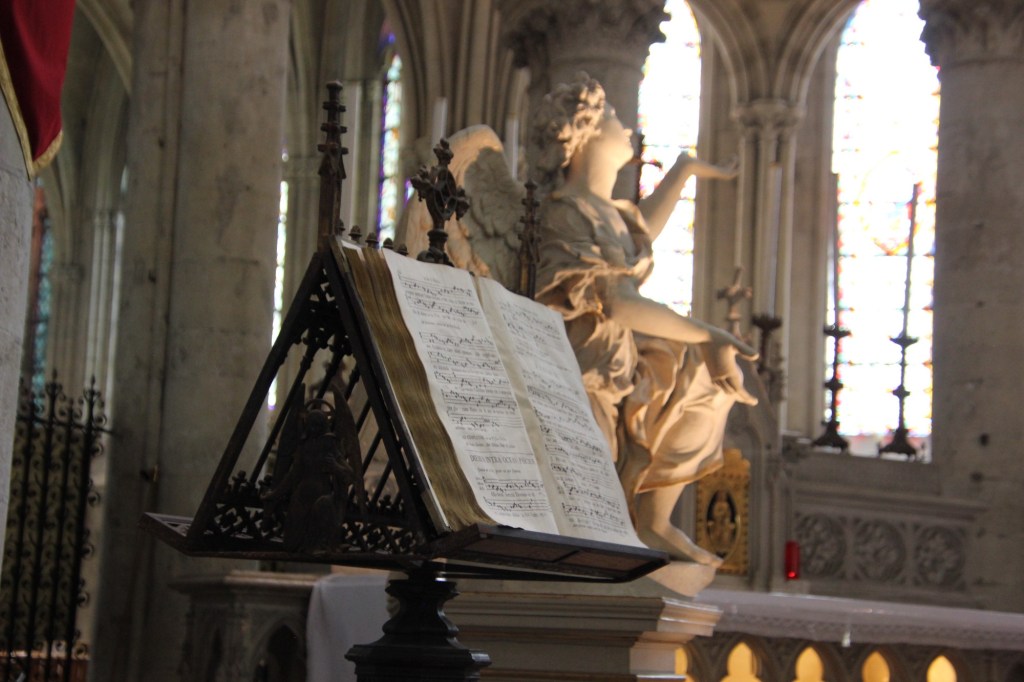
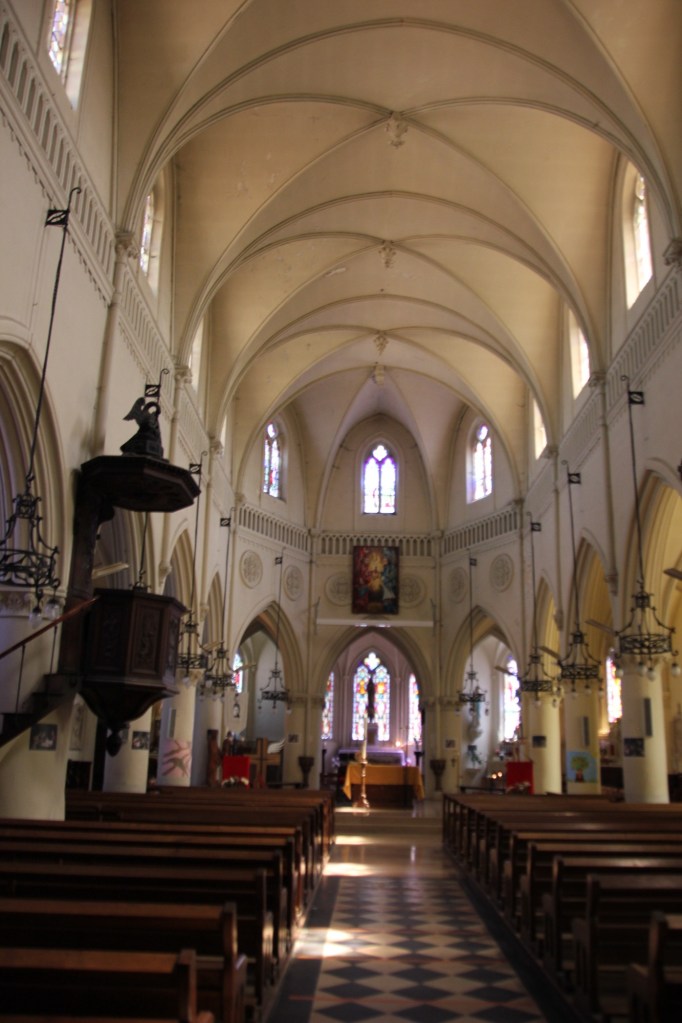
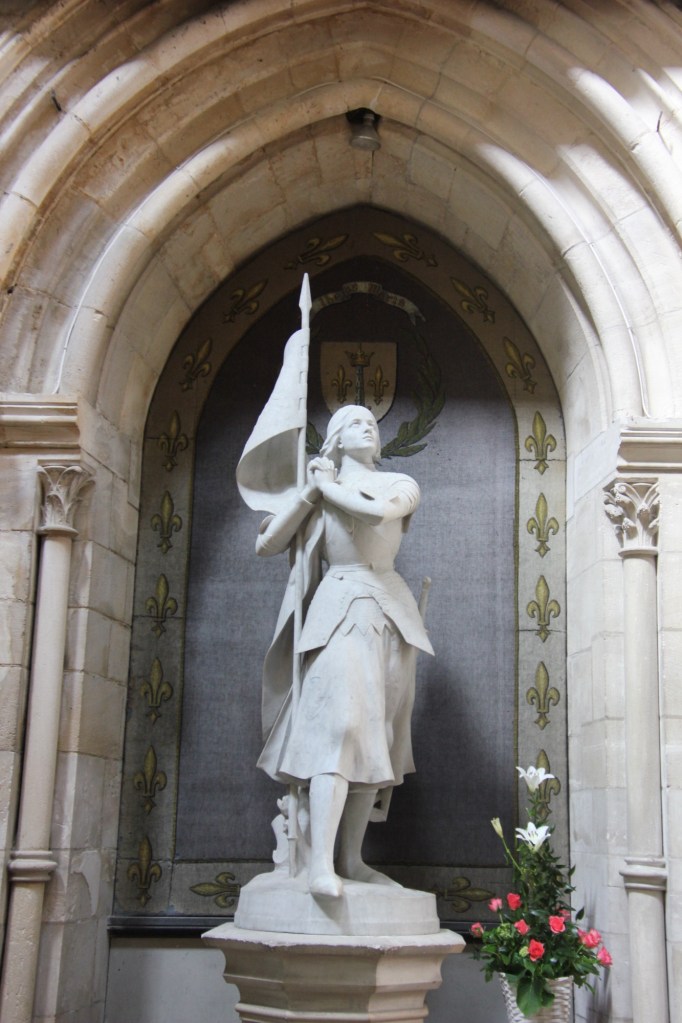
We left the Basilica and shifted to St. Peter’s Cathedral in downtown Lisieux. This is where St. Therese attended mass daily. It originated as early as the 6th but for sure by the 12th Century and was finally completed in the 18th Century. Pierre Cauchon, a Catholic bishop, who was appointed the judge of the trial of Joan of Arc is buried here. He was pro-British in the 100 years war and he played a key role in making sure she was burned at the stake in 1431. Despite its grisly history, the building is beautiful.

Joan of Arc
St. Peter’s Cathedral

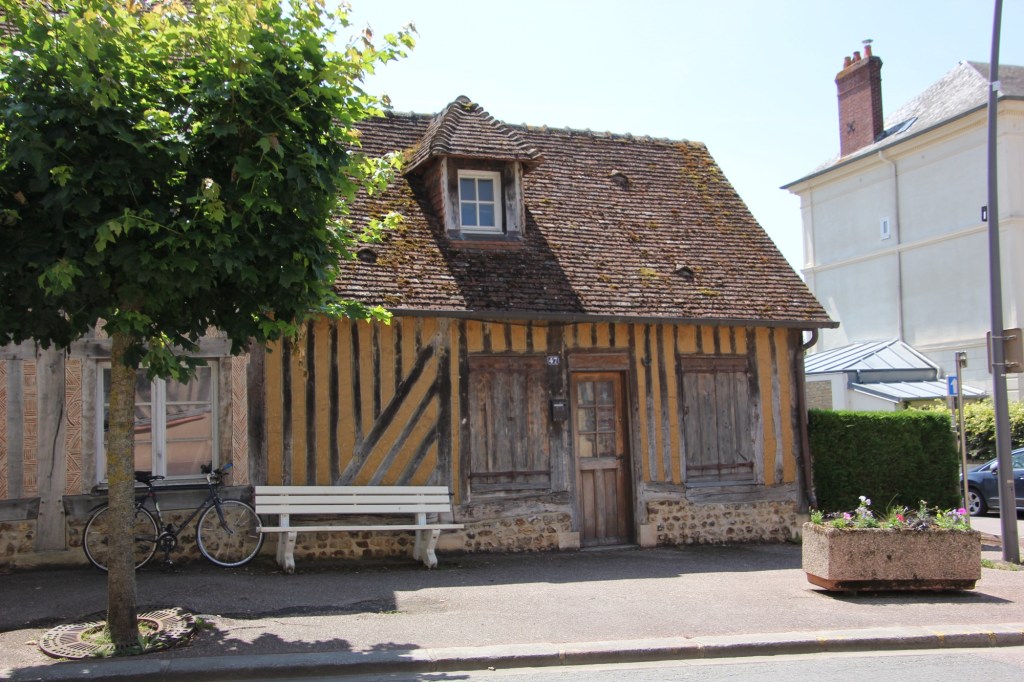
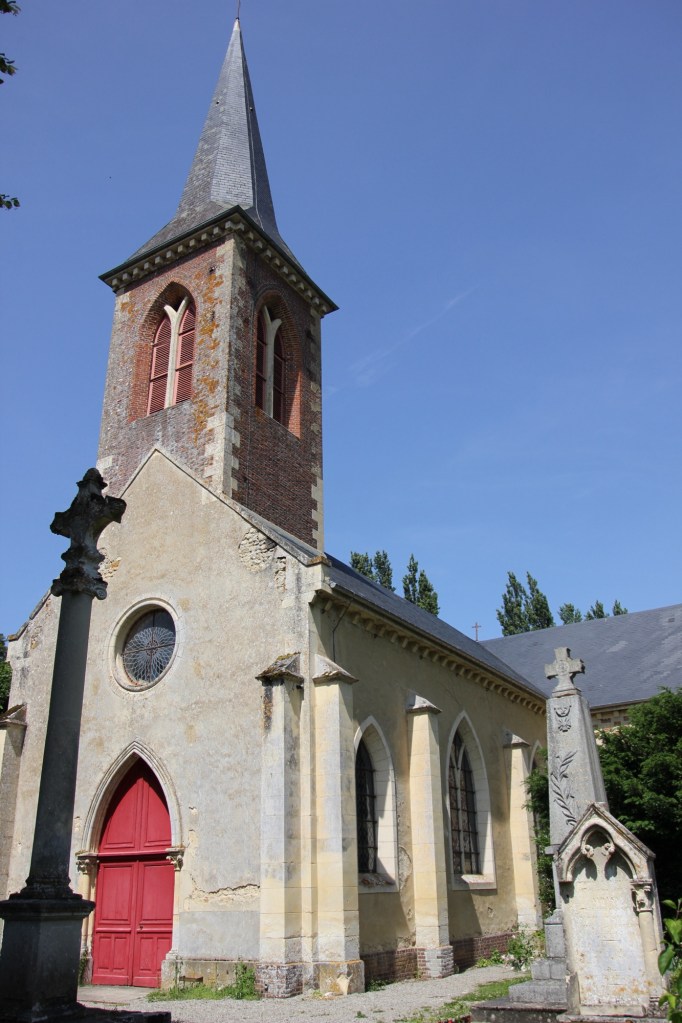
We stopped for lunch in Livarot with the idea of going to a cheese tasting at a local farm. However, after a hearty meal, that seemed unwise so we took a bit of a stroll in that town ending up at our third church of the day. Livarot is a quaint village with many medieval buildings on the main road. The church was small, in poor repair, but trying hard to stay current.

Near the church
Livarot church
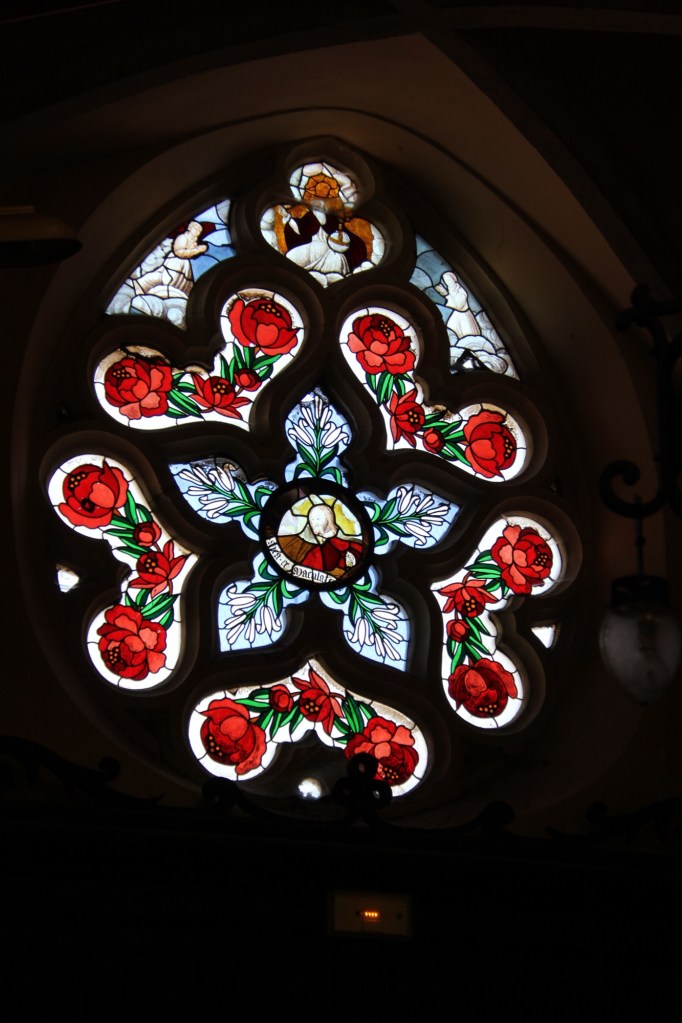
Church window in Livarot

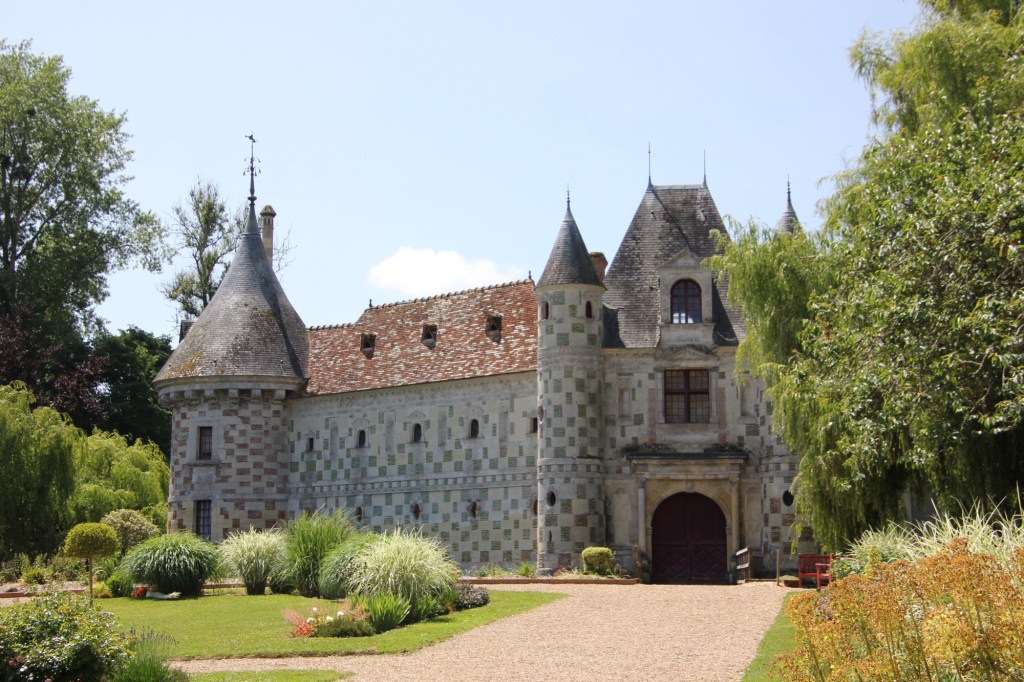
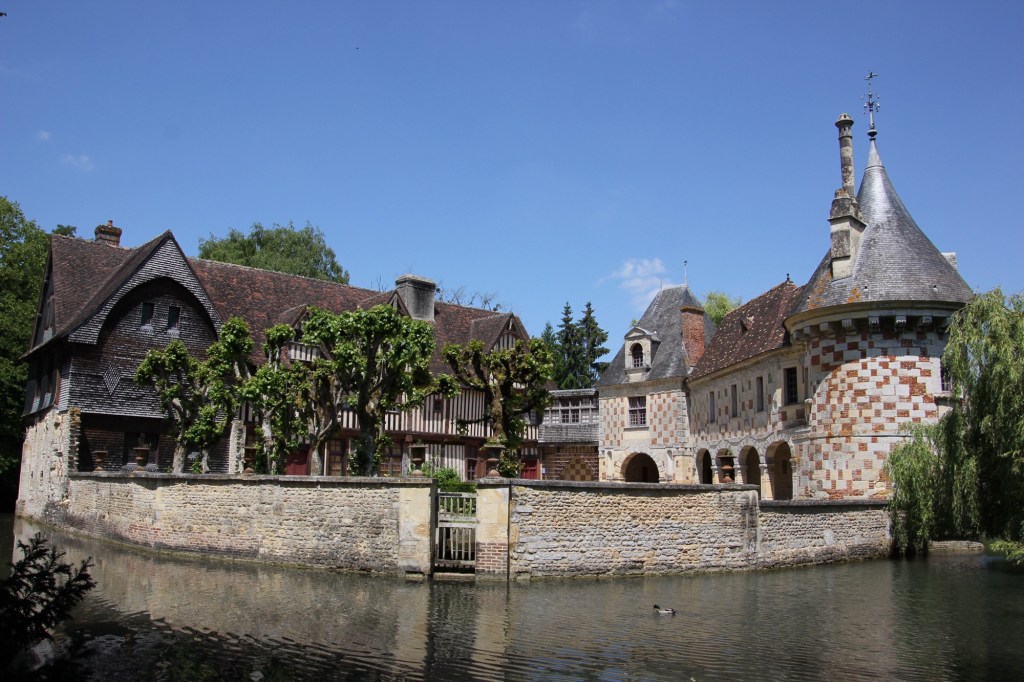
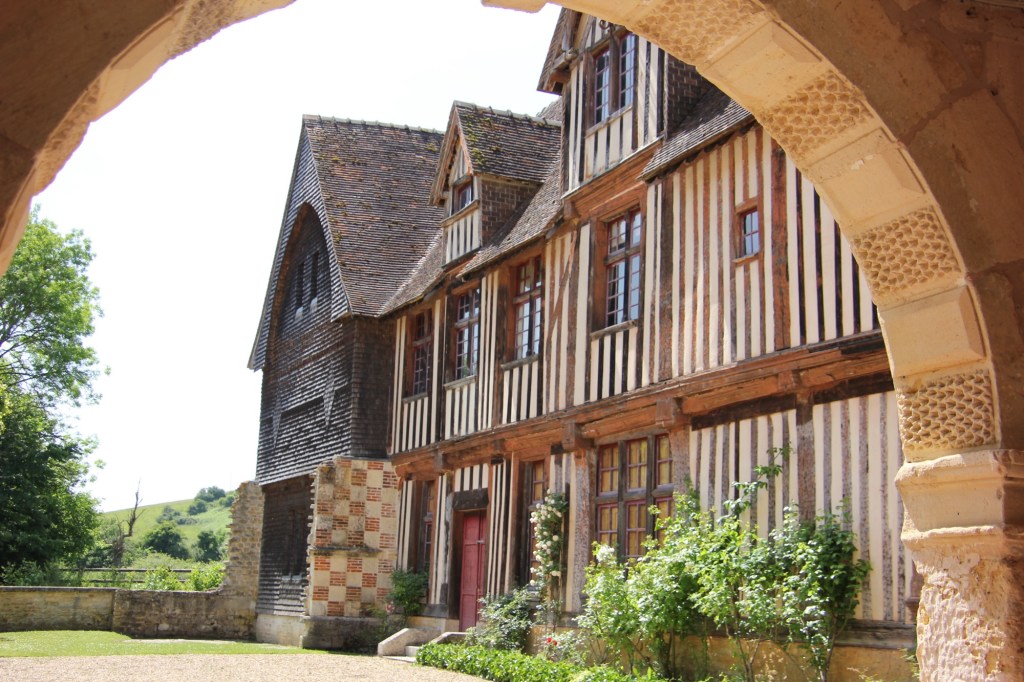
Our final stop of the day was at the Chateau Saint0Germain de Livet. This castle was stunning. The admission was free and included a guided English tour.

Chateau St. Germain de Livet
The inner courtyard

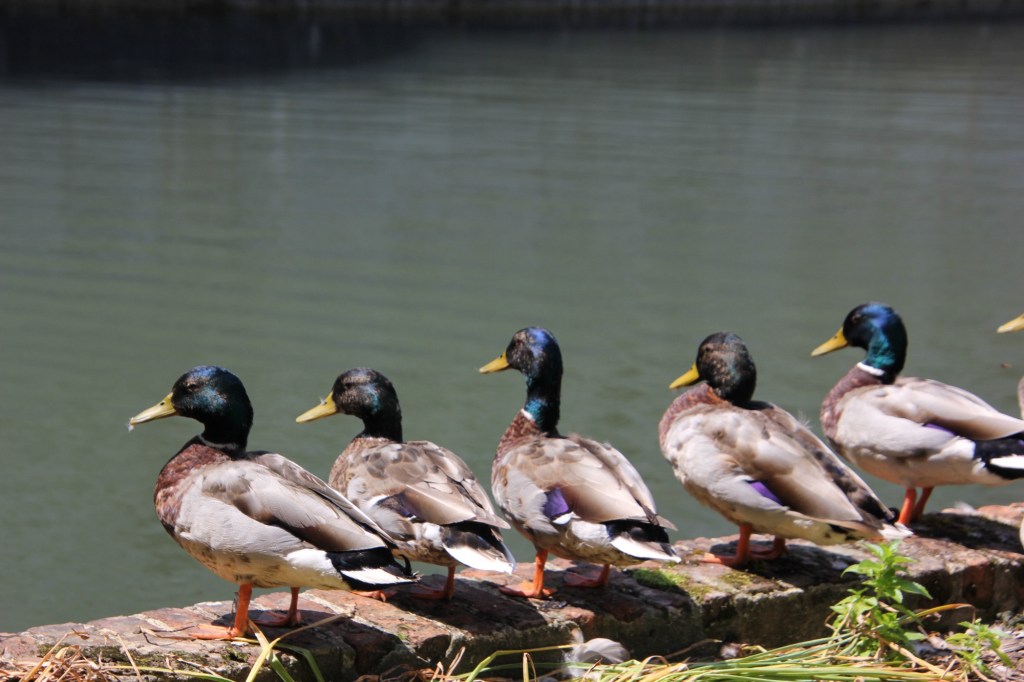
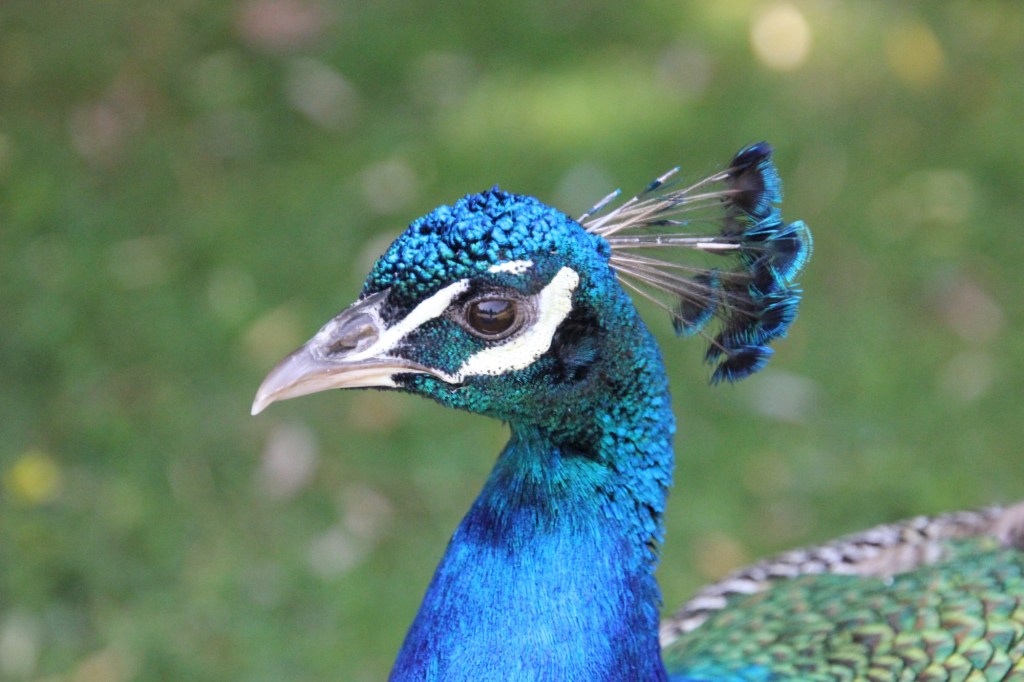
We had to wait for the tour so we toured the lovely gardens and watched the ducks and tame peacocks for an hour.

My ducks were in a row today!

The tour guide was fun as we tested my ability to translate specific French words into English. We had fun.

The oldest part of the castle, from the 15th C, built upon an older castle’s foundations
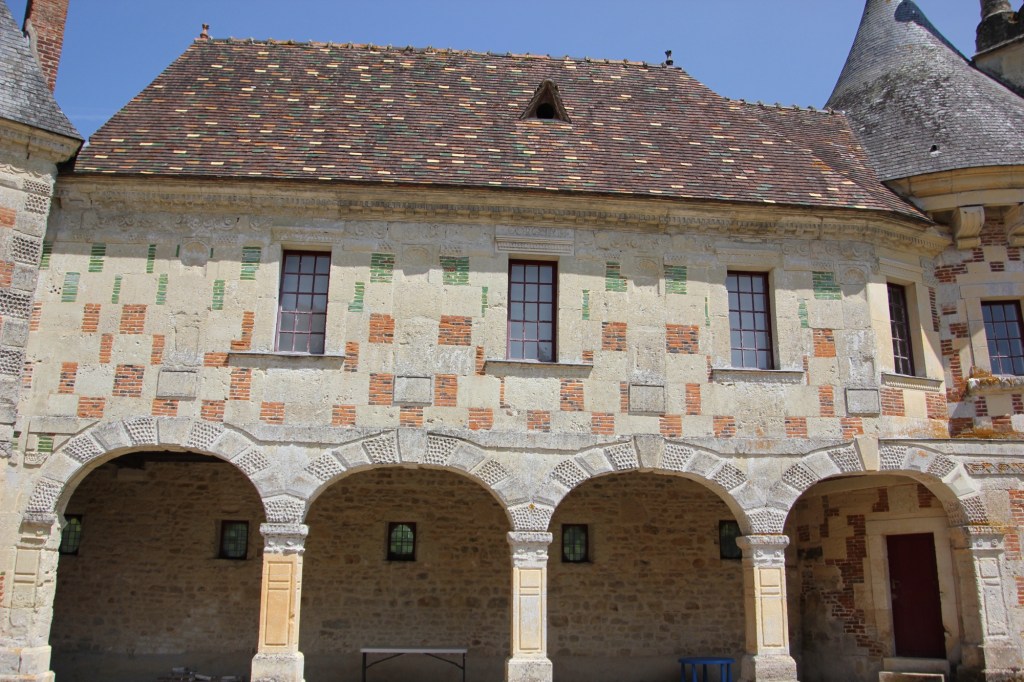
The stone part of the castle from the 16thC with green glazed “look at me, I’m rich” tiles.
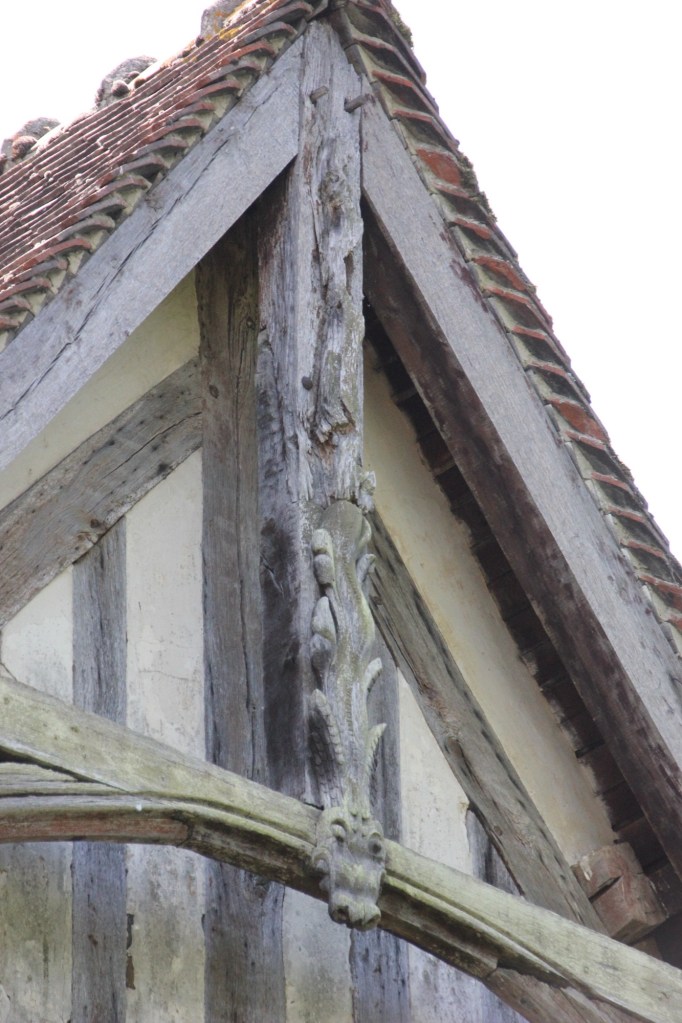
A salamander to protect the wooden structure
Across the road from the castle, our final church of the day. We didn’t go inside, but wandered the 19th C graveyard.

We are now back at our digs for our last night in St. Ouen Le Pin. It has been lovely.

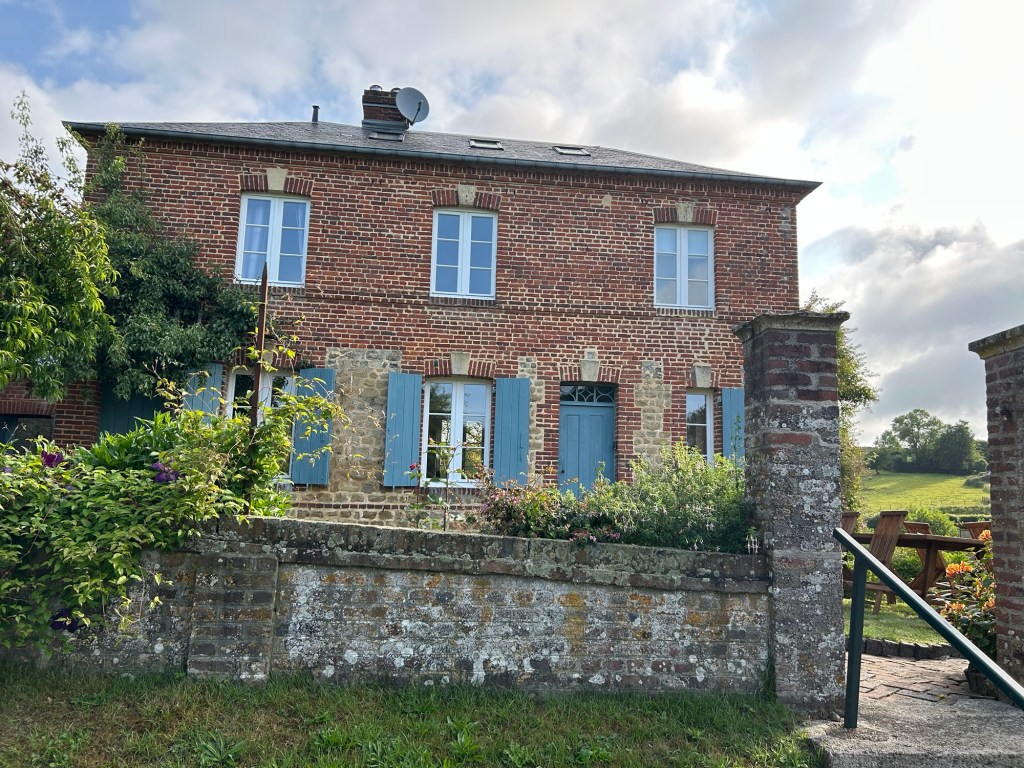
Our home for the past 5 nights
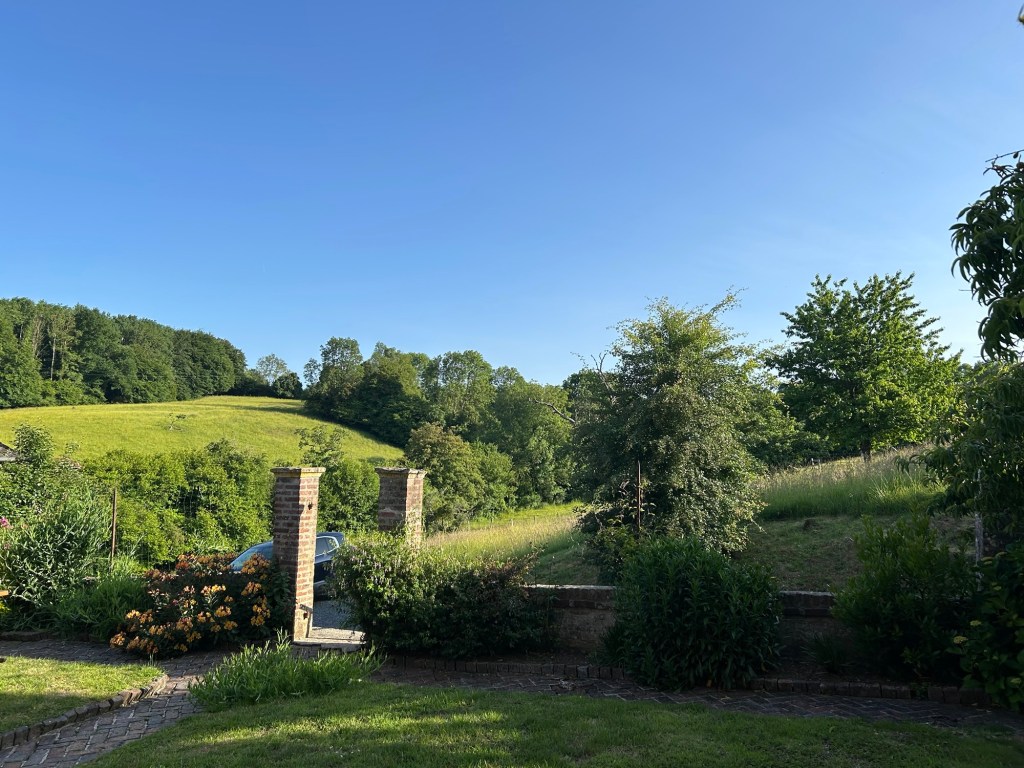
Our view
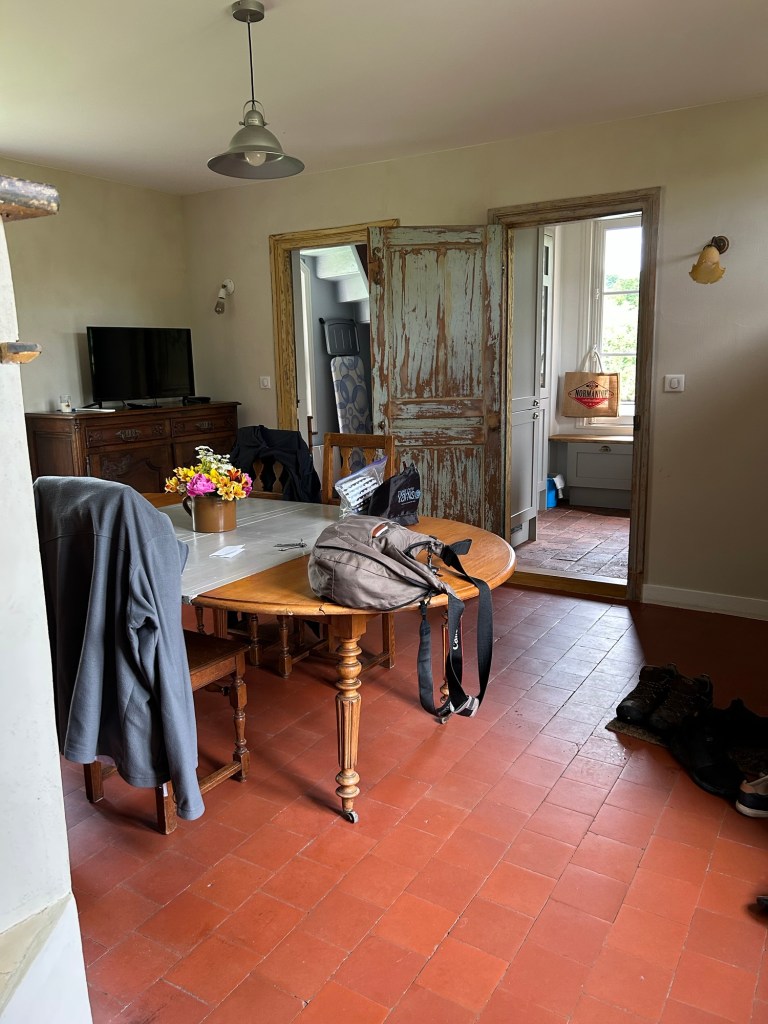
Our dining room

Tomorrow we head out early for Paris. We are hoping to have our car back by 11 and then we head to our last VRBO in the 17th Arrondissement of Paris by 1pm. We have a few fairly unstructured days in Paris before heading home Sunday.

Falaise and Calvados

I have enjoyed starting the day with a wonderfully flaky pastry. I am sure however, that this habit will not cross the ocean with me.

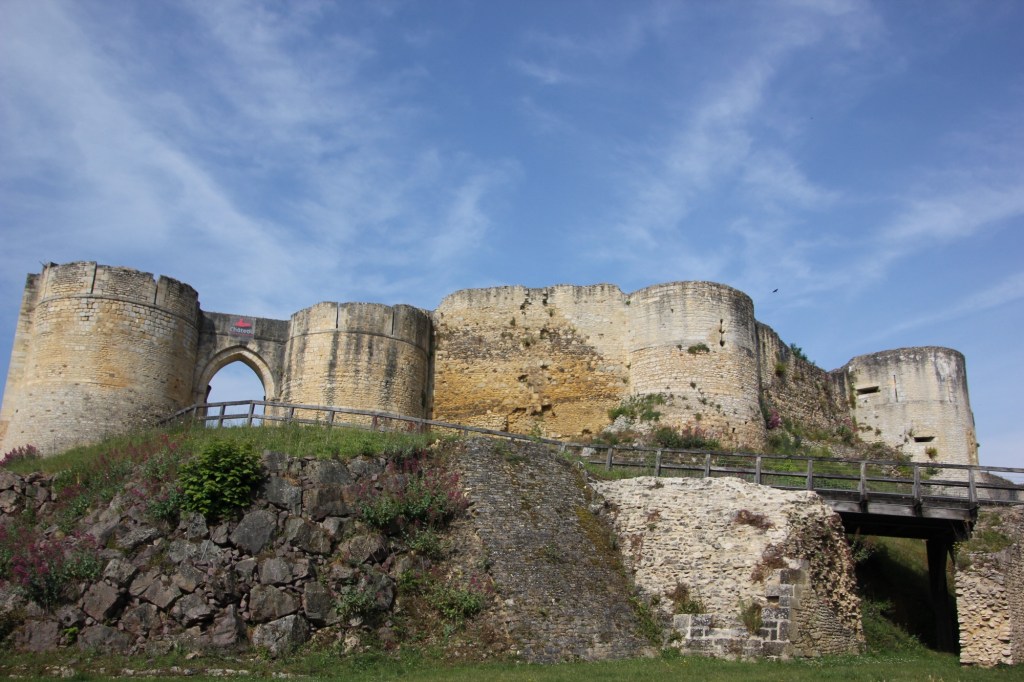
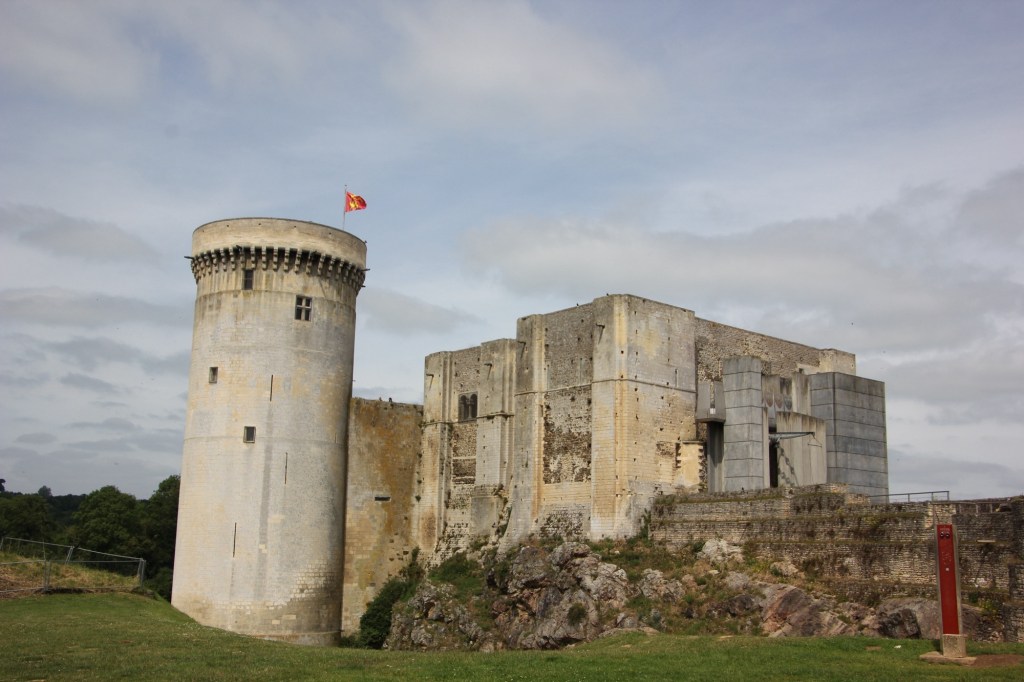
We arrived at the Chateau Falaise just after it opened. This is where William the Conqueror was born and raised.

There were story boards by the parking lot describing how Falaise was liberated in 1945 as part of Operation Overlord. D-Day was June 6 and the plan had been to have Falaise free by June 10. It took until August 9th for the Canadians (i.e., South Saskatchewan Regiment, The Queen’s Own Cameron Highlanders of Canada and the Fusiliers Mont-Royal) to finally gain control of Falaise. I have learned a great deal about WWII and its impact on the French. The pictures of the devastation inflicted at the time doesn’t match what has been rebuilt and it is hard to not think about what has been overcome. This said, we were about to walk into a castle that has withstood at least 5 sieges over the centuries and German occupation in more recent history. War has been a part of history for millennium and we haven’t learned to avoid it yet.

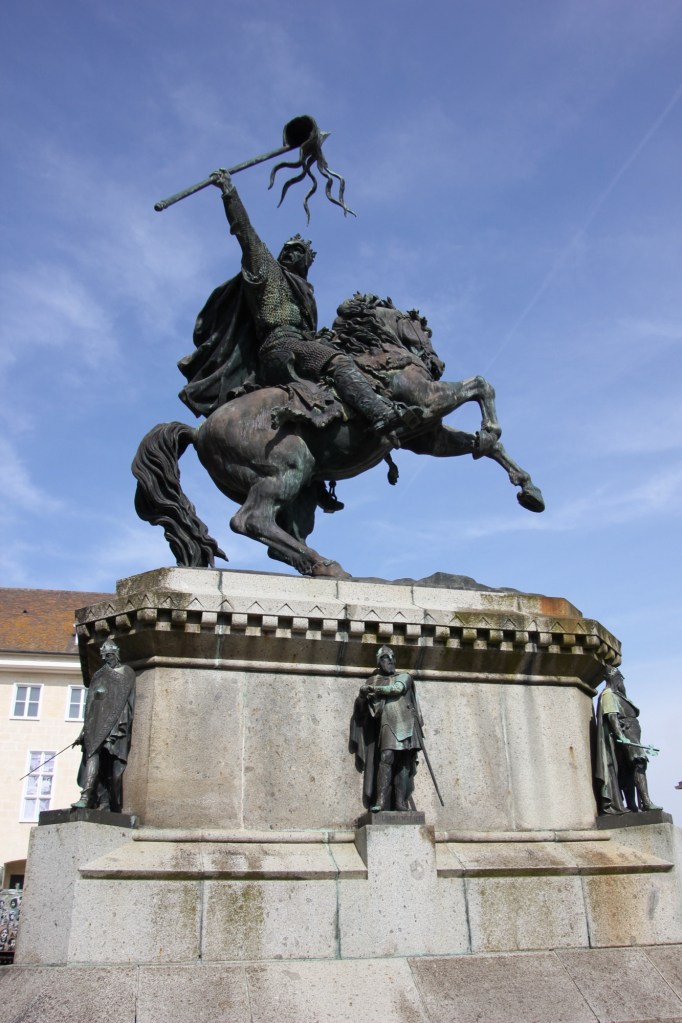
Our next stop was at the statue dedicated to William the Conqueror in the town square. It was impressive.

William the Conqueror with 6 of his knights

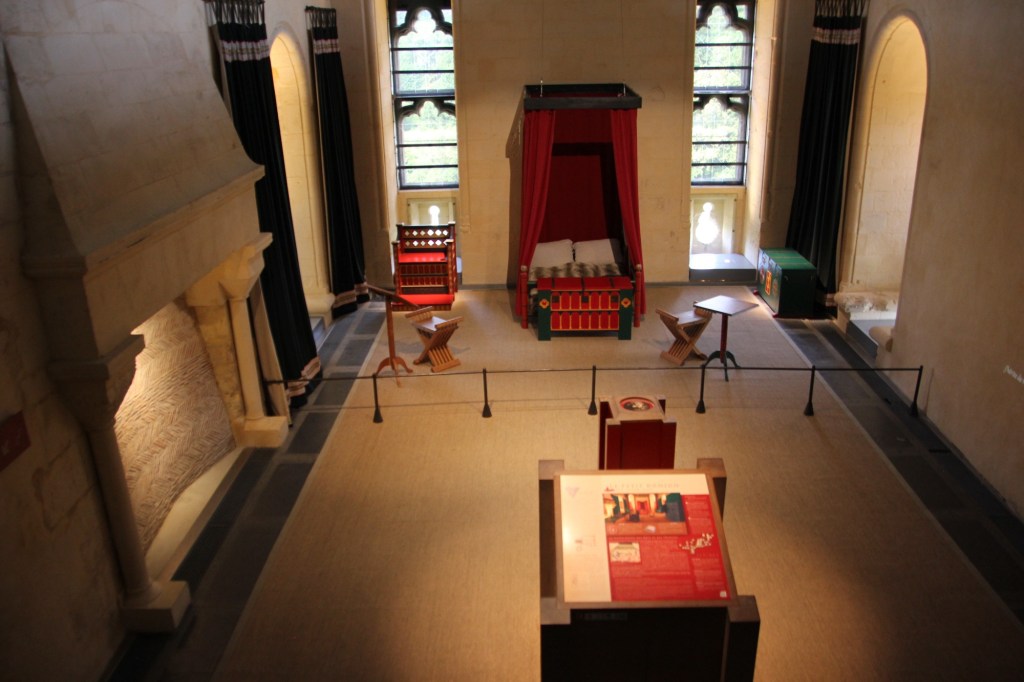
The castle grounds are open to the public without charge. The atmosphere is park-like It is only when you want to go into the castle that you have to purchase a ticket. We started our tour at the same time a group of young children (kindergarten/grade 1) were starting thiers. While they had a French speaking guide with a jester hat on to interpret the site for them, we were given tablets that, when held over an icon in each room, would give information about the room and show us a picture of what it would have looked like in William the Conqueror’s time. It was impressive tech and the story-telling was good. In each room there was a projected image animating the story of different characters in the “William the Conqueror/Battle of Hastings” story. There is an ongoing collaboration between British and French historians to tell an integrated story in both England and France.

Chateau Falaise

The final room of the castle had a movie that told the whole story from William’s birth to his coronation as the King of England. It was well done and left me impressed that, within less than one year of the King of England’s death, William planned an invasion, equipped an army, invaded effectively, taunted his foe to make sure he fought before William’s troops ran out of supplies, fought and took over England. The guy was a great project manager.

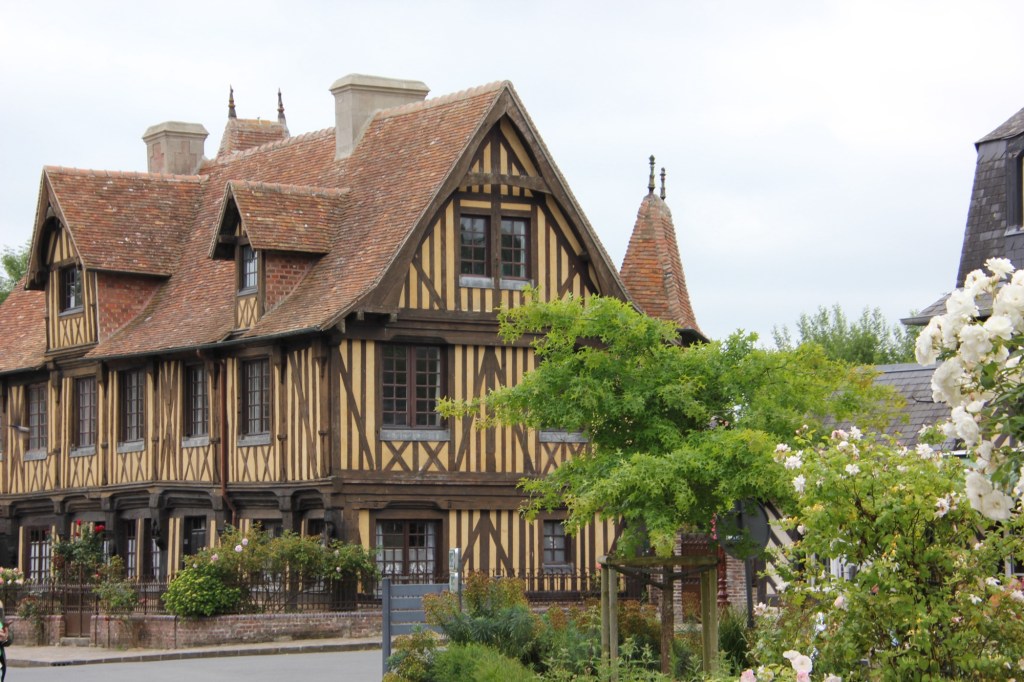
Looking for something entirely different, we went searching for Beuvron-sur-Aug, one of France’s “most beautiful villages”, as a place for lunch. We have learned that the title is another way of describing a quaint tourist trap. The food was good and it was a pleasant was community to walk through.

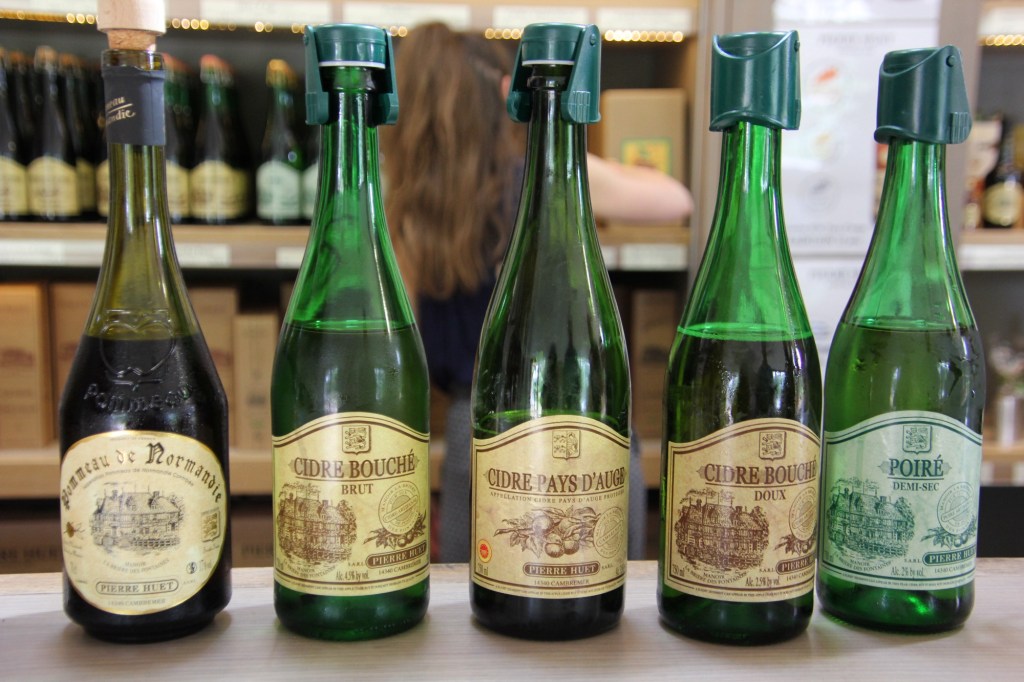
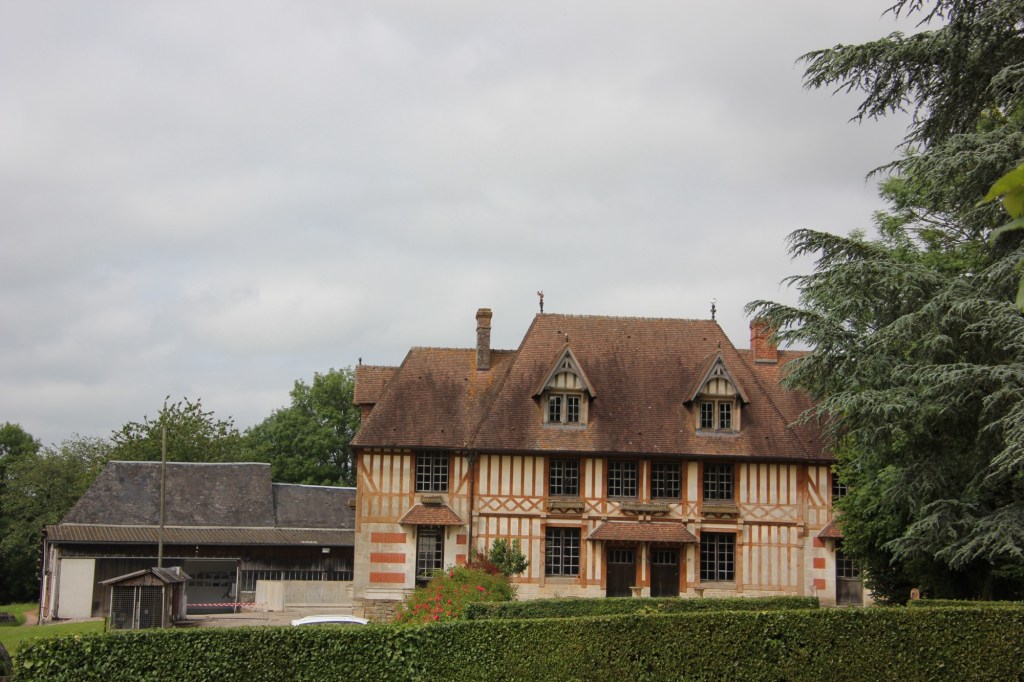
Our last challenge of the day was to find a cidery and do a calvados tasting. We have been staying in the Calvados region and on the “Cider Route”. We lucked into stopping at a lovely domaine just a few km from our residence. The Pierre Huot domaine has been producing cider and calvados (I.e., apple brandy) since 1865. We arrived just as a bus load of seniors were leaving the tasting room. We asked if we could do a tasting of cider and calvados and we were treated to a generous sampling of both liquids. Both were delicious and we bought samples to sip tonight and to bring home to share.

The manor house at Pierre Huot Cidery

Our last stop of the day matched our first as we stopped at our local bakery to pick up quiche for dinner. It was delicious! Tomorrow we are off to Giverny and Lisieux for our last day in Normandy before heading to Paris.

A trip to the Normandy Coast

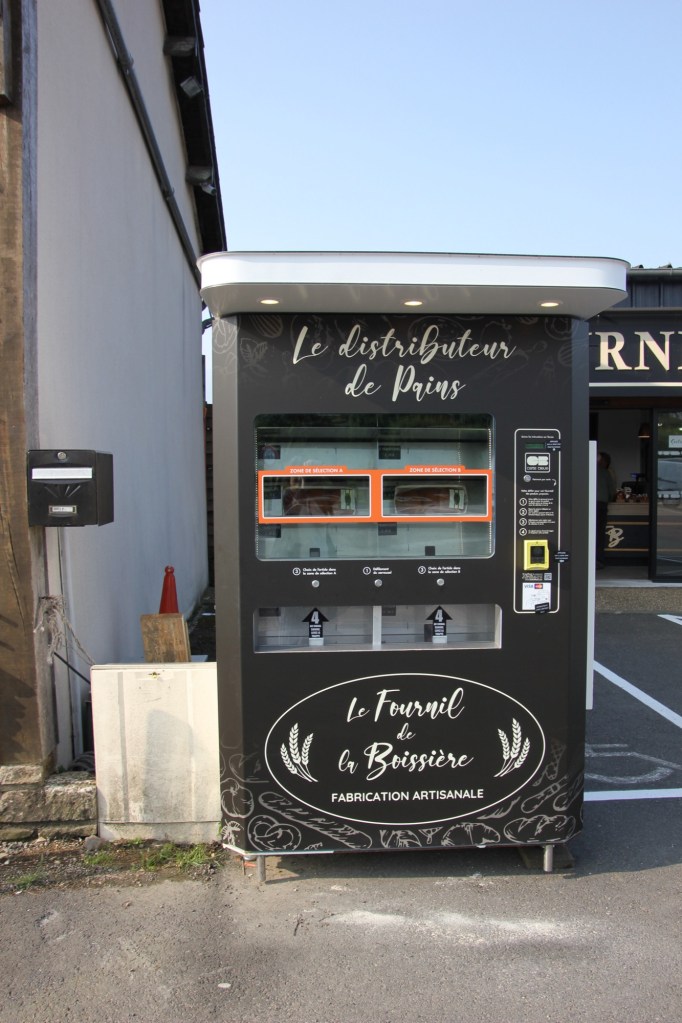
We started our day with a visit to our local bakery. The offerings are wonderful and we dove into the deliciousness of pastries. We are lucky to have our “local”. Many local bakeries are closing and baguette vending machines are put in many locations to ensure people get their daily bread.

Bread vending machine

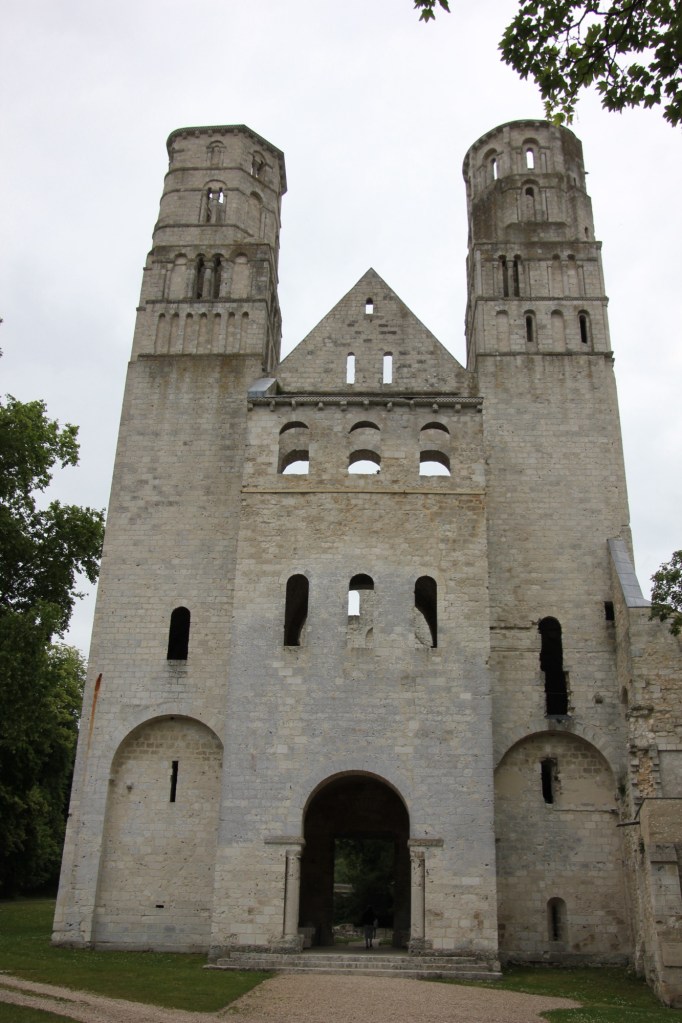
We learned a lesson today about not trusting our GPS or our understanding of the French countryside. Many places have similar names and we started by picking the wrong Jumieges. We were looking for the ruined Abby of Jumieges. The good news was that we got to see some beautiful scenery on the way to the correct coordinates. We were almost at our destination when the road ended suddenly and the Seine river appeared in front of us. We quickly figured out that we had to take a ferry across and luckily we were first in line for the ferry. The crossing was quick and we celebrated by stopping for lunch at a restaurant just outside the Abby. We were happy we made the journey.

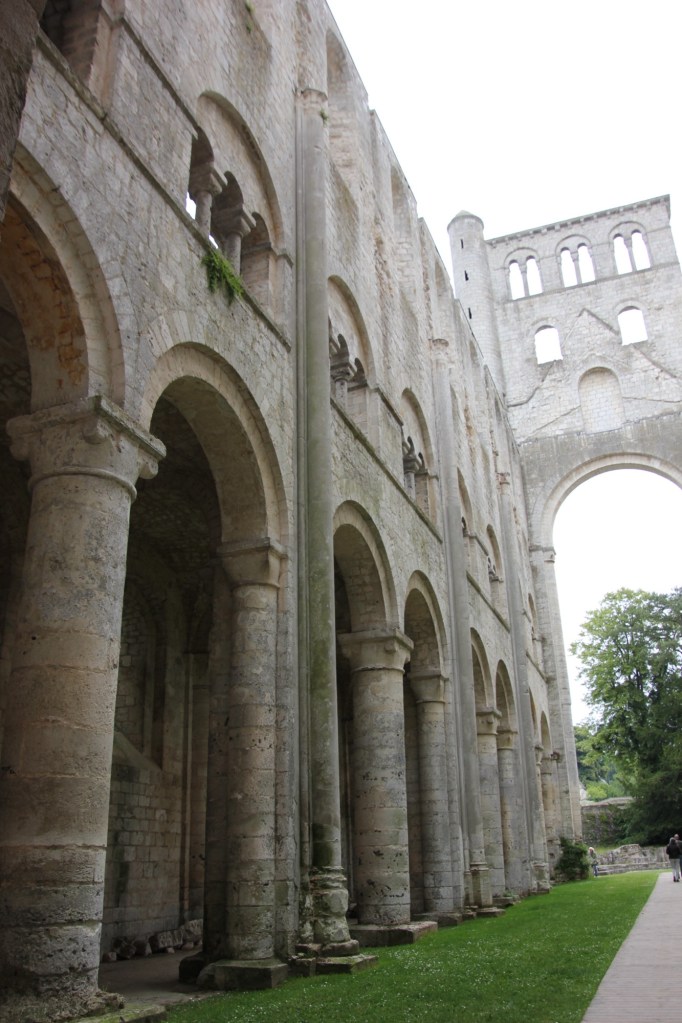
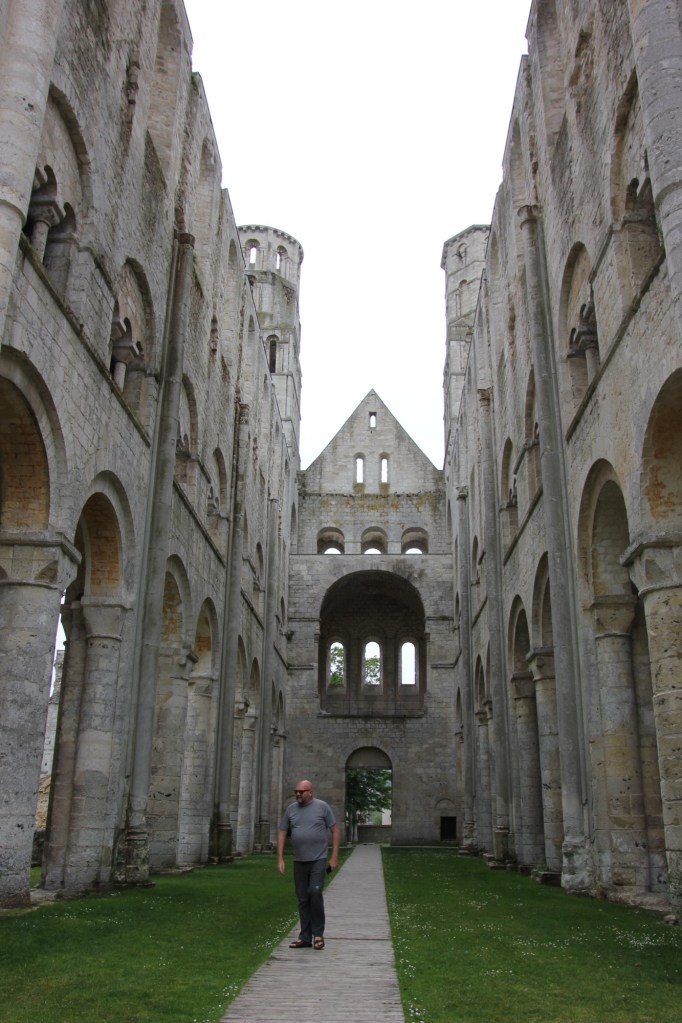
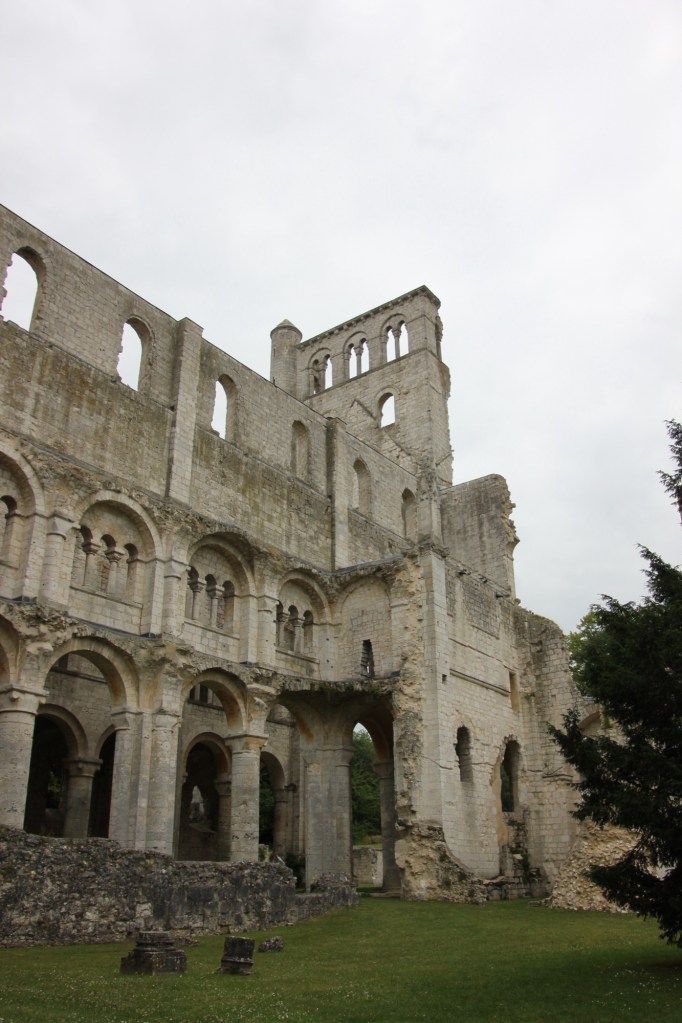
Jumieges Abby

The Abby Nave is 25 m tall over 3 levels and the towers are 45m tall.

The Abby has had a somewhat tortured history. It was founded in 654 AD as a Benedictine monastery but was destroyed by Vikings in 841. It was rebuilt by 940 and destroyed again only to be upgraded in 1040 and consecrated in the presence of William the Conquerer in 1067. The Abby did well after that until the 100 years war (1337-1453) brought on a depression due to taxation and poverty. The Abby survived as an important centre of knowledge and learning until the French Revolution when the monastery was dissolved and it was sold for quarry materials. It was systematically dismantled as people took the stone for other projects. Only 30% of the original buildings remain. It is still an impressive structure and it continues to draw people to it.

We have deliberately used secondary roads and highways to a) see the countryside and b) avoid paying tolls. This has led us to value traffic circles as efficient ways of getting through communities without stopping for lights. The GPS in our car is also a useful tool. It tells us what the speed limits are and beeps at us if we start speeding. This is helpful because the limits change regularly and without notice (or apparent reason).

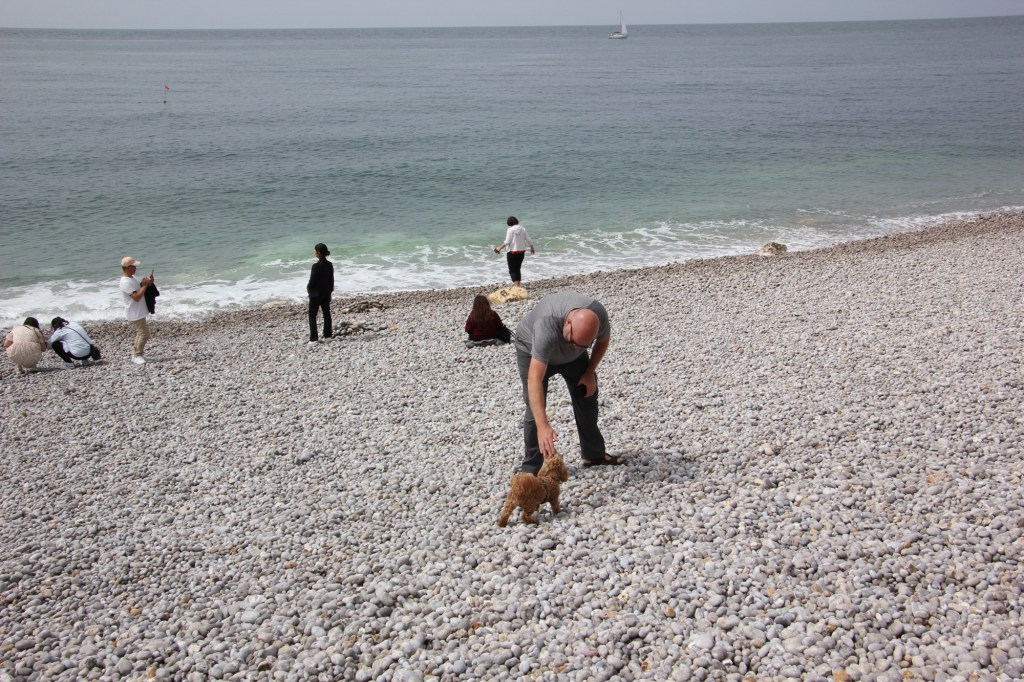
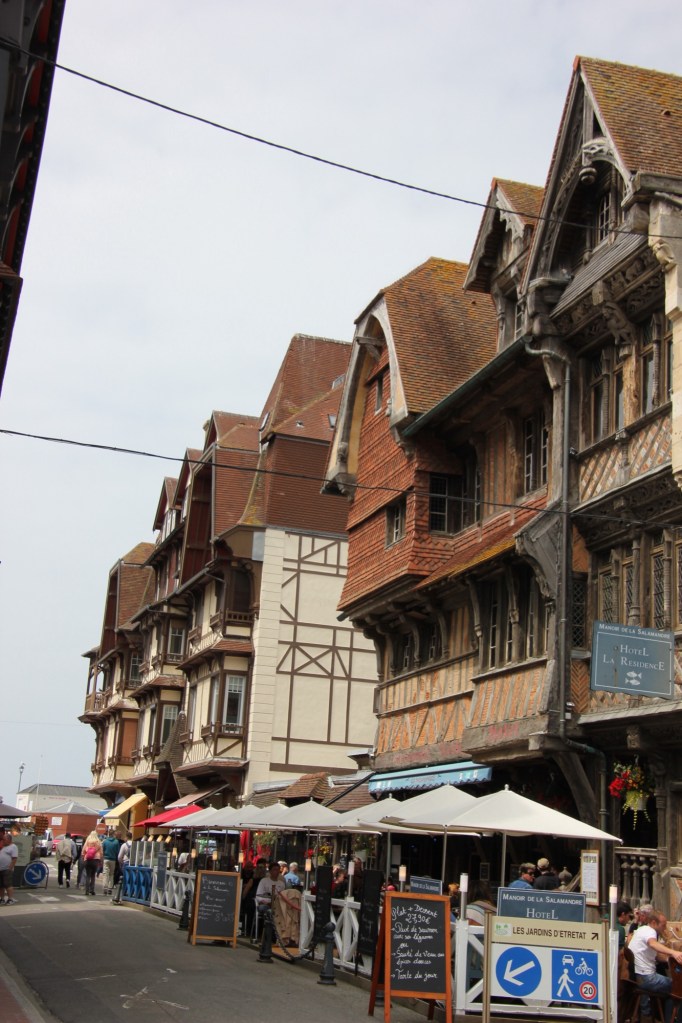
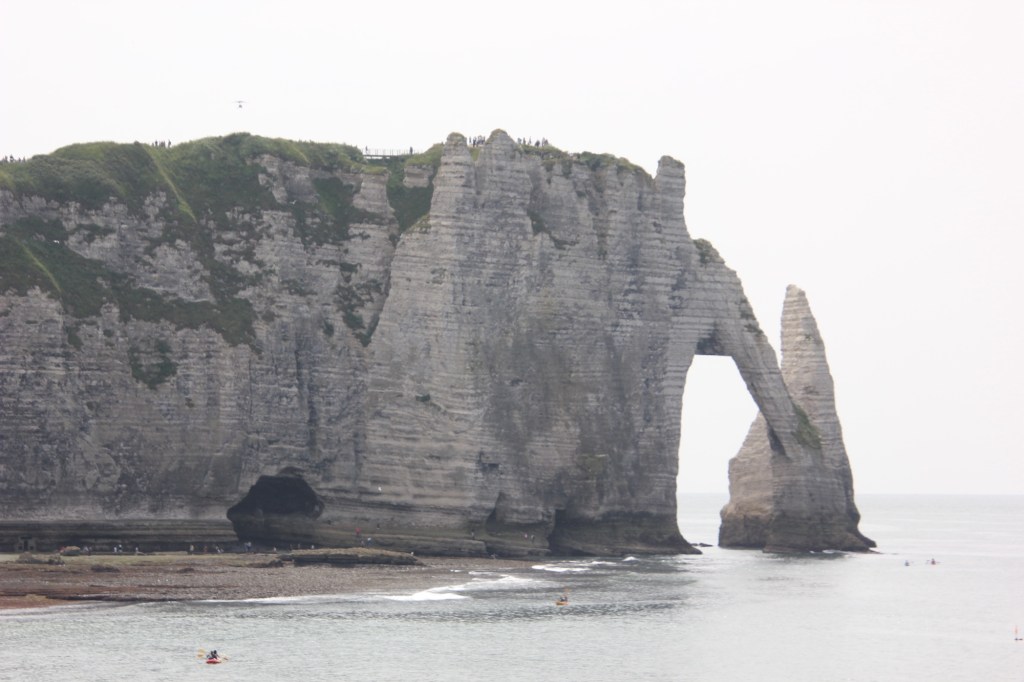
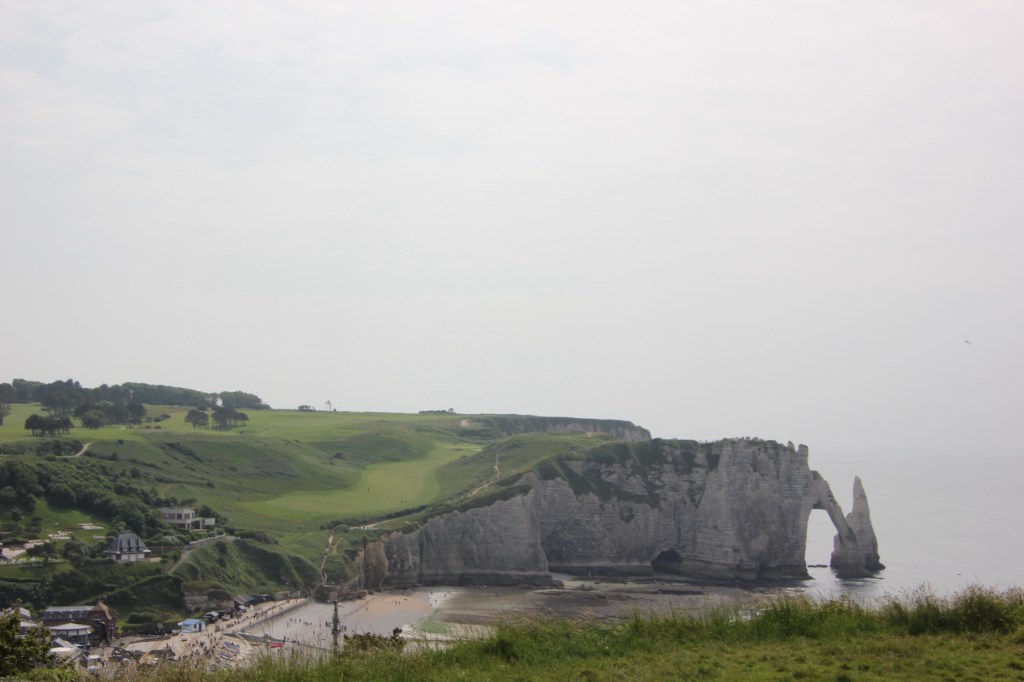
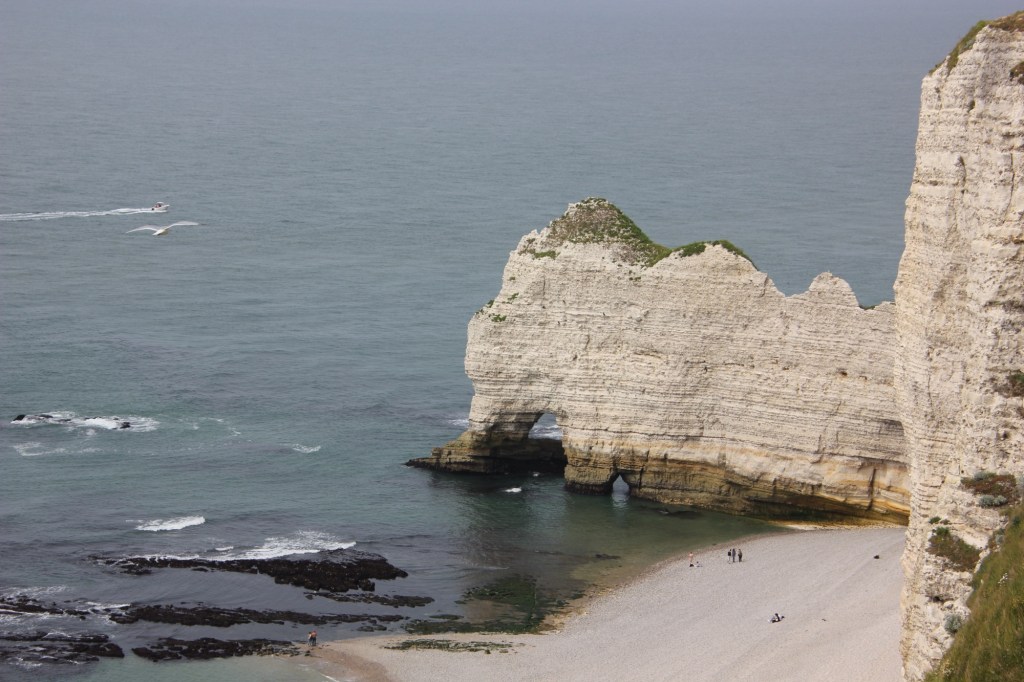
We had no difficulties winding our way to our next destination, Etretat, a coastal community on the English Channel. Going to bathe in the sea became popular in the mid-1800s and Etretat became known for its pebbled beaches and white chalk cliffs. It has inspired painters like Monet and Turner and continues to pull people from all walks of life. We walked on the beach and looked up at the church on the cliff. People were making the 90m climb but we decided to first get ice cream and then take the tourist train to the top. It was worth the view.

Pebbled beaches
A tourist magnet
You may notice the golf course on the left.

We ended our day back at our country retreat. We had a simple supper and, confirming how rural our place is, we watched a fawn run by the window while we ate. The bird song here is amazing and we have no neighbours for at least 1km on either side. I am not sure how we will face Paris!

Our day at Juno Beach

The fact that we were in Normandy on the weekend of D-Day remembrances influenced our plans for today. We returned to Bayeux and toured the Museum of the Battle of Normandy. This gave us the bigger picture of the battle beyond the landing. I must admit I didn’t know much about WWII or the battle of Normandy other than Canadians were important in the implementation of the plan to oust Hitler.

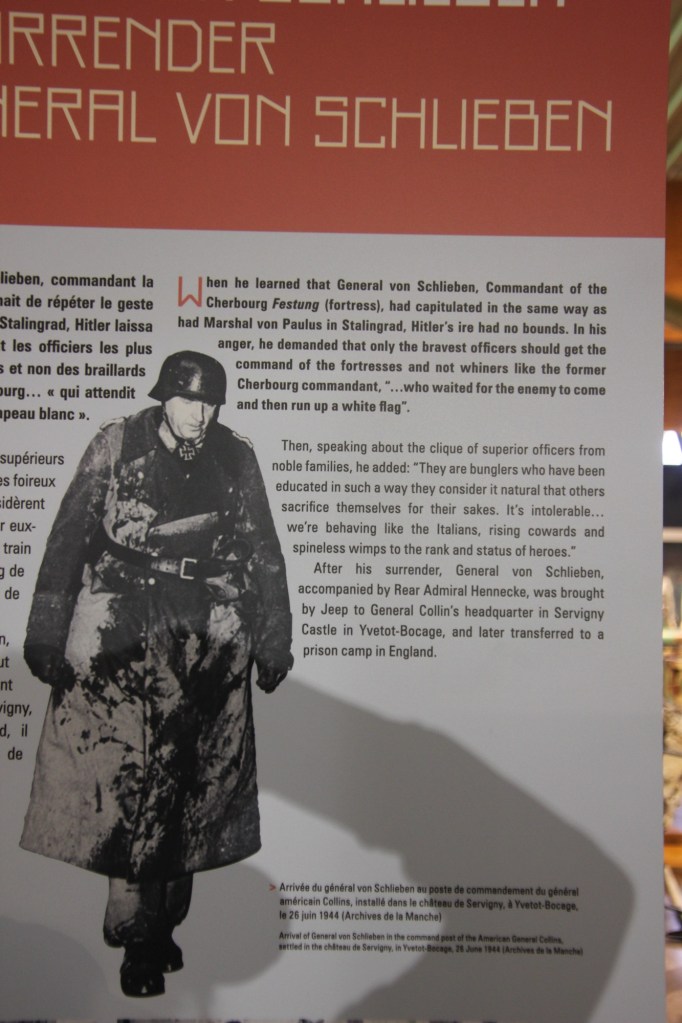
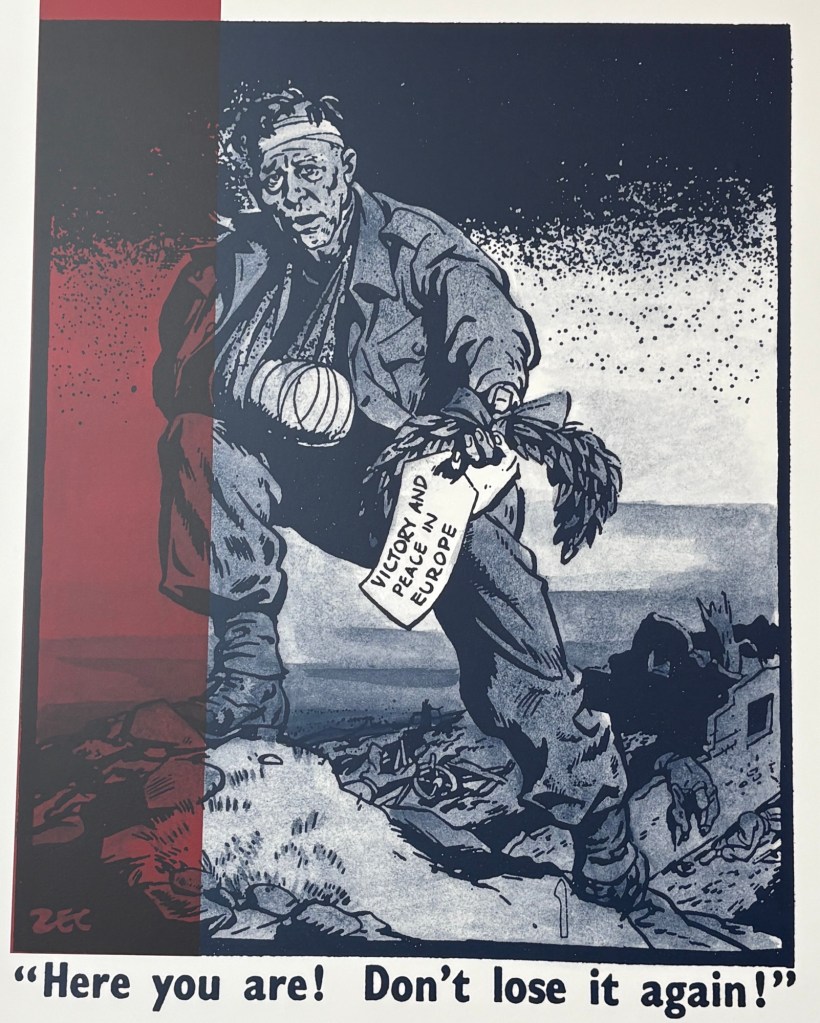
I have a hard time at these military remembrances. I appreciate the sacrifices people made. It was very clear that Canada did not conscript anyone, all of the military who served did so voluntarily. I appreciate the valour and patriotism involved in the choices to enlist and to stay with the plan. The horror of war and the courage required to stay and fight was clearly displayed. What was heartbreaking was how little we have learned from this horror. For example, as I read what Hitler said on this slide, it seemed like a clip from today’s news:

From the Battle of Normandy Museum

The battle of Normandy was over a year in the planning. This took me aback somewhat because it meant that the allied forces knew that the war was a long game even though the war had been going on for years already.

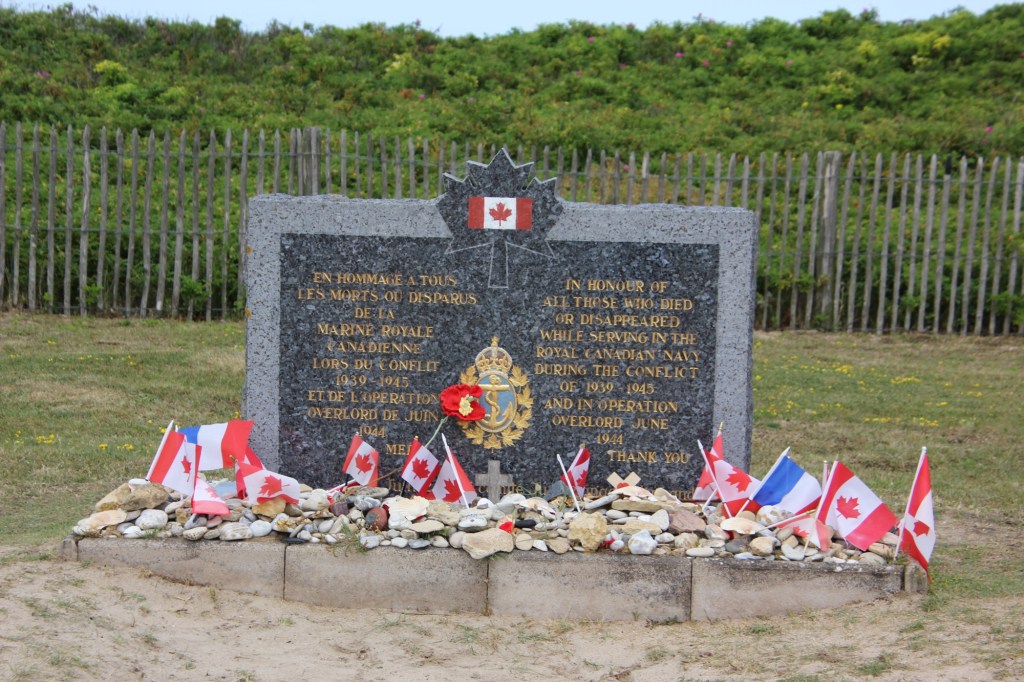
We left Bayeux for Juno Beach. It was powerful to see the Canadian flags as we approached the community by the sea. There were 5 beaches involved in the Normandy invasion, only one of which involved Canadians. Juno Beach is now a recreational, ocean-side area but during the war it was 8 km of terror. The Germans had been expecting an invasion and were dug into the beach area in bunkers. So many people died just getting to land! The memorial at the Juno Centre to those who died and those who disappeared said a lot about how hard it was for those Canadian soldiers to even make land.

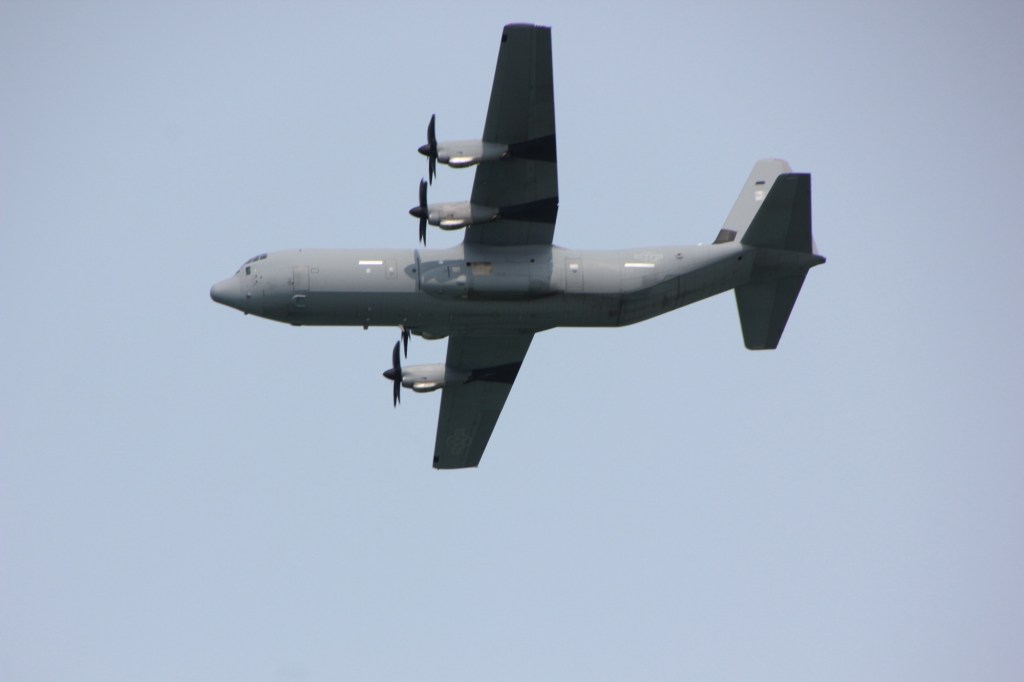
While we stopped for lunch at Juno Beach before viewing the museum, WWII bombers flew by as part of the ceremonies of the day.

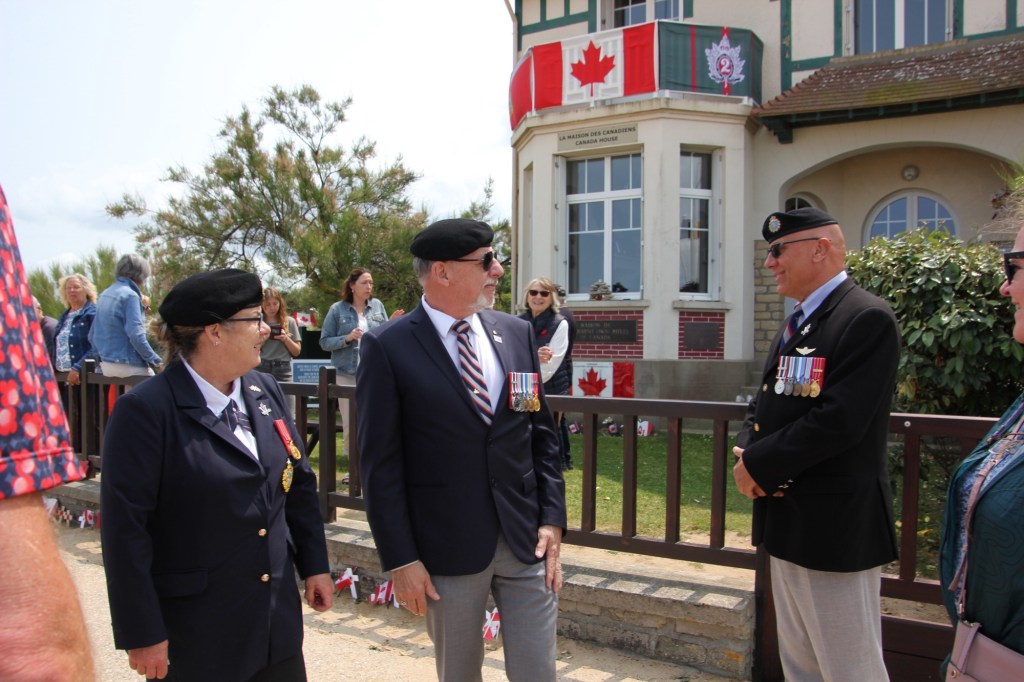
We also toured the museum at the Juno Centre. This centre told the full story not only about Canada’s involvement in the Normandy invasion but also about Canada’s role in the war in general. There was a specific exhibition about our role in the air battles as an ally of the British Air Force. We had the privilege of connecting with some recent veterans outside Canada House on Juno Beach. They had been in a parade earlier and were so proud to have served in our armed forces. Canada House was the first house liberated during the invasion by allied forces. While the house is still standing, over half of the troops sent to free that section of the beach were slaughtered by German gunfire before the mission was complete.

Veterans at Canada House

One of the striking things about the Juno Centre is that it highlighted the role of Indigenous, Inuit, Métis and immigrant peoples in not only WWII, but ongoing role in the military ever since. In addition to recognition in the Museum displays, we noticed these items outside the Centre as we left:

Inukshuk and Red River Cart outside Juno Centre

While we were glad to have explored the D-Day experience as part of our tour of Normandy, especially since we were here during the D-Day weekend, we left feeling saddened that we as North Americans have learned so little about history and how much what is happening now reflects what happened in the build up to this war. Somehow it seems different to explore castles from medieval or earlier times than to explore these more recent conflicts. Perhaps we are doomed to repeat history.

Today left us unsettled and ready to re-enter the denial of a holiday agenda by shifting to viewing ocean-side vistas that we can’t see at home.

Another bucket list item – Checked, The Bayeux Tapestry

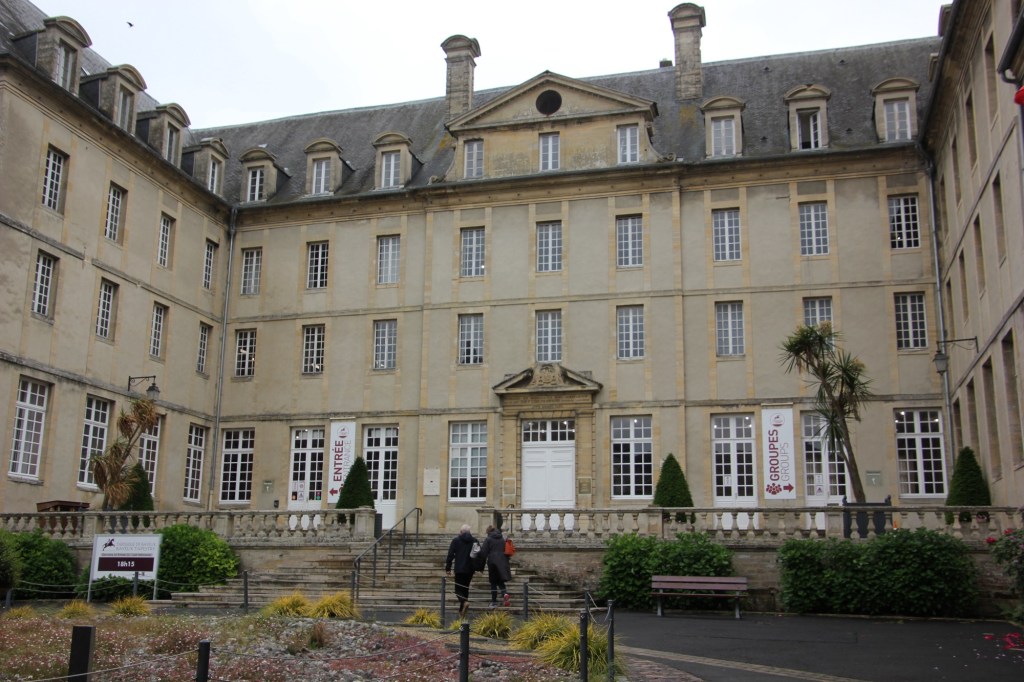
The current home of the Bayeux Tapestry

I learned about the Bayeux tapestry in high school. I think we have all seen the images of Norman nights fighting the battle of Hastings in 1066. What has always intrigued me was that a group of women artisans embroidered this 224 ft. Long/20 inches high work piece telling the story of how William the Bastard, Duke of Normandy, became William the Conqueror, King of England.

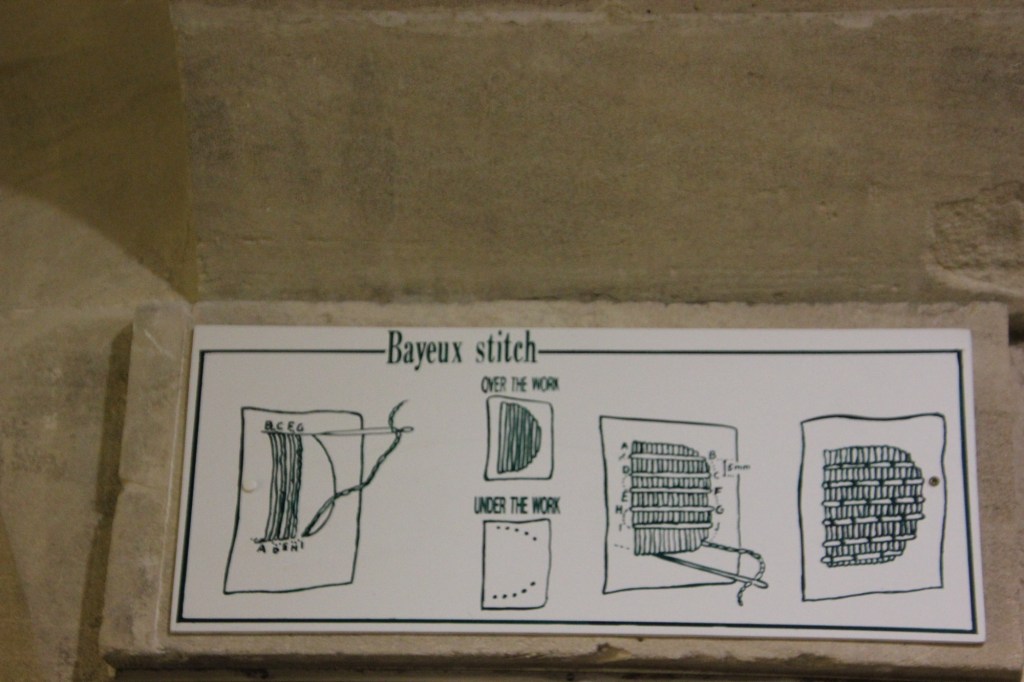
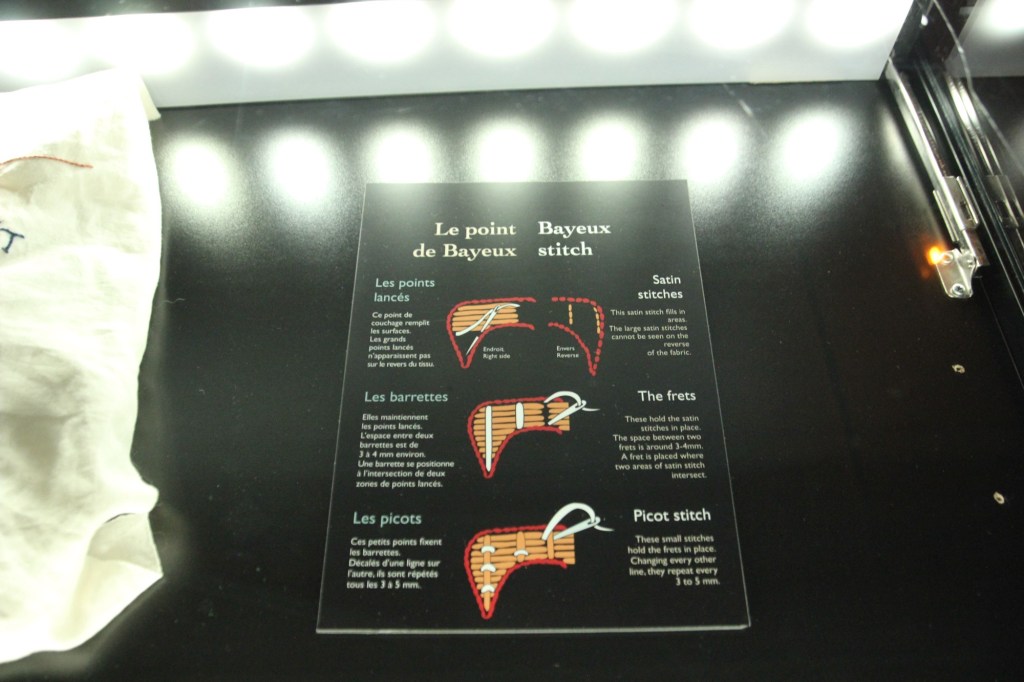
We were not allowed to take pictures of the tapestry itself. The viewing process was impressive. There were no advanced ticket sales. We arrived at the site and got in line for tickets. We then entered a line to get in to see the tapestry. Within 15 minutes we were at the door and they handed us an audio guide. The guide went through each panel of the tapestry explaining what part of the story the panel depicted. The detail in the needlework was impressive. The artisans were able to capture the emotions of the people, the details of clothing and the movement of horses. This was all done with consistency. The needlework was limited to four stitches: including the straight stitch, chain stitch, satin stitch and the Bayeux stitch.

Bayeux stitch

There are several theories about where the tapestry was made. Some say it was made in England, other say it was made in France. Not much is known about who made it and who commissioned it. I was disappointed by the lack of information about the creators. The display focused on the battle and how it was depicted. The information in the static exhibition also focused heavily on the battle of Hastings rather than on the tapestry itself. This may change with the next museum. There is a plan to create a new museum that will allow a better scientific exploration of the tapestry and display it in a more ecological manner. We were happy to get to see the tapestry now as the current museum will close in September and reopen in 2027.

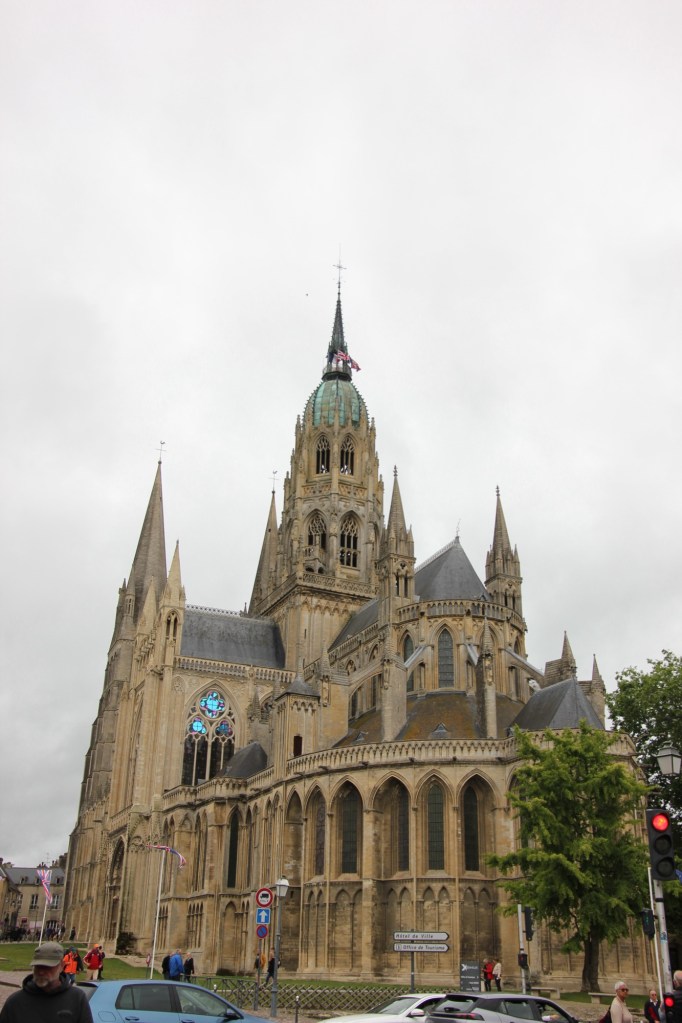
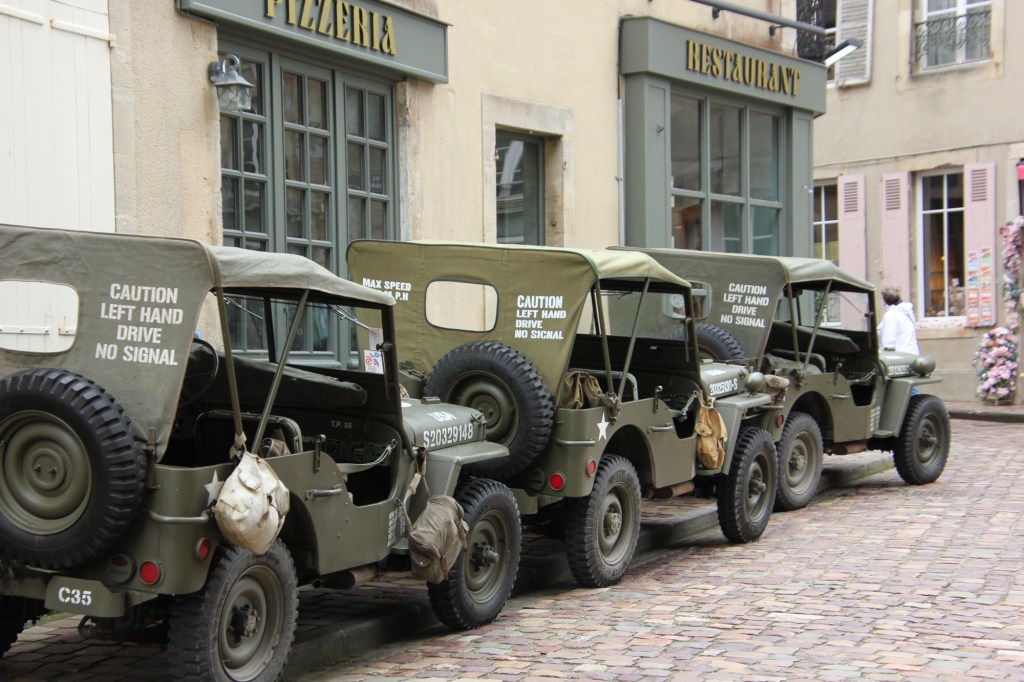
Bayeux was one of the first villages liberated on D-Day. There were British flags flying from the main church steeple and other momentos of the end of D-Day invasion. There were many people displaying signs that they had served in the British or American military. We also saw some folks displaying Canadian flags.

Mont St. Michel in the morning

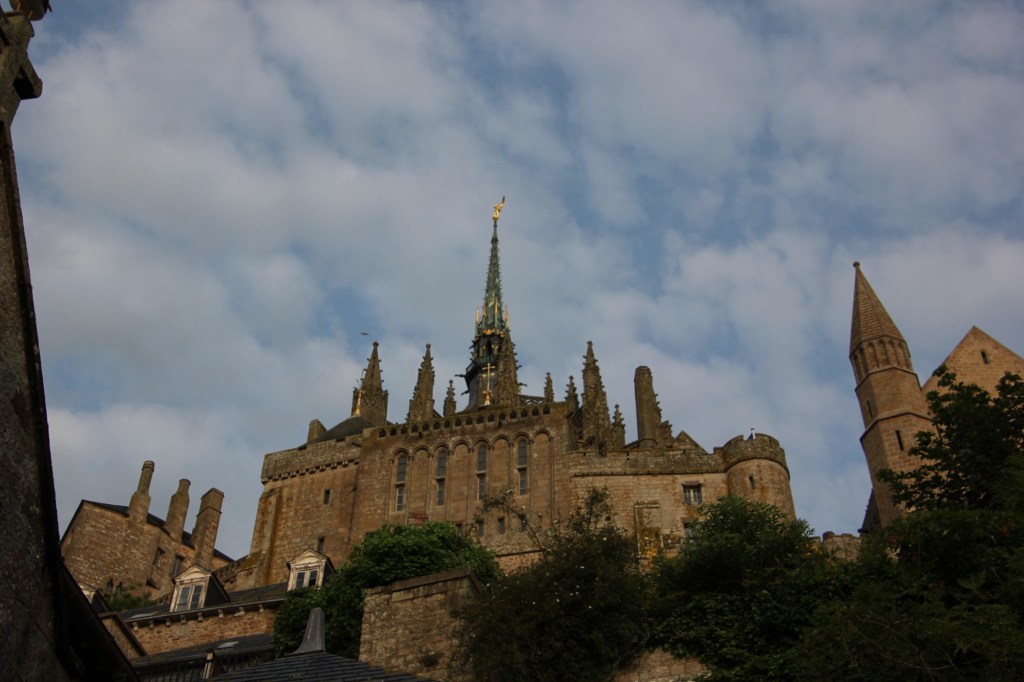
I awoke early today, checked the Oiler’s score and felt sad for a moment, then went for a walk. The town was deserted except for the workers restocking the stores. It was such a peaceful change from the hordes of people here yesterday. I was better able to appreciate the architectural wonder that is this whole complex. All the stone and building materials to create all the buildings had to be hauled up using rudimentary (by today’s standards) equipment. The engineering to make it all work is definitely impressive. The architects balanced a whole Abbey on a platform built on 4 outcrops of rock.

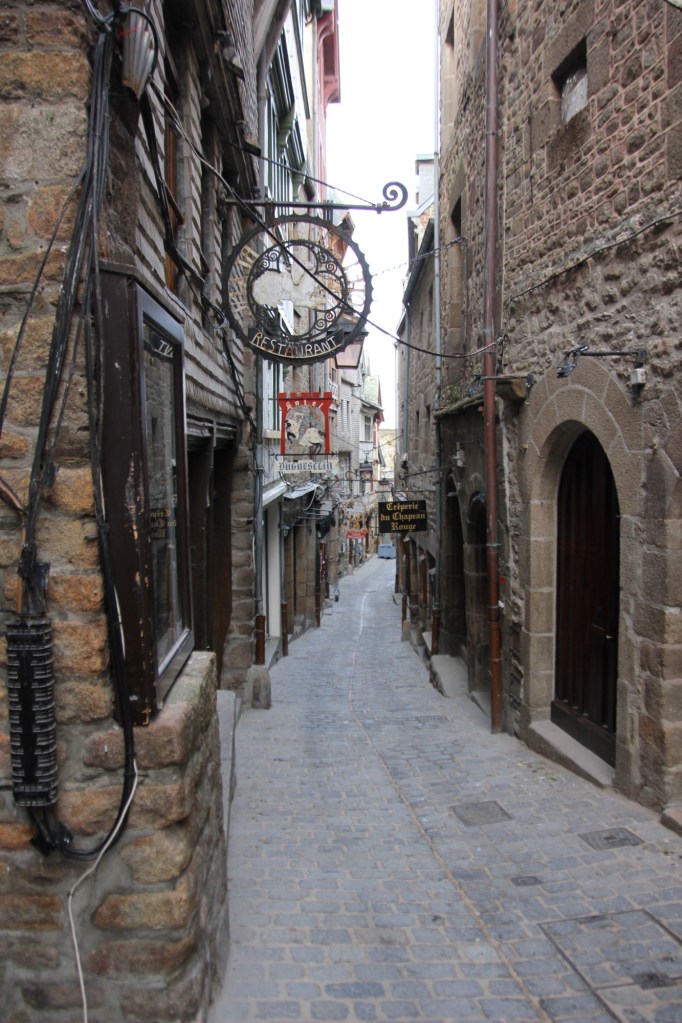
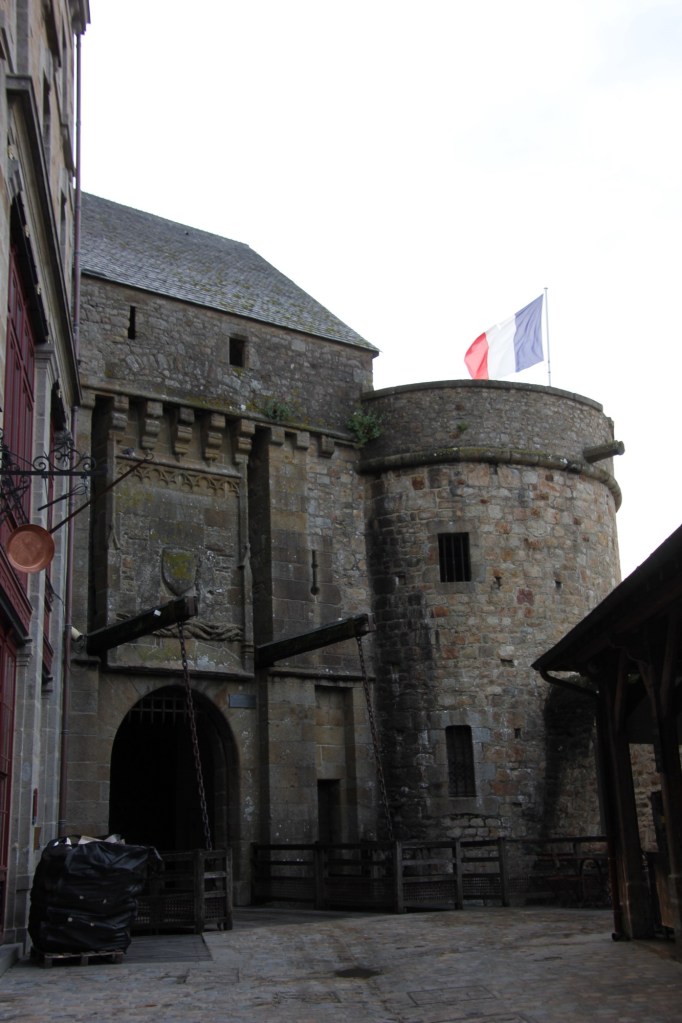
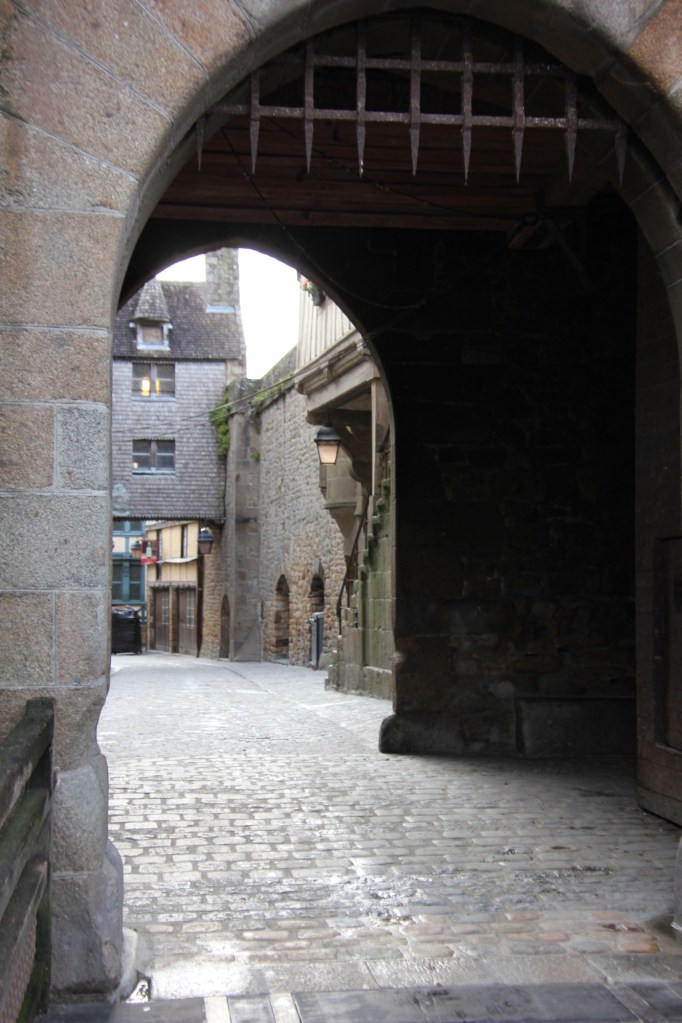
The village street
The draw bridge

The entrance to the fortified village

The modern keepers of this rock have done a good job of hiding modern plumbing, etc in the Abbey, but I am sure that hauling water and getting rid of waste was a much more difficult challenge 1500 years ago. The businesses in the village are perhaps not so different now from when the Abbey was first founded. There are hotels, restaurants, and souvenir shops which may have changed what they offer, but the demands for their wares would have been the same.

The Abbey in the morning light

In the quiet of the morning, it is possible to consider that this was once a contemplative place where devout people dedicated themselves to reflection and prayer. It was also easier to imagine the life of the villagers working to support all those who came on pilgrimage, or who provisioned the prison or the monks who lived to pray.