A day in Luang Prabang Laos

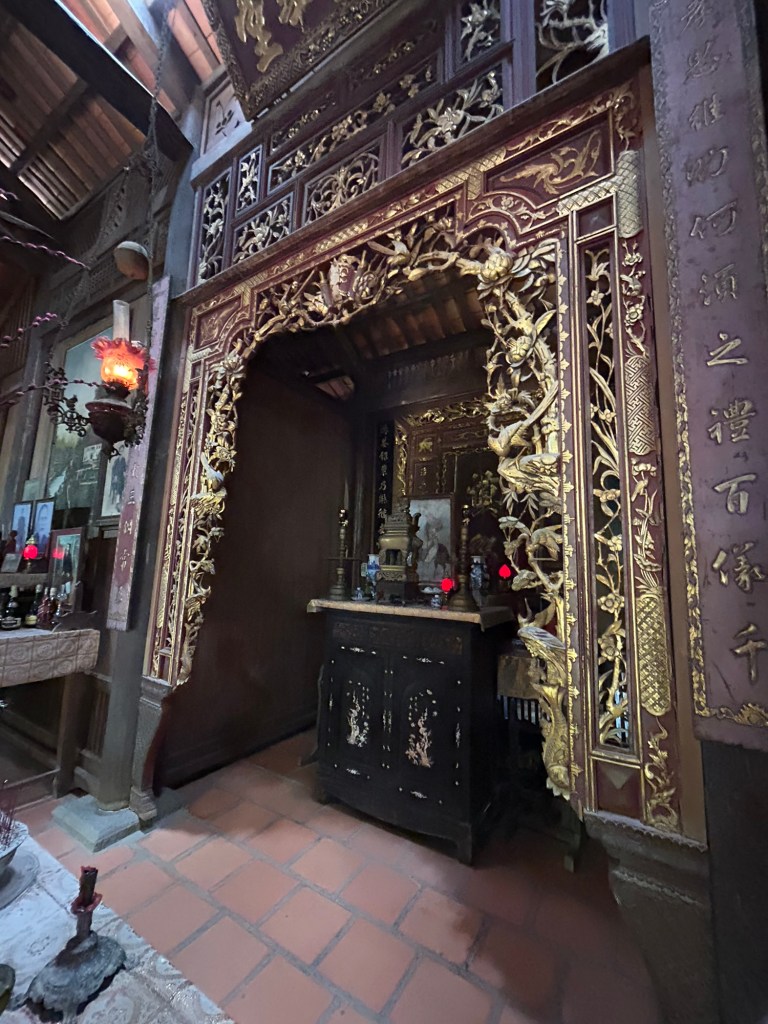
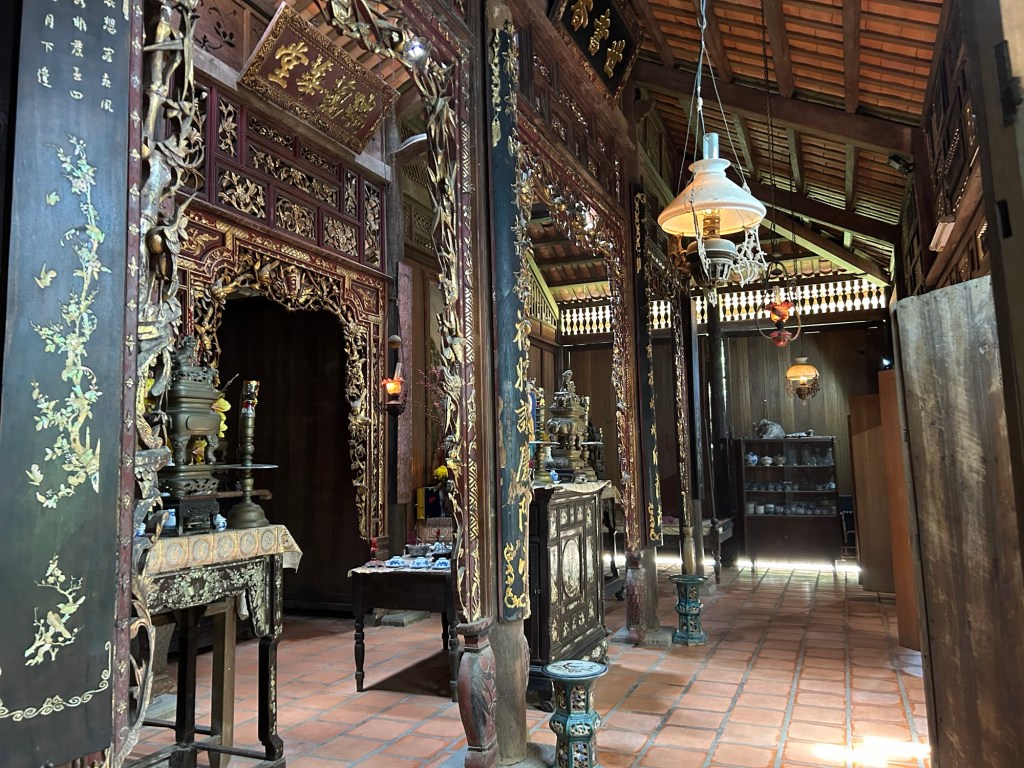
It was a busy day today. Our local guide, Sam, took us on a walk through Luang Prabang on our way to the first temple of the day. We took our marigold tower from last night’s dinner to the Wat Xiengthong (I.e., temple of the city surrounded by the mountain wall). Wat is the Laos word for temple and this temple was named after the original name of Luang Prabang. It was interesting, but we are starting to think of temples like we do churches in Europe- they all start looking alike.

However, this temple is a very important one in Laos and is considered a masterpiece of Lao architecture. One of the buildings on site housed the funeral chariot for the kings of Laos. The king’s coffins were carried through the town upright with the body either standing or sitting in the coffin before being taken for cremation. The coffins of commoners were always horizontal.

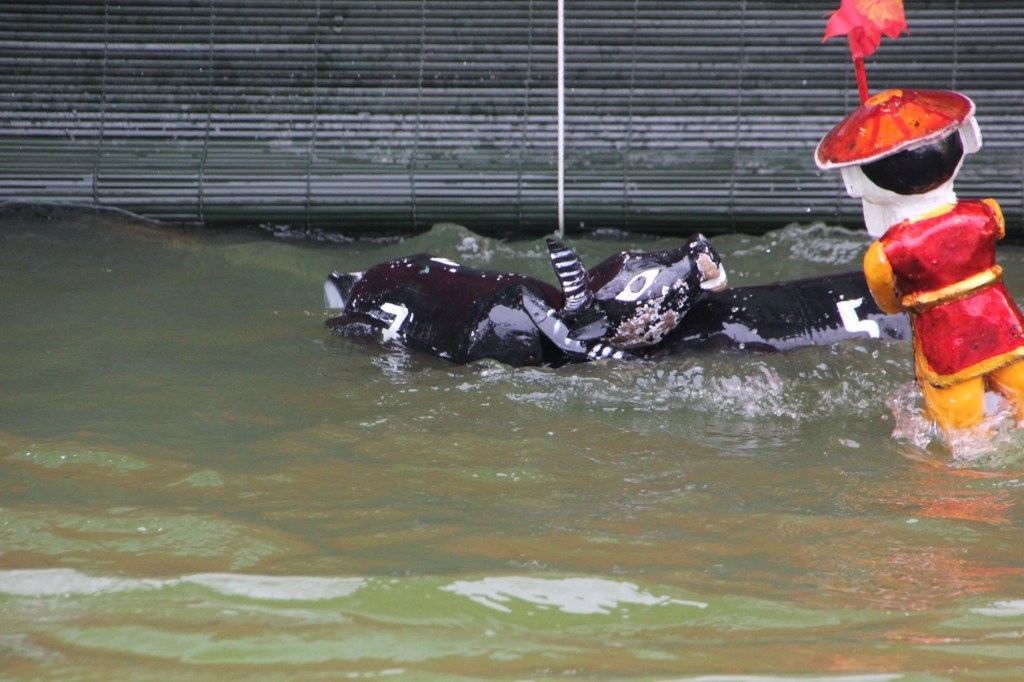
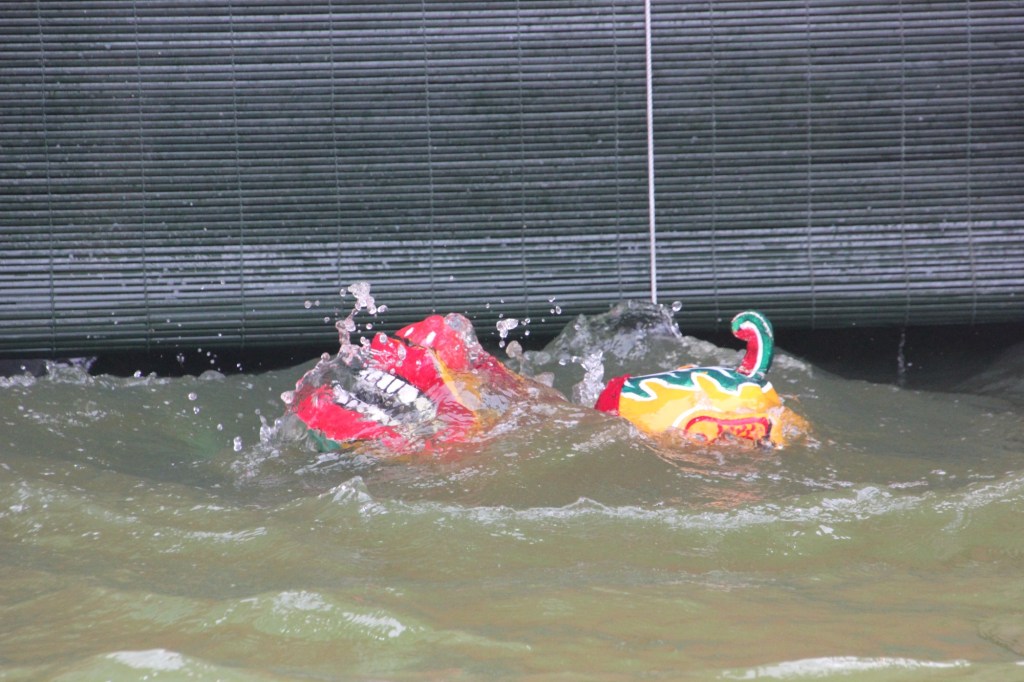
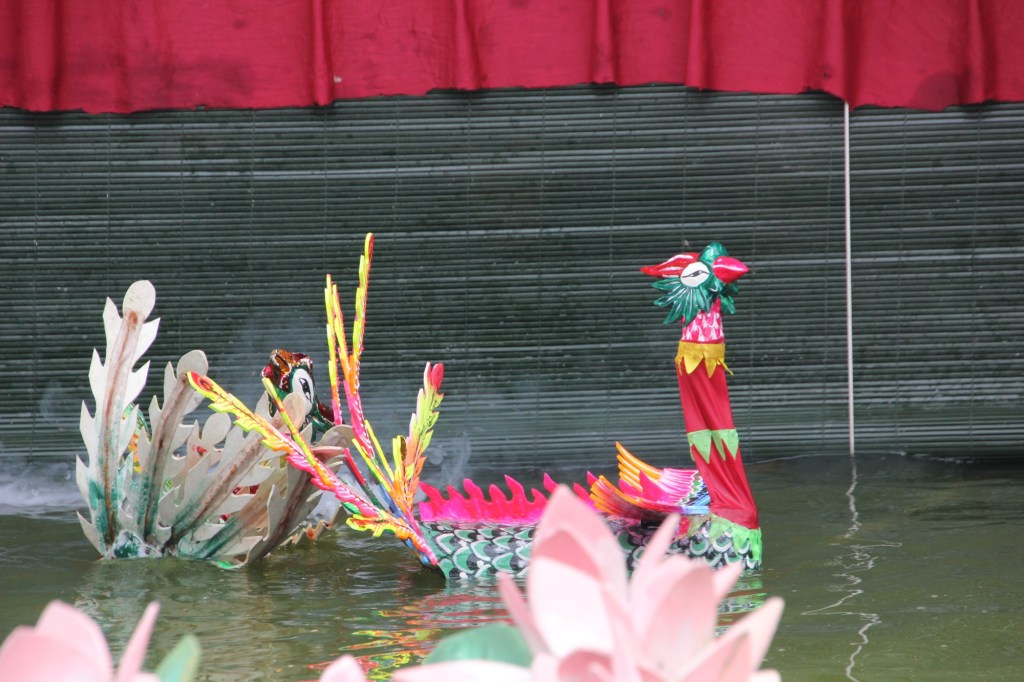
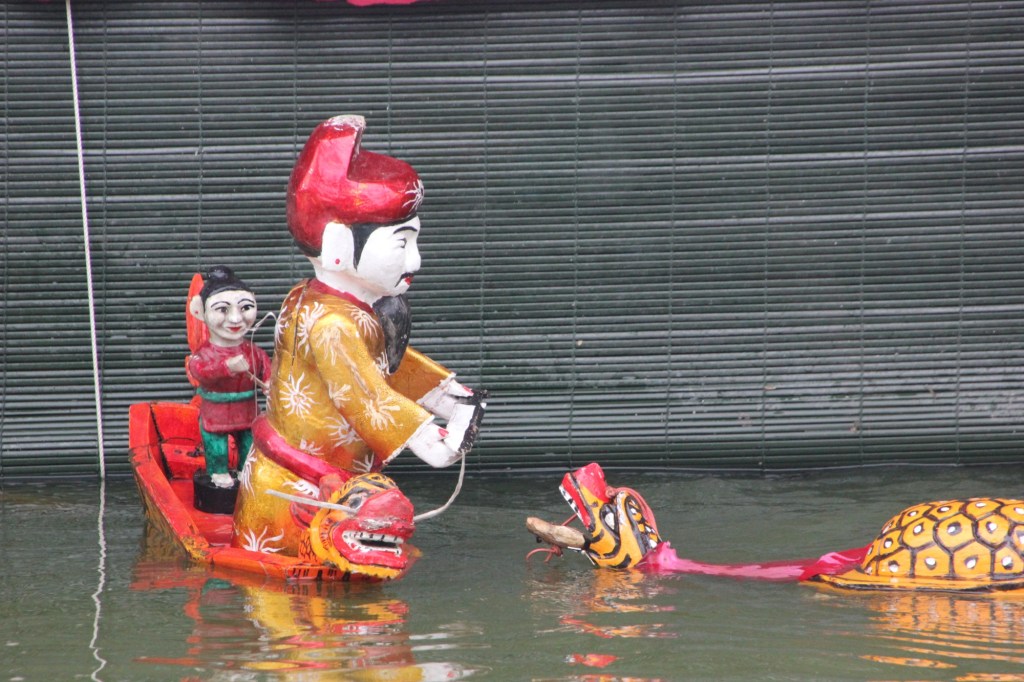
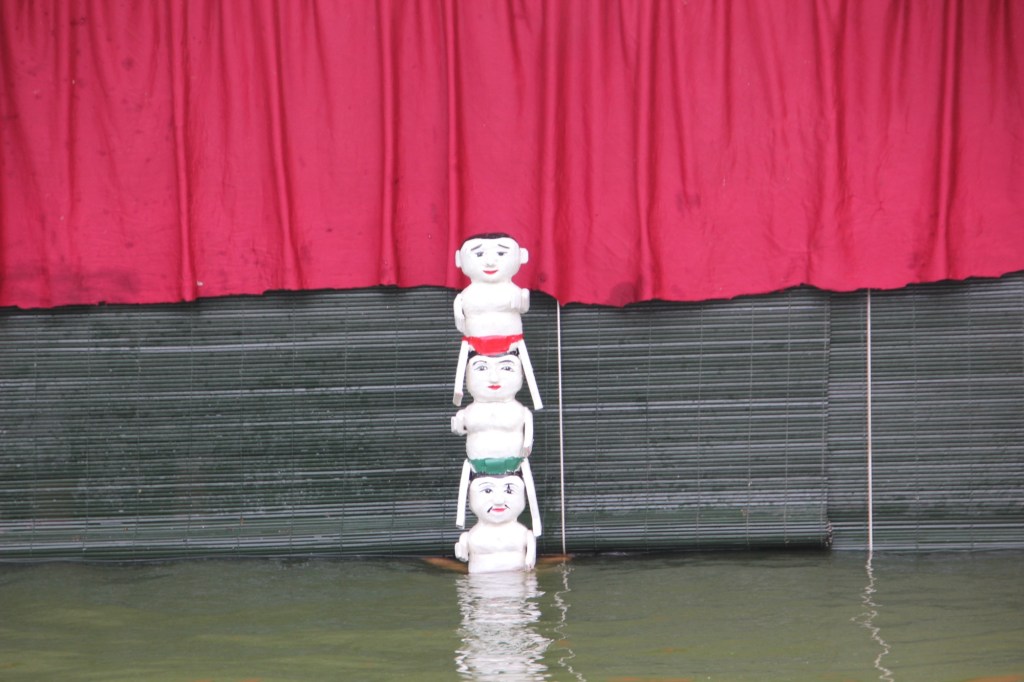
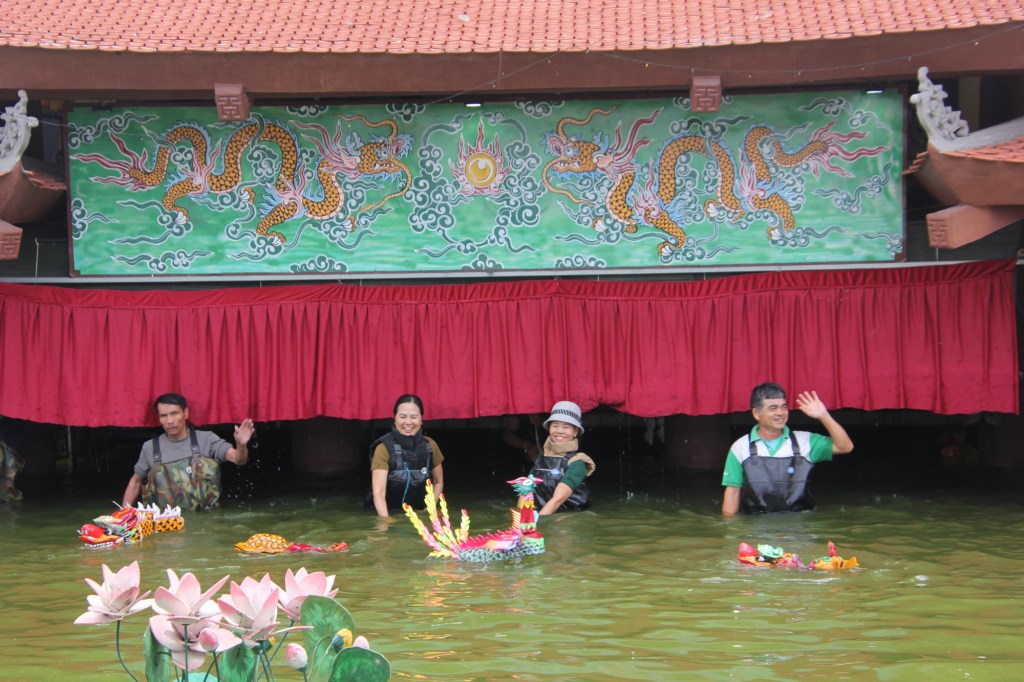
There were children performing puppet shows of Laos folktales. We weren’t sure of the story that was being told but it involved several animal spirits carrying an egg or seed on their backs.

Luang Prabang was declared a UNESCO World Heritage Site in 1995 after going through an arduous process. The town was declared to be of “outstanding universal value” based on its urban landscape (being the confluence of the Meikong and Khan rivers), promotion and preservation of traditions and traditional ways of life, the coexistence of traditional and colonial buildings and its historical significance. We had a lecture from one of the UNESCO managers about the process of becoming a UNESCO site and some of the progress they have made locally. It was good information but lasted a bit too long, especially when we were almost ready for lunch.

On our way to lunch we walked by the confluence of the Meikong and Khan rivers, the two major rivers in Laos. The Meikong (top of the picture) is fairly muddy compared to the Khan. We are going to cruise the Meikong tomorrow.

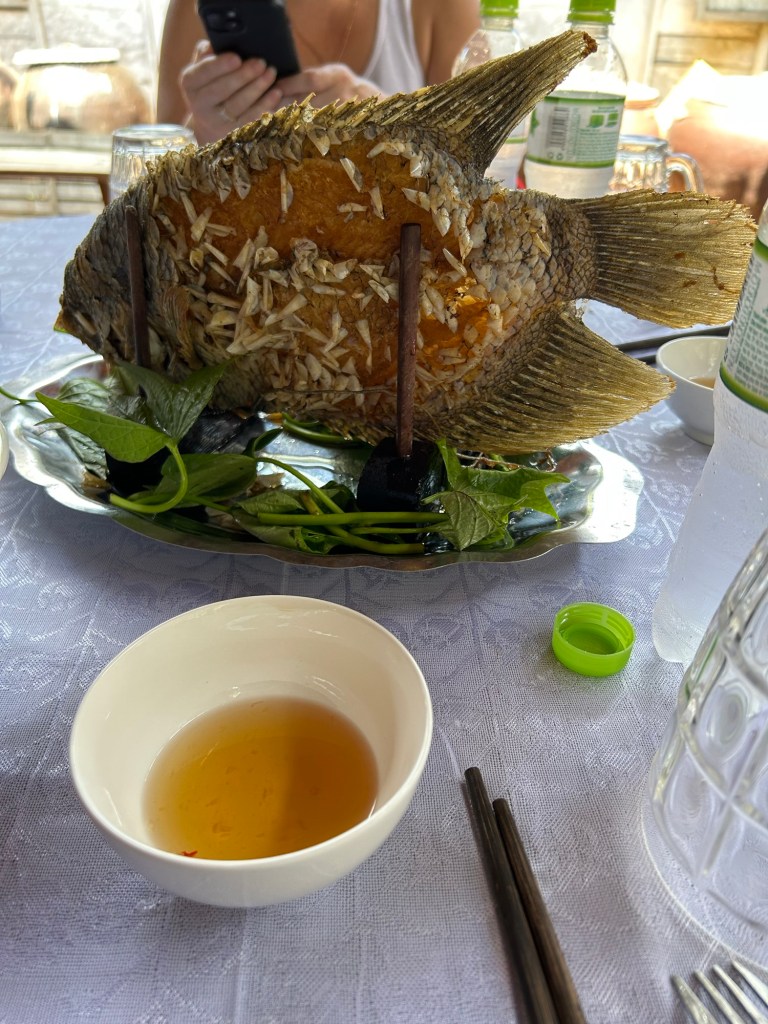
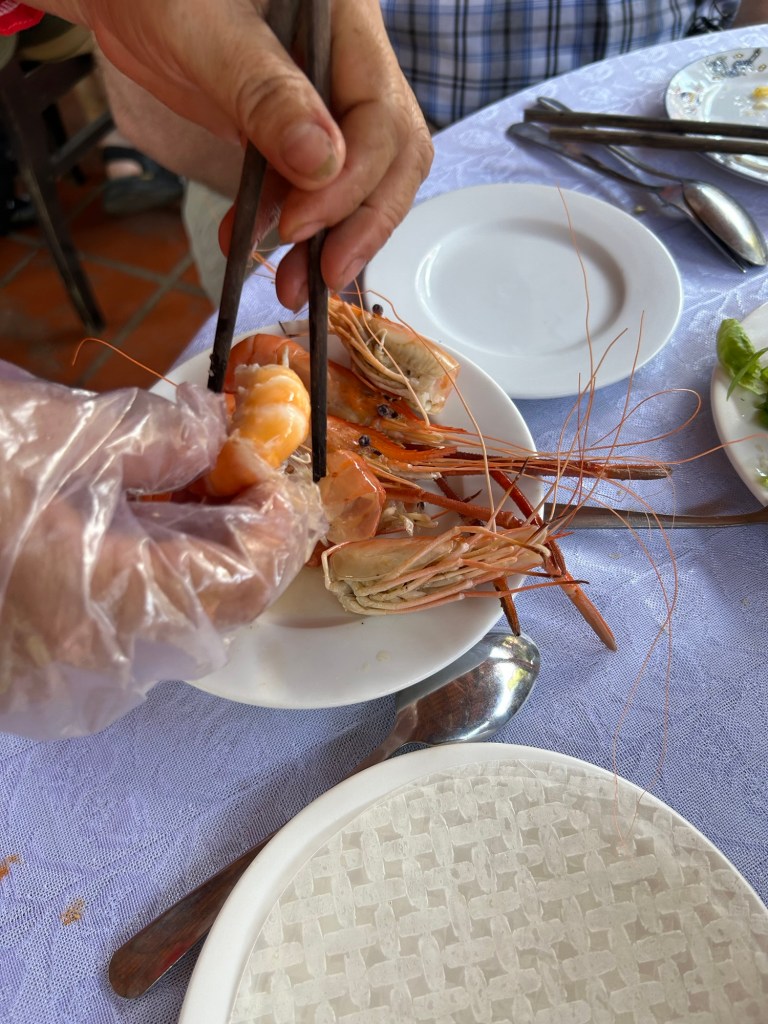
We had a delightful lunch at a local restaurant. The food was fantastic.

Our first afternoon stop was the National Museum. It is housed in what was the former royal palace. It was built in 1904 during the French colonial era and the royal family lived here until 1975 when the monarchy was overthrown. We weren’t allowed to take pictures in the actual museum which was too bad because the wall decorations were fabulous. There were all sorts of interesting objects on display including the King’s adjustable solid gold shoes (just the uppers). The last queen was an incredible embroiderer and some of her fabrics were on display.

A random group of Canadians in front of the National Museum

The most important temple in Laos shares the museum grounds.
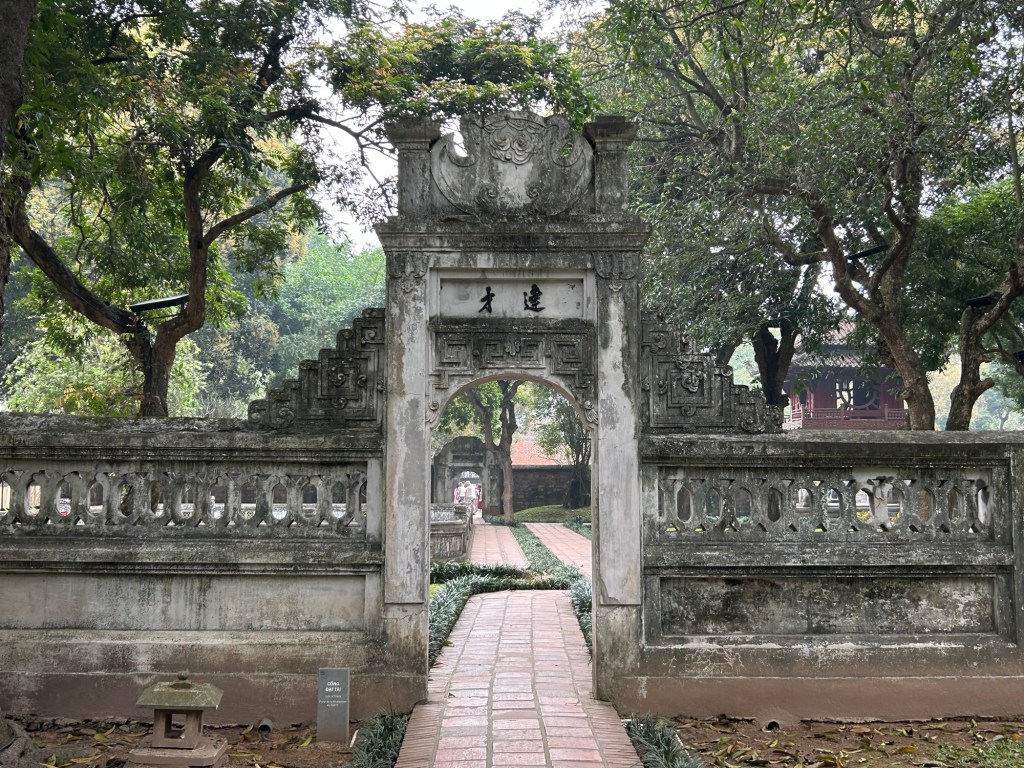
Haw Pha Bang Shrine

The Haw Pha Bang shrine houses the Pha Bang Buddha (which I wasn’t allowed to photograph). The Buddha is an 83 cm tall, gold alloy statue considered to be the most sacred image in the country. The Buddha statue weighing 50 kg made of cast gold, silver and bronze. It is thought to have been cast in Sri Lanka in the 1st century and given to the king here in 1353. The shrine itself is a new building finished in 2006.

Naga protecting the shrine.

Our afternoon ended with a visit to the Traditional Arts and Ethnology Centre. Our speaker, Tara and her colleague started the centre to highlight the traditional crafts of the more than 50 minority groups in Laos. The Centre creates exhibits of local handiwork, engages in research, preservation and documentation of cultural creative practices, provides education and outreach as well as support for people to build livelihoods based on traditional skills. 50% of all sales from the gift shop goes to the artist who created the work. We bought a lovely hand woven silk wall hanging.

We ended our day with a swim in the pool and a dinner in the hotel restaurant. My sister Brenda figured out a way to stream the gold medal hockey game to us, so while I type, Dale is watching the game. Life is good.

An introduction to Laos

Leaving Chiang Mai was interesting. First we checked in, then our luggage was scanned at the luggage drop. We went to security where chaos reigned. People didn’t lie up in any specific order. We went around a woman who got her hair caught in her purse strap and then got stalled by a family of 5 who didn’t understand that all belongings have to go in the bin. We got through the carryon scanning then headed to immigration where we had to give our finger prints and a retinal scan. We finally ended up at our gate and had Burger King for lunch. They are big on American fast food here – we’ve seen BK, McDonalds, KFC, Dairy Queen, Subway and most popular 7-11. There has been at least one 7-11 on every block in both Bangkok and Chiang Mai.

Leaving Chiang Mai

Laos is a small, landlocked country sharing a border with Thailand, China, Vietnam and Myanmar (formerly Burma). It has a small population of 7.2 million people.

Santi Resort Luang Prabang Laos
Sunset at our hotel

The flight was uneventful and we cleared customs easily. We are staying in Luang Prabang at the Santi Resort. Our room is in the building on the right. There wasn’t much time between checking in and our first event. We were driven to a local restaurant/cooking school for a traditional Baci Ceremony, dinner and traditional dance/music demonstration.

Our evening venue

The Baci ceremony conducted for a variety of reasons including welcoming guests, weddings, births and other important events. The ceremony is preformed by a Shaman. The man who did the ceremony tonight is a third generation shaman in his family. White cotton strings were tied around our wrists to support us in calling back our spirits. There is a belief here that everyone has 32 spirits (one for each organ) in their body and sometimes we lose track of some in our daily living. The ceremony is meant to reground people in the moment. As the strings are tied, the blessings are offered for you to have happiness, prosperity, longevity and a good life.

The start of the Baci ceremony

As the Shaman finished chanting prayers, the women passed around special treats including battered/deep fried banana, sticky rice crackers and a sweet dough. This was followed by a shot of sticky rice whiskey (40 proof). All was delicious. The next thing was for the celebrants to bless us as they tied white strings around our wrists The food and strings were initially part of the Pha Khuan (marigold tower) in the picture above. We received the tower as a group and it will be taken to the temple tomorrow as an offering in our name.

White strings we will wear for a minimum of three days

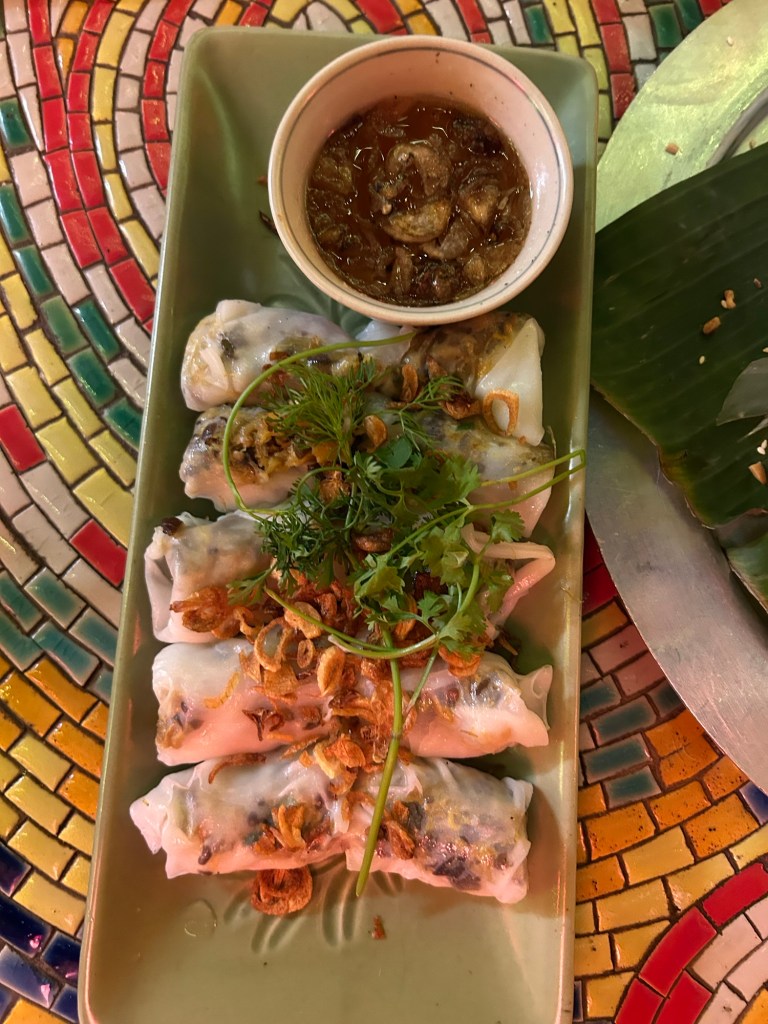
Supper followed the ceremony. We were served a three course meal that would have a small family. The food was delicious. We had been drinking Chang beer in Thailand. Now the beer is Beerlao. Equally good on a hot day.

Enter was rice with fried lemongrass chicken and ginger pork.

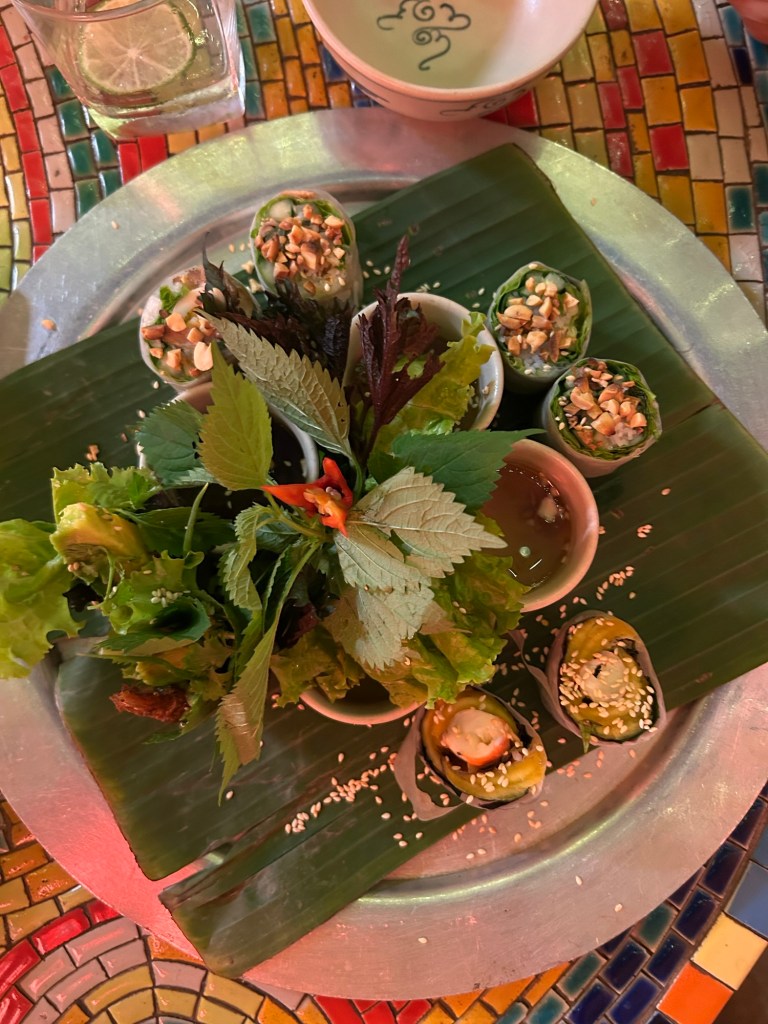
Pumpkin vegetable soup, spring rolls with tofu and crispy river weeds

A troupe of traditional Laos dancers performed for us during supper accompanied by traditional music.

Hanuman (monkey) God came to play

It didn’t take long to crash after our return to the hotel. Tomorrow we go exploring Luang Prabang.

A day with Elephants!

Today was all about Elephants. There are approximately 8,000 Asian elephants in Thailand. Approximately 4600 in the wild and 3400 in captivity. Historically, elephants were used as tanks in warfare or heavy equipment in farming and forestry. As the timber industry changed, the role for elephants shifted to tourism, either to perform in shows or to give rides to tourists.

Kanta Elephant sanctuary

We spent our morning at the Kanta Elephant sanctuary. They are a non-profit operating near Chiang Mai with a mandate to rescue elephants from either work or tourist riding environments. They also take care of elephants who were privately owned but the family no longer wants to care for them. The “rescue” is typically a purchase of the elephant at a cost of $60,000 or more per animal. The oldest elephant at the sanctuary is 70 years old and the youngest, born at the sanctuary, is approximately 2 years.

We all wore nifty “scrubs” to protect us from dust and elephant snot. We all got pretty dusty and it was good to have something to wipe our hands on after feeding the elephants. Their trunks are moist and soft when they snuffle the food out of your hand. They were so patient with us, they allowed us to pet and hug them.

Each elephant is paired with a Mahout (caretaker). This is a mutual pairing. The person and the elephant have to connect to make the relationship work. The Mahout is responsible for meeting all of the elephants needs. We were told that elephants in the wild are herd animals, while elephants who have been in captivity are more individualistic and rely on their bond with their ”papa” (Mahout). The mahout essentially lives with their elephant being on call 20/24 hours a day (Elephants only sleep 4 hours/day). There are 32 mahout who work for the sanctuary and live onsite. The sanctuary employs 120 people to care for the elephants, manage the tourist program, care for the site, provide veterinary care and do research.
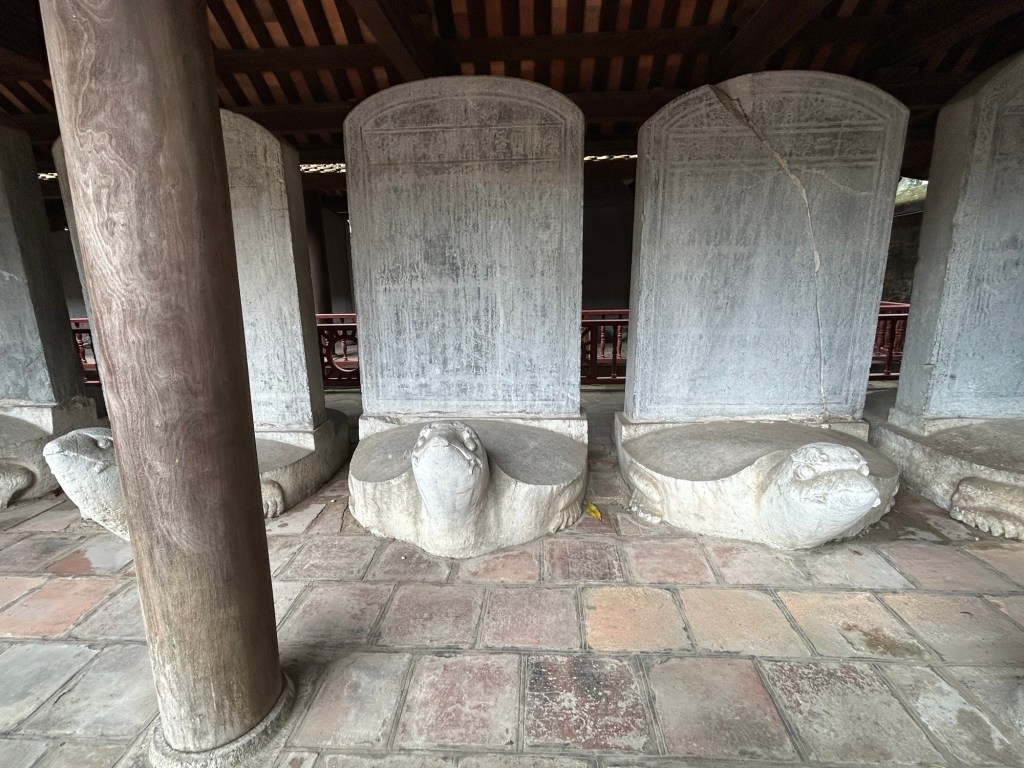
Elephants like the softer sugar cane stalks best and can differentiate the preferred from the rest by smell and texture. They like bananas better

. We made herbal vitamin balls out of tamarind paste, bananas, vitamin pellets and salt and then got to put them in the elephant’s mouth. Their tongues are soft and somewhat slimy as we learned when putting the ball into their mouths. The elephants were patient with us.
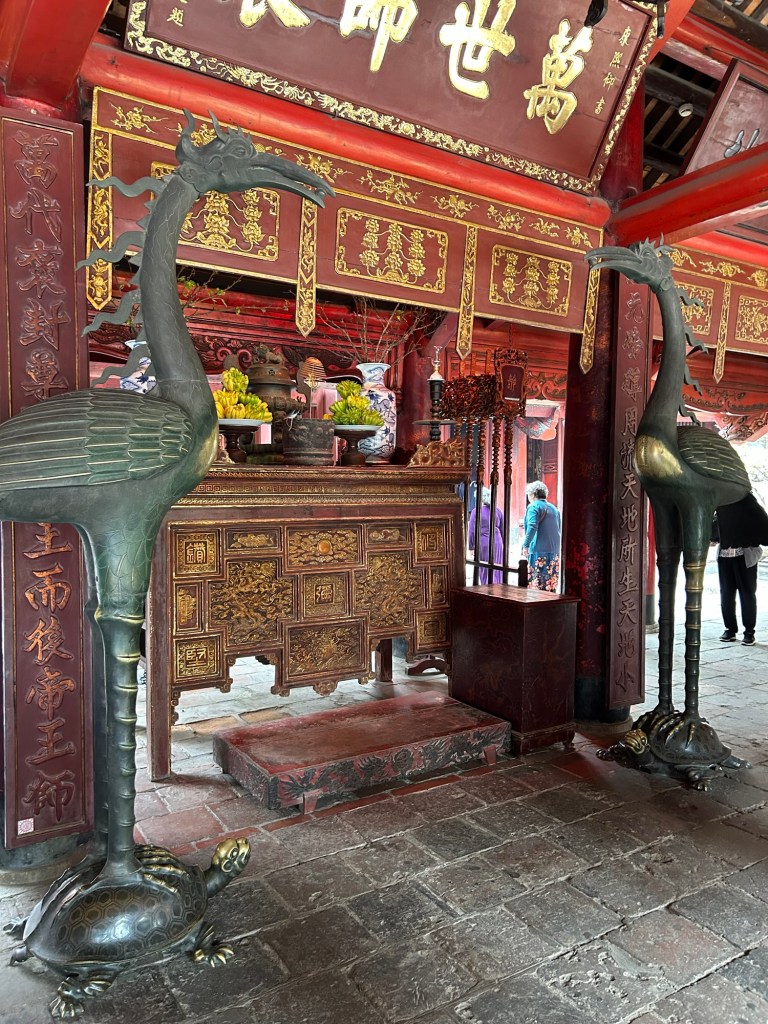
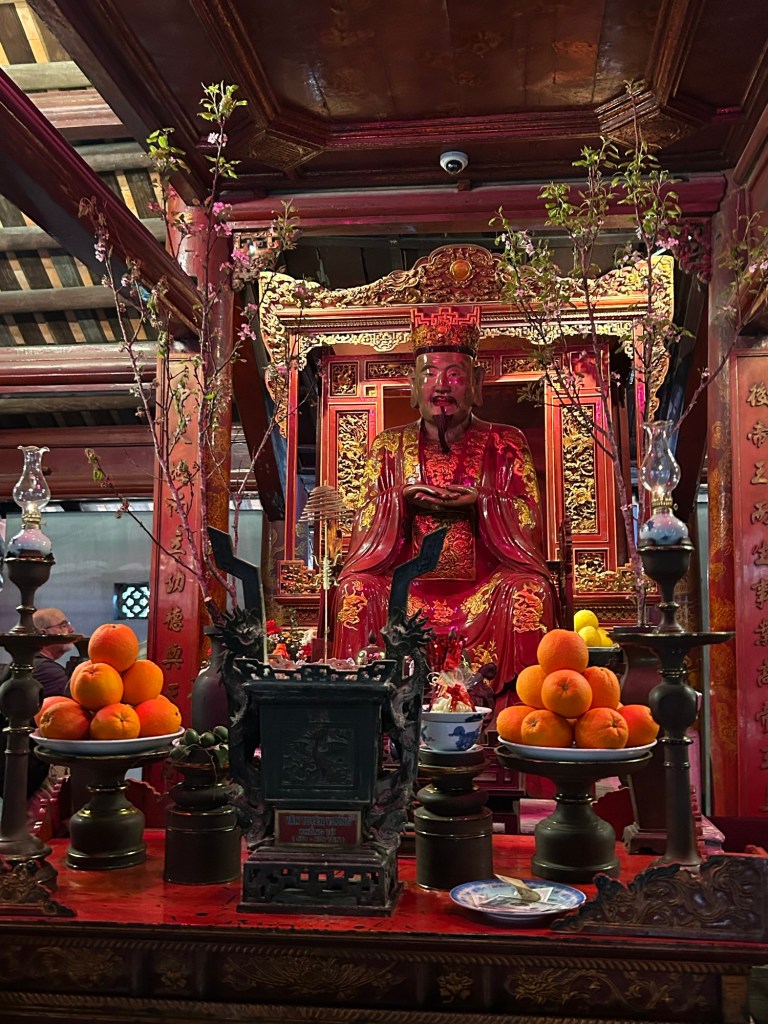
Greg with hand rolled vitamin balls
inside an elephant’s mouth – the teeth are designed to grind.

We had the opportunity to feed the elephants, hang out with them and some of us got into the pond to wash them. It was great. They were such gentle beasts who seemed very content to interact with us (especially when it came to getting sugar cane and bananas)

The youngest elephant taking a bath
Going into the watering hole to help scrub the elephants.
Dale giving a banana treat

We had a relaxing afternoon by the pool followed by dinner and shopping in the night market in Chiang Mai.

Eggplant, chicken, chillies and rice for dinner.
Chiang Mai night market

Today we are flying to Laos for the next leg of our adventure. We can’t believe we are into our second week already. So much more to come.

Out and about in Chiang Mai

We had an early breakfast before heading out to the Wat Suandok. Wat is a term used to describe temples. However, the term also includes all the buildings supporting the temple such as the Stupa, main buildings where teaching happens, the monastery where monks live, etc. The one we visited today was founded in 1373 and included monuments honouring the ancestors of families over centuries.

The story goes (as far as I could follow) that a man found a relic of Buddha and brought it to the king who didn’t believe it was real. Another powerful person believed that the relic was true and invited the person to house the Buddha with him. However, the Buddha relic broke in two. The powerful man decided to bury half of the relic at this temple. It is buried in the ground and a large Stupa has been built and rebuilt over it for hundreds of years. A stupa is typically built of brick/concrete overlaid with glass and plaster that is painted gold. It is maintained and added to as time goes by.

The golden Stupa over one half of the Buddha relic

The second half of the relic was placed in a reliquary and put on the back of an elephant. The elephant wandered until it finally lay down and died. This was the place where another temple was built and the Buddha relic piece was again hidden in the ground and a stupa placed over it (more on this story later).

KK, a monk from the temple gave us a lecture about the basic tenets of Buddhism. He was an animated speaker who made a complex topic simple.

Young monks receiving a lecture
KK, our teacher for today
Today’s teachings

Our second stop of the day was the Doi Su Thep temple on a mountain overlooking Chiang Mai. We climbed the 309 steps to the temple occasionally using the snake’s tail as a railing. The climb was steep and we were grateful that the temperature was only 29C.

The 309 Naga (snake) guarded steps to the Temple.

The temple is thought to have been built in 1383 and is considered a very sacred site in Thailand. This is where the second half of the Buddha relic is thought to be buried.

The story of the relic carved in teak.

This temple was vibrant with all manor of decorations. For example the lanterns strung around the buildings are one way to show respect at the temple. People write their family names on the lamps, make a donation and then they are hung. The colour of the lamp reflects the day you were born. In my case, Tuesday’s colour is pink. Dale’s a Sunday child and his colour is Red.

Birthday lanterns

We wandered the temple grounds admiring the buildings and statues. There was so much to see that it was difficult to find a place to look. There were Buddha statues everywhere.

Doi Su Thep Temple
Tuesday children are connected to the reclining Buddha

While some of us climbed down the 309 stairs, I took the funicular down to the bus to spare my knees. We headed back to town and went for lunch at a local restaurant. The soup they served was spectacular and definitely hit the spot. We returned to our hotel for a bit of a siesta before heading to our evening adventure.

We went to a Lanna family home for dinner. Our host, Joe, welcomed us to his home and shared that he and 12 members of his family currently live on the property that has been in his family for 5 generations. The family were originally farmers growing rice. They now grow many things and focus on making sticky rice. Joe described that his family were 1) animistic (I.e., they believe in spirits), 2) Buddhist, 3) Hindu and 4) followed Feng Shui. He invited us to make bouquets to make an offering at their spirit house before coming into the building.

The Lanna family home
Our bouquets offerings on the spirit house

The family home was over 30 years old and was the second version of their home. The original one was made of teak. It was torn down to make way for a new building. Teak is no longer harvested so they rebuilt using a cement frame and recovered teak from the original building. The living area was on the second floor.

Joe teaching us how to make tea

Joe taught us how they traditionally make tea. He showed us how to take some fermented assam black tea, add a grain of salt to make a good chew. It was surprisingly tasty. More so than his second offering of chewing betelnuts. We were shown to take a Pann leaf, add some dried betelnut, some tree bark and sap from a specific tree and, after wrapping it into a small bundle, chew it without swallowing it. We were encouraged to spit it out. The taste was sharp and unpleasant and left our mouths numb but is supposed to give an energetic boost. It is definitely an acquired taste, that if acquired can lead to addiction or cancer.

We were invited to join the family for dinner. The food was varied with lots of choices. We had a huge variety of appetizers followed by a main course composed of several dishes and desert- bananas in coconut milk accompanied by fresh passion fruit and pineapple. As we finished our meal our hosts gave us a parting gift of fresh tamarind seeds (delicious once you figure out what parts to eat/not eat).

Appetizers
Our main course with sticky rice
Dessert

A short van ride back to the hotel ended our evening and we retired to get ready to hang out with elephants tomorrow.

Our first evening in Chiang Mai

We arrived at our hotel after an uneventful 75 minute flight. It has been a relaxing day. We checked in and then did a bit of a walkabout with our guide. We are staying in the Night Market area of Chiang Mai. It is a vibrant area with lots of stalls open from 6-11 pm every night.

Night Market

We went to the Chef’s Together restaurant by the river for a lovely dinner. The weather was still 30+ degrees but the breeze made it nice sitting outside weather.

It was an early night. Tomorrow we are off to explore this part of the country. Our guide described that this part of Thailand moves at a much slower pace than the south. It was already noticeable in the market. Let’s see what tomorrow brings.

Reflections upon leaving Bangkok

We enjoyed our time in Bangkok and can’t believe that we have been here for one week already. We are now in the airport getting ready for our flight to Chiang Mai, another major city in Thailand. Our guide took the opportunity to describe the Thai healthcare system on the drive to the airport. There is universal healthcare here. Each of the 77 provinces in Thailand have their own hospitals and each village has access to medical clinics. There is also a private care system for people with medical insurance. People who work for the government have a benefit package that, for many, makes up for poor wages for civil servants. Not only does the package include quicker access to medical services, but discounts on other services such as air travel. Medical tourism is supported by the government and travel industry. Tourist resorts partner with private hospitals to provide surgeries and rehabilitation services. Most of the medical professionals providing this care are foreign trained.

It was a long, hot day yesterday and we learned so much that I couldn’t include it all in yesterday’s blog. As we explored the Palace, Dome (our guide) told us the story of the myth that was reflected in many of the building decorations in the Grand Palace. Ramayana was the avatar of Vishnu, a Hindu god. Ramayana is revered as the embodiment of righteousness and virtue and the story is called the Ramakeien in Thai. The story is told in murals inside the temple of the Emerald Buddha. These Asura Giants guard the gates of the complex.

Dome described that Ramayana had a beautiful wife (Siri). The Demon King became obsessed with her beauty and kidnapped her, taking her to his kingdom. This caused Ramayana to pursue her and the ensuing fight pitted his army, led by Monkey generals, against the Demon King’s forces. Ramayana prevailed and got his wife back and went on to live a peaceful life. The morals of the story are to 1) be faithful to loved ones and 2) struggle with right action as, in the long run, good always wins. These giants are

Dome is also providing us with some insights into Buddhist philosophy. There are three basic rules to follow: 1) don’t do bad things, 2) do good things and 3) purify your mind. These seem pretty simple. Dome was clear that you need to embody all three principles, not just think about avoiding bad/doing good. He reflected that many people seek enlightenment without paying attention to the basics and also tend to be frustrated in their pursuit of happiness.

Many of the statues on the palace grounds are actually Chinese. The Thai would export teak wood to china which is heavy. They would bring back stone carvings or stone blocks as ballast for the return journey. Because it was considered disrespectful to Royal authority to have the stone in private houses, therefore it was put to use in the Palace grounds.
We have arrived in Chiang Mai in Northern Thailand and are settling in before heading out on a tour of the night market – more to come.

The Grand Palace and Reclining Buddha

We started our day very early. We were on our way after a fantastic buffet breakfast by 7:30 am. Our first mode of transportation was a local Choa Phraya Express Boat that took us to the dock nearest the Grand Palace. Travel by river is a great way to view the city.

The Royal Grand Palace was built in 1782 after the King Rama I (1782-1809) moved the capital city from one side of the Chao Phraya River (the main river in Thailand) to the other. He “encouraged” a Chinese community to vacate the riverfront property he wanted for his palace. They moved and he built a sprawling complex over 218,000 sq meters. The grounds were both residential and administrative in focus. It was difficult to focus on the larger site because there were so many buildings, Stupa and statues. Everything was beautifully decorated and it was impossible to ignore the detailed craftsmanship.

To give some perspective
The current King

The Royal family don’t live there anymore and it is largely a tourist attraction except for the ceremonial aspects that continue to occur. For example, The former queen’s body has been lying in state since she died in November 2025. They are preparing the funeral pyre site outside the palace for her cremation sometime this year. As a result we were not able to go into one of the main buildings. There was enough to see outside. I should mention that it was 34C today with 60% humidity which made us very thirsty. Road Scholar provided us with insulated water bottles and our guide was good at keeping us in the shade and finding filtered water fountains to keep us refuelled. The glare of sun on stone and the crowds added to our discomfort, however, the beauty of the site kept us going.

Where the former Queen is lying in state

There were many buildings in the complex One of them housed the Emerald Buddha. This is the most important relic in Thailand. It was found in 1434 in Chiang Rai and has a remarkable history of changing owners and locations. Rama I brought it to Bangkok in 1782 and it remains on display in the Chapel Royal. It is the spiritual protector of Thailand and a symbol of national unity. There was a huge crowd at the complex today because of Chinese New Year and they all wanted to see the Buddha at the same time. The crowd was intense. We took off our shoes and crammed our way through the mob to briefly glance at the statue. The chapel was beautifully decorated and the Buddha was placed high above the ground. We were not allowed to photograph the Buddha within the chapel. I was able to use my telephoto lens to take a picture from outside the chapel. The crowd reminded us of our experience of the Taj Mahal in India. It was an intense mob experience but we survived.

The Emerald Buddha

We left the Grand Palace and set out for our next stop via tuk tuks. These vehicles were like high powered golf carts with passengers in back instead of clubs. The ride was fast and wild as the tuk tuk driver wove in and out of the jammed traffic.

We came to a screeching halt at Wat Pho, the shrine of the Reclining Buddha. This gold-plated Buddha is 45 m long and 15 m high. Its feet are inscribed with mother of peals symbols. It commemorates the historical Buddha’s passing into Nirvana. The crowds were less intense at this shrine and we were able to get a good look. The temple complex is also the original site where Thai Massage was created.

The bottom of his feet
There were over 1000 statues of Buddha in this temple, collected from all over Thailand. The black Buddha is what the statues look like before being painted gold

One of the lessons we have learned is that the traffic in Bangkok is unmanageable. We were to take a van to our next stop – lunch. it took almost 30 minutes for our drivers to get to us after our guide called for pick up. Lunch was delicious spring rolls, chicken soup and Pad Thai. We learned that Pad Tai was invented in the 1930’s to combat poverty. Rice flour was an economical source of food the noodles were combined with spices, vegetables and whatever protein was available. It worked and pad Thai continues to be a meal that sustains you.

Our return to the hotel was significant as we were primed to get back in the pool. It was so refreshing after a day of standing on stone paths in the baking sun. We ate like kings at our welcome banquet and called it a night to ensure we had time to pack for our relocation flight tomorrow.

Our pool
The view from our hotel room

Shifting to our tour

Our day started by moving from our AirB&B to the tour hotel. This did not take long and allowed us to have lunch while we waited for our rooms to be ready. The highlight of the afternoon was the opportunity to go swimming in the wonderfully cool outdoor pool.

We spent a few hours in and out of this pool before it was time to meet our tour. There will be 23 of us travelling together with our guide Dome. There are a total of 7 Canadians on the tour and everyone else is American. Dome gave us the overview of what to expect over the next 2.5 weeks. Road Scholar is an educational tour company and as such we will get a great orientation to the culture and history of the 4 Countries we visit. We start tomorrow at 7:30 with a tour of the Grand Palace and a few other important sites, then it will be back to the pool before dinner. All is well.

A day on the road

Our day began with our usual coffee run and then everything else was different. We hired a van and a guide today and set out to explore the Thai countryside. Our guide, Marco, was a lovely man who did a great job of getting us to and through the places we wanted to see. English is one of the 5 languages he speaks but, as he put it, was at an elementary level. He learned English from a German monk in his home community. It was good enough to get us through.

Our first stop was a Khlong floating market on the Latmayom Canal outside Bangkok. It was an incredible food market with many different prepared foods onsite. We wandered and then had the opportunity to try different dishes. We ate well and continued on our journey to our second stop.

It was an ecological centre that had a health market going on. It was an unexpectedly wonderful stop. The grounds were beautiful with interesting plants and butterflies

Fruit of the he Pong Pong Tree – also called the Suicide Tree due to its use as a poison or trials by ordeal

Dale, Brian and Greg underwent a Tok Sen treatment which is essentially “hammer massage”. The therapists put the guys through 10 minutes of being pounded with mallets (https://www.instagram.com/reel/C9ZguJRvi5o/?hl=en).

We wandered the grounds and had the opportunity to witness a life lesson. A young lad was encouraged to learn where his food came from by joining the instructor in planting rice. It is a definitely messy job.

Our third stop of the day was the Maeklong Railway market. The train route between Samir Songkhram to Bangkok started in 1901 and the market beside the tracks started five years later. It is a crazy set up. The vendors have their stalls immediately beside the tracks. They are so close that when the train comes close, it blows its horn and the vendors start taking down their umbrellas and awnings and we were told to ensure we were behind the red line, approximately 12” from the track bed. The train then came through and continued on its way.

Our guide took us on a tour of the temple near the train. It was a construction site as buildings were being added to the grounds. Our guide was very knowledgeable about Buddhist traditions and shared that there are two types of Buddhist monks – those in the world and contemplative monks. The ones in the city focus on the building, the contemplatives focus on enlightenment. We lit coloured, flower shaped candles at the temple as a prayer for long life. Marco explained that the colour you chose was connected to the day of your birth. I was born on a Tuesday and therefore floated a purple candle that then circled in the font.
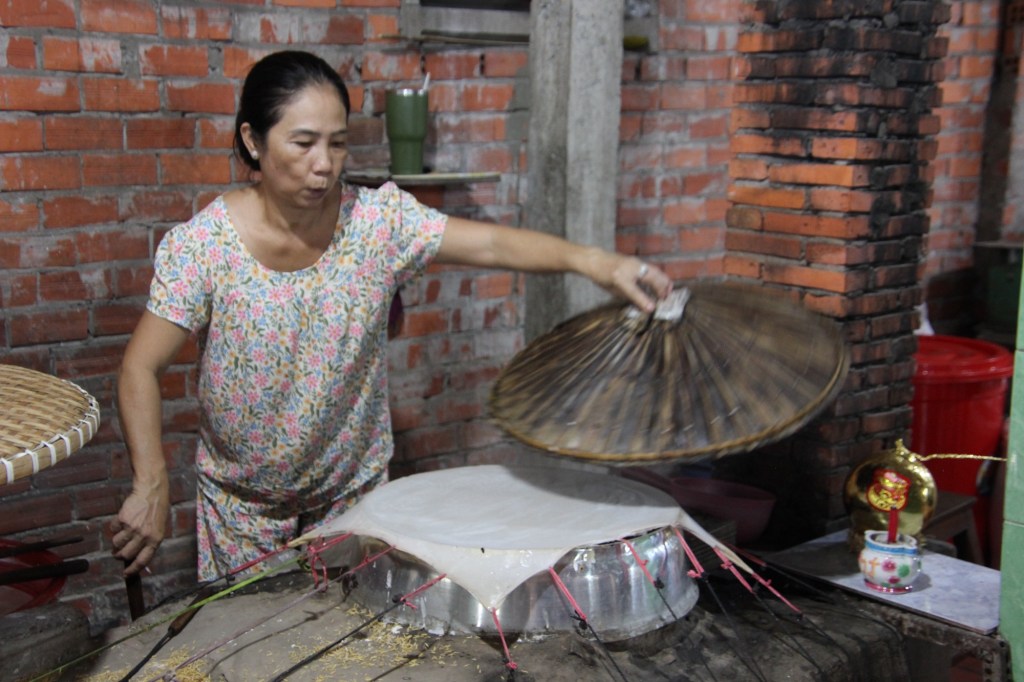
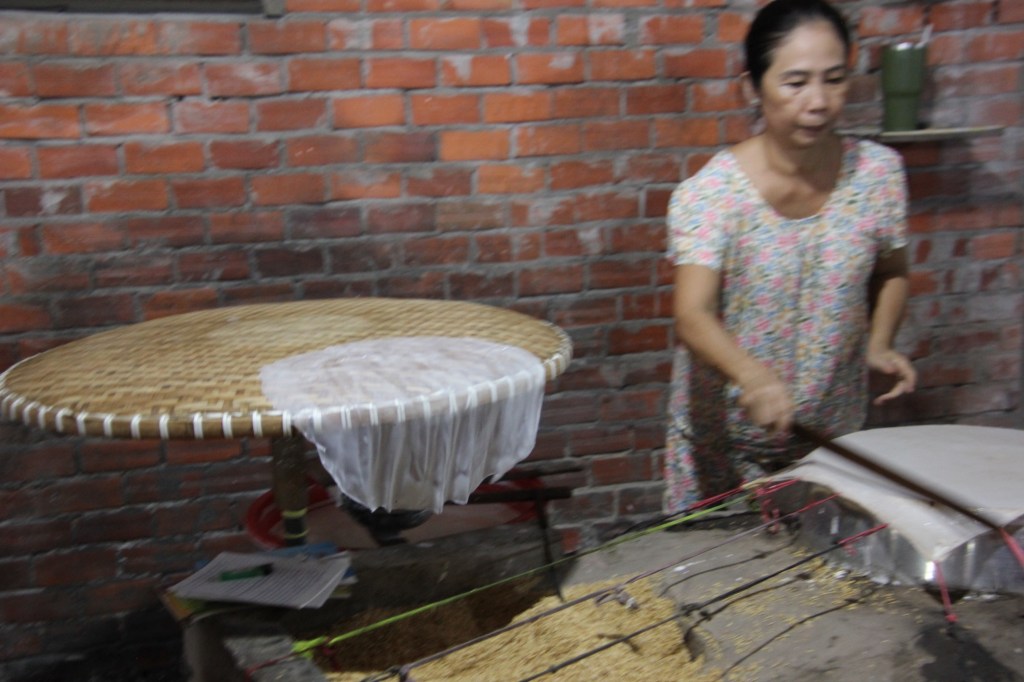
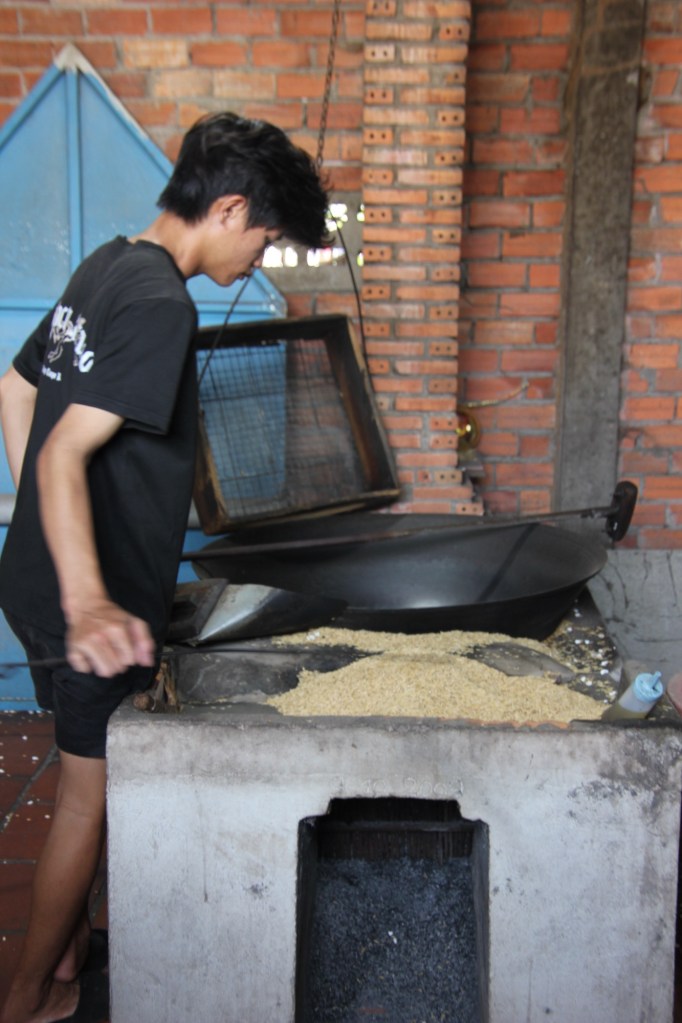
With a little time to kill before our final stop, we went to yet another market. This was a meeting market outside the temple. People coming home at the end of a day stop at this market for supper supplies. The variety of foods was impressive, especially the protein displays. Apparently salted silk worm larva are lovely (low fat, high protein). We didn’t stop to taste.

While we explored the temple area a family offered prayers of gratitude for a prayer answered through lighting firecrackers. They lifted strings of firecrackers up on a pulley, then lit them causing tremendous noise. It was pretty dramatic.

Our final stop was the Nassaus Light Festival. We stopped for a lovely Thai dinner before heading into the light show. It was spectacular. There were several people dressed in Traditional costuming for their pictures. Some were acting out specific scenes from folk tales. The scenes were elaborate/

It took us more than an hour to tour the displays. Then we piled back into the van for our 2 hour return trip to Bangkok. What a lovely day.

A trip to the Chatuchak Market

Our day started with a visit to the world’s largest Saturday market. It took us an hour car ride to get there but it was worth the drive. The market covers 35 acres and has over 15,000 stalls divided into sections. Each section sells different goods. There were stalls selling clothes, housewares, toys, hardware, luggage, fabrics, souvenirs, and pretty much anything you else can imagine.

The market map
One lane at the market – imagine a thousand more with vendors and buyers filling the space.

The market was started in 1942 as a government initiative to create markets in every province. It has operated on its current site since 1982. The market also had lots of food vendors. The number of people plus the heat made it an intense few hours of wandering and looking at all the choices of goods. It was sad in a way that so many of the vendors were selling similar goods. For example, we saw hundreds of vendors selling pants with elephants on them. There were some stalls where you could find local products, but many were obviously selling only what the tourists might like.

We decided to stop for a beer before finding our way back to the market entrance to wait for our next Grab ride. Our next stop was the Jim Thompson museum. It took forever (it seemed) to get there, but the site was beautiful. We decided to start with lunch and the hamburgers were delicious. It was only when we finished that we learned that you could only take guided tours of the museum and the next tour would be in one hour. We left without seeing the museum as it was too warm to just hang around. While we didn’t buy anything in the gift shop (silk is expensive!), it was interesting to see what was available.

The museum is housed in a building built in 1952 . Jim was instrumental in reviving the Thai silk trade and weaving production. The museum houses his art and furnishings that came from his years travelling while marketing silk. He was very successful in his many endeavours. In addition to being a business person, he was also a spy during WWII, who, after several years in Bangkok, disappeared on a trip to Malaysia and was never seen again.

Silk threads

An original pattern for silk weaving in Thailand

We left the museum and headed back to relax before going out for a leisurely dinner. Tomorrow is an exciting day as we have a guide and a driver picking us up for a full day outside of Bangkok.