
We arrived in Avignon after our day in Arles and were treated to a riverside view of the old city. Avignon is best known for the Pope’s palace and the celebrated St. Benezet bridge over the Rhone river. The old city is a UNESCO heritage site in large part due to the architecture. The main city wall is intact and has served the city well. The 4.5 km long, intact city walls were originally built for defensive purposes but now are more used to keep the city from being flooded than being invaded by enemies. The bridge has only 4 of its original 22 arches left and was originally a toll bridge
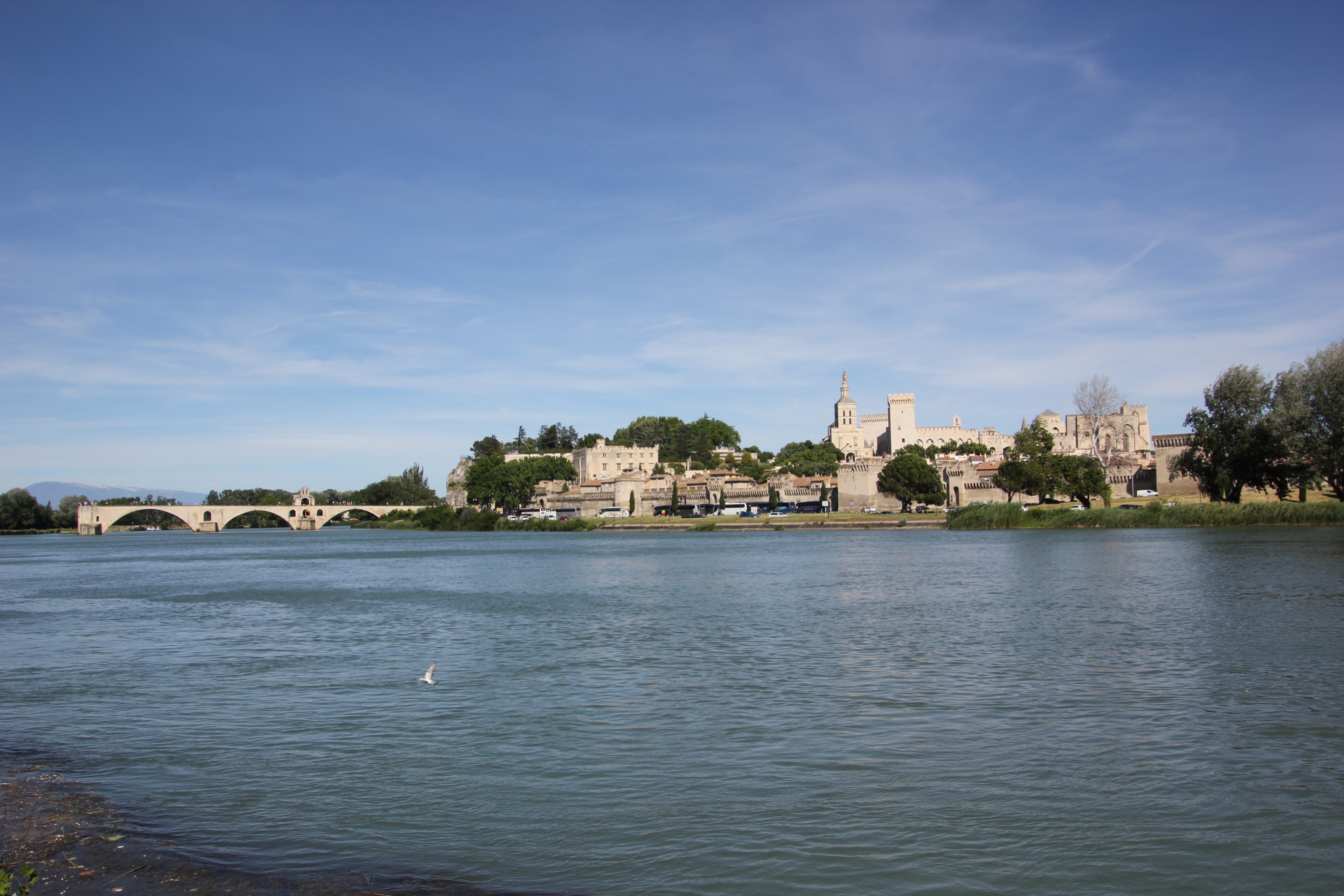
Pope Clement V decided to move the papal capital to Avignon due to political pressures in Rome. The popes lived in Avignon between 1309 and 1377 and all the popes were French during this period. This area remained under papal control until the French Revolution in 1791 when it became part of France. We had been to Avignon on our last tour of France, so Dale and I chose to skip the local tour and explore the Pont du Gard.
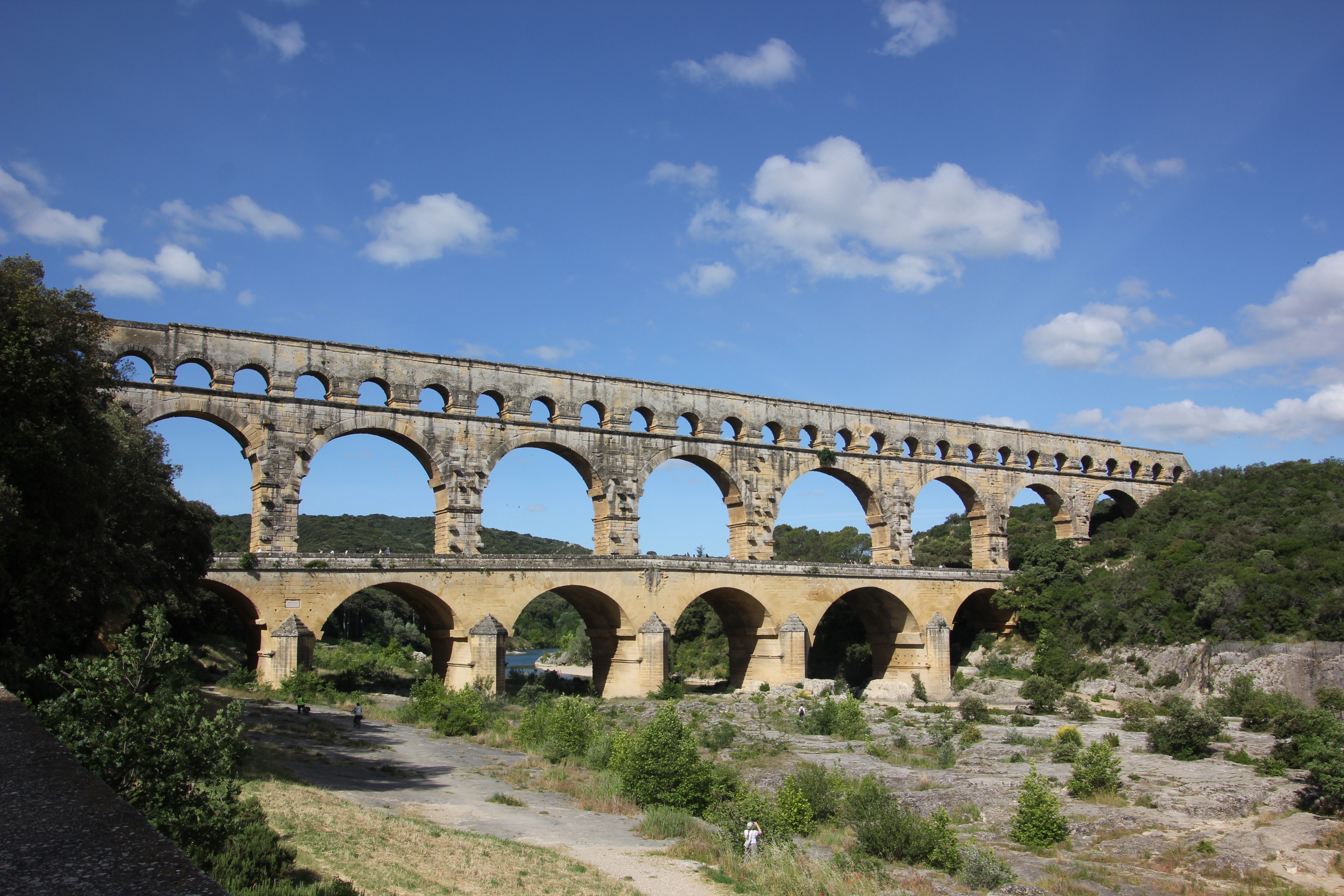
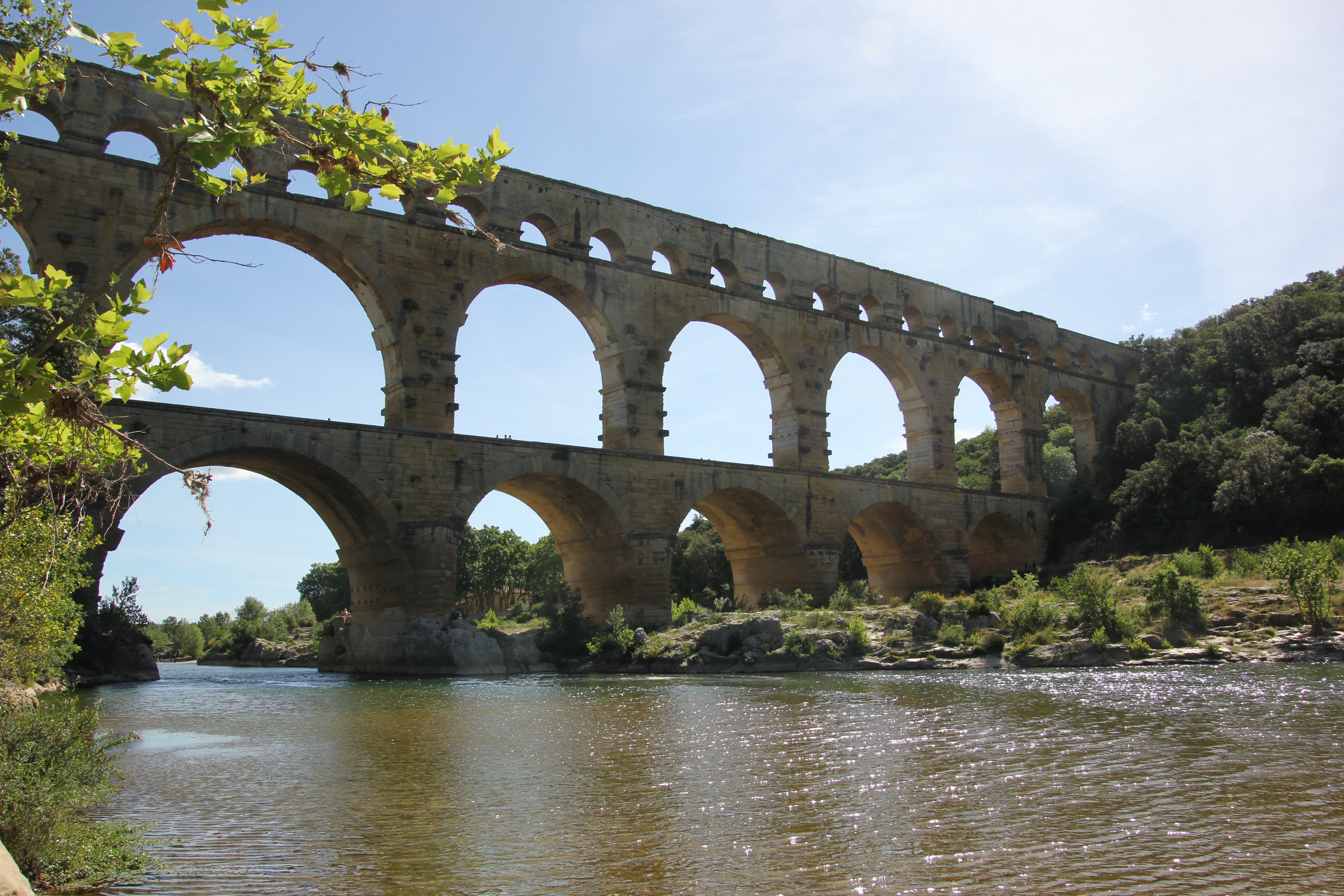
The Pont du Gard is a remnant of a Roman aqueduct that brought water from a spring near Uzes to Nimes. (I apologize for not using any accent marks as I haven’t any idea how to switch keyboards on my iPad). It took the Romans 15 years to build the whole 50km aqueduct of which 5 years was dedicated to building the 49 metre tall portion we explored. A modern road was added to the Roman structure in the 1750’s to facilitate crossing the Gard river. The construction of the whole structure was incredible. 90% of the aqueduct was underground. There was only a 12% slope from the start of the aqueduct to Nimes. We went up the hill to see where the water would have left the tunnel and flowed over the bridge. It was entirely covered by stone to ensure that the water retained its purity and didn’t evaporate. It was active for over 600 years. It was a public holiday during our visit here and the park was full of locals hiking and swimming in the river.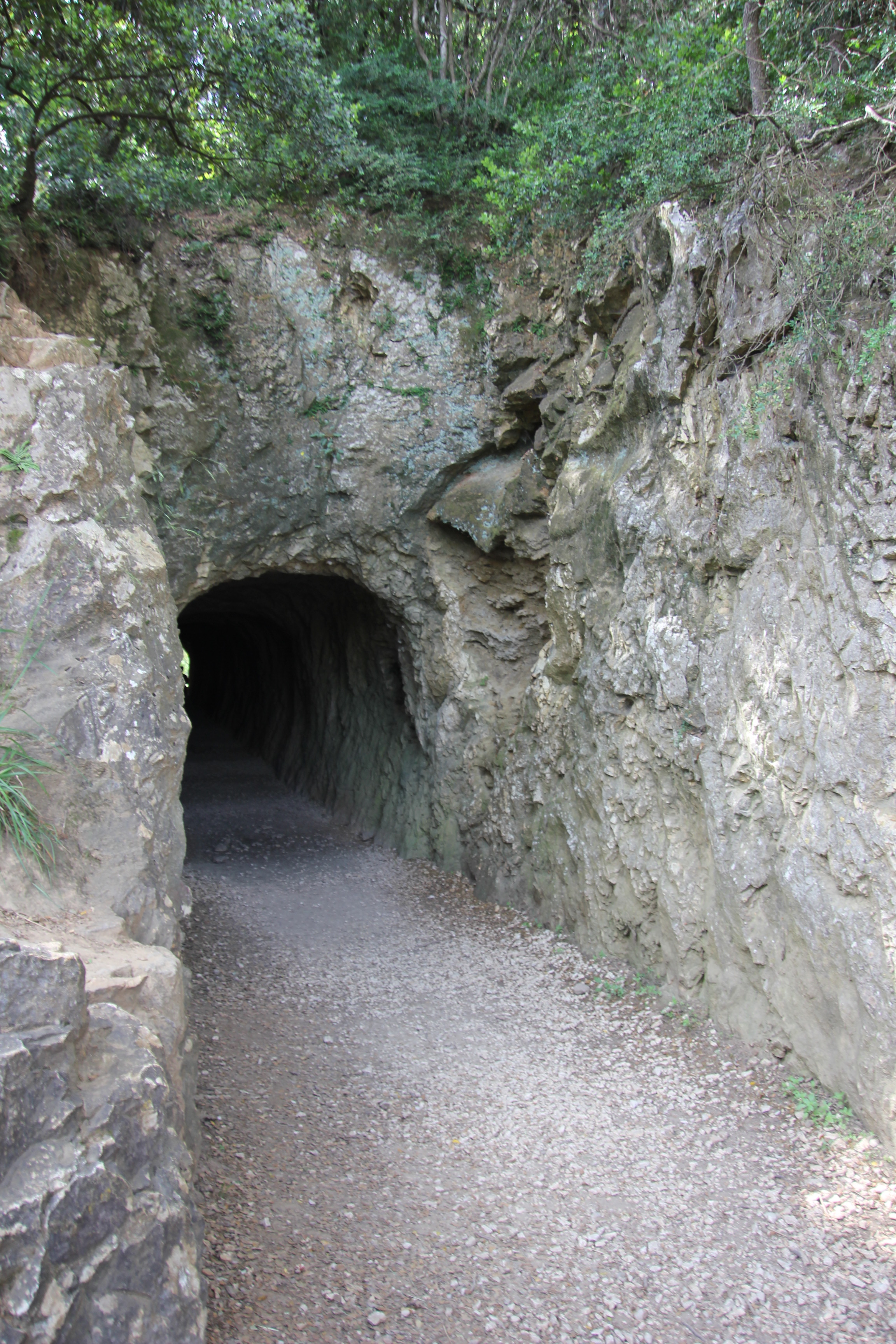
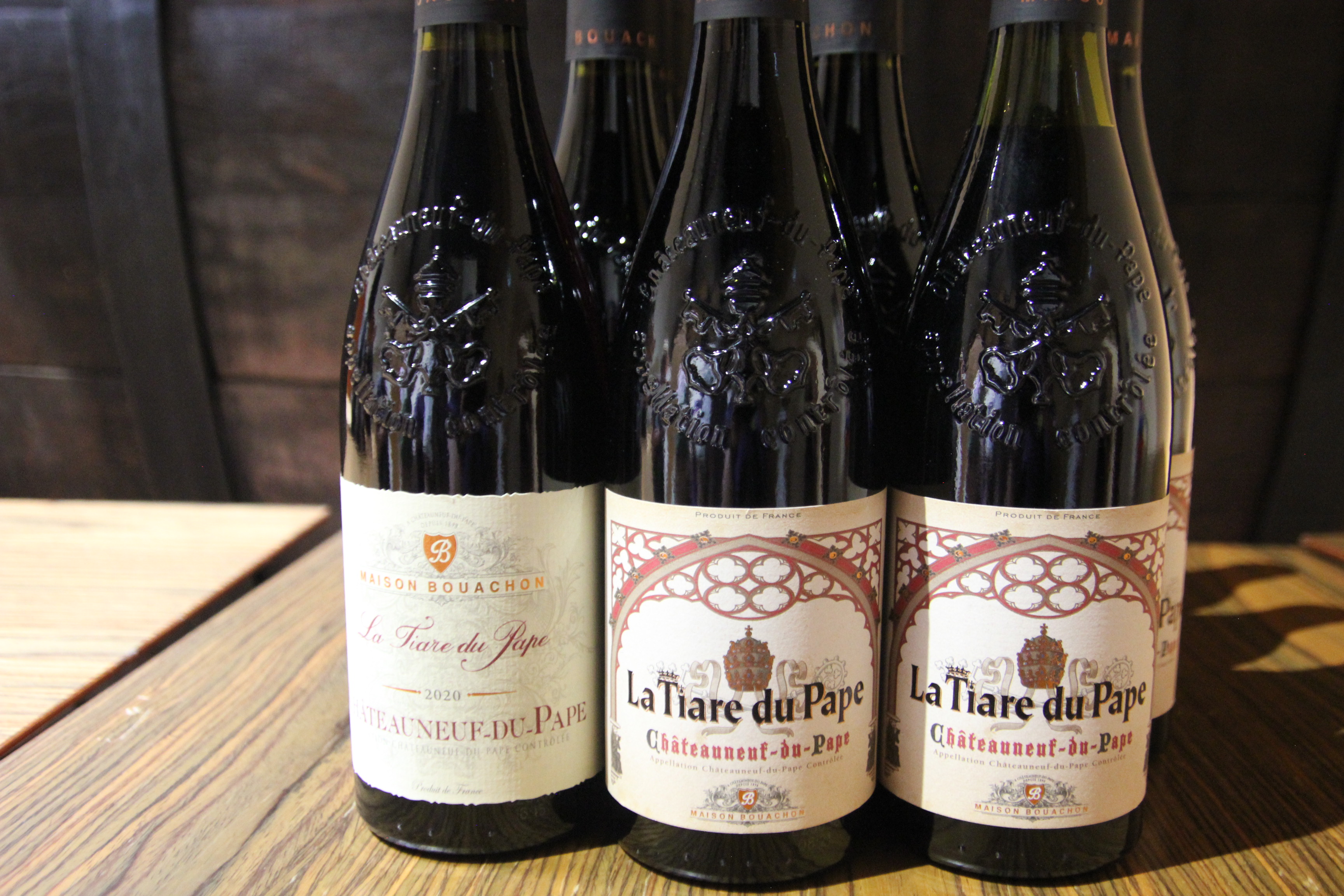
We returned in time for a quick lunch on our boat before taking off for an afternoon visit to Chateauneuf du Pape. This village is dedicated to wine production. While there are 2000 people who live in the town, there are 324 wineries. The Popes created a summer home in this community and started the vineyard to support their wine consumption. We visited the Bouachon vintner for a wine tasting and learned a lot about the manufacturing of one of our favourite wines. Chateauneuf du Pape wines are unique in that the grapes used to produce the wine are grown in fields lined with river rocks left over from the glaciers. It only rains approximately 60 days per year in this region and the rocks allow the water to sink into the ground and not evaporate easily. The rocks also absorb heat during the day and release it at night which maintains the temperature for the grapes and as a result the alcohol content of the wine is higher than other wines. The roots of these vines grow very deep (20-25m deep) to manage with the drought conditions. While there are 13 varietals of grapes that can be used to produce the name brand wines, typically the main three are used – Grenache, Syrah and Movedre. These grapes thrive in hot, windy conditions. All of the Chateauneuf du Pape grapes need to be harvested by hand which differs from the harvesting process for most Côtes du Rhône grapes.
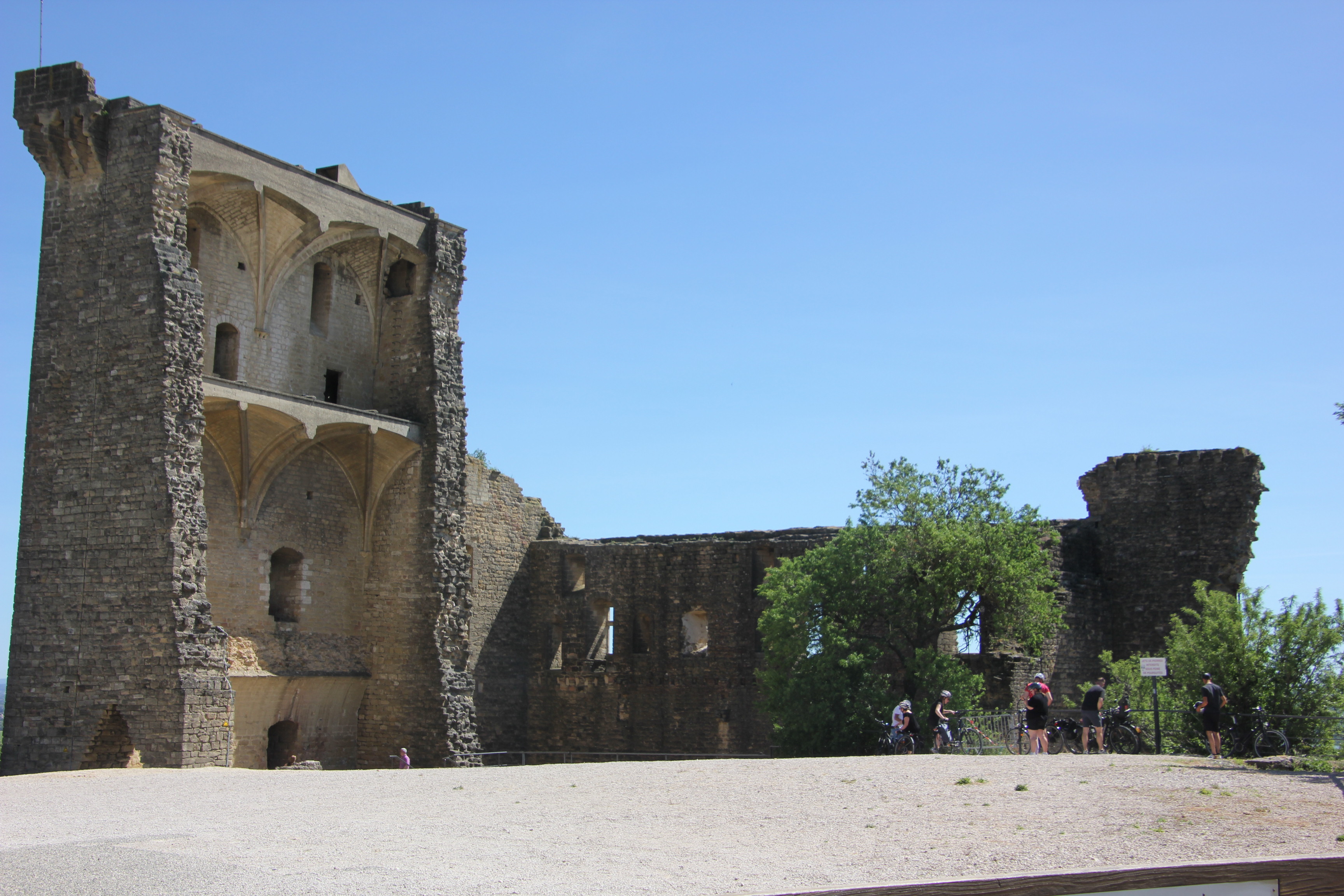
After our tasting, we were chauffeured to the remains of the actual summer home of the popes. It was perched high on a hill and we experienced the full impact of the Mistral winds. The view was impressive and we could see Avignon 12 km in the distance. The palace was destroyed over time as it was too expensive to maintain by the popes and it was used as a quarry for other projects. The donjon was left intact until German soldiers tried to blow it up in WWII. They were successful in destroying half of the building and that is what we can see now.
It was a full day today and we crashed after a delightful dinner. Our day tomorrow is a calm morning of travelling on the river and an afternoon of exploring Vivier.
 travelswithannmarie