January 14
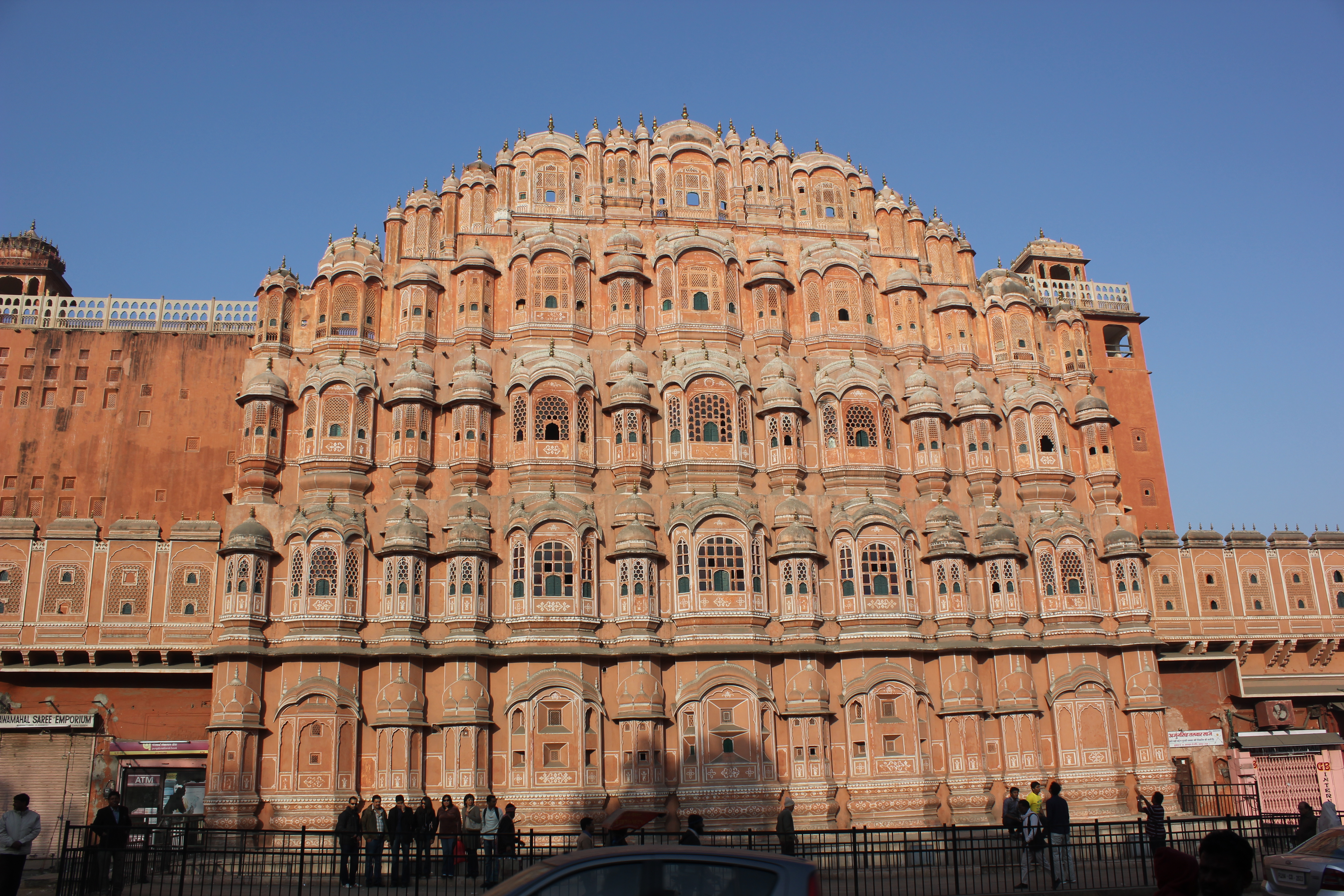
Today was jam-packed full of activities. We started our day with a brief stop at the Wind Palace. This is a huge façade built to provide a place for women to watch the activities happening in the square. It was huge with many screen windows all carved out of stone. The screens allowed the royal women to look out but interfered with people looking in at them.
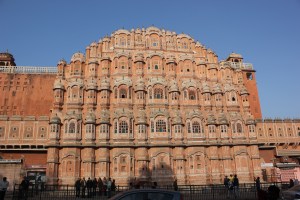
This was a common theme throughout India. Prior to the Moghul invasion, women appeared to have more prominence and freedom. However, after the Moghuls showed up, the Hindu rulers, even those who allegedly resisted the Moghuls well, converted to locking women away. We saw the screens in many of the palaces and forts. On a local level, we saw it in the villages where women were working alongside men doing very manual labour, dressed in saris with a thin veil over their faces. They kept the veil over their faces even while hauling big bowls of cement or rocks in the construction sites. Women in Bikaner, for example, generally wore scarves over their hair, but they would pull their veils over their faces if they noticed us. I have not figured it out yet as to why this works for people.
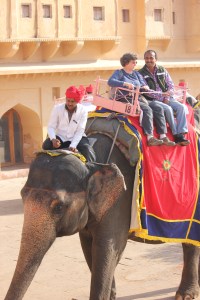
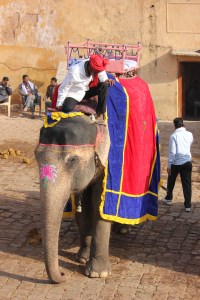
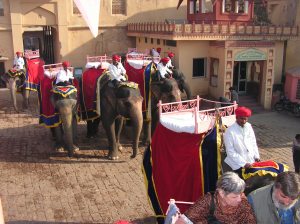
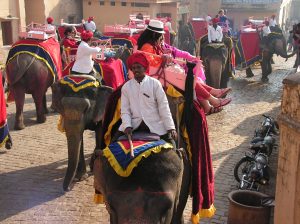
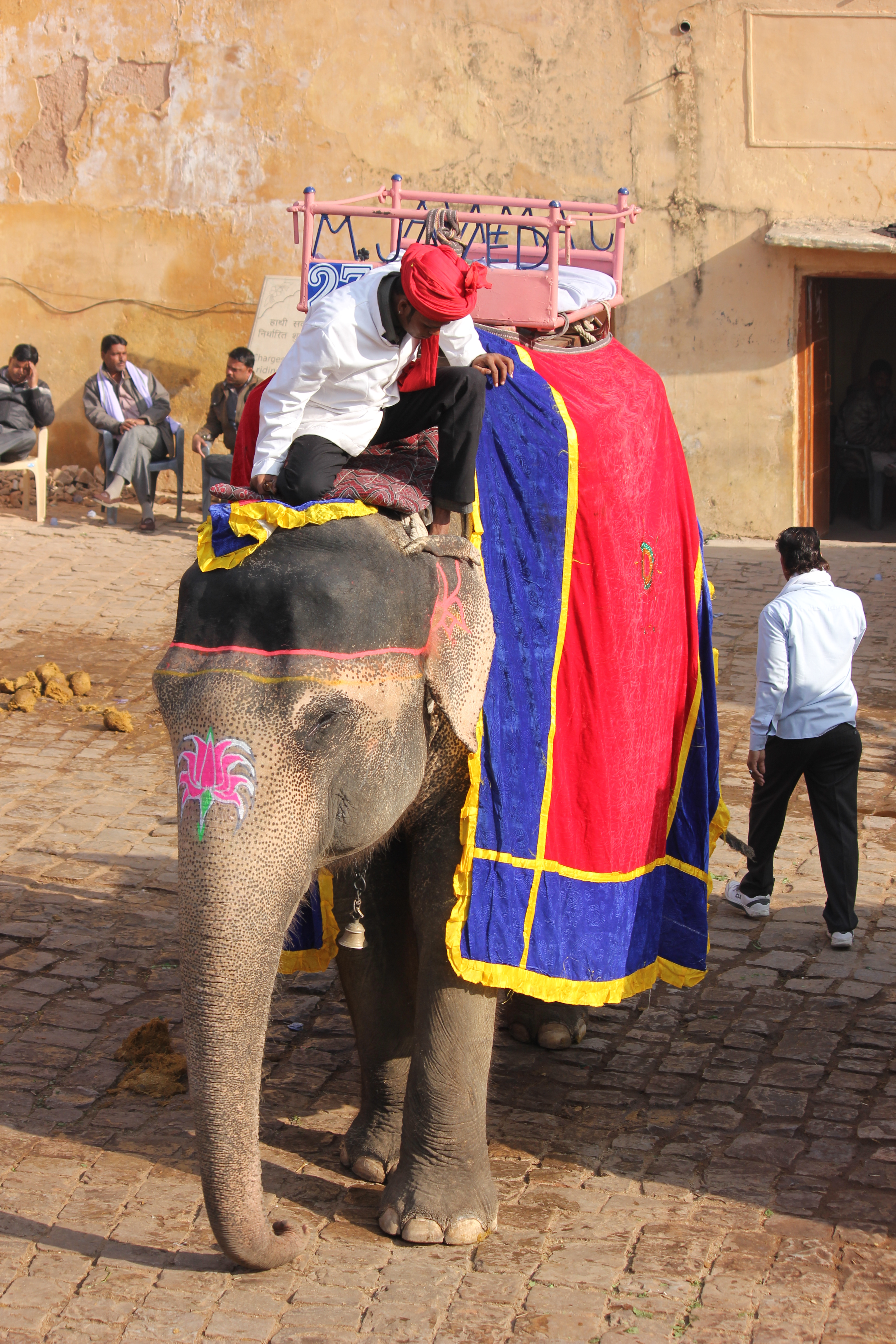
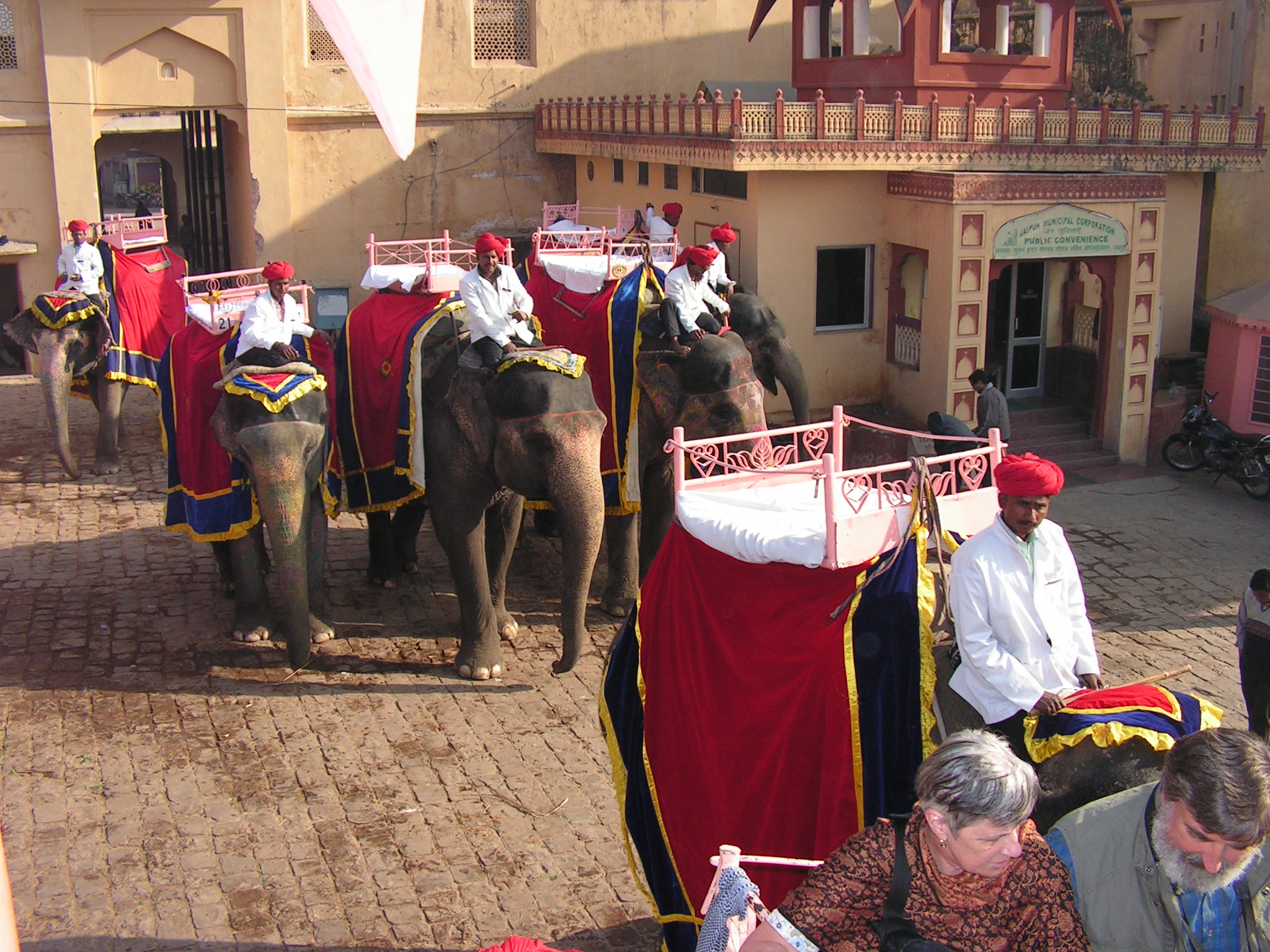
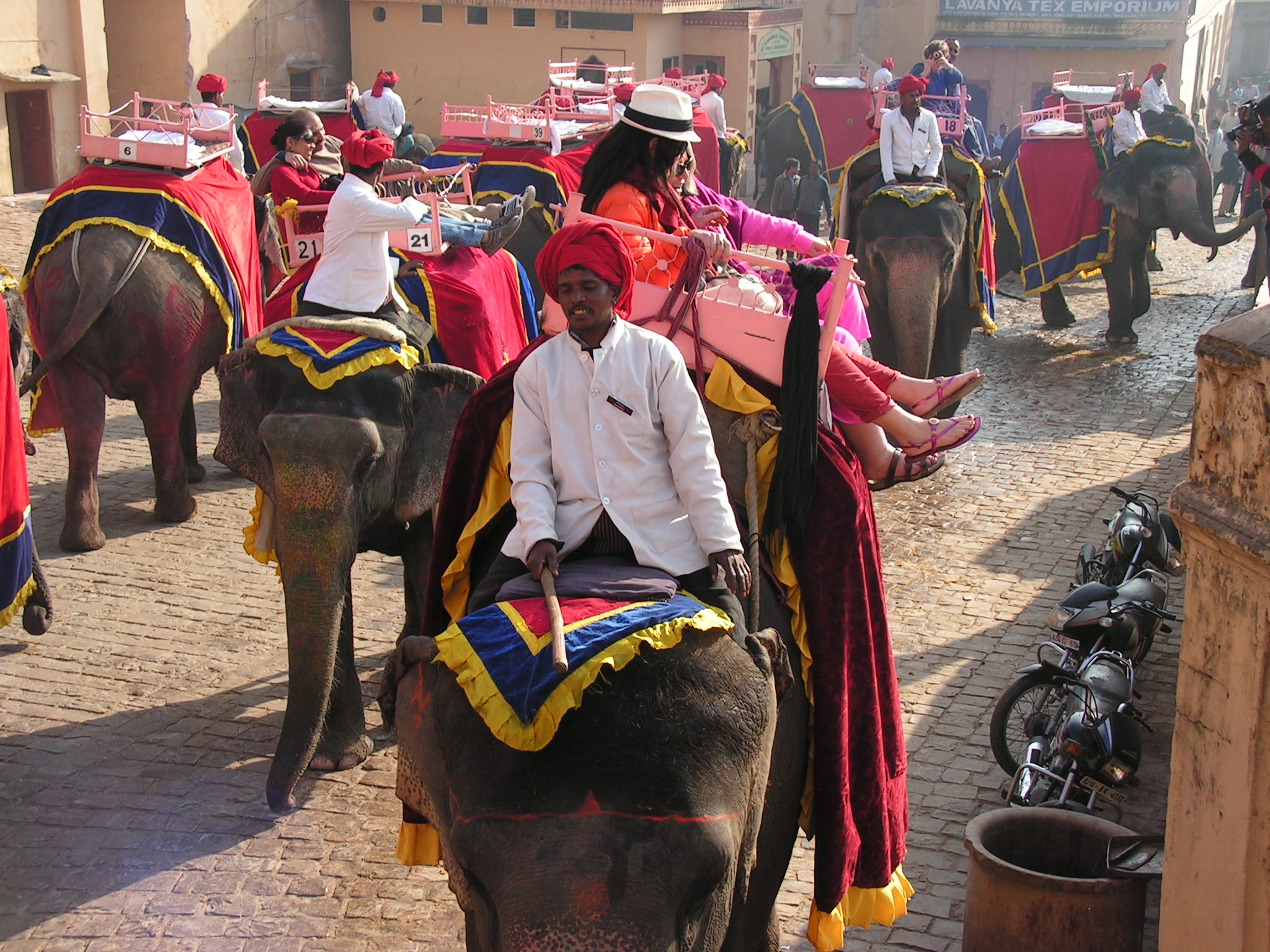
Our second stop was the Amber Palace. Of course, it was at the top of the hill. This time we did not walk. We took an elephant ride! There are a certain number of elephants available to give rides and they only offer the rides for a few hours in the morning. We were there early enough to have an elephant carry us up the long road. It took about 20 minutes to get there and it was literally wall-to-wall elephant on parade. The animals were brightly painted and calm. We lumbered along with our driver making idle chitchat. What was interesting was the way the driver kept the elephant on task and in position. We gave bananas to our elephant and a tip to the driver as we got off on the elephant alighting ledge. We were also able to pet our elephant. The skin was tough and with prickly hair. She was very patient and looked at us before lumbering off to get her next load of tourists.
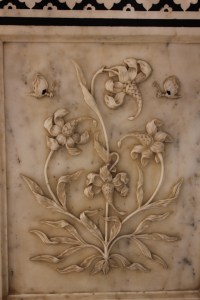
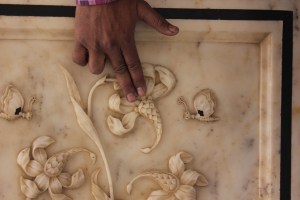
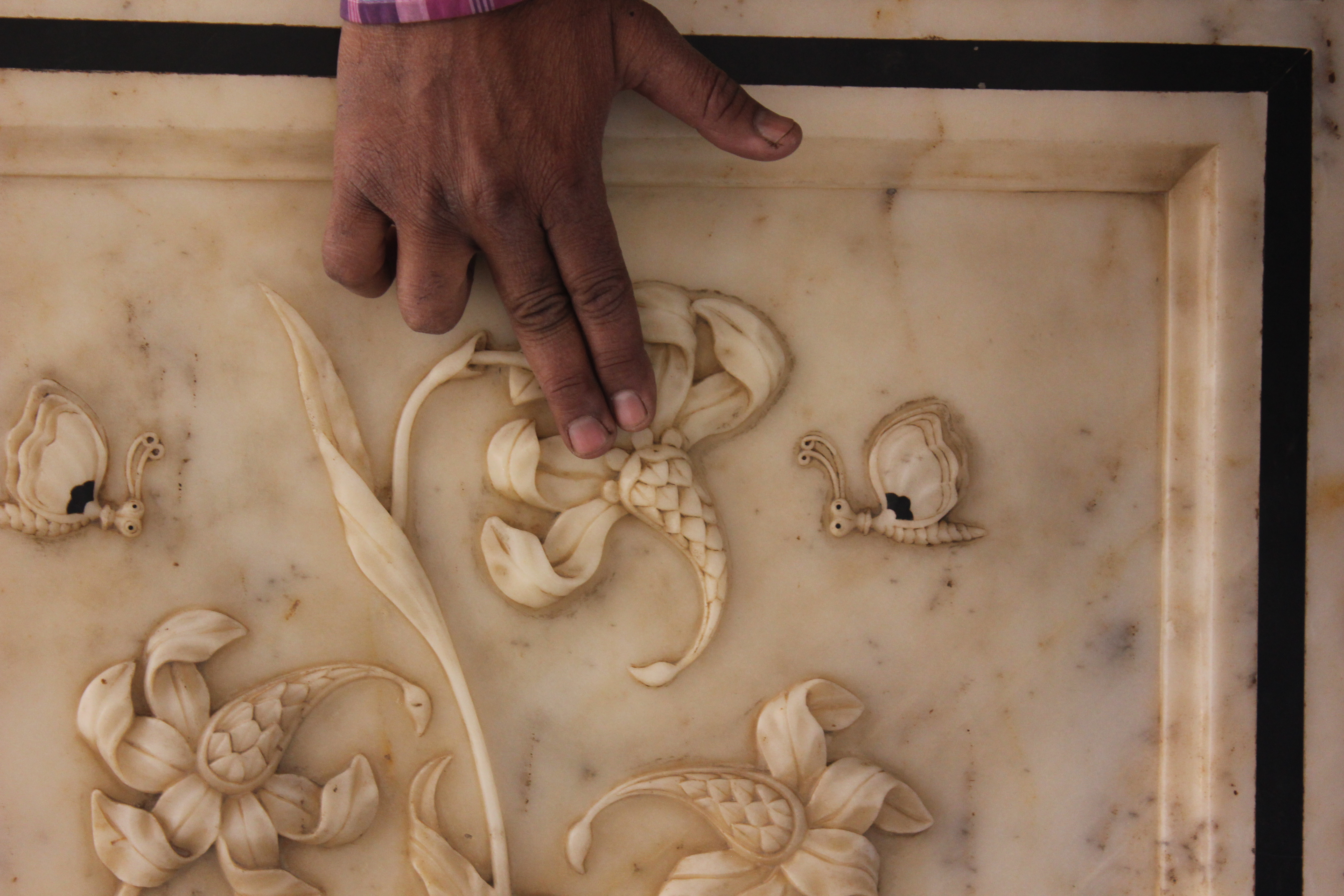
We explored the palace with our guide. The decorations in the presentation area were remarkable. The walls were covered with mirrors so that it would be a bright place. The columns were decorated with carved marble. The carvings were like those in the Taj Mahal, however, the flowers were symbolic and many had pictures within pictures.
We also explored the rooms the king created for his 12 wives. Marriages were political unions and children were important aspects of managing kingdoms. However, the king wanted to control as much of what happened within his palace as possible. Therefore, he had 12 identical two-story suites built. They all opened onto a common plaza. The women were only allowed to talk to each other in the plaza and were not allowed in each other’s suites. This was to prevent the women plotting together or against each other. The other interesting thing about the palace was that it was entirely wheel chair accessible. This was not because they cared for disabled people’s rights. It was because the women wore skirts and shawls that were so heavily embroidered with gold, silver and gems that they weighed about 30 pounds. When you consider that these were very small women to begin with, it is easy to see why they would need to be pushed around in wheel chairs by their servants.
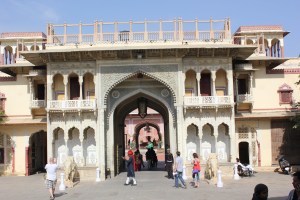
Our third stop was a brief one at the lake palace for a photo op and then we were onto the City Palace. The current Maharani is a sixteen-year-old boy who lives in the private part of the palace with his parents. His great-grandfather died at the age of 50 while playing polo in England. He was a hit on the world polo scene and mingling with British royalty. He was good friends with George VI and participated in WWI. The palace was spectacular. The castle walls were amazing. One thing that will ensure we return to Jaipur at one point (besides good friends, great hospitality, etc) is that our agenda didn’t allow for Dale to climb the extensive city walls.
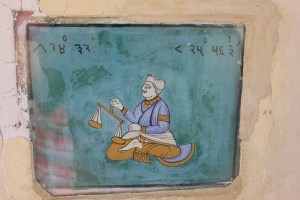
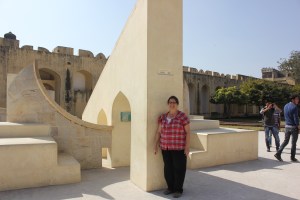
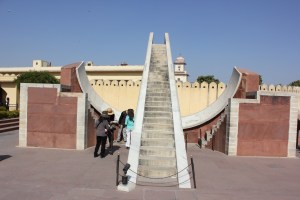
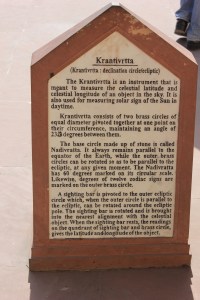
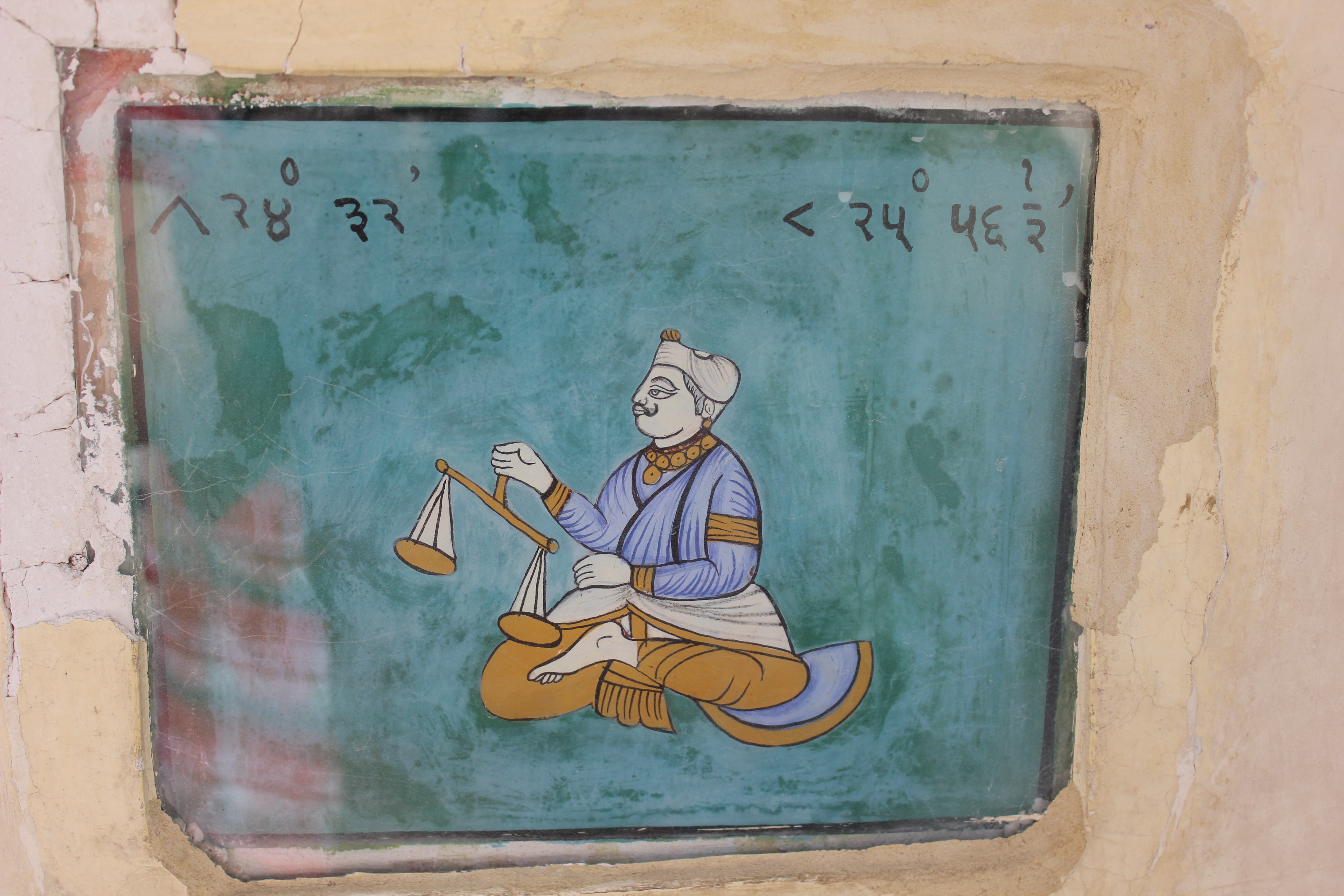
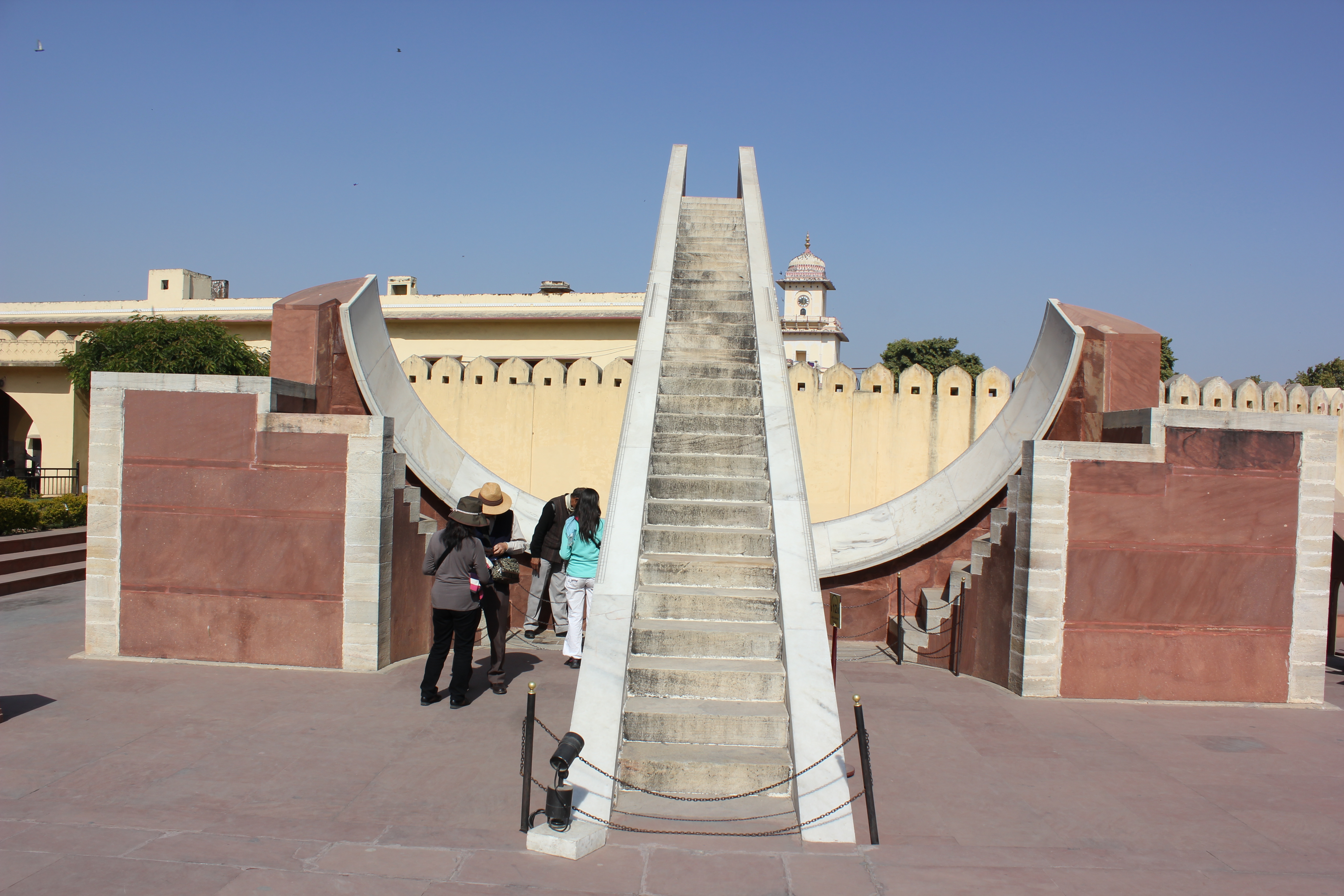
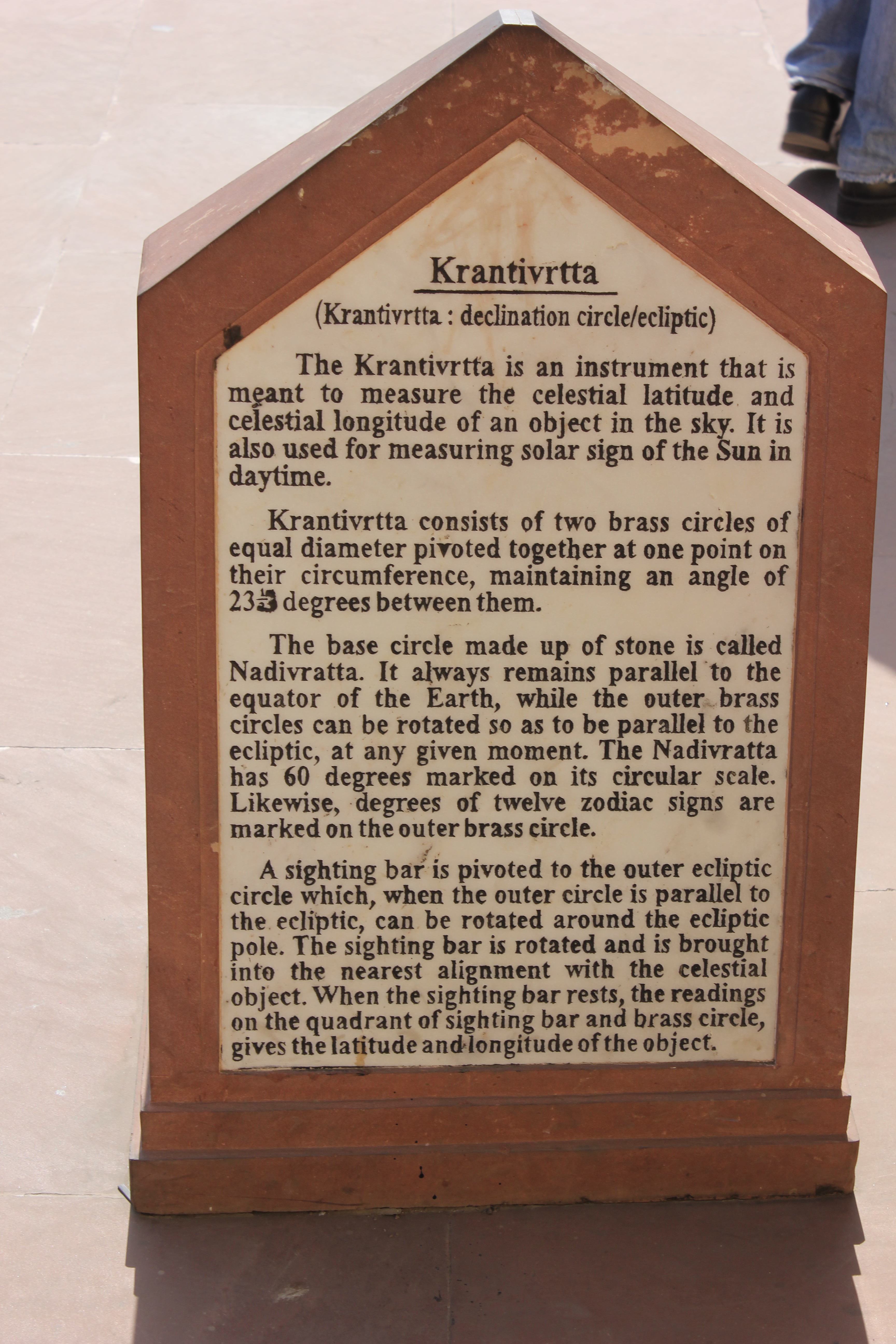
A uniqueness of Jaipur is its focus on astrology and horoscopes. The King of Jaipur in the 1700’s was a scientist and he commissioned an astronomer to build devices to measure the earth’s rotation. I expected an indoor museum. What we saw were huge working sundials that took up a whole city block!
Each tour guide that introduced us to various sites in India also enjoyed taking us shopping. The most common idea was to take us somewhere to buy pashminas. We bought pashminas throughout India as well as a bunch of other items like spices, perfume, a statue, custom made clothing, rugs, etc. Everything we bought is beautiful and the guides ensure that what you buy is genuine and of good quality. The guide takes 2-5% of the sale and the agency takes another 2-5%. Of course, we knew this and appreciated the help from the guide. In Jaipur, the guide was disappointed. We had nothing left that we needed to buy. We were also in a hurry to get to our final stop of our day!
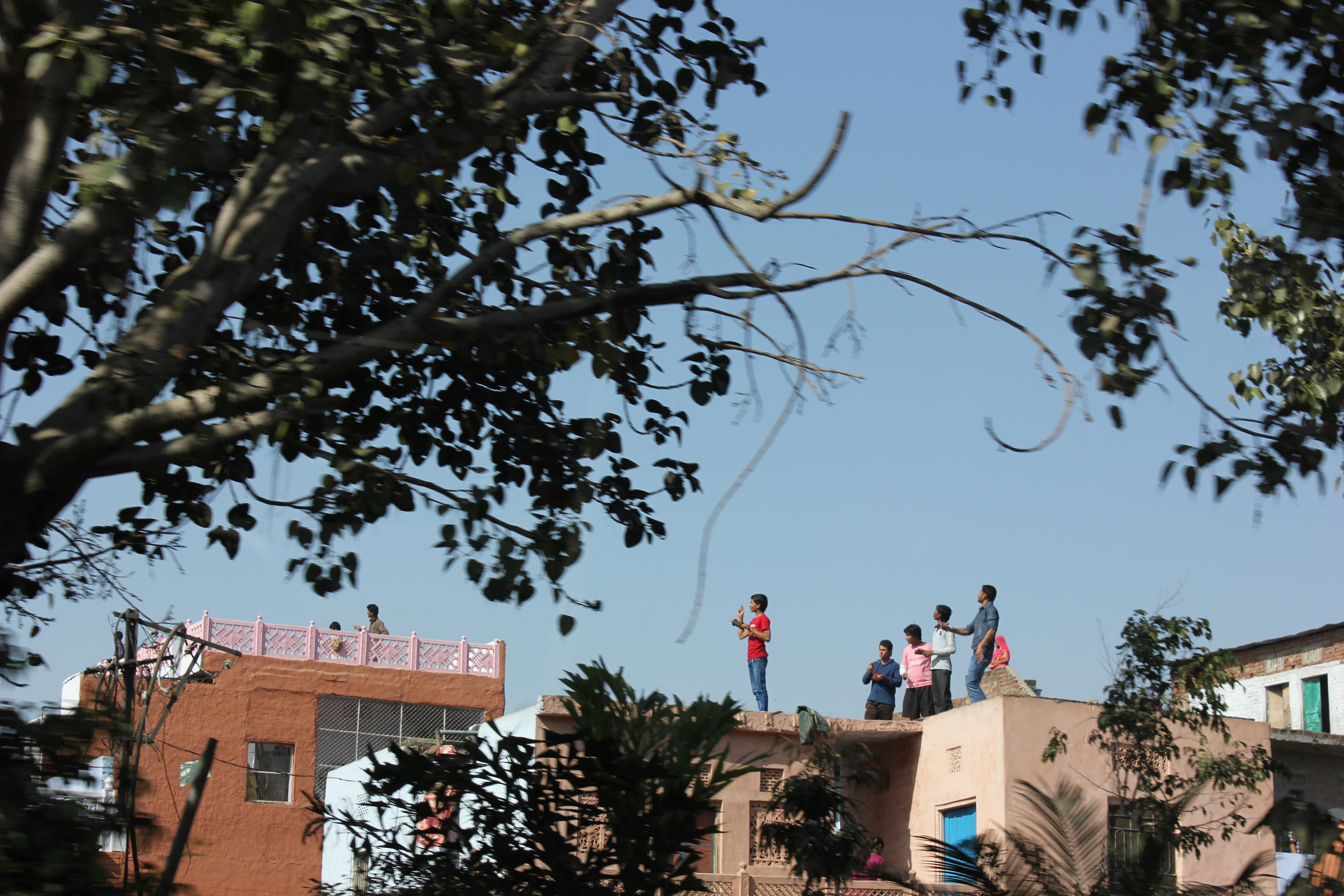
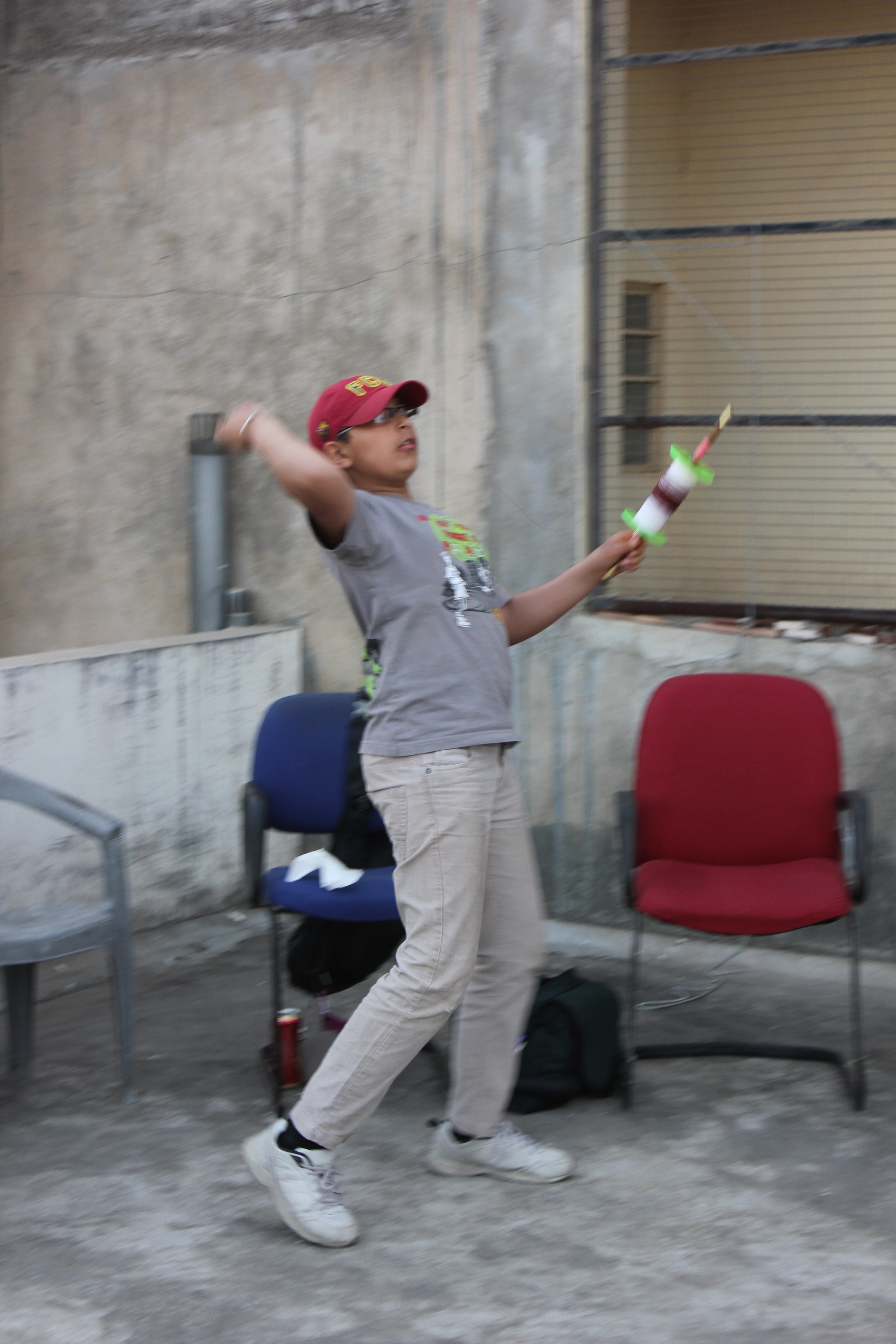
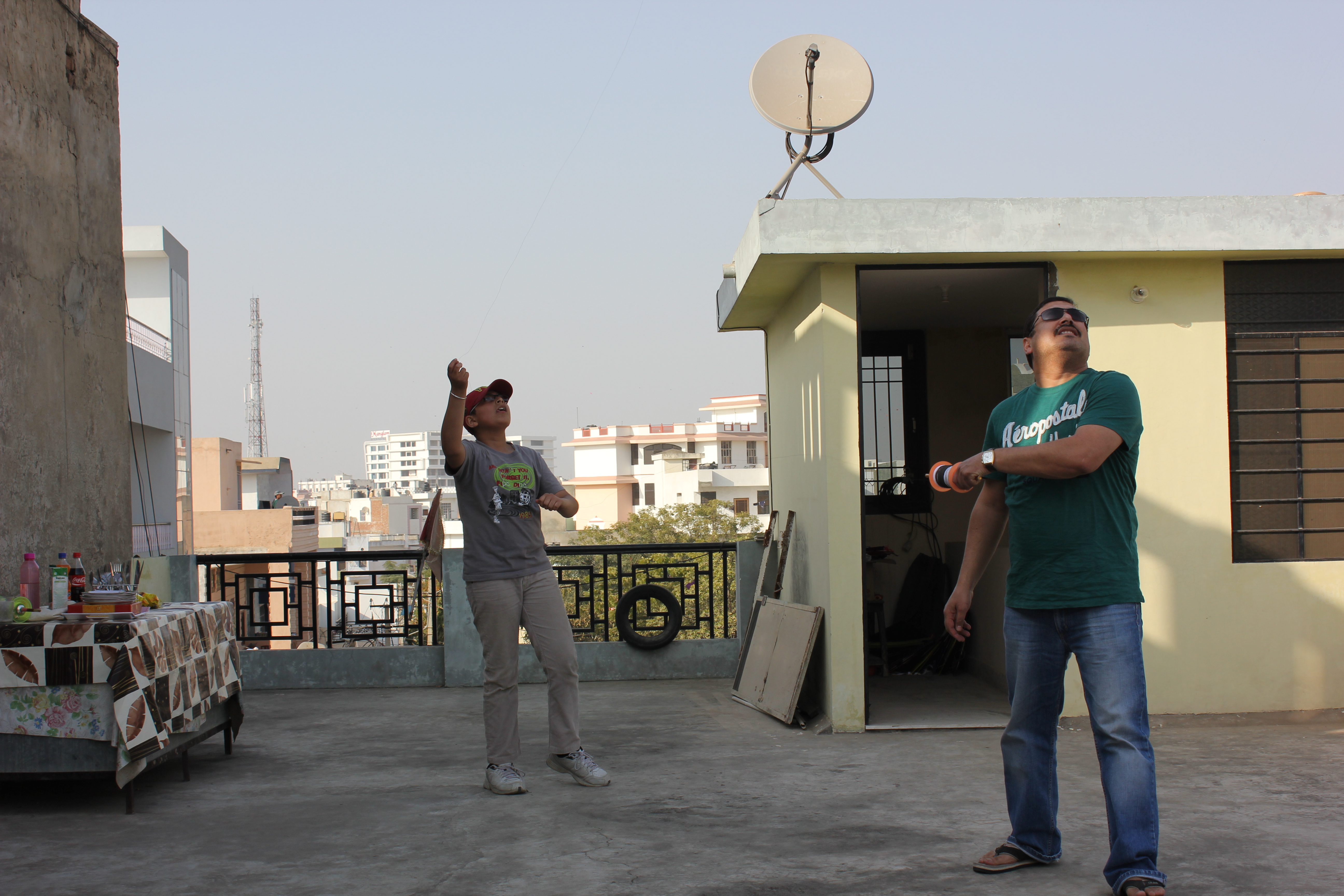
On January 14 every year, people in Jaipur take to the parks and rooftops to fly kites. It is an actual holiday! Our good friend Meenal’s good friend Monika invited us to her home to witness this ritual. It was an adventure finding Monika’s home. Our driver, Dev is not from Jaipur and does not speak great English. Between us (and his phone calls to Monika for directions), we arrived. The hospitality we experienced was so generous. Monika, her husband Rajiv, their son, her parents and his mother and brother invited us into their home, fed us amazing Rajasthan food and taught us kite flying. There were three generations of men flying those kites and we got to witness the excitement, highs and lows of kite fighting. We appreciated the experience!
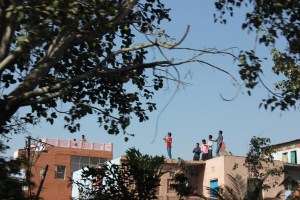
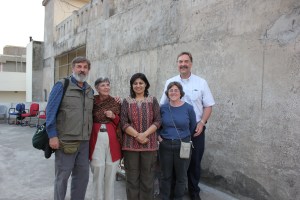
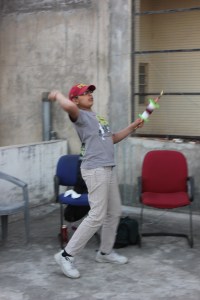
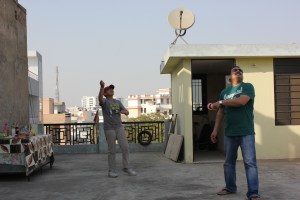
We called it a night as it got dark and Dev took us back to our hotel so we could have a good night’s sleep before our grand safari in the morning.

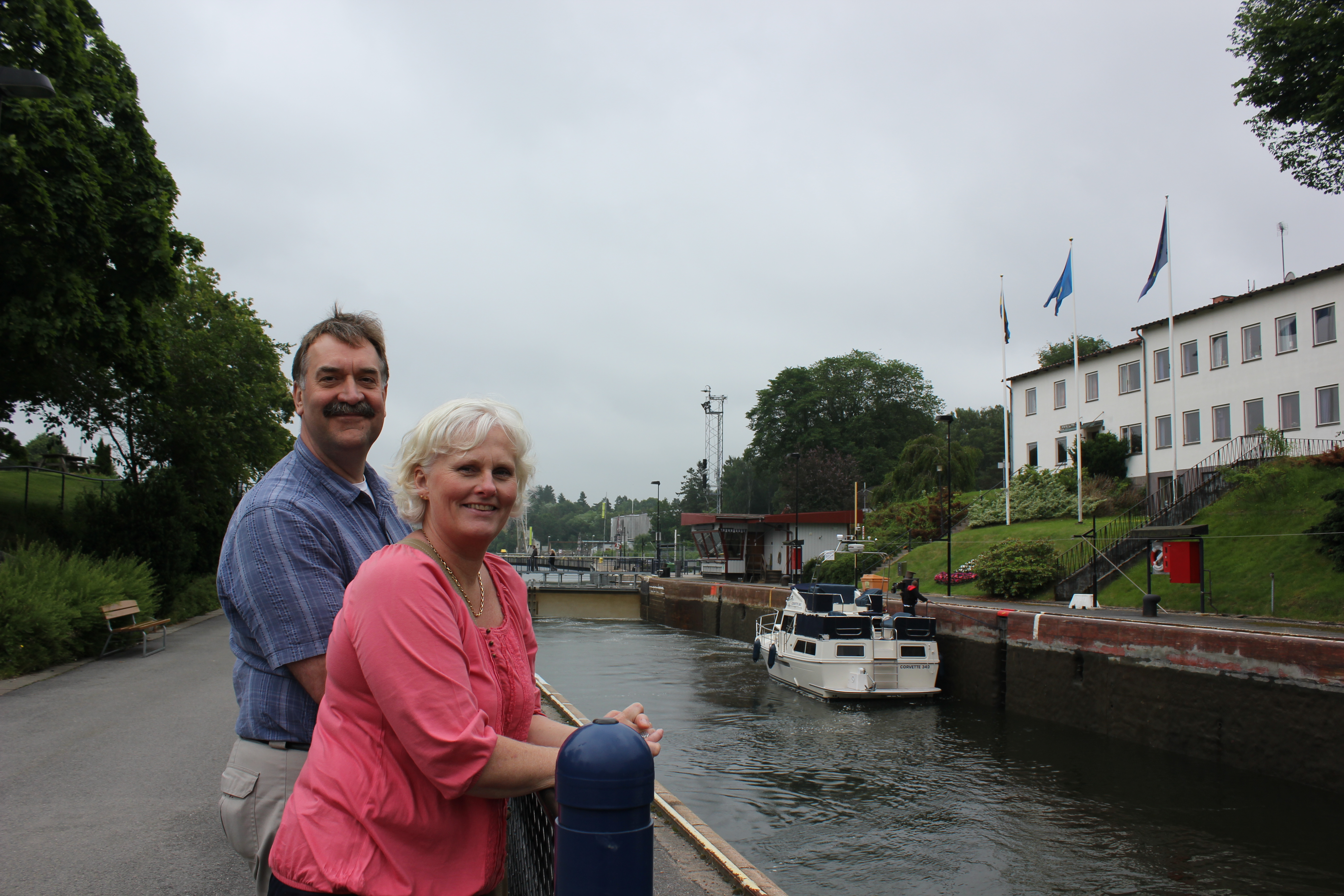
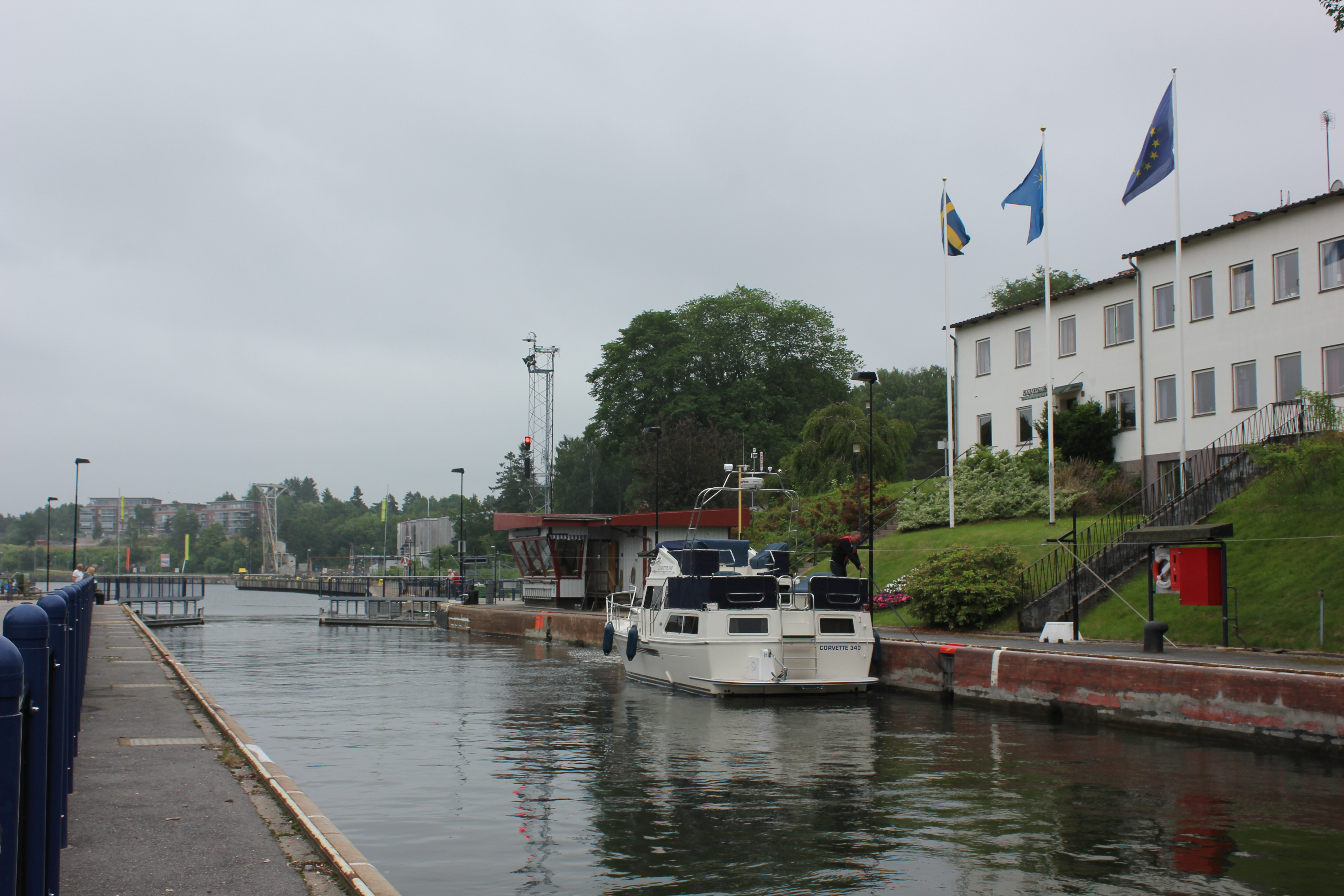
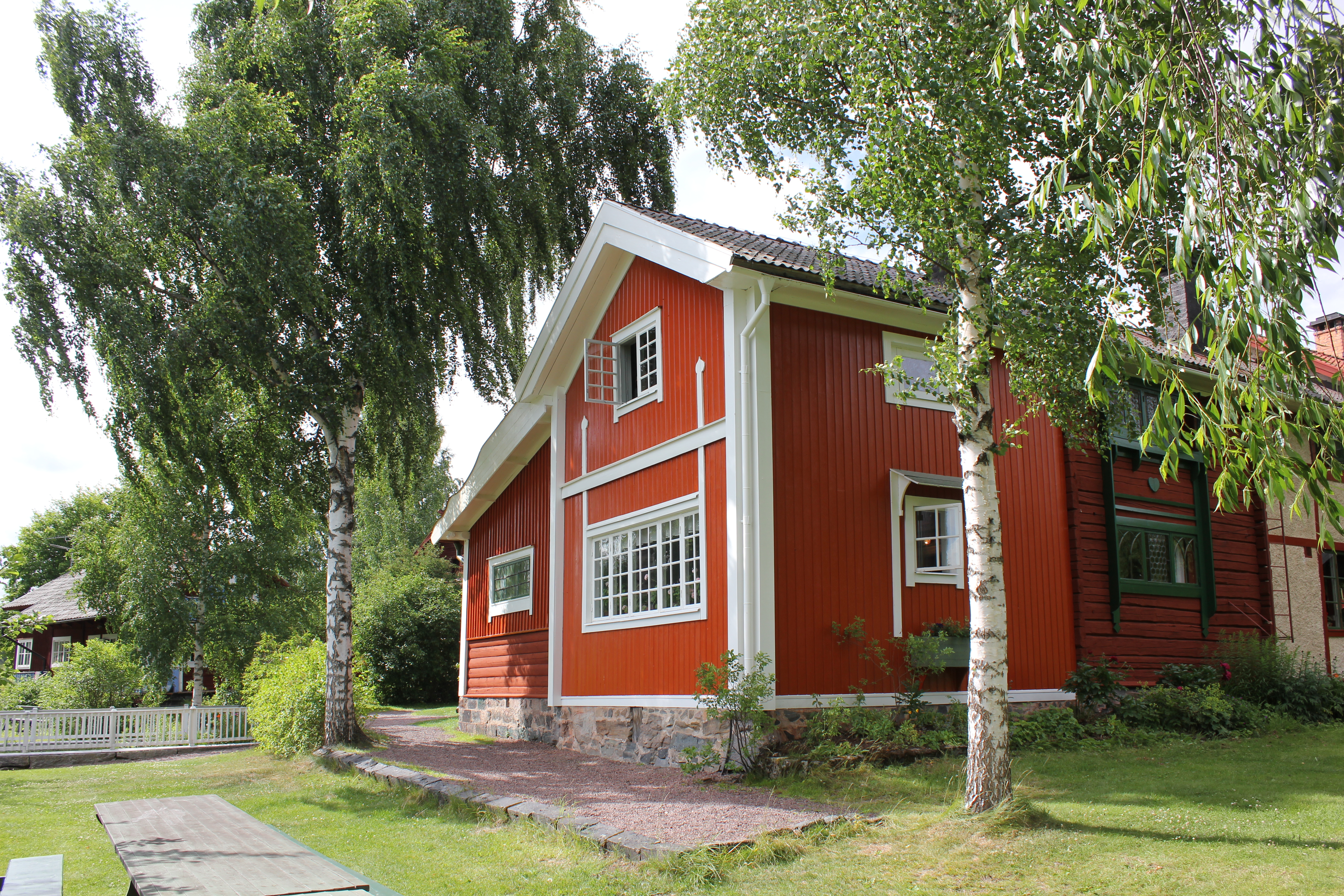
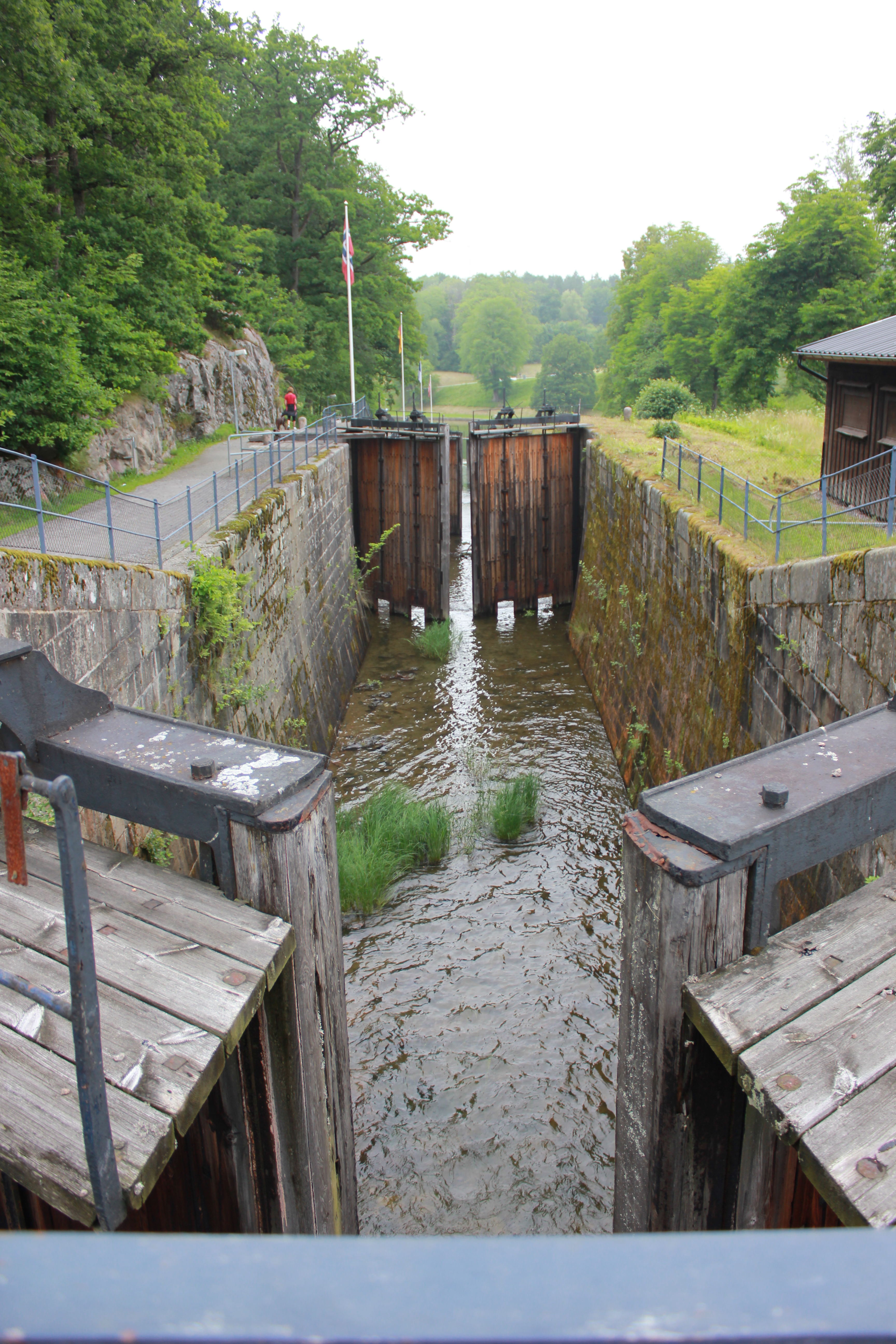 It has been several days since I added to my blog. We arrived at my friend Elizabeth’s place on July 5. We drove for just over two hours, stopping only for a bit of Fika (coffee and pastry) on the way. Elizabeth welcomed us warmly and it was wonderful to see her for the first time in 33 years. We settled into our space here and took a tour of her yard. It is a beautiful place in a village called Valandra. It is on the outskirts of Trollhӓtten, the town where Elizabeth works. Her husband, Jan was at work in Gӧteborg when we arrived so Elizabeth took us into Trollhӓtten for a bit of a tour of the locks. The locks at Trollhӓtten are part of the Gӧte Canal system.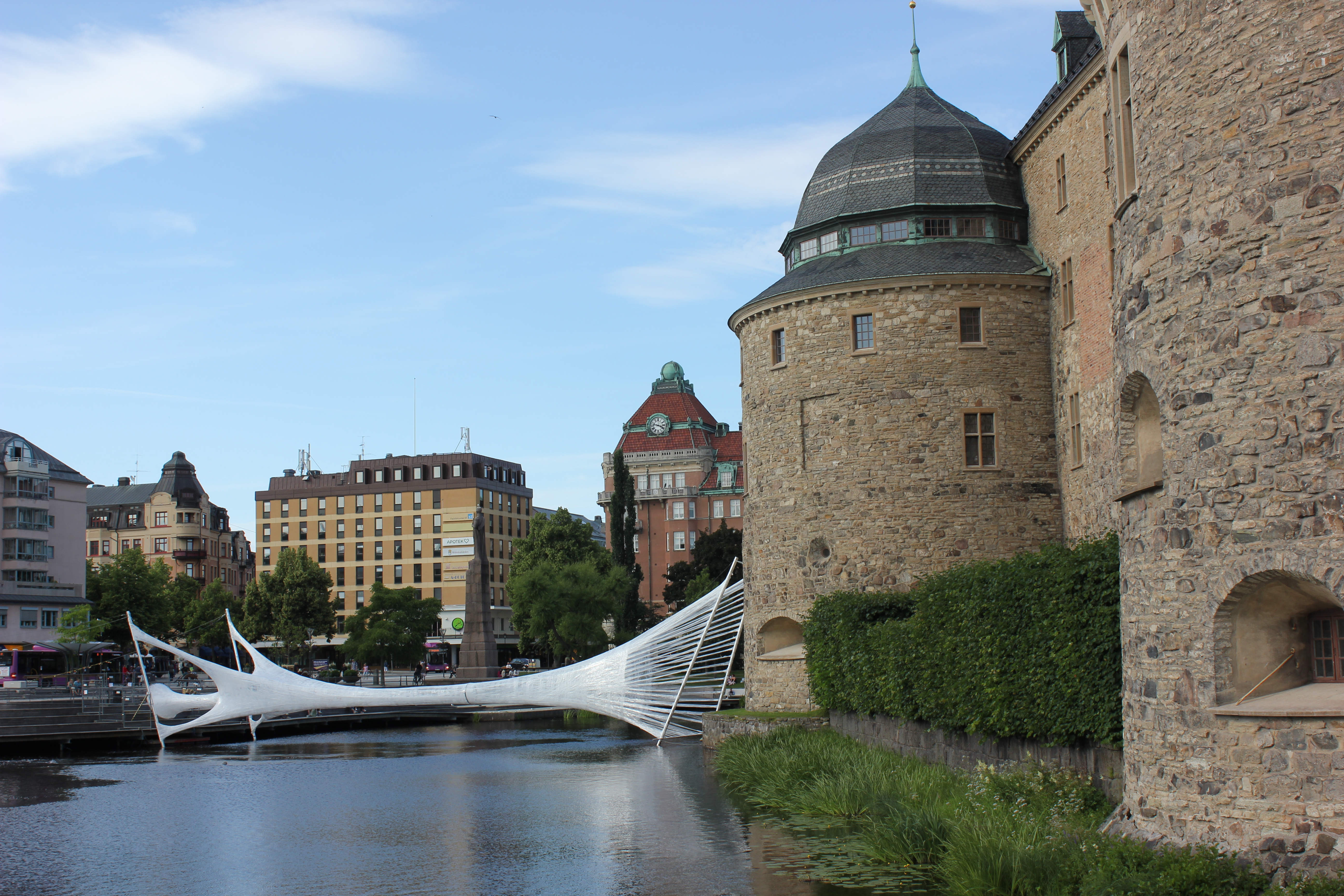












 travelswithannmarie