Wine tasting in the Stellenbosch

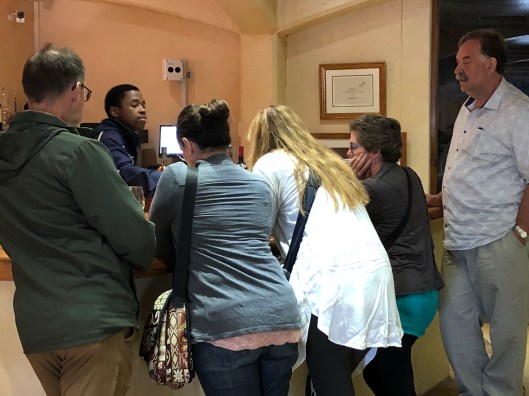
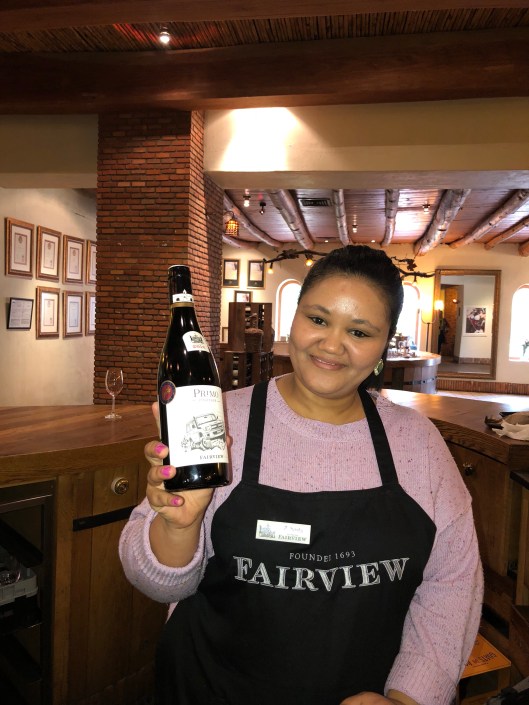
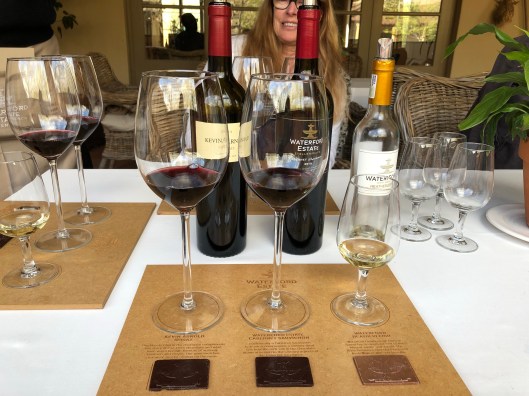
We managed to stop at 4 very different wineries. Rarely do we start drinking wine at 9:30 in the morning, but it was a great exception 😎. We started at Kanonkop where we sampled six amazing wines. We then moved onto the Fairview vineyard where we had a wine and cheese paring. This vineyard is the creator of one of our favourite “house wines” in Edmonton called Goats do Roam. It came complete with live goats outside. Our third stop was the Rickety Bridge vineyard where we had lunch. The vineyard was one of the older ones around and was very good. Our final stop was a new vineyard, just 20 years old where we had a wine and chocolate pairing.

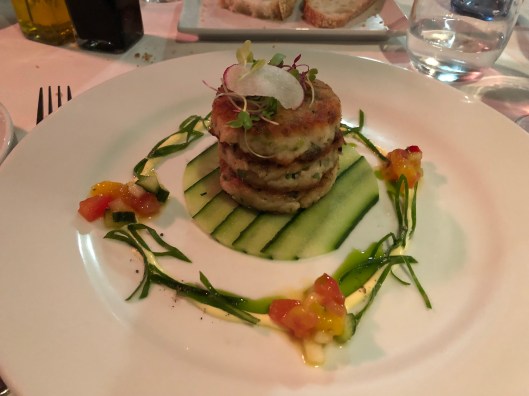
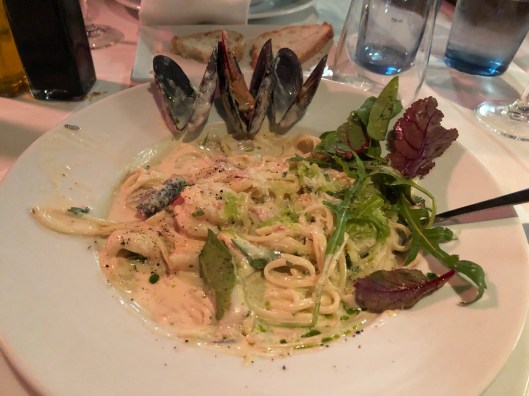
We went to the waterfront for dinner at a restaurant specializing in seafood. We drank wine we had purchased during the day with our dinner.

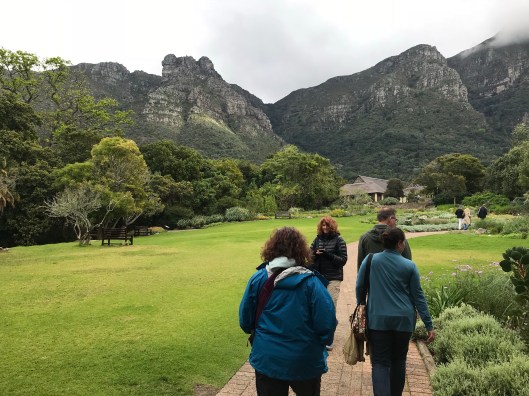
Our visit to the Kirstenbosch national botanical gardens.

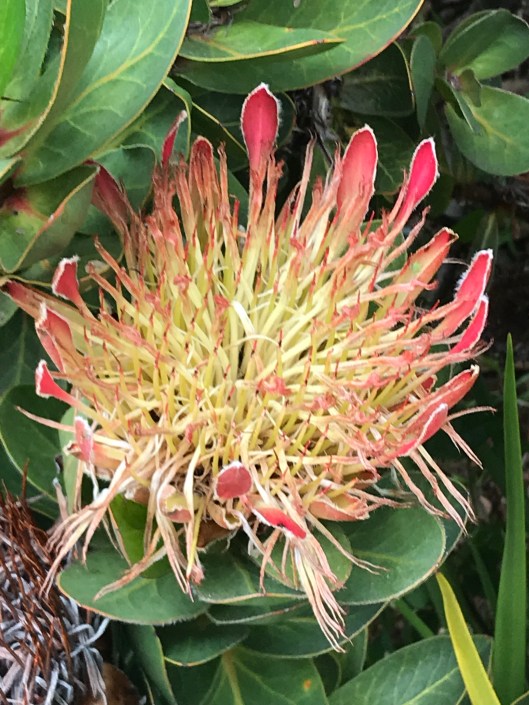
We arrived at the gardens in time for the 10:45 am guided tour. Our guide, Erica, took us on a two hour stroll through the gardens. We gradually climbed up the paths, through a variety of flowers, shrubs and trees that showcased the unique flora of South Africa. The flowers were amazing as were the birds. We enjoyed the treetop walk and ended our visit in the garden restaurant.

The first actual rain we experienced on our trip occurred while we were in the garden gift shop. We had a lazy evening picnic in our hotel. We had a cozy living room space near our hotel room. Ken and Denise had a patio that had comfy seating for 6 as part of their room. We were well cared for.

Cape Point

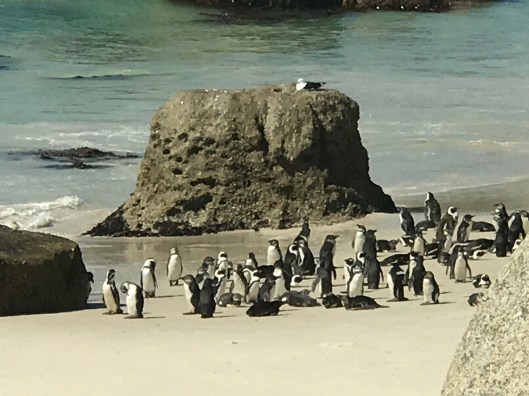
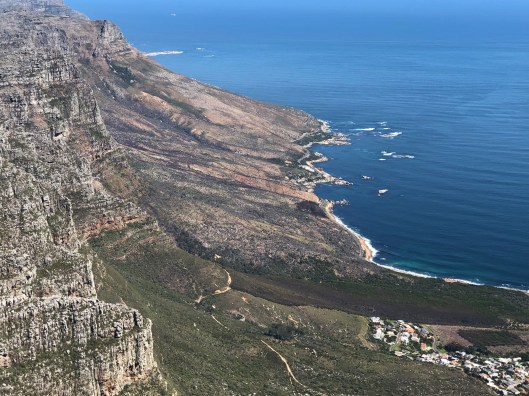
We set out once again on an adventure driving around the peninsula down to the Cape of Good Hope. We drove along the coast and experienced some beautiful vistas before stopping to see a penguin colony. These were great fun to watch them waddle, swim, meets and mind their young before doing more waddling.

We broke into serious souvenir shopping and were serenaded by a group of South African singers. I even got in on some dancing.

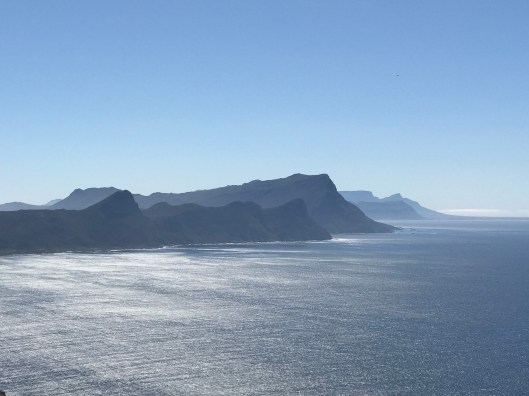
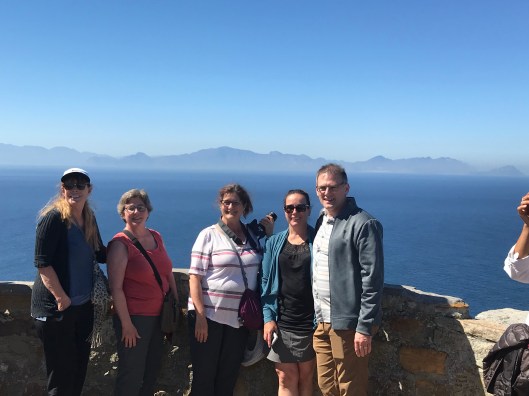
Our stop at Cape point gave us the opportunity to take a 7 minute funicular ride to the lighthouse. The view was amazing.

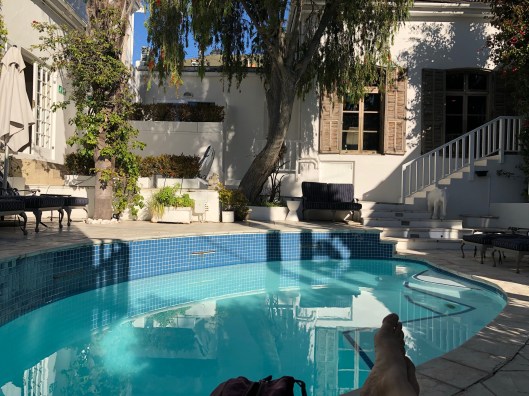
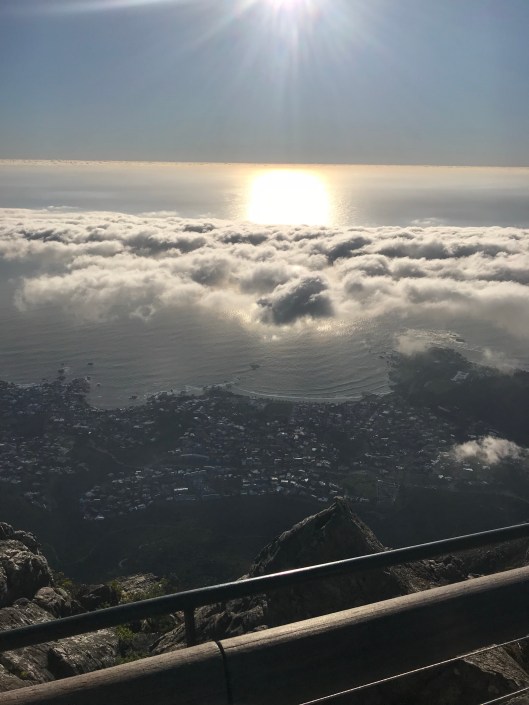
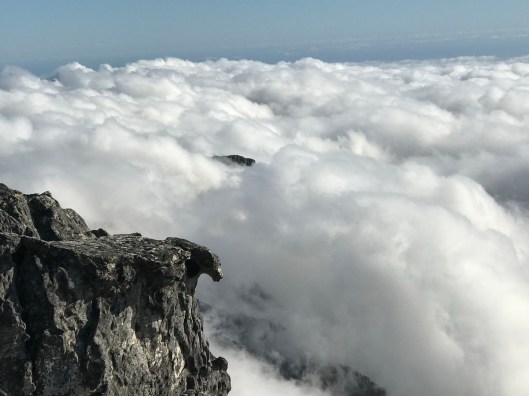
We had planned a long uphill climb but, since the weather was nice, we wanted to get back to Cape Town in time for Anne to see Table Mountain. She had missed it yesterday due to illness. We had the right meds to get her back in her feet quickly. Dale and Anne went up while the rest of us took it easy by the pool. Their view was significantly different due to different time of day and a significant weather change.

Our first day in Cape Town

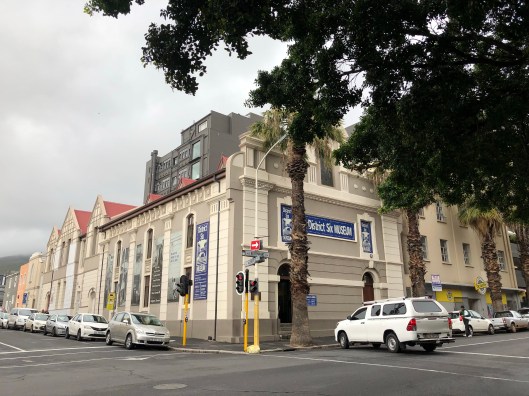
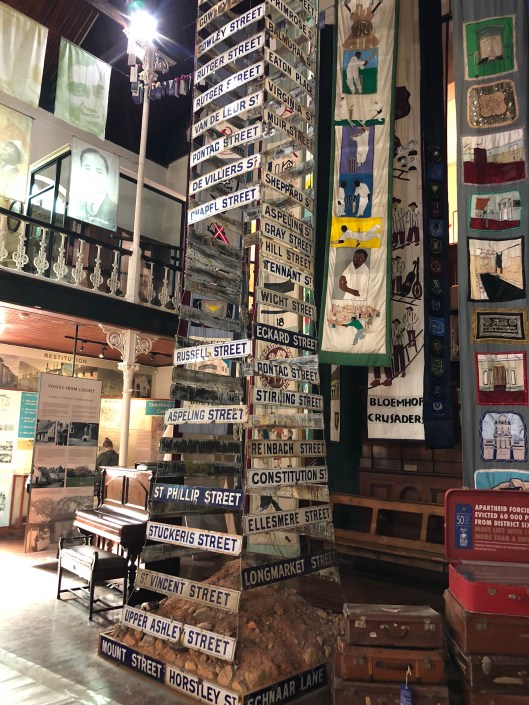
Despite arriving late last night, we were up bright and early this morning for a tour of Cape Town. We had a private guide booked and he took us first to the District Six Museum. This museum detailed the forced eviction of the Black and Coloured people from District Six, a part of Cape Town. The local government forced the evacuation of thousands of people, declared the land they lived on as “white only” and then bulldozed their homes. It stuck me that this occurred in 1966, when I was 5. The parallels with what happened in Canada with Indigenous people were striking. It was a brutal but powerful museum. It told the story of the forced resettlement from the perspective of the resettled people and focused on how their lives changed with the stroke of a white man’s pen. They made this sculpture out of the street signs from the demolished areas

We were then toured through a township outside of Cape Town. It was a cold look at reality. The people living in the township fell into two categories, people with permanent housing built primarily of cinder blocks and people “squatting” while waiting for housing. Those people cobbled together whatever shelter they could find, often corrugated sheet metal. The poverty of the township is staggering. 50% of people living there are unemployed and have little to no hope of change. It is a rough existence. Our guide was clear that we were able to drive through the township with a “local” but that we would not likely find our way out on our own. The reality of the environment was clear as we left the township and noticed that immediately adjacent to it was an American school in a fenced area where only privileged white youth can attend. The reality was black and white. Our guide and others have described that because some of the people who implemented Apartheid are still alive and attitudes and resentments don’t change quickly, it will take a few generations for true healing to begin.

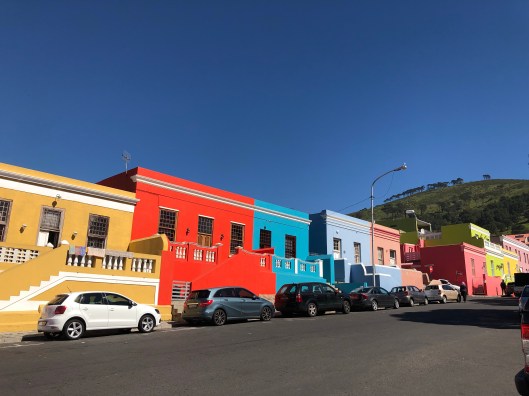
We then drove through a colourful district of Cape Town where all the houses are painted bright colours that celebrate the owner’s freedom.

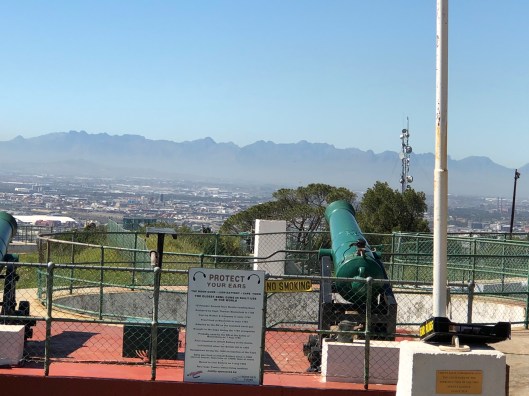
Our tour continued to Signal Hill where we got to witness the daily firing of the canon that signals it is noon. The view from the hill was wonderful and the canon firing was authentic (but updated with a modern firing mechanism). It was much louder than we expected.

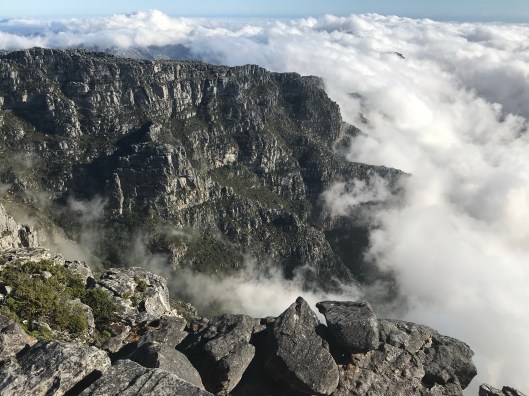
Our final stop for the day was Table Mountain. We took a cable car up to the top of this nature reserve and had a perfect day to take in the view.

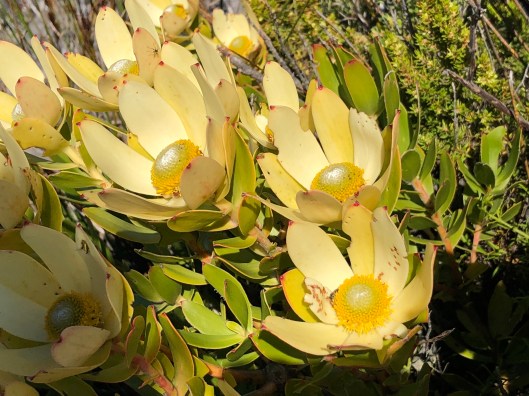
The flowers were fantastic. Table mountain is a unique region in the world and has vegetation that is only found in the area.

We ended our day with a fantastic meal and an early night.

Why did the wildebeest cross the river?

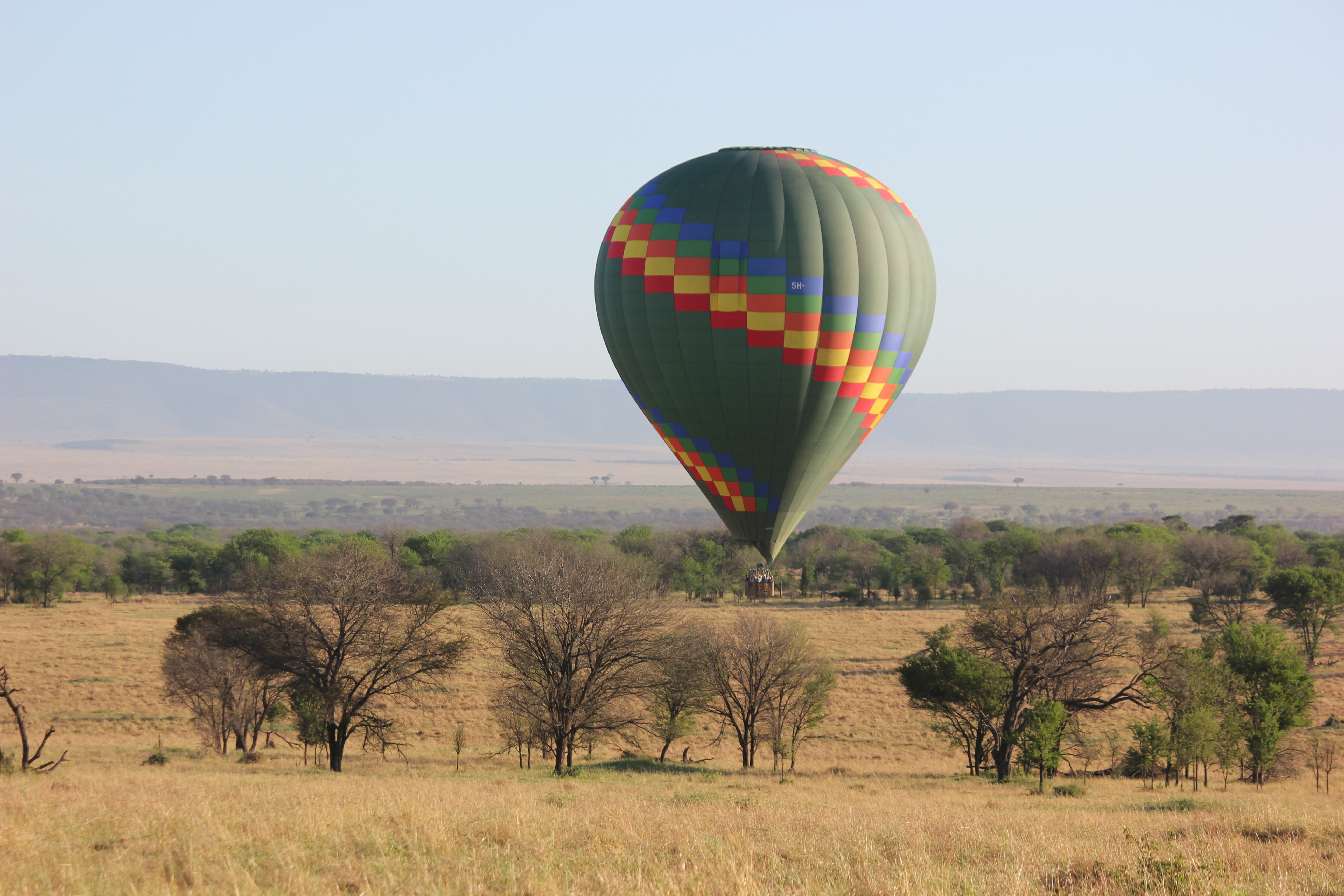
We woke up this morning to the sight of elephants outside of camp and hot air balloons drifting above the tree tops. We had our morning coffee and breakfast in the dining tent. I am happy with this idea of camping. We had a king sized bed, indoor commode that flushed and a bucket shower. Our wake up call was the arrival of the hot water for the “bucket”.

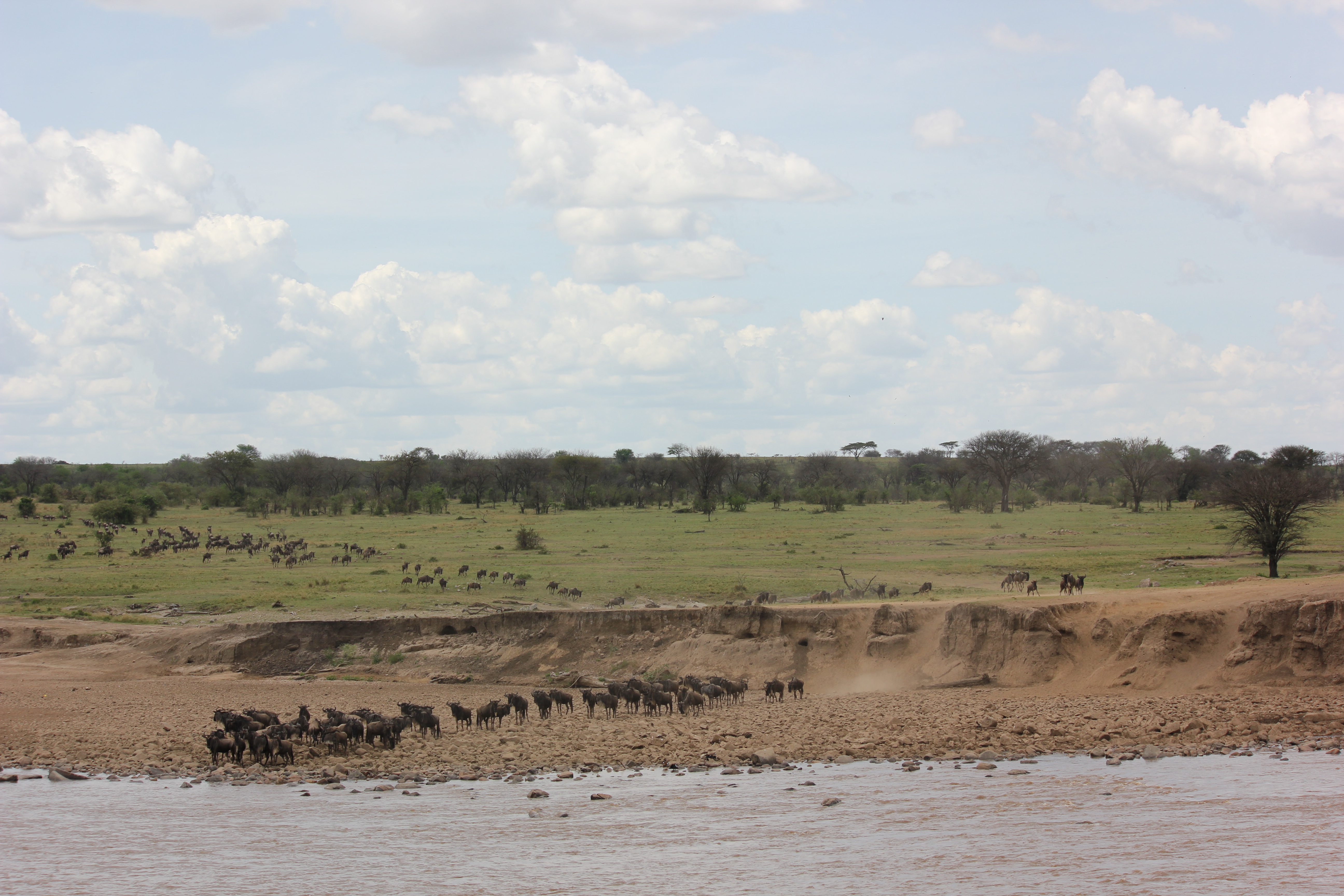
Our morning drive to the river confirmed how dangerous it is for the wildebeests to cross. We saw dozens of crocodiles lazing on the shores of the river. We also witnessed vultures and Maribu stocks clean the bones of a wildebeest that didn’t make it.

The word safari is Arabic for “going on a journey”. We have covered a lot of ground in our Jeep. We have also spent hours driving on bumpy trails. Typically we have hit the road at 8am and returned to our lodging between 5 and 6 pm with a lunch stop at a designated tourist stop. The Tanzanians do great bathrooms in the wilderness. Even my sister Brenda could be comfy😂.

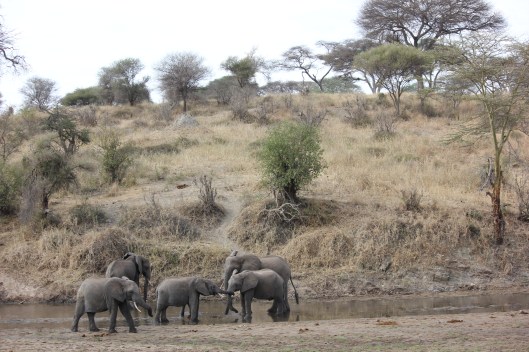
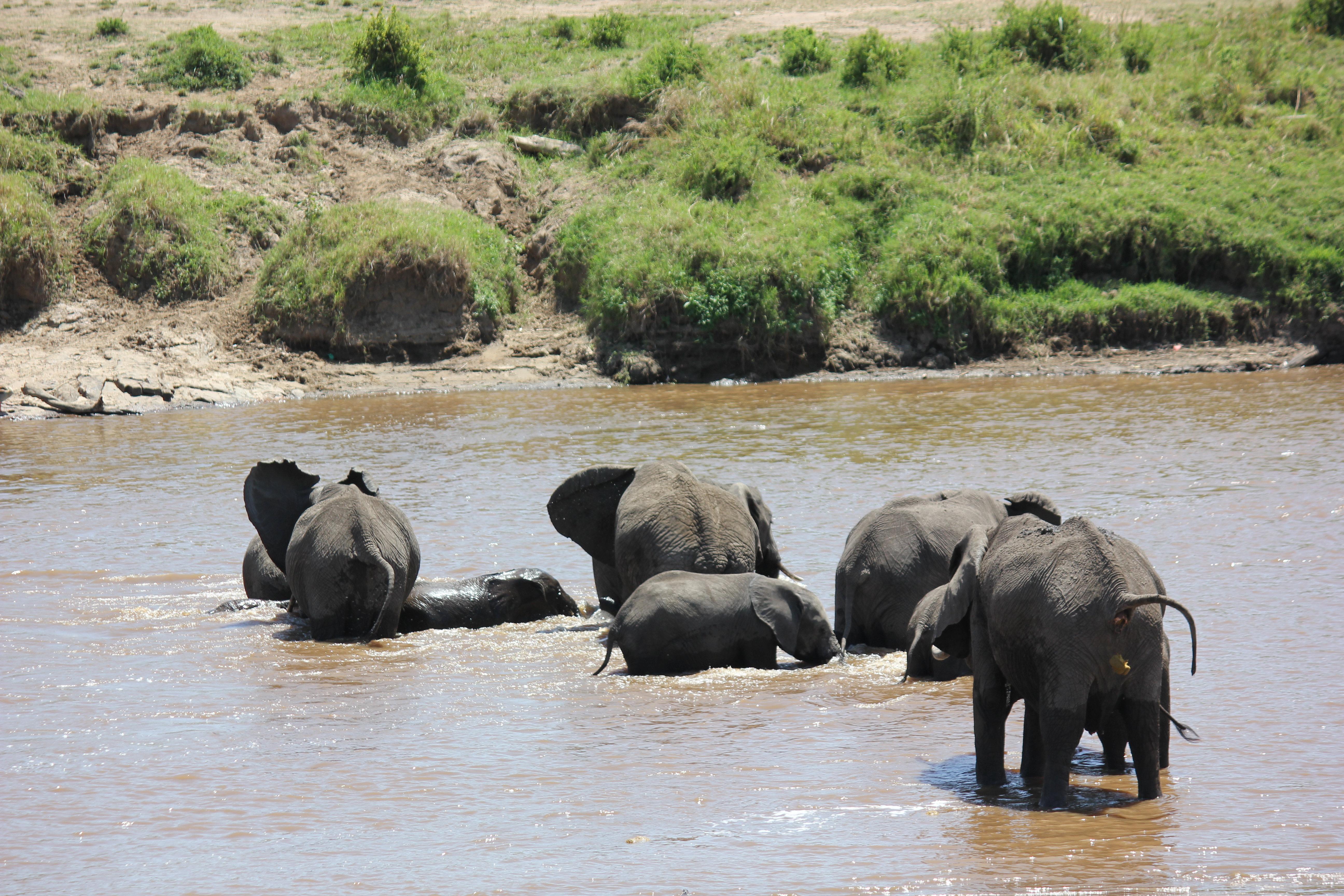
While waiting to see if the wildebeests were going to cross the river we had the opportunity to watch a herd of elephants swim across. The elephants were dominant. The crocodiles and hippos moved off and gave them lots of space. The little ones frolicked surrounded by the big ones.

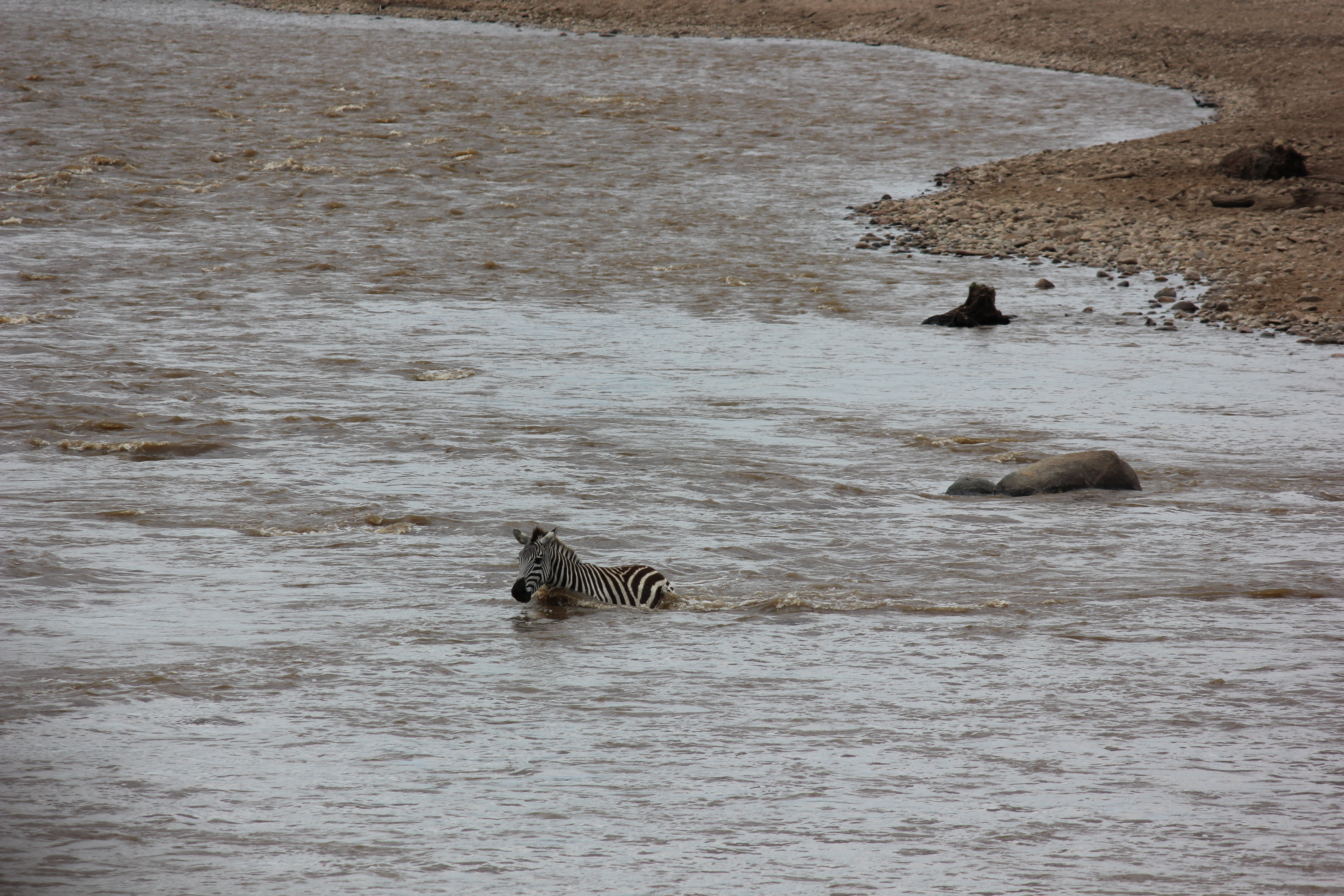
After 4 hours of driving around we went for a bathroom break at the airport, the only place around. While we were gone we missed the crossing. So we will have to see it next time. We were privileged to see two zebra make that crossing. We spent the afternoon encountering another elephant, another hippo…. we are content with all the animals we encountered on this trip. It has truly been a privilege. Tomorrow we transition from Tanzania 🇹🇿 to South Africa 🇿🇦 . We leave the northern Serengeti by a small plane and will travel all day to Cape Town.

The great Wildebeest migration

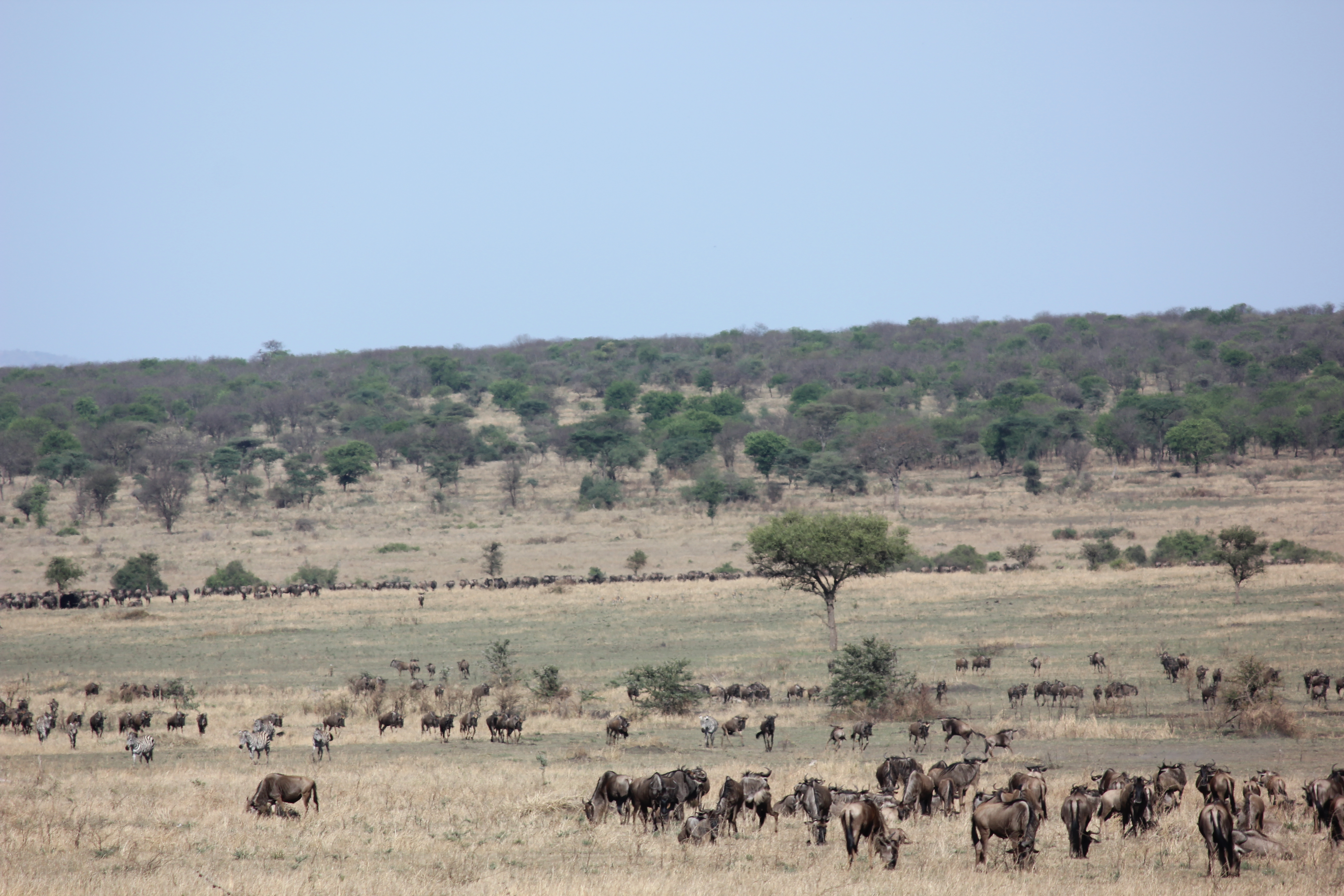
We are now waiting to experience the migration of the wildebeests. We crossed into the northern Serengeti along with thousands of wildebeests (aka gnus) and zebras. These two animals travel north together in a symbiotic relationship. The zebras are smart and great memories. The Gnus aren’t too smart so the zebra’s let them go into the water first.

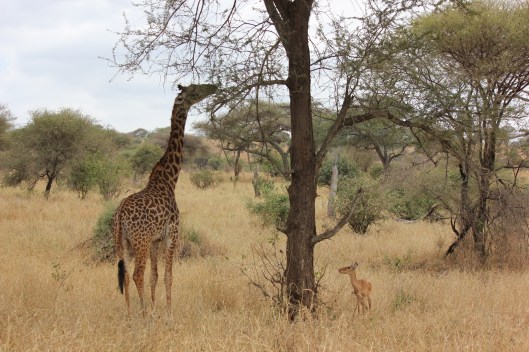
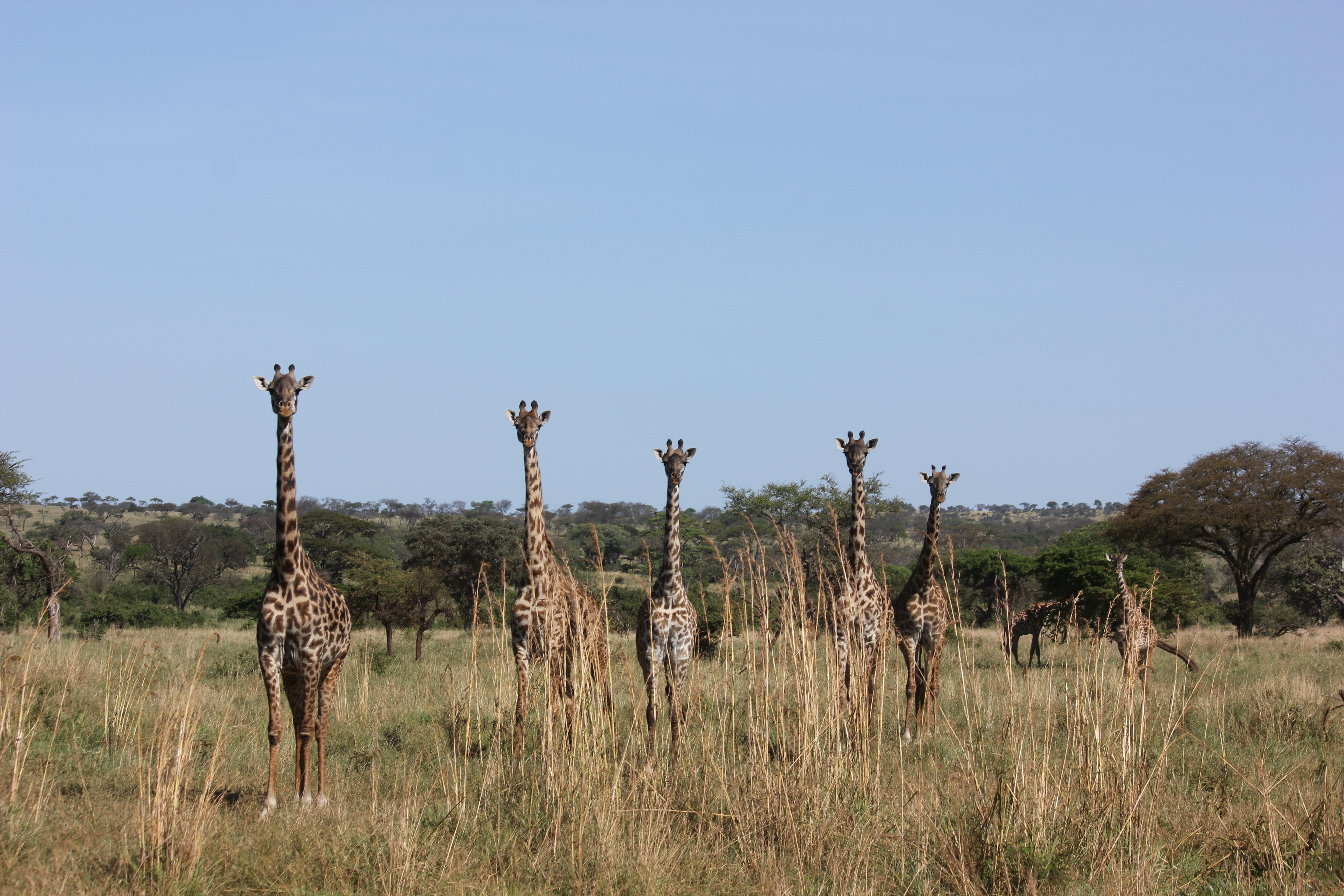
On our way we got to see more giraffes – they are amazingly graceful!

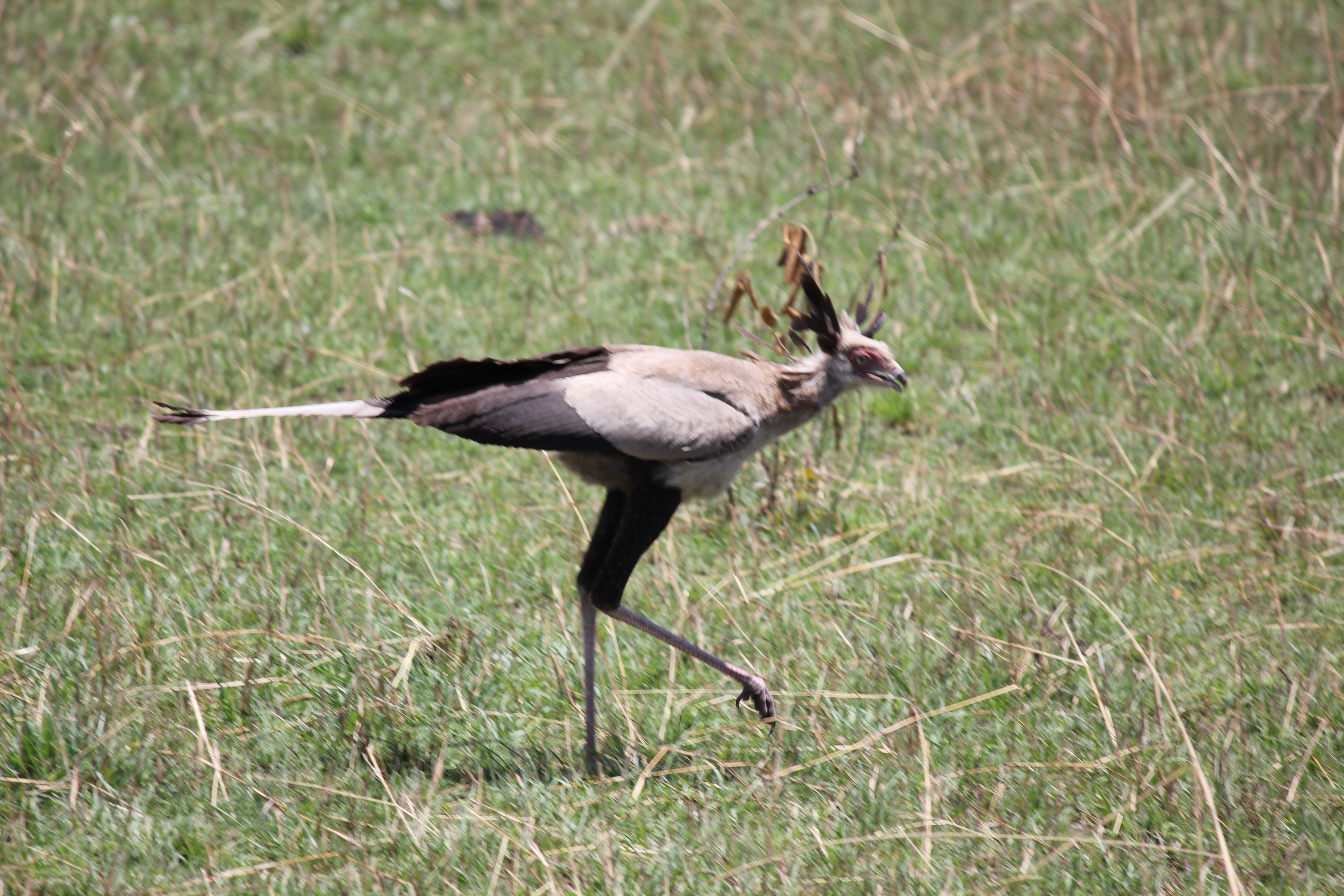
Then we got to witness a Secretary Bird in action. This bird stomps its prey first, then swallows it whole. 

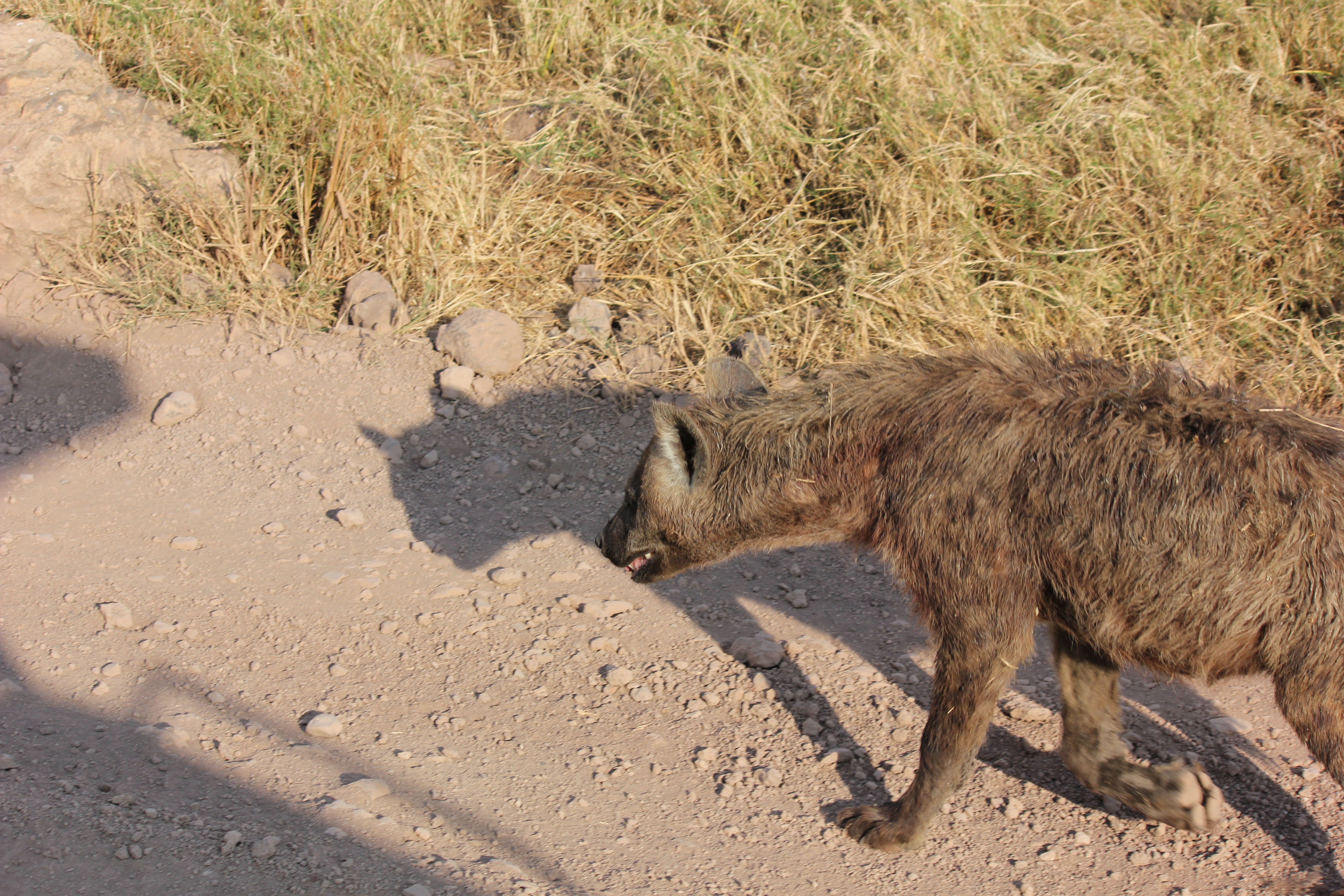
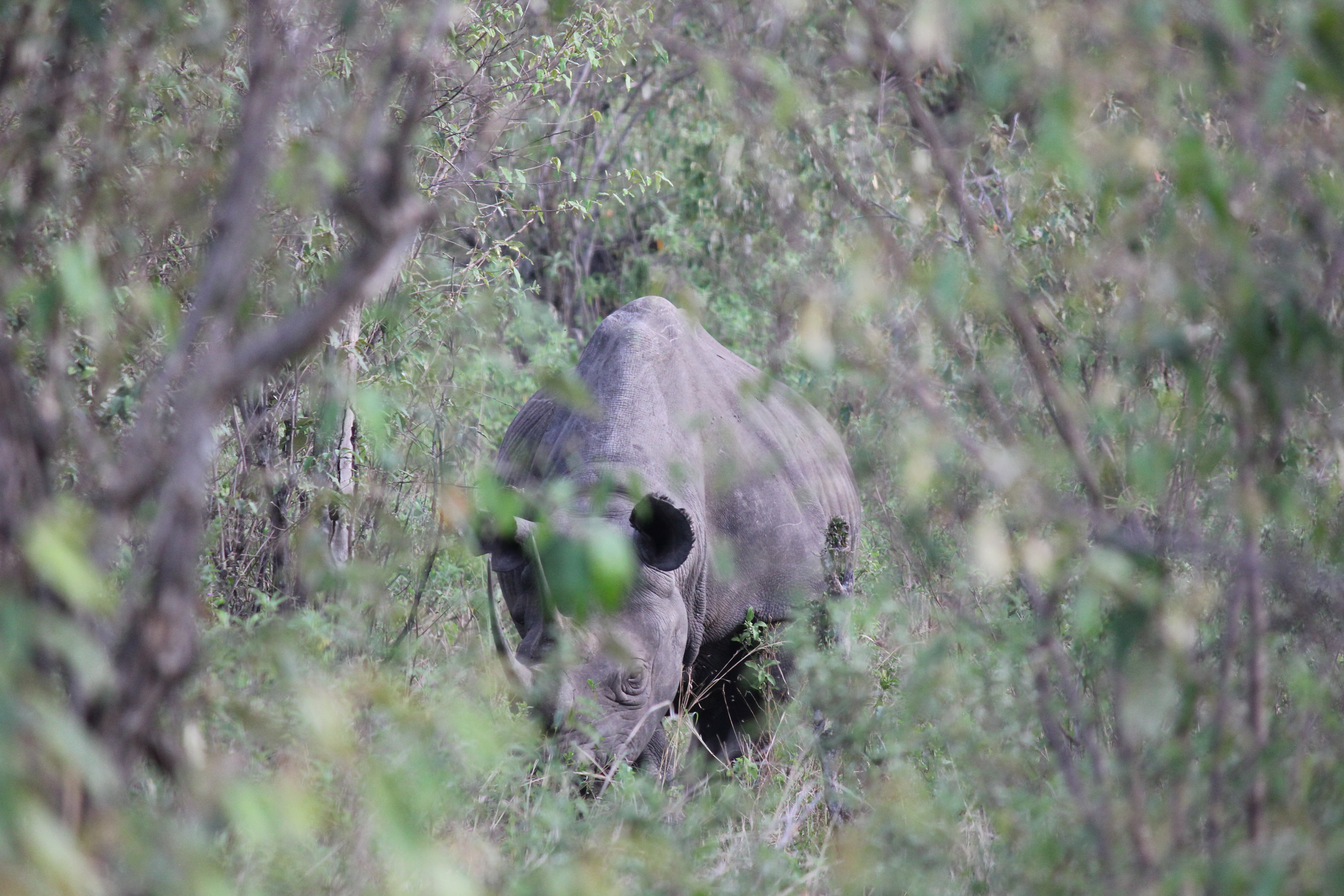
The diversity of life as we started our journey was impressive. We loved all the animals, even the unlovable ones like a hyena who was covered in gore and flies. . We went out to see the migration and saw anything but, the wildebeests gathered on the bank but refused to cross. After we started back to our camp we were rewarded with a second sighting of a pair of black rhinos. We had wondered how such big beasts were so hard to see in the wild. We figured it out. It was really hard to see her clearly.

Tomorrow we will try to view the migration again!


Our day with cats

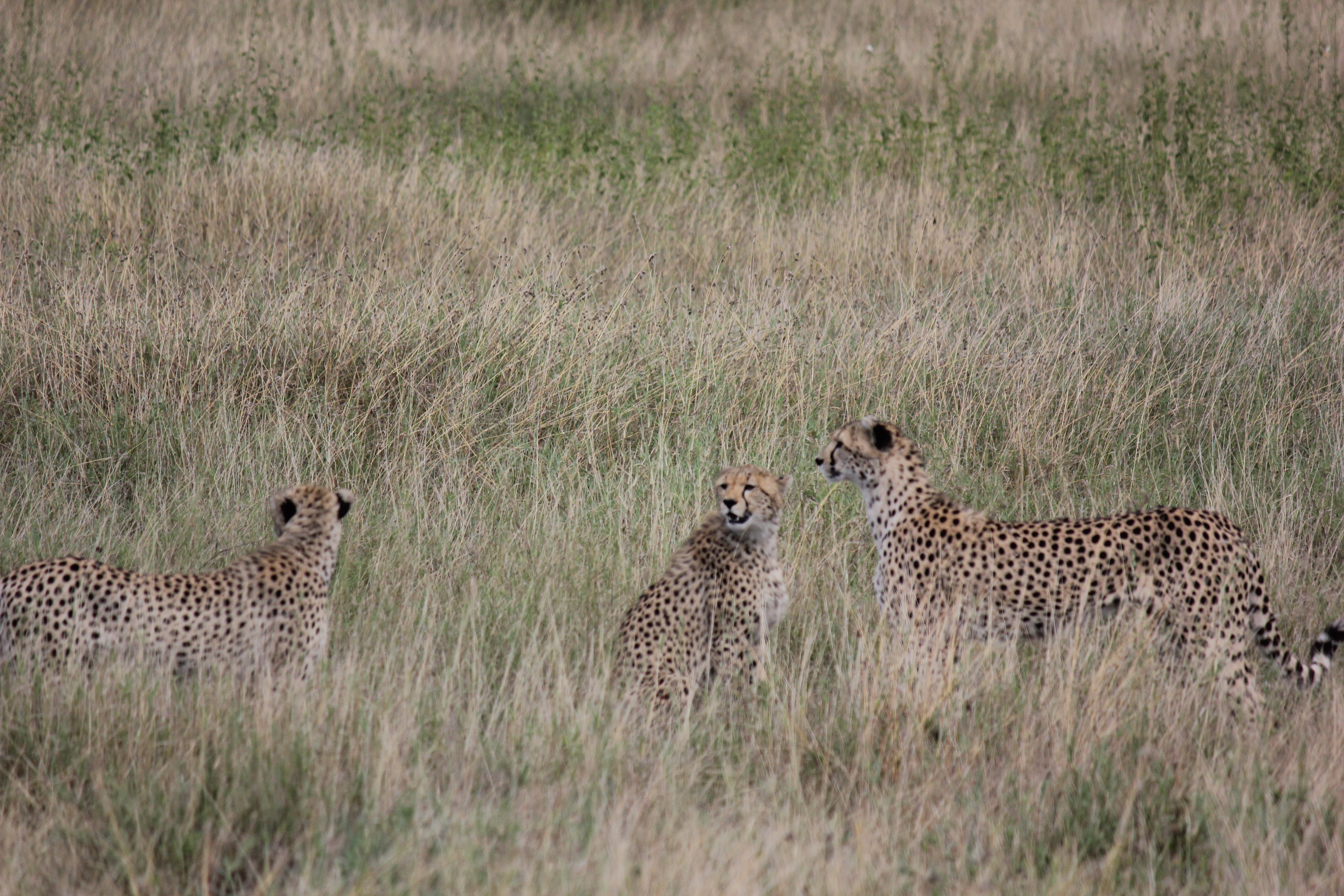
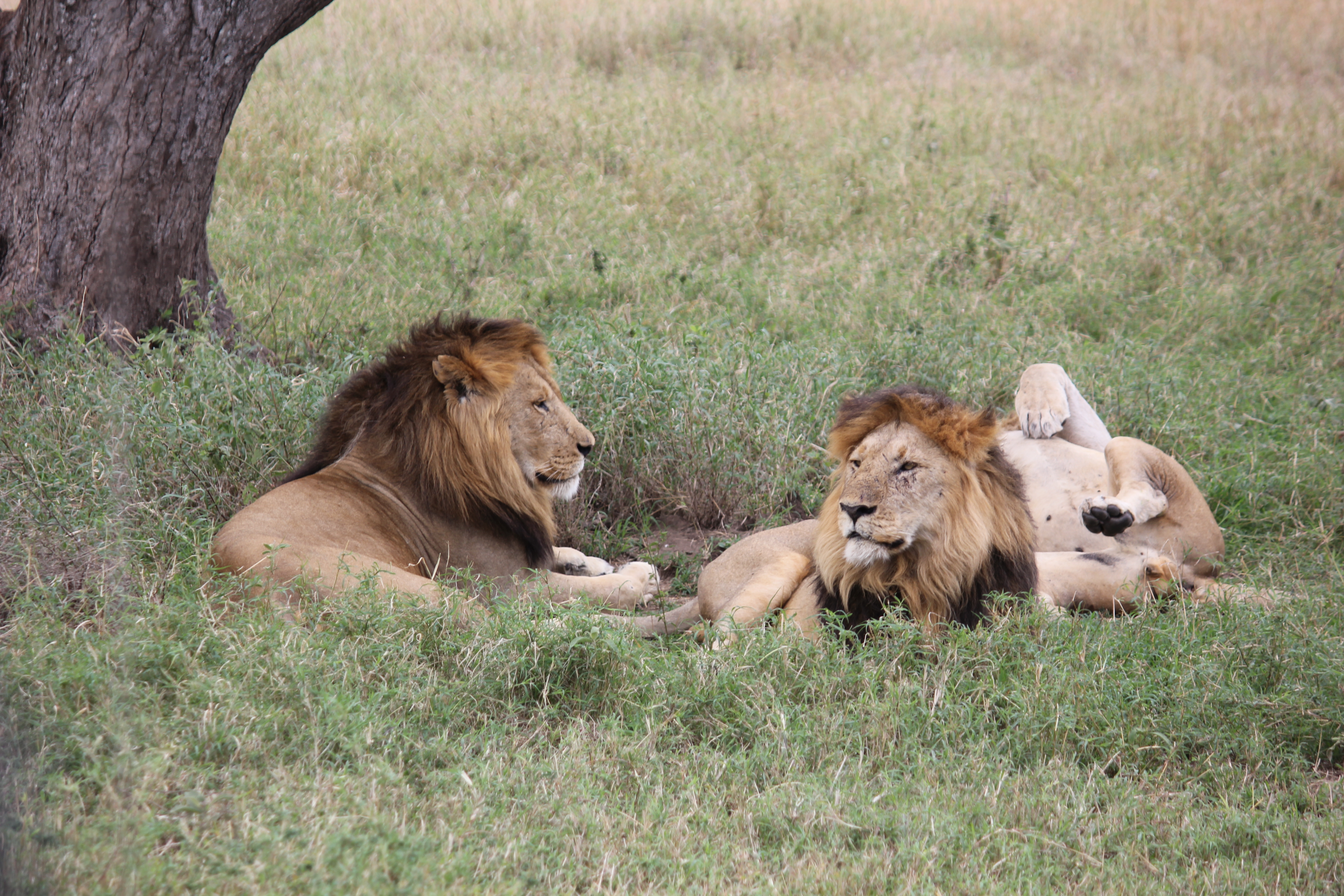
The skies were overcast as we left Kobu Kobu lodge for our day long drive. We have become quite blasé about seeing herds of wildebeests, hartebeests, impalas and antelope. But, seeing a Cheetah family of 4 up close was exciting. We ooohed and aaawed and felt content with the experience. We then drove for a bit and came upon 3 male lions snoozing under a tree. We were probably 30 feet from them (in the Jeep, of course). They were spectacular.

The guides know the Serengeti very well. It is fairly flat with occasional outcrops of rock and widely spaced trees. When a unique or valued species is spotted, they tell each other on the radio and they all converge at the site. Sometimes there are 15 different vehicle around the animal. The animals don’t seem to care.

We stopped for lunch at the tourism centre in the heart of the Serengeti. The hotel gave us boxed lunches (literally, lunch in cardboard boxes). We had to shoo the cutest hyrax off the table before we sat down. We then took in a guided orientation to the Serengeti with a student doing a practicum for her tourism course.

We continued our drive and saw lots of birds and beasts of varying sizes and shapes. Then word came over the radio saying that a cheetah had been seen. And we were off. The momma cheetah obliged us by running parallel to the road so we could get a good long look. We were then in the vicinity of the leopard we saw yesterday. He was still in the same spot.

Tomorrow we head north. Wakara, our guide, told us to be ready at 8 am. He figured that he would know where our camp would be by then. The camp moves with the migration.

We entered the Serengeti

We left at the crack of dawn today after surviving a cool African evening. We had to break out the jackets as we braved the breezy Ngorongoro Crater. The acrobats performing before dinner last night warmed us up but we had to pay extra for our wine (and our water – making Denise a little bitter) so it was an early night.

Our first stop today was the Olduvai Gorge. We almost missed it when our guide didn’t have it on his sheet for a stop. We happened to see the signpost at the side of the road as we drove by the turnoff and happened to query – aren’t we stopping? Our guide called it in and figured out how to get a last-minute permit and we had our stop at the Leakey station. The Tanzanian government had established a museum there. We were greeted by an Anthropology/tourism graduate student who gave us a fabulous explanation of all the excavations that have happened in the Gorge. He was great and set us up for the tour of the museum. The displays were fabulous and very informative. I took pictures of every exhibit – a total geek out! Everyone enjoyed the museum.

We then took off for the Serengeti. We experienced more African massage as we raced for the park border.  What we had not understood was the fact that the park permits we needed to be in the Crater had fairly rigid expiry times. We made it to the park border 10 minutes into the “compassion phase” and just missed the fine that could have happened because of our agenda rejig. Once we were back into “safari drive” mode, our guide slowed down and we started to see amazing sights.

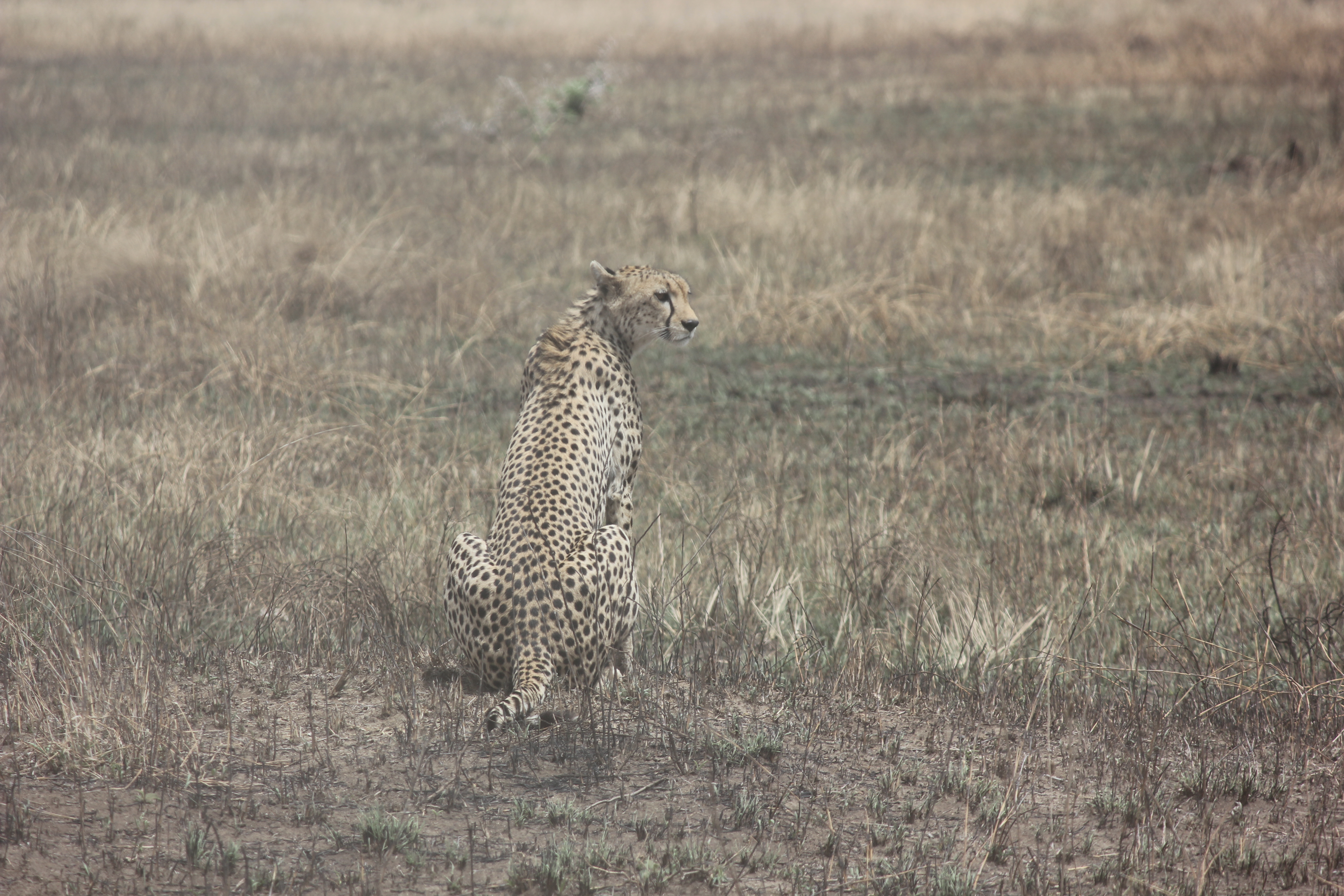
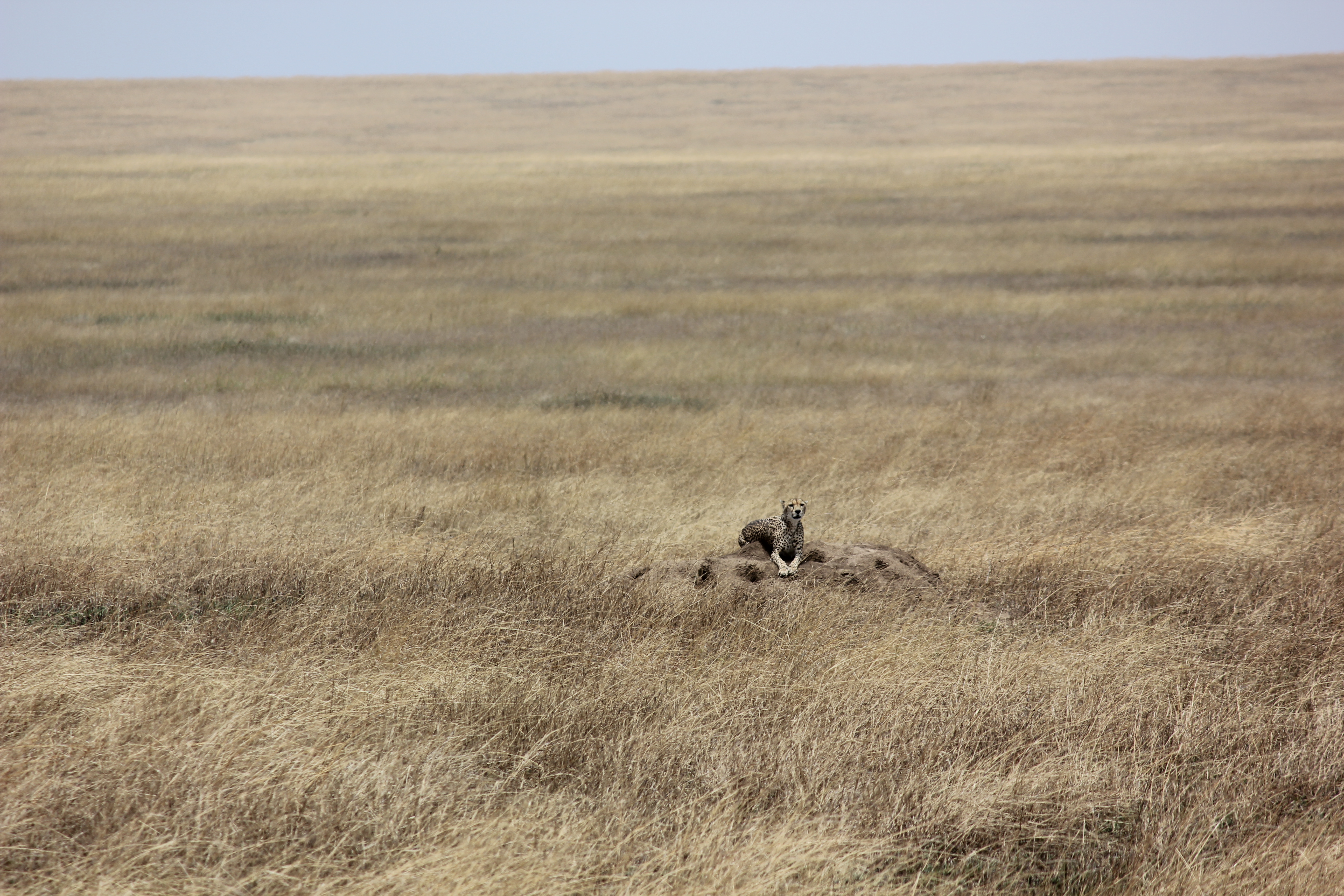
The first part of incredible happened when we spotted a cheetah! Look closely to see this amazing creature.

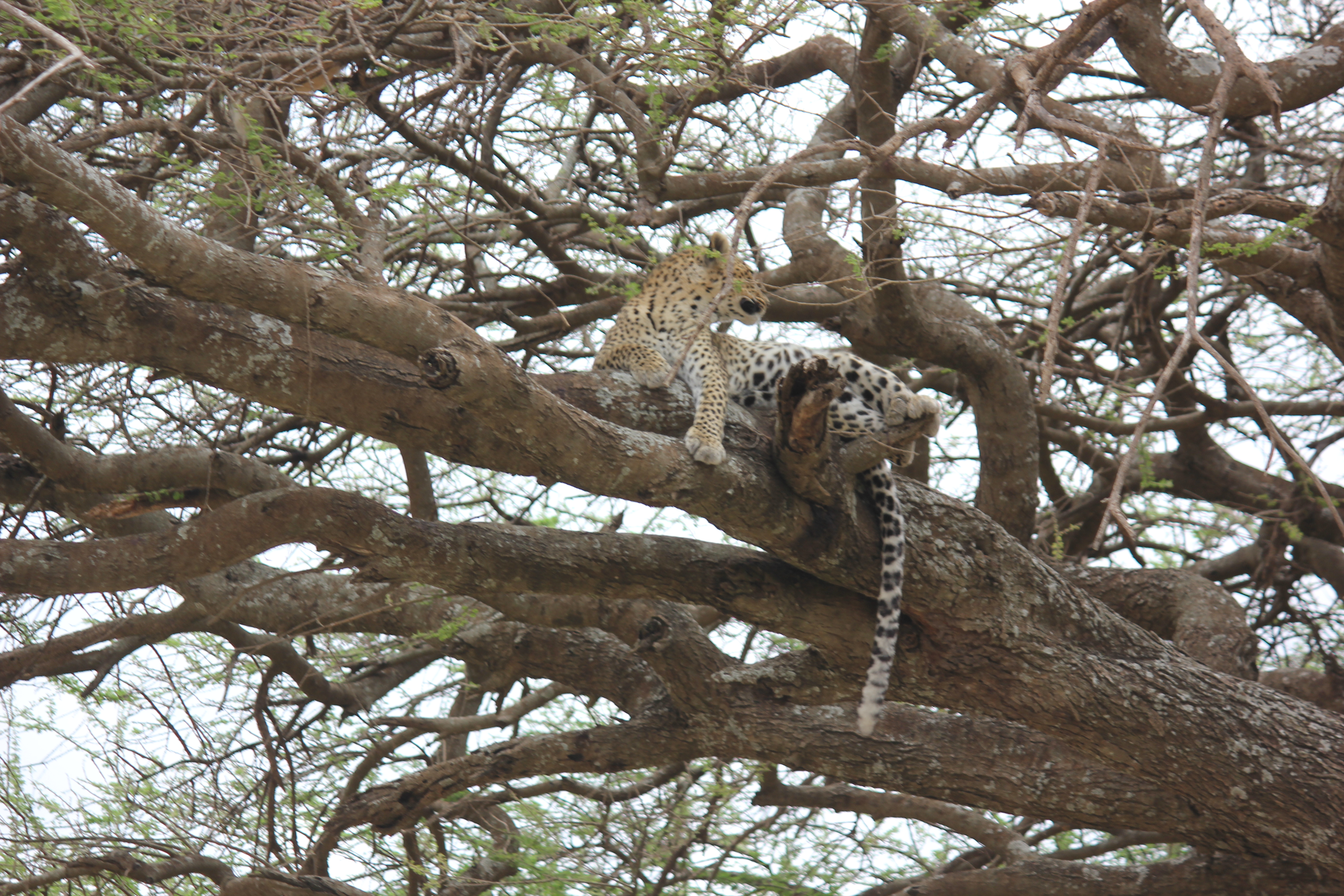
We continued on our way and saw an amazing assortment of animals as we drove through the endless plains. The word came through on the radio that a leopard had been spotted. Our guide led us to the last of the “big five” animals we were looking for. 

The “big five” designation is a goal for many – they include lion. leopard, rhinos, elephants and Cape buffalo. These are the big five because this is what hunters were looking for and were hard to find/kill. We just took cameras and had a great bit of luck to see all five in 24 hours. We are also happy to announce we have also seen the “Ugly five” too: the spotted hyena, the marabou stork, the white-bearded wildebeest, vultures and warthogs.

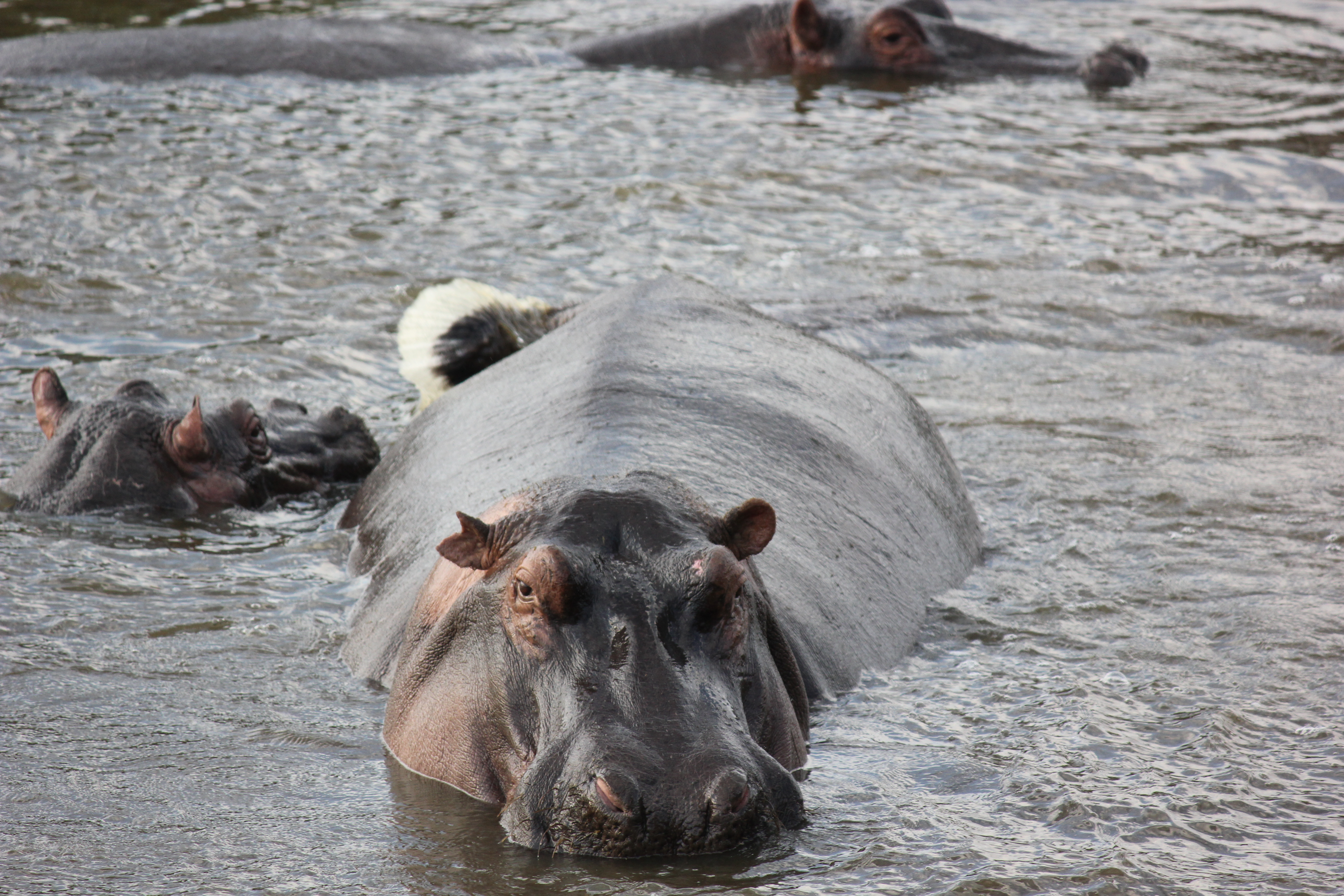
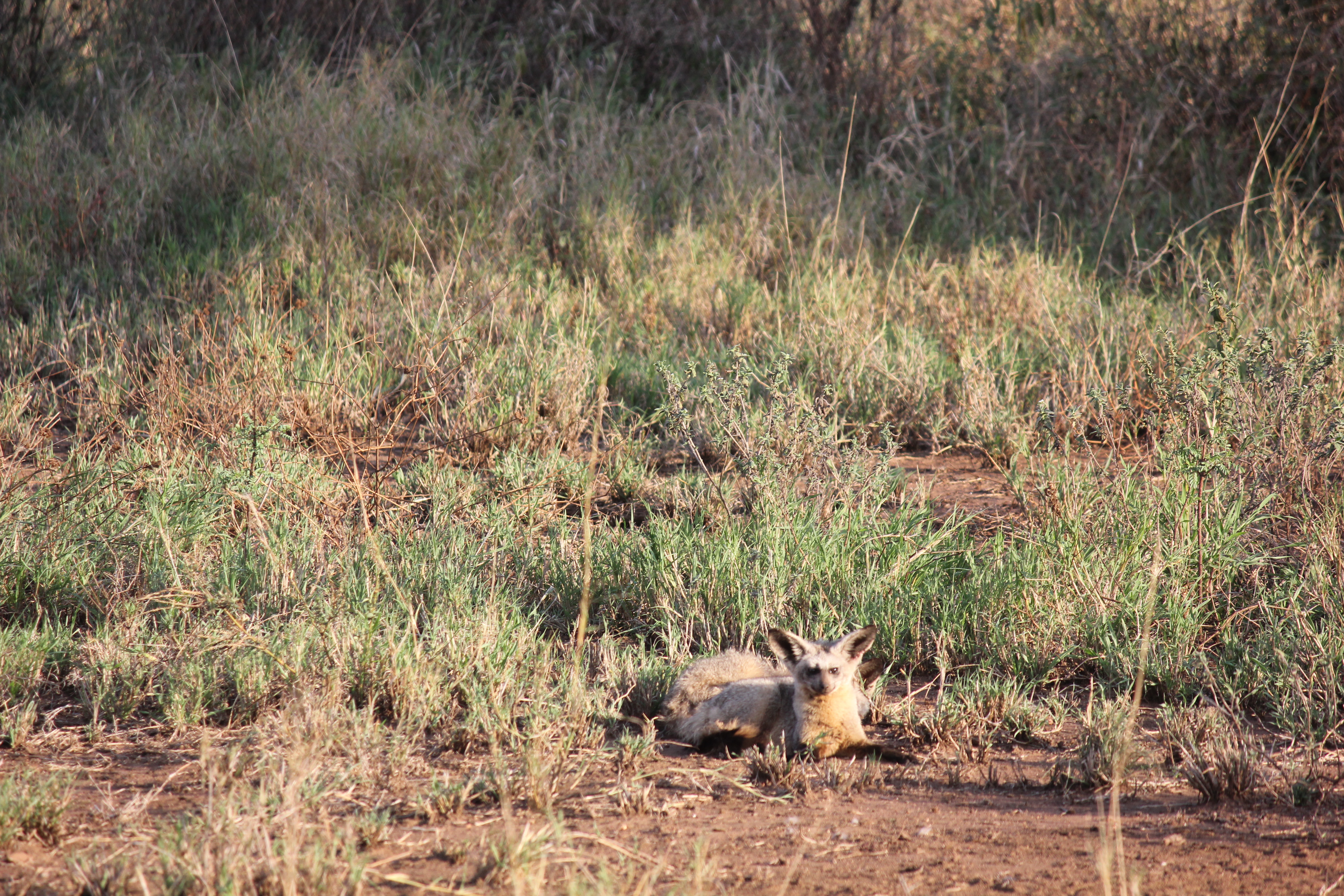
After arriving at our next lodge we set off for an afternoon game drive and saw more new species, including a tortoise, bat-eared fox and a Topi family. Then we also saw a hippo watering hole that kept our attention for a long while. 

We came back for a relaxing meal in our comfortable “tent”. OK, it has an en-suite bathroom, a fan and a king sized bed. We are being treated well so far. As a north american traveler, I have many biases. One of them is bathrooms. I prefer a commode to a squat toilet. I prefer modern hygiene. Tanzania delivers!

Tomorrow we continue our exploration of the Serengeti! I will hopefully have more time to upload pictures.

A day in the Ngorongoro Crater.

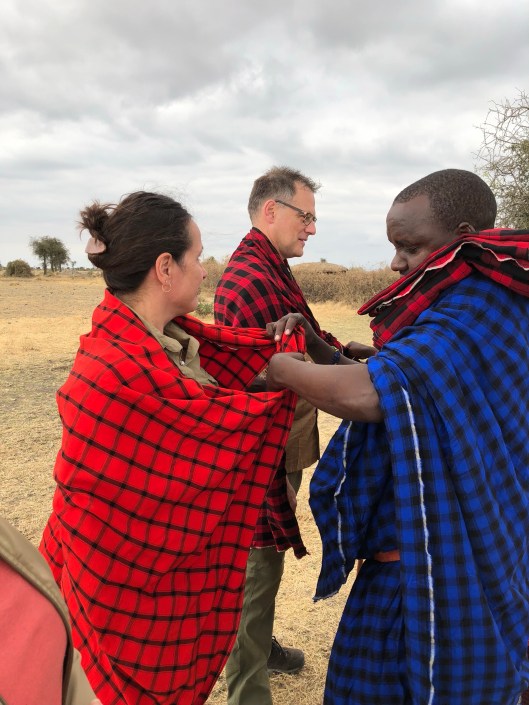
The first stop on today’s adventure was a Maasai village. They welcomed us with song and dance

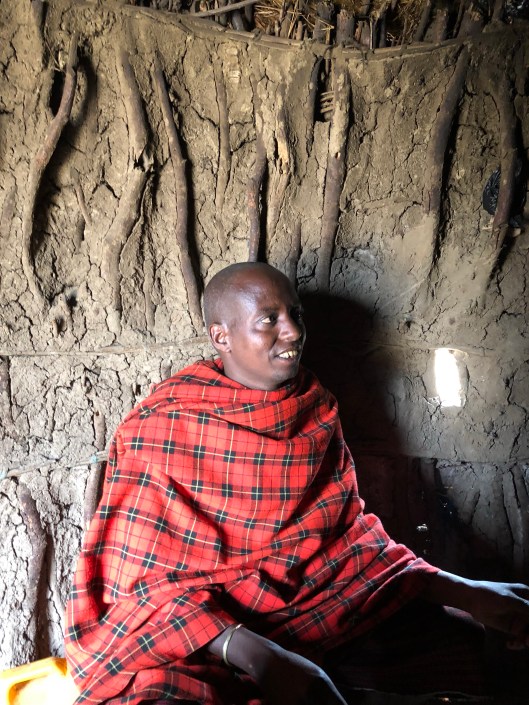
After ensuring we were properly dressed. They demonstrated their way to make fire and took us on a house tour.

The huts are made of wattle and daub. They are waterproofed with dry cow dung. They move every six months according to the grazing needs of their cows and either build new or repair previous huts. The stop allowed a great opportunity to speak with people living traditionally while adapting to modern life. Our guide was also a vet, while another had a degree in anthropology and tourism.

We then got a wonderful “African massage” on our way to the crater. Our guide used the term to describe the drive on the washboard-like red clay road up the mountainside to the crater. The road was so bumpy that my Fitbit counted 4000 steps on the journey.

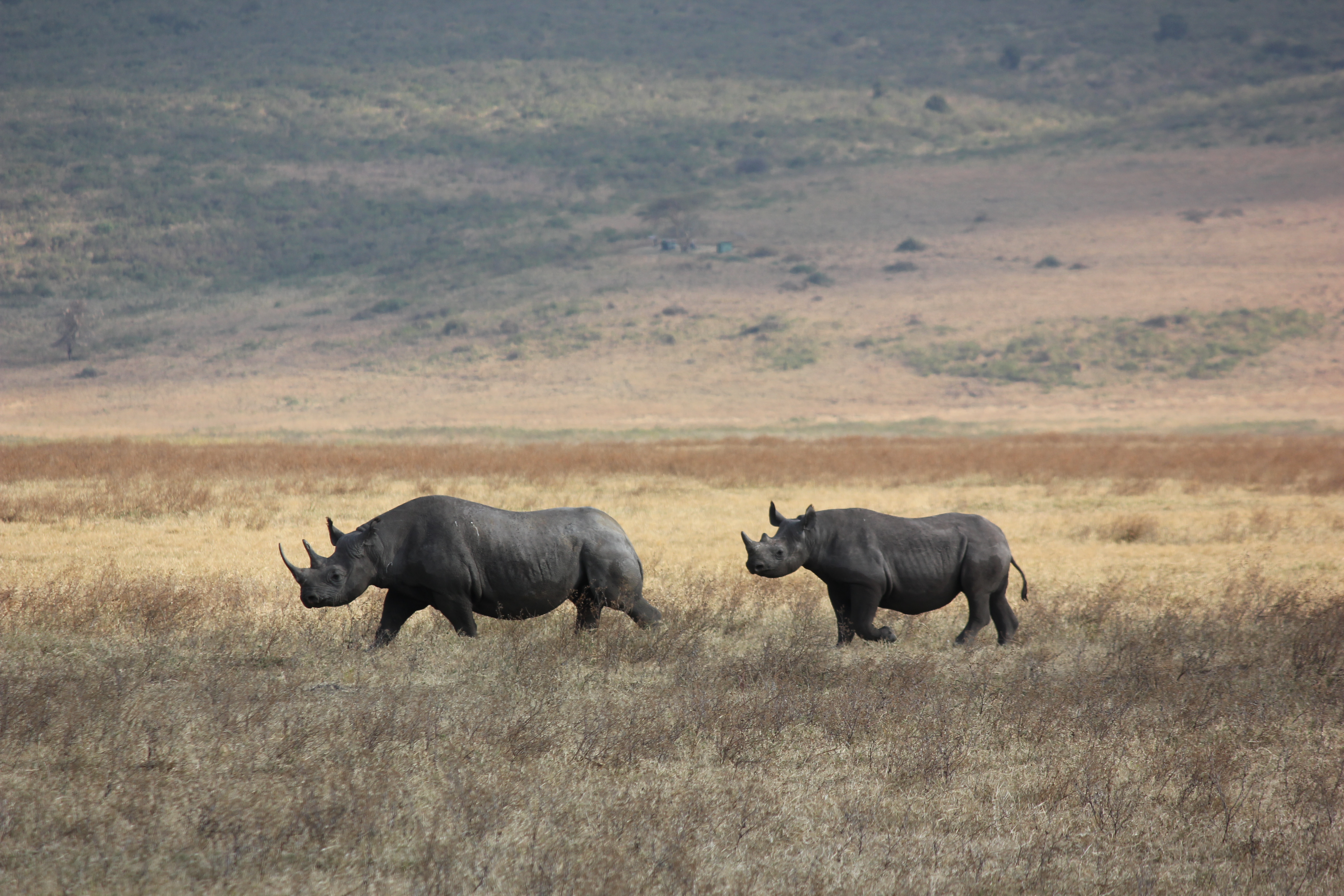
We checked into our next hotel, had lunch and got back into the Jeep for our afternoon safari. The view on the drive down to the crater floor was amazing. We saw an amazing variety of birds and animals including: ibis, spoonbills, Egyptian geese, crowned crane, herons, storks and Kori bustards, hyenas, Thompson gazelles, golden and black back jackals, a hippo, lions AND… TWO BLACK RHINOCEROS!

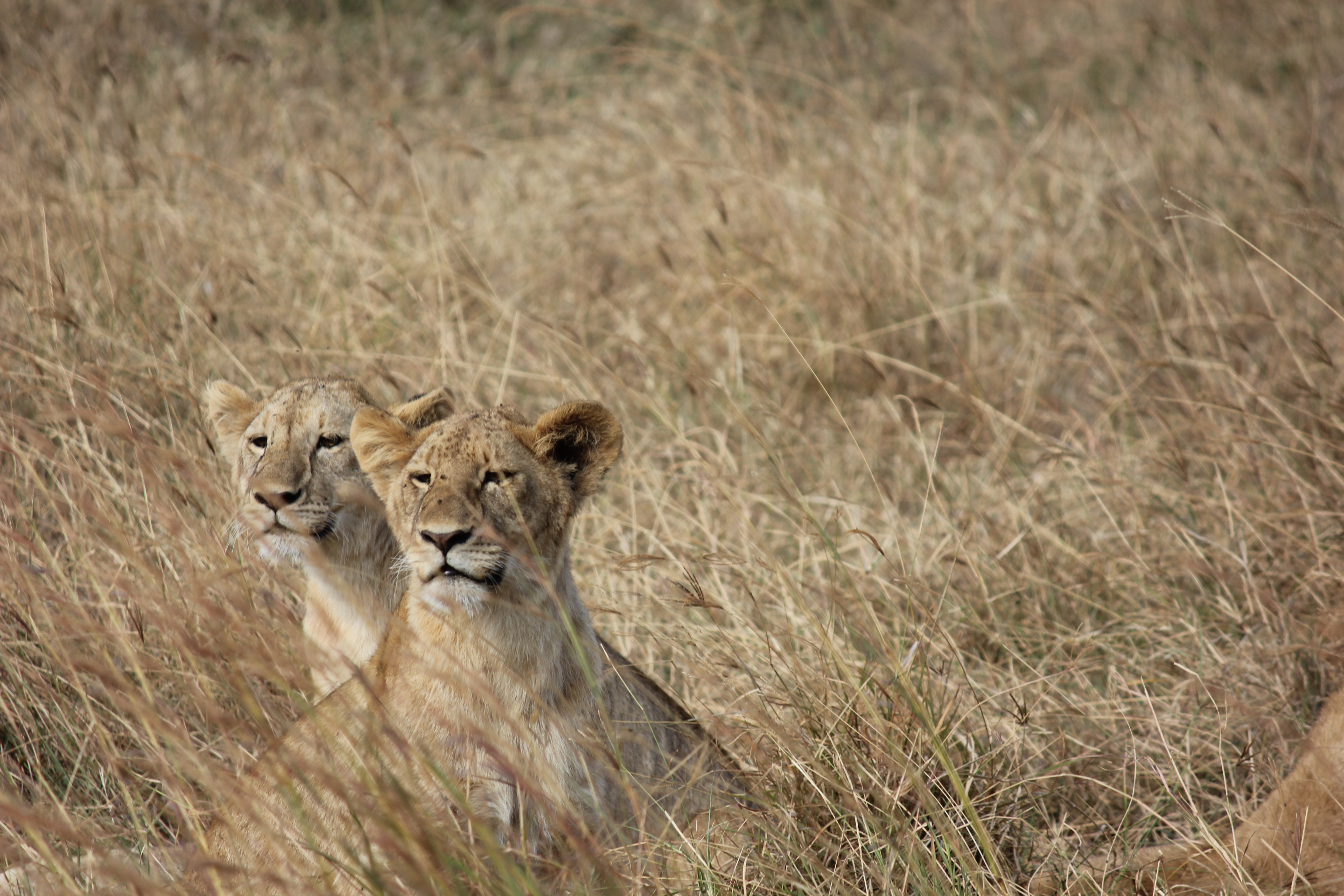
First the lion story. We weren’t sure what we would see because it seemed the grass in the crater was shorter than what we had seen in other places. We realized it was tall enough to hide lions. We initially noticed two male lions sunning themselves out in plain view. After moving on we saw what looked like a female lion in the grass. It turned out to be seven lions!

As we continued through the crater, the radio started to pick up. A black rhino had been spotted. Despite being up to 2.5 tones of moving muscle, they are notoriously hard to see. They hide in herds of wildebeests and are otherwise sneaky enough to avoid detection. Our guide couldn’t tell us how many rhinos there are in the crater because the conservationists don’t say as part of preventing poaching. The drive to the sighting spot was madcap. You could see the dust trails of every Jeep in the crater converging on the same spot. Wakara drove at breakneck speed dodging wildebeests and gazelles who decided now was a good time to cross the road.

We got close enough to see the rhinos as dots on the horizon and then we noticed they were moving towards us. We got a great view of a mother and her calf. We took a few million photos. The animals move gracefully and fast. We wanted to stay on their good sides.

A day in Tarangire National Park

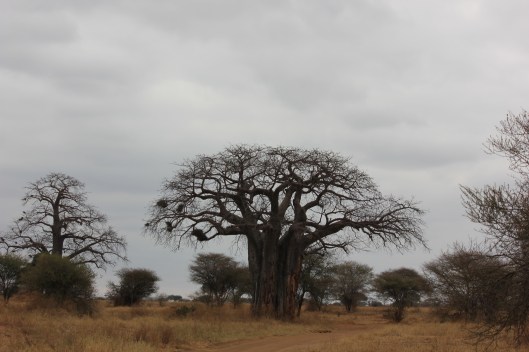
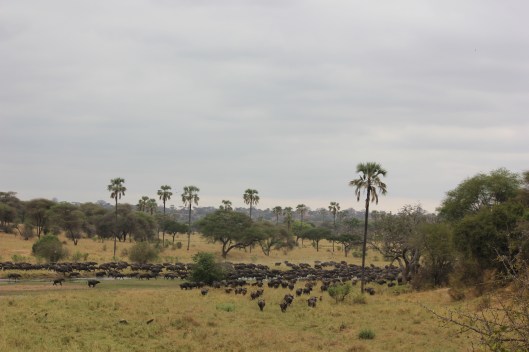
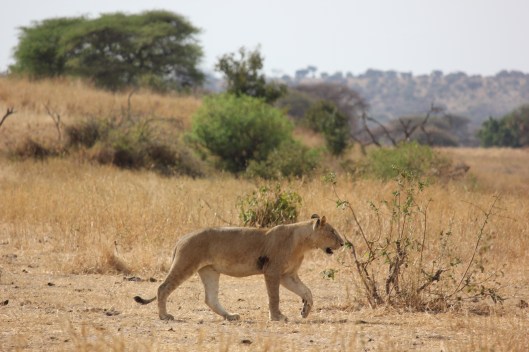
We had an amazing adventure today. We left the Maramboi Tented Camp after a delicious breakfast on the deck and drove to the Tarangire National Park. The bucket list started to overflow. First of all, I got to see Baobabs trees in real life. IMG_2063.JPGI first learned about Baobab trees when I read The Little Prince in school and have wanted to see one in real life ever since. They are an endangered species now due to climate change and other factors. We experienced these trees throughout the national park, often in conjunction with the myriad of animals we encountered. Our list of animal sightings for today included: the omnipresent Wildebeest IMG_2111.JPGand Zebras (we saw hundreds of each), giraffes, and elephants by the dozens. We saw several lions in a variety of activities. Our first encounter was with a female lion who hunted and killed a warthog, IMG_2422.JPGIMG_2352.JPGIMG_2463.JPGIMG_2123.JPGIMG_2246.JPGthen a male lion hanging out, and finally a trio of lions, two of whom moved into the grass and one climbed a tree and had a bit of a snooze. We also saw ringed and dwarf mongoose, Eland, Dik diks, Gazelles, Jackels, Waterbucks, Hydrax, and Impalas.
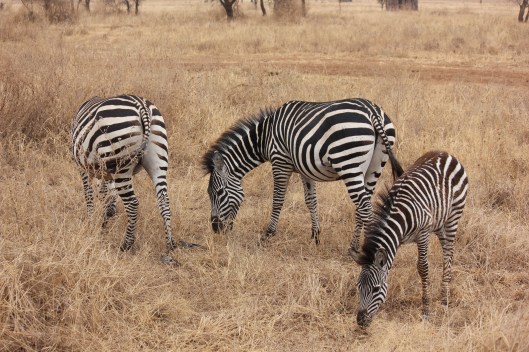
Did you know that Zebras are from the same family as horses, but you can’t ride them because they have soft spines? Another Zebra fact is that they have great memories and highly honed senses of smell. They can smell rain. We learned that warthogs go into dens at night, but chose to go in backwards because it is easier to escape if you have to run away in the night.

We saw many birds of all kinds today (i.e., lilac-breasted Weaver, long-crested eagle, Fisher’s love birds, yellow-necked desparto, tawny eagle, Roper’s griffin vultures, whiteback vulture, sparling, Egyptian goose, steppe eagle, ostrich, red & yellow crested barbet, and most amazing of all, a Secretary bid). My friend Eric has encouraged me to look at birds as the amazing creatures they are. We relied heavily upon our guide, Wakara, to notice and name these birds for us.

We experienced the circle of life a couple of ways today. The first was watching vultures consume the left over parts of a lion-killed zebra. The zebra probably died within twelve hours at the most of us encountering the vultures feeding frenzy. The birds need to wait until the lion abandons the kill, then they and a couple dozen of their friends’ clean things up, to the bone. Our second reality check came when a lion we spotted a warthog and went into hunting for food mode. She stalked, chased and ate the warthog while we watched. The third encounter occurred while we watched a herd of elephants at a water hole. They group were drinking and licking salt when two juvenile elephants started to push and entangle each other with their trunks. An older elephant intervened and pushed the malcontent elephants apart.

We got back to our resort at 5 pm and had a bit of time to clean up and get organized for happy hour and supper. We have had excellent food for every meal including our box lunch on the safari trail. We stopped at a rest area to picnic and found ourselves defending our rations from baboons and little grey monkey out from under our neighbours’ lunch boxes. People keep feeding these wild animals and so they interact with people who see nothing wrong with zoos.

We are off to the Ngorongoro Crater next!