We were up at the crack of dawn to get to our first adventure. We took a game drive to Chobe National Park in Botswana the morning. Zambia, Botswana and Zimbabwe all share a common border. To get to Botswana we had to drive for one hour and then go through immigration. We then took a ferry to the other side of the river. This sounds simple; however, Zambia and Botswana are building a bridge across the river. This makes the crossing a construction zone. It also means that all the transport trucks must take ferries too. There were hundreds of semis waiting to cross and only 100 can be accommodated in any give day. It was a zoo of trucks and people. Sometimes the drivers are stuck at this crossing for a week waiting their turns.
We made it across the river only to have to go through Botswana’s immigration. That was simple but there were lots of people in line. After getting our stamps, we were stopped again to have someone look at our passports as we left immigration. We are still figuring this one out. This let us get underway in our open jeep. It was another 20 minutes to the park gate and we briefly stopped so our guide could fill in forms that required our passport numbers. That is when I realized I didn’t have mine anymore. There is no feeling of freak out that I can describe than being in a foreign country without a passport. We looked through all my stuff and found nothing. Our guide was brilliant and immediately got one of his team to start the search for it. He was going to start at immigration and then follow our tracks on the road looking for it. I had no idea where it could be. The complicating factor was that the power was out at the immigration office so no one was answering the phones. There was nothing to do but continue the drive.
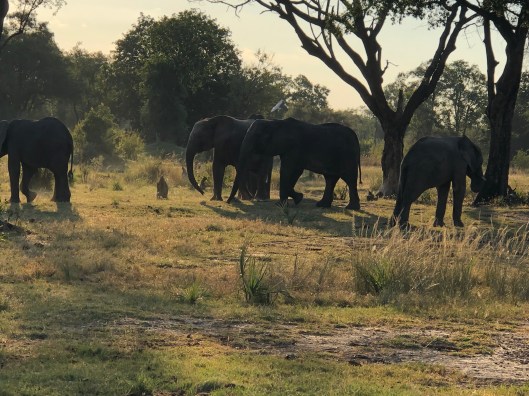
We saw incredible animals. There were all kinds of antelope/gazelle type beasts and we saw giraffes, lots of elephants and some incredible birds.
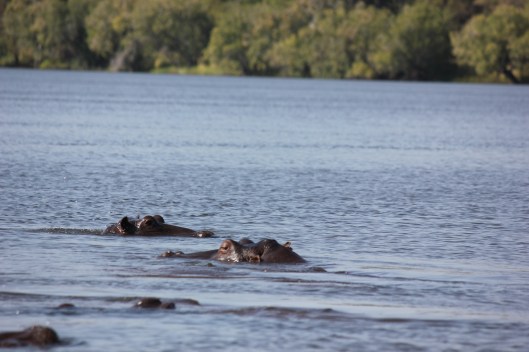
We came across a hippopotamus lying in the mud. She had a baby beside her. It was tiny compared to the mom, but about the size of a small pig. We realized that this baby was only minutes old. The mother still had not delivered the placenta. We watched as this little one took its first steps. It wobbled a few times and fell but was amazingly strong and was able to follow its mom as she moved onto deeper water.
Unlike Tanzania, when it was time for a bathroom break, we headed for the bushes. Axe, our guide, pointed out the girls bush and directed the boys to a different one. There aren’t as many big cats around, so it was fine to use the wilderness. I still did lots of checking out the bush for any wayward elephant before dropping my drawers. We got back to the Jeep to learn that my passport had been found. There was much joy and hugging that occurred. Axe was elated and told every driver we met about the drama. Most of our lunch break was used up going back to immigration to get my passport. The immigration officer would only give it to me, not to any guide. It was a fast, bumpy ride and a quick pick up and we were back on track. I was very grateful that I didn’t need to learn about temporary permits.
We had time for lunch, a nice buffet at the resort near our next adventure a river safari on the Chobe river. Our group was just finishing so I was happy that we hadn’t delayed them at all. The dinner was interesting. The main entre was warthog stew. It had to be tried. It was good, tasted a lot like roast beast in tomato sauce. They chop up meat bone and all here, so it was sort of like eating goat at an Indian restaurant back home.
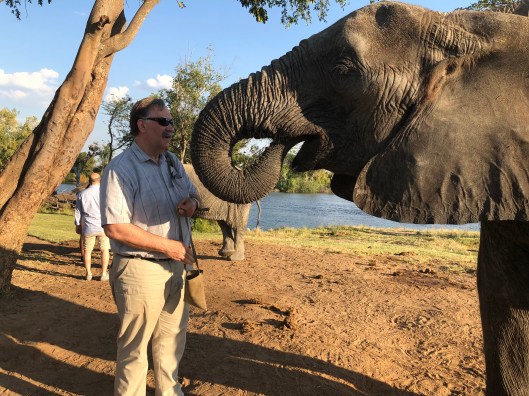
The boat cruise was wonderfully relaxing. We got really close to some elephants swimming as they crossed the river and eating tasty grass on an island in the river. It is amazing how they just ignore us. We got a bit sleepy on boat, the swaying and warmth got to us and it was wonderful to snooze for a bit only to be awoken by the next hippo sighting.
We went through all the immigration pieces again. While waiting for our ferry back, Axe explained that if we stood on “this side” of the wall, we were technically in Zimbabwe. So, of course we all took the opportunity to visit another country. The drive back was uneventful, and we were happy to get back after our 11-hour tour and go for a swim. The pool was a refreshing response to a day of heat. We ate poolside afterwards and were in bed by 8:30. We are living the life!
I encountered technical difficulties regarding the pictures I took today. I used a 64 GB HDXC card. The fellow who sold it to me said to try it out with my “older” camera (it is 6 years old) to ensure it worked. I did and it worked. What I hadn’t tried was to use it with my card reader that I use to transfer pictures to the computer. The good news is I have other, less advanced cards to use for today’s activities. The pictures today, therefore, are courtesy of Dale.

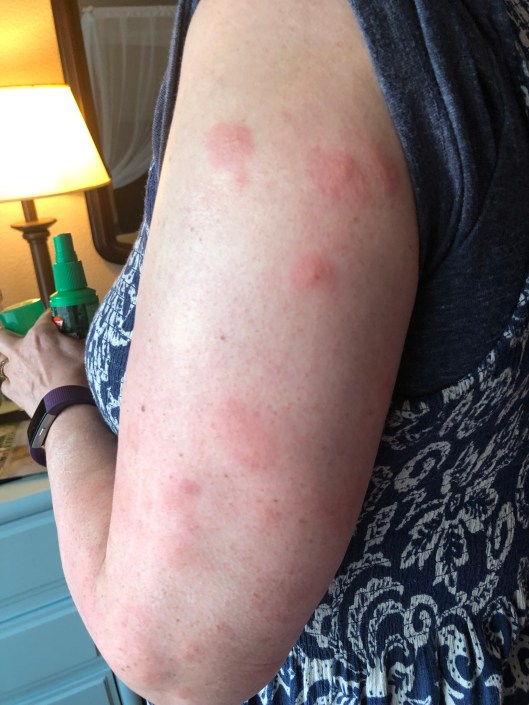 The welts multiplied overnight and became painful. So, I decided to check out the resort clinic. The small medic space is designed primarily for the staff and were in the middle of transitioning to a new office space. The boxes of supplies said a lot. There were HIV testing kits and syphilis treatment kits in good supply.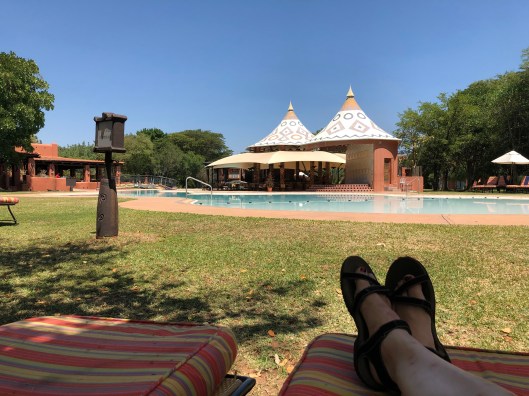
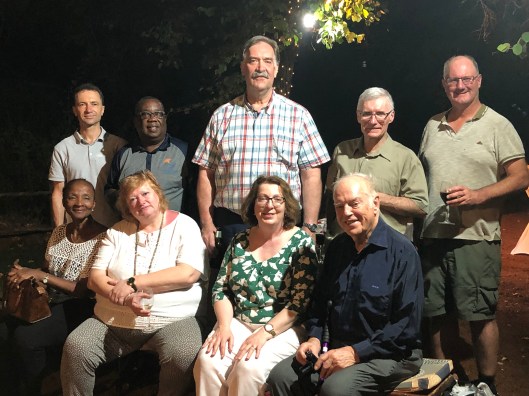

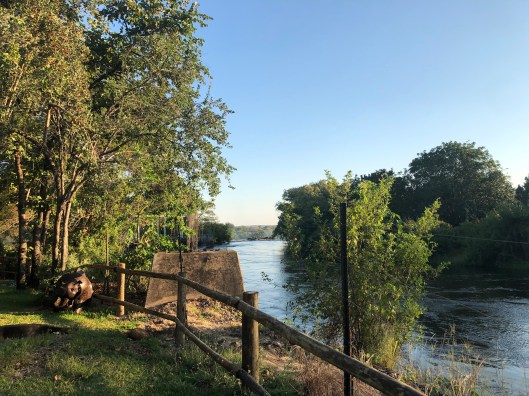
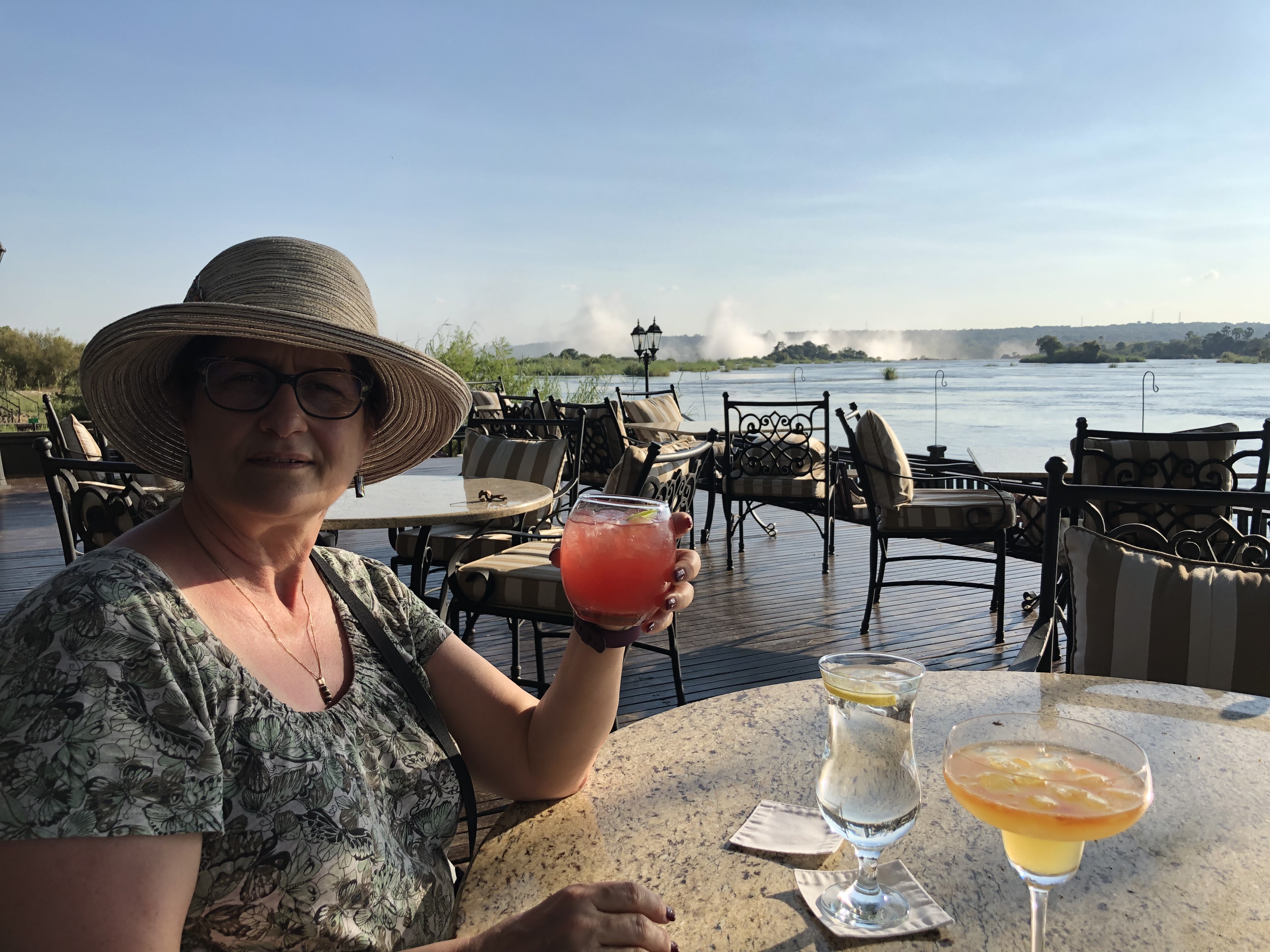
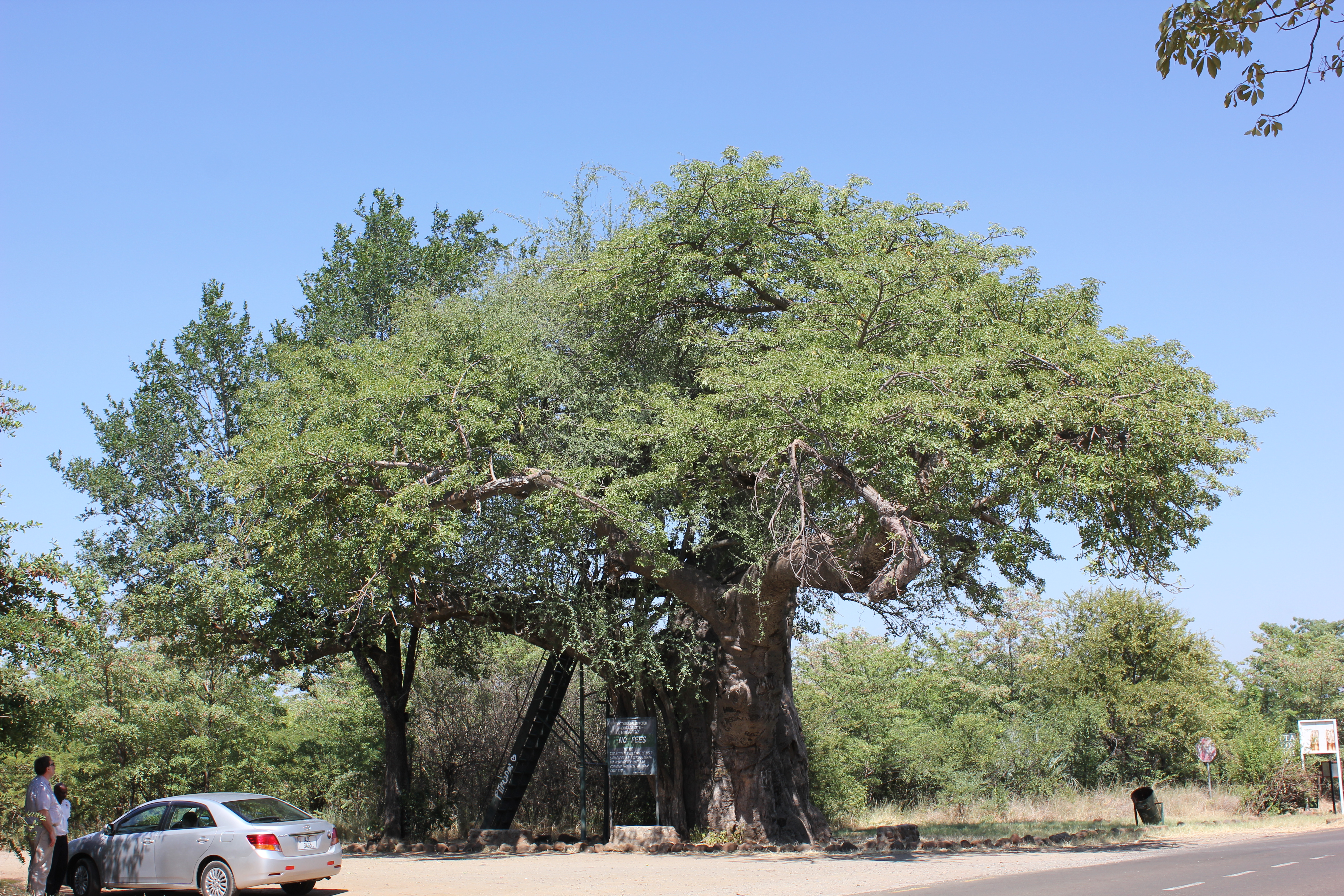
 A pint of beer is $5.50cdn. It’s a good thing beer is our drink of choice. It has been so hot here, even the locals have complained. One woman told us that the rainy season typically goes from October until The end of March. There has been no significant rainfall since mid January. The corn crop, a main dietary staple is failing and the water level is really low. Thus likely means food shortages and a lack of electricity later this year.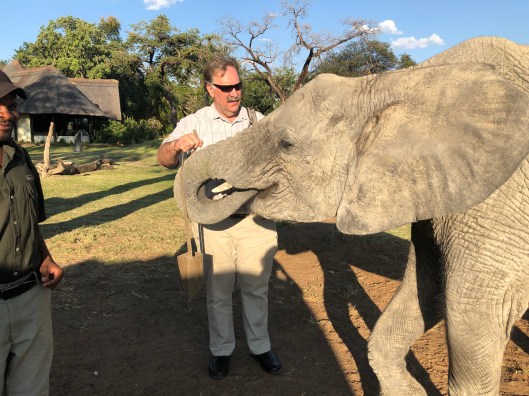

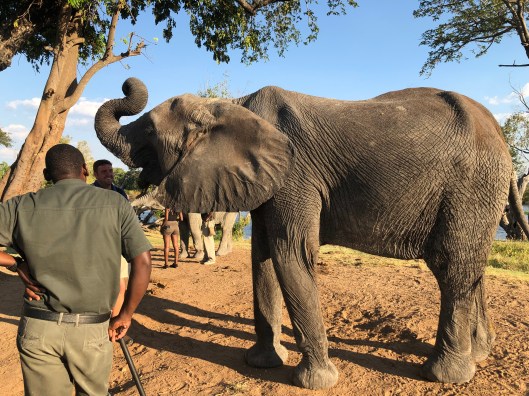
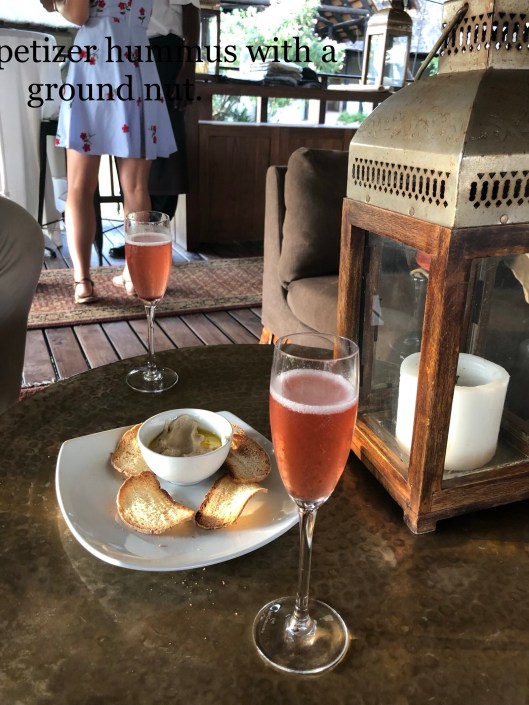
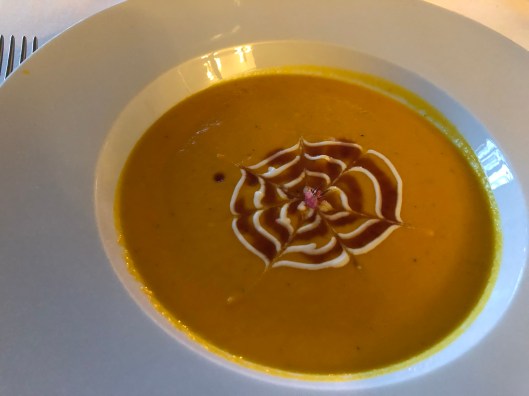
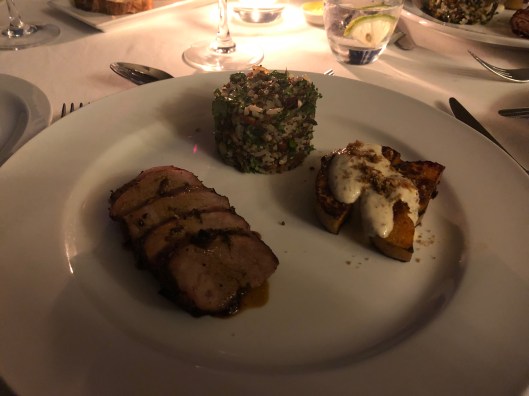
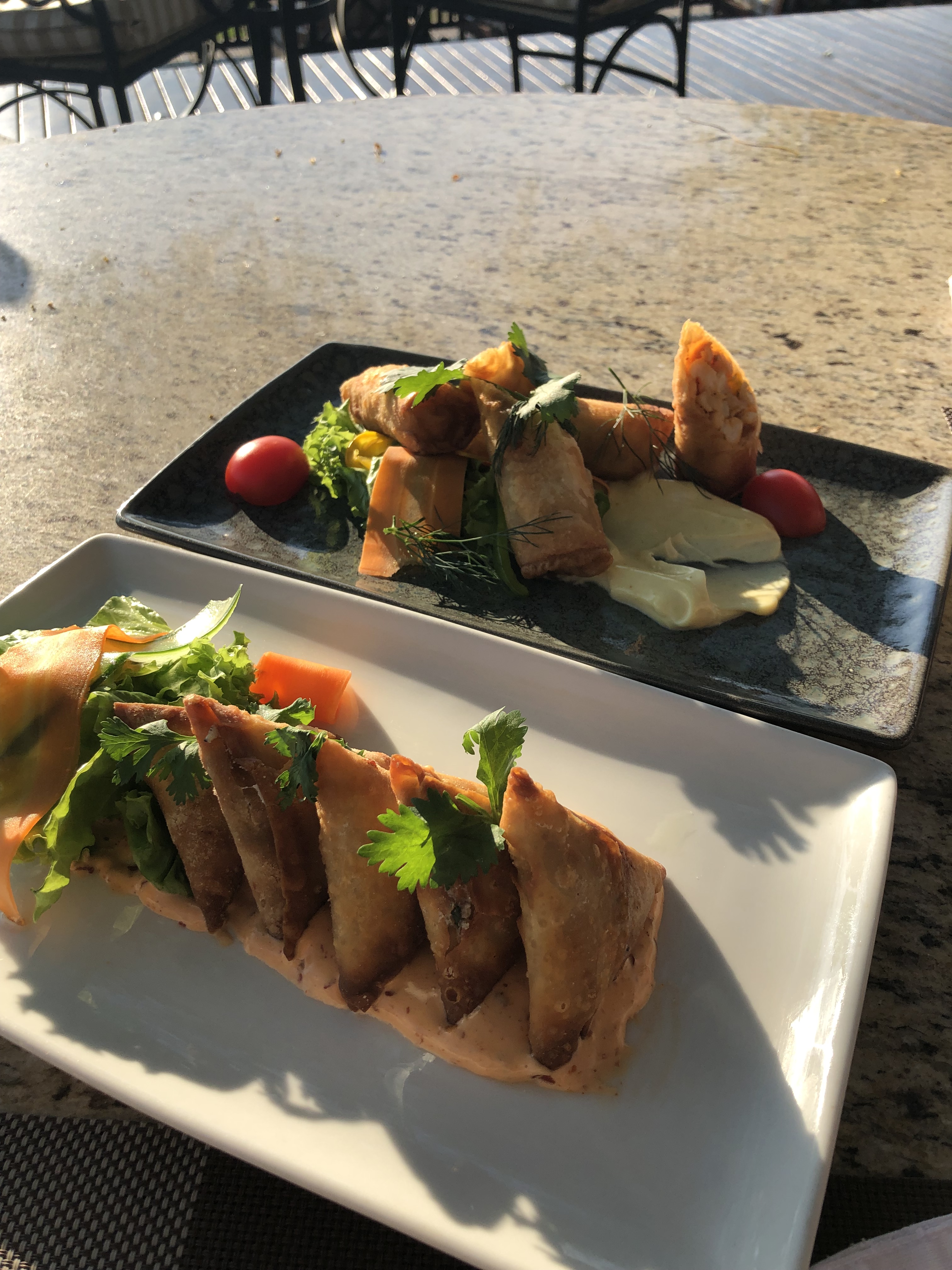
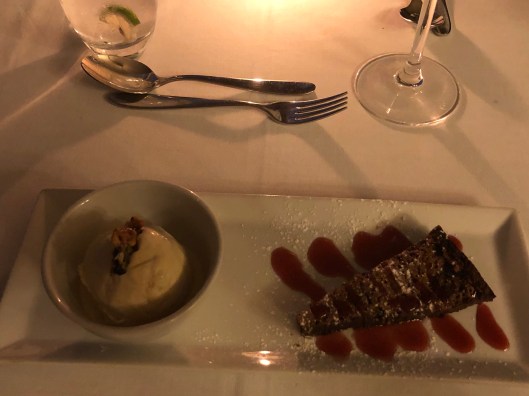 all the food was sourced within 20 miles. They foraged many of the seasonings and reductions from indigenous plants that the locals eat regularly. However, they prepared more upscale presentations. Everything was amazing with tastes that were unusual but delicious. The duck was the best I have ever eaten with a tamarind-based duck sauce to die for. We learned that they grow both coffee and cocoa in Zambia and the mocha we had for dessert was reminiscent of hickory infused cafe au lait.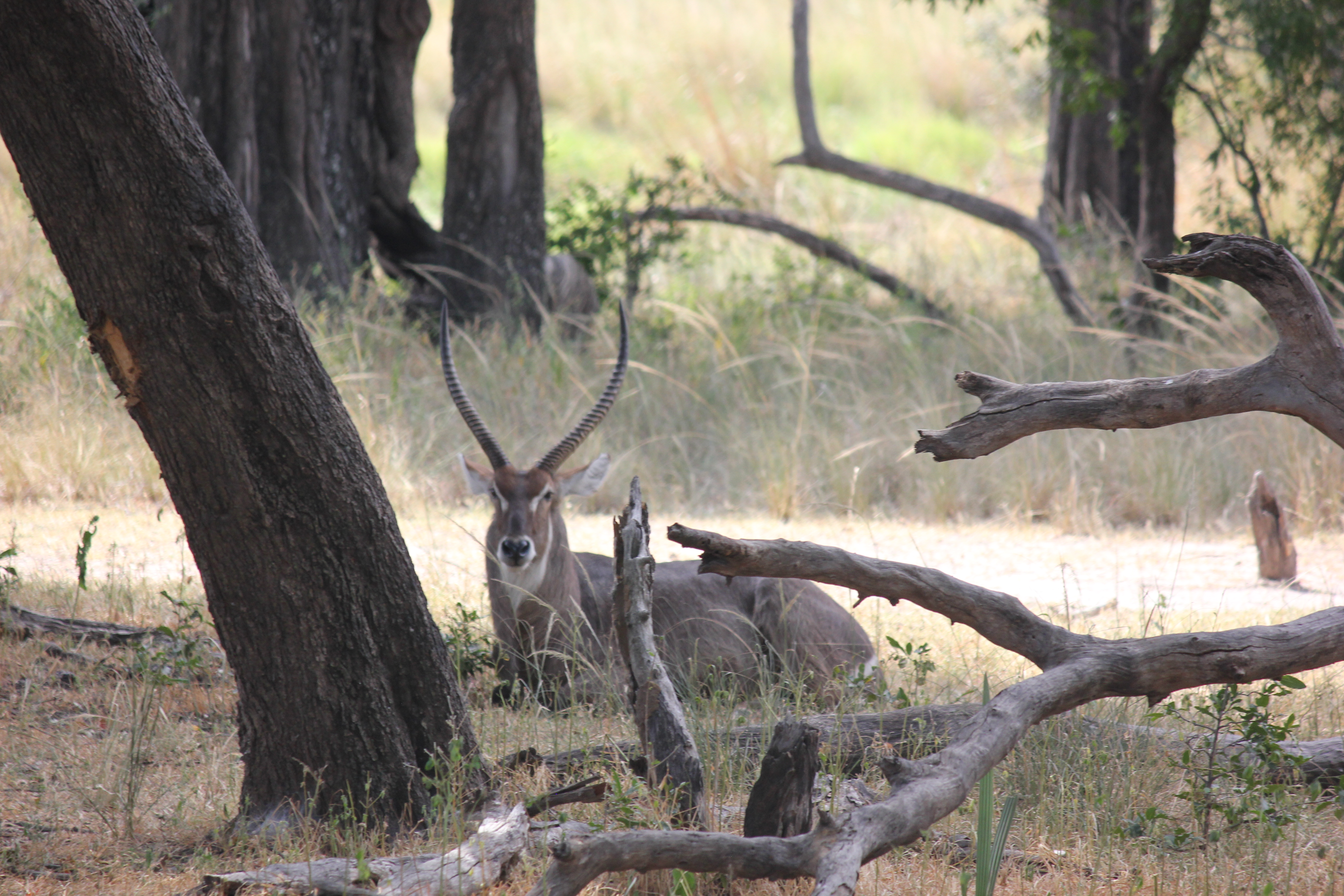
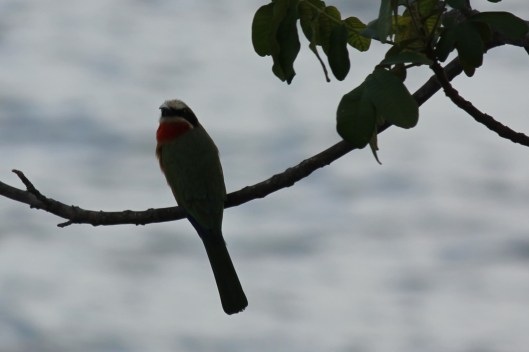 who lives in tunnels in the river bank. The warthogs were interesting. We noticed that some of them kneel to eat, a unique way of getting down to earth. The drive was interesting and unexpected. It wasn’t described in the brochure at all.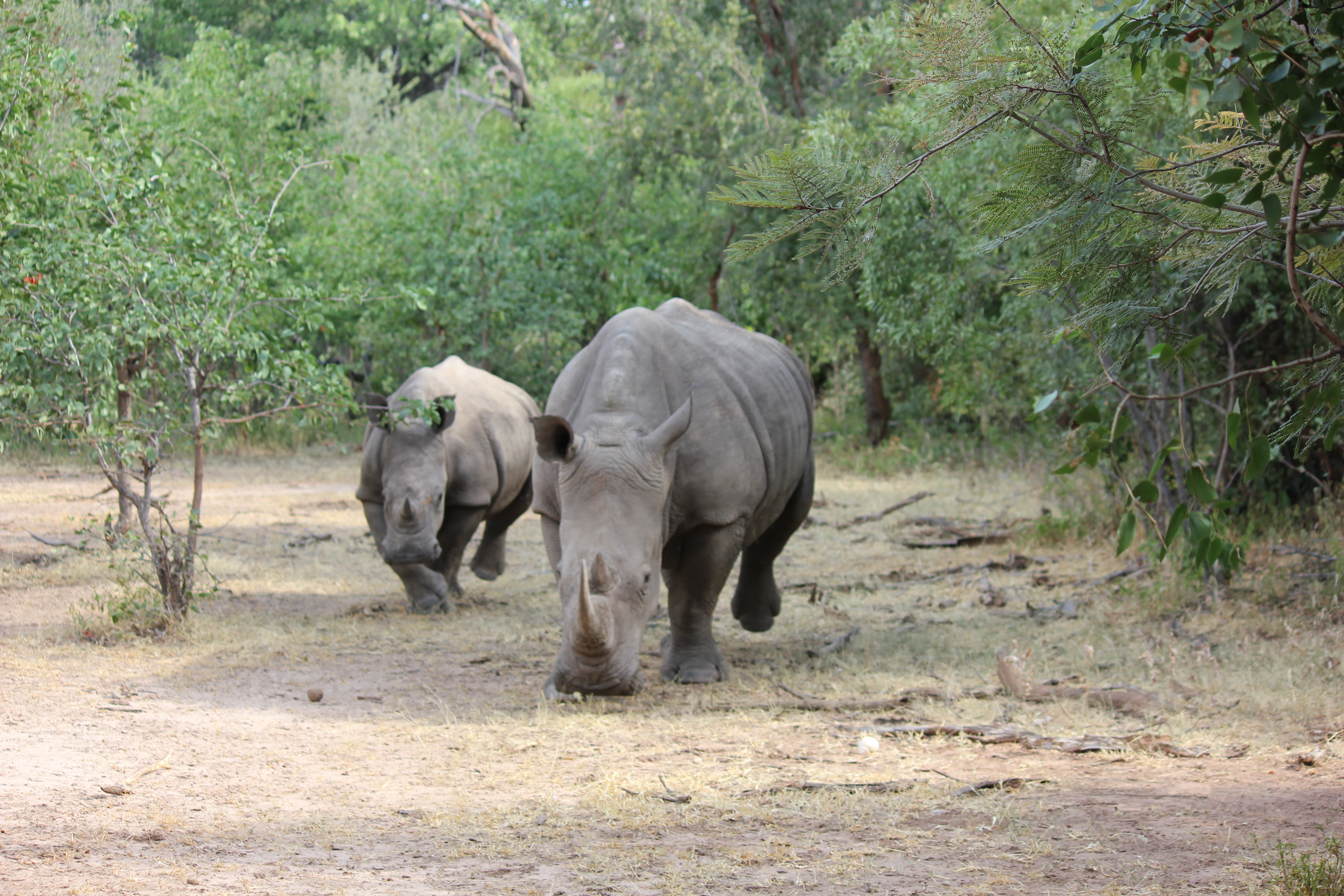
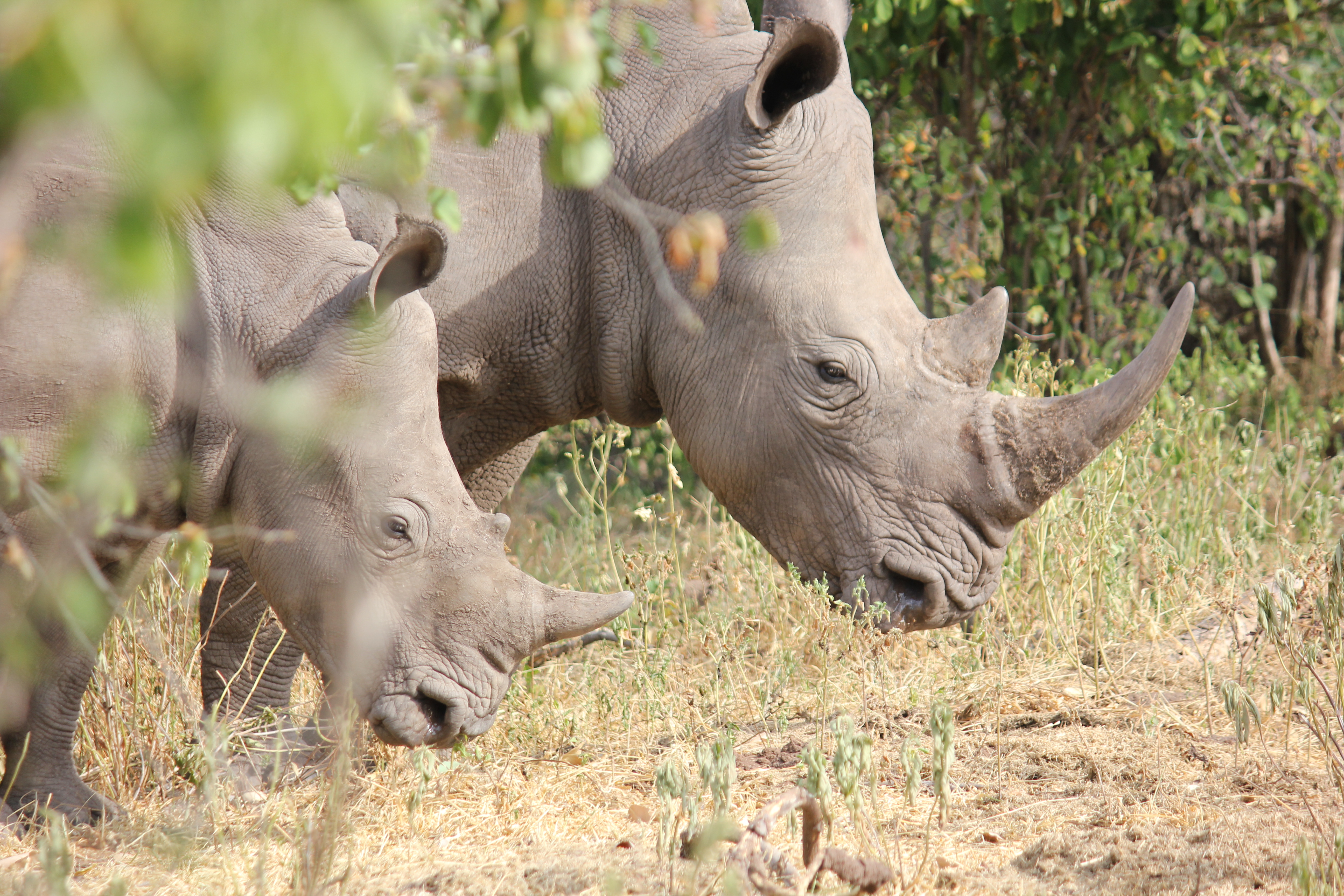
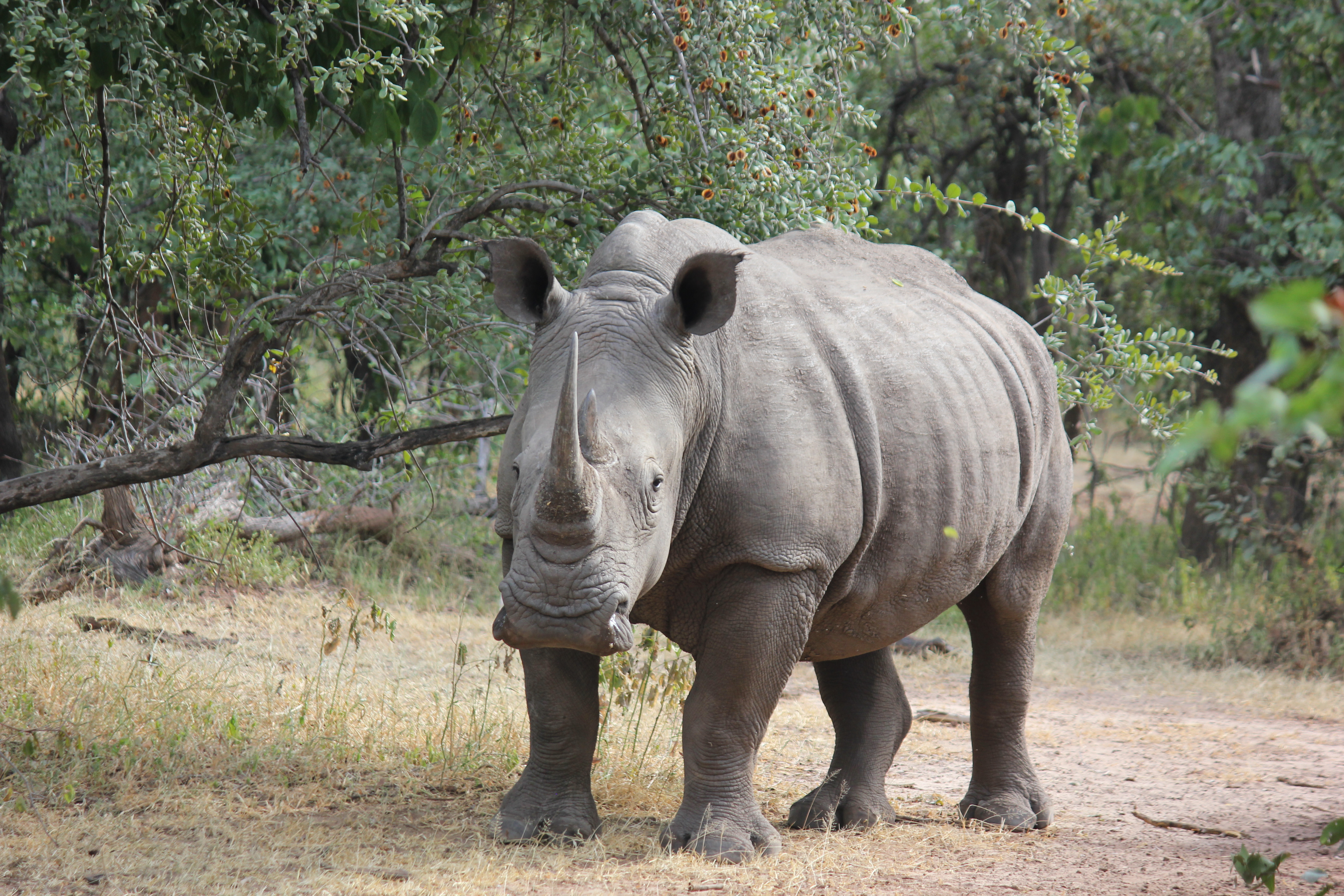
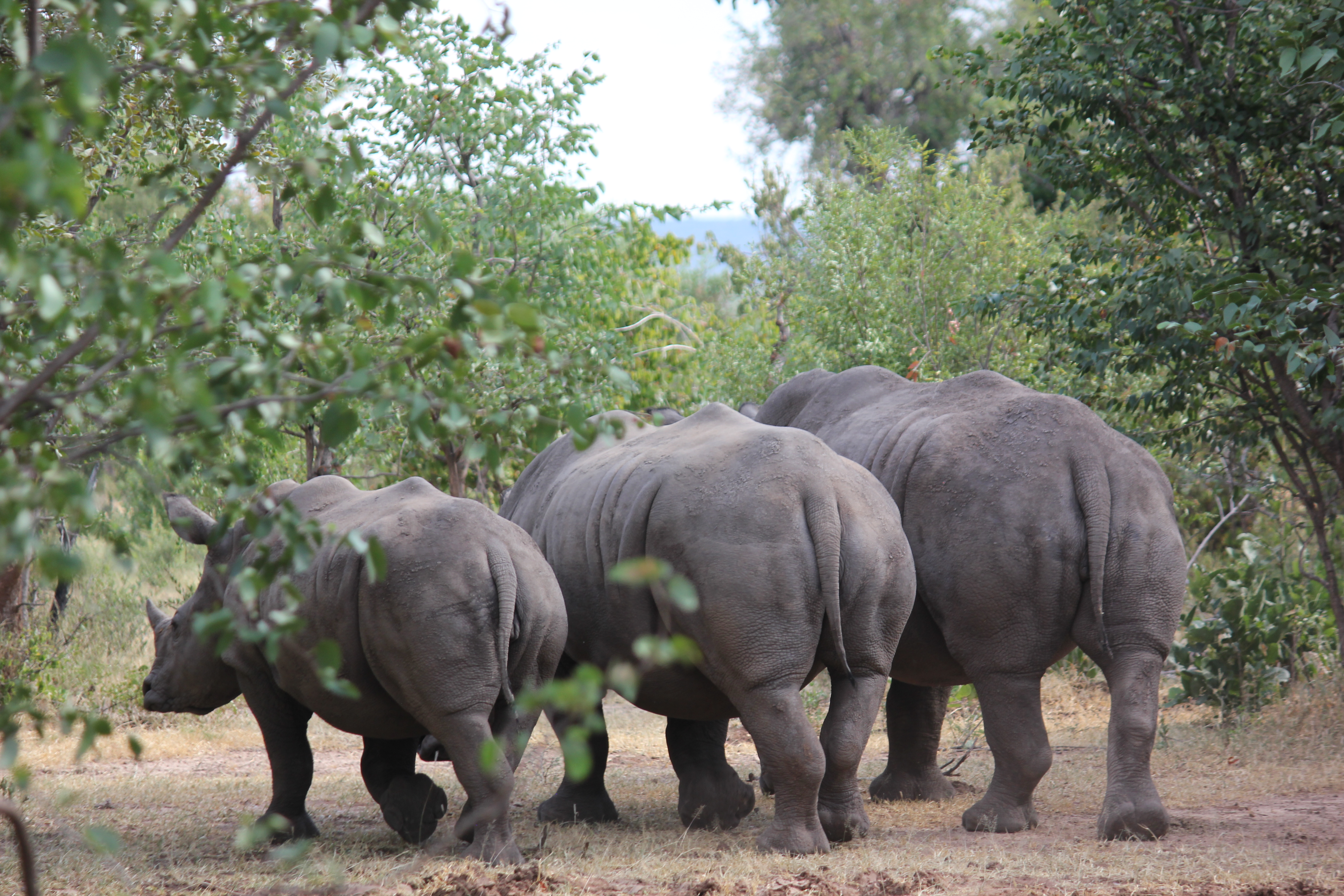


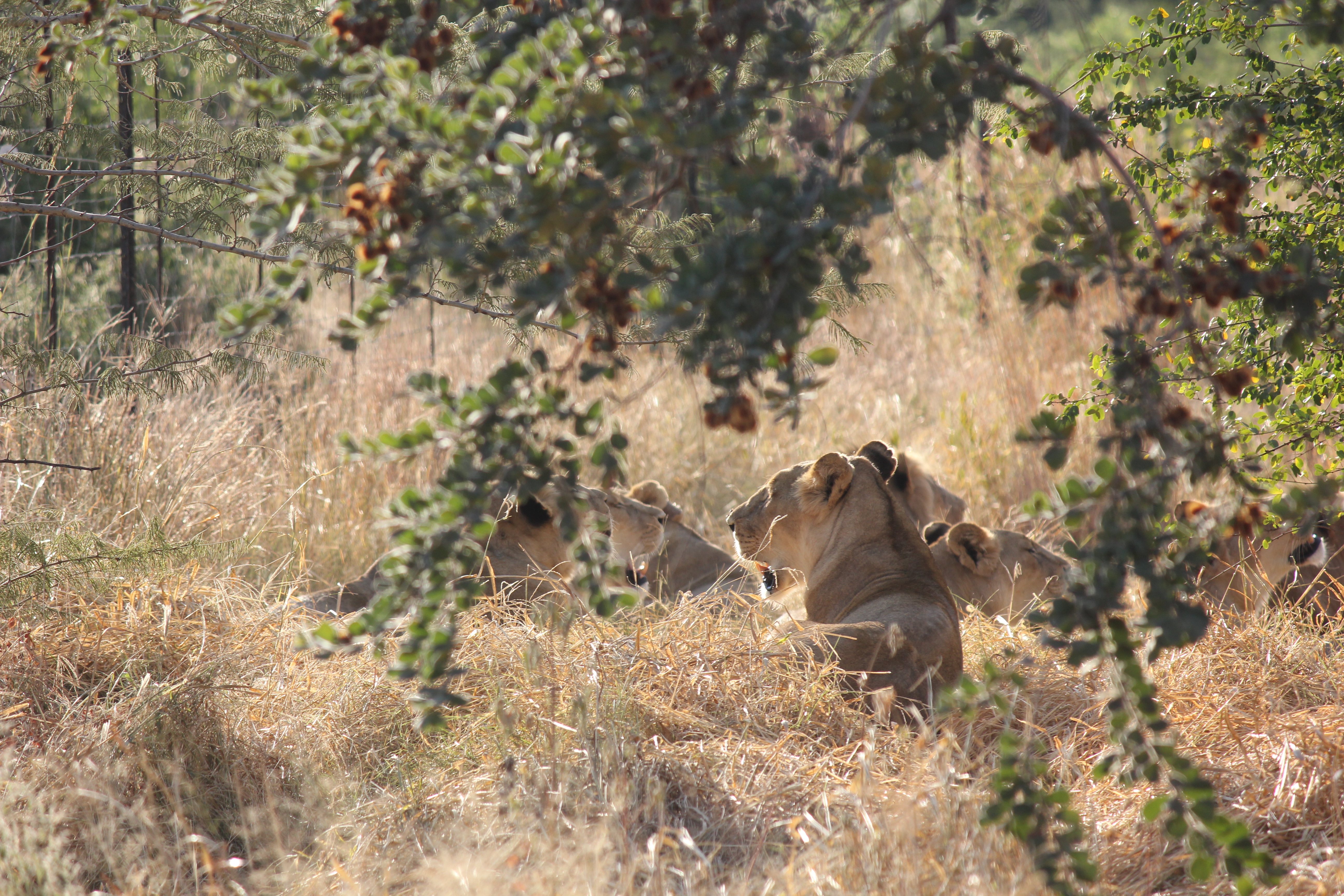
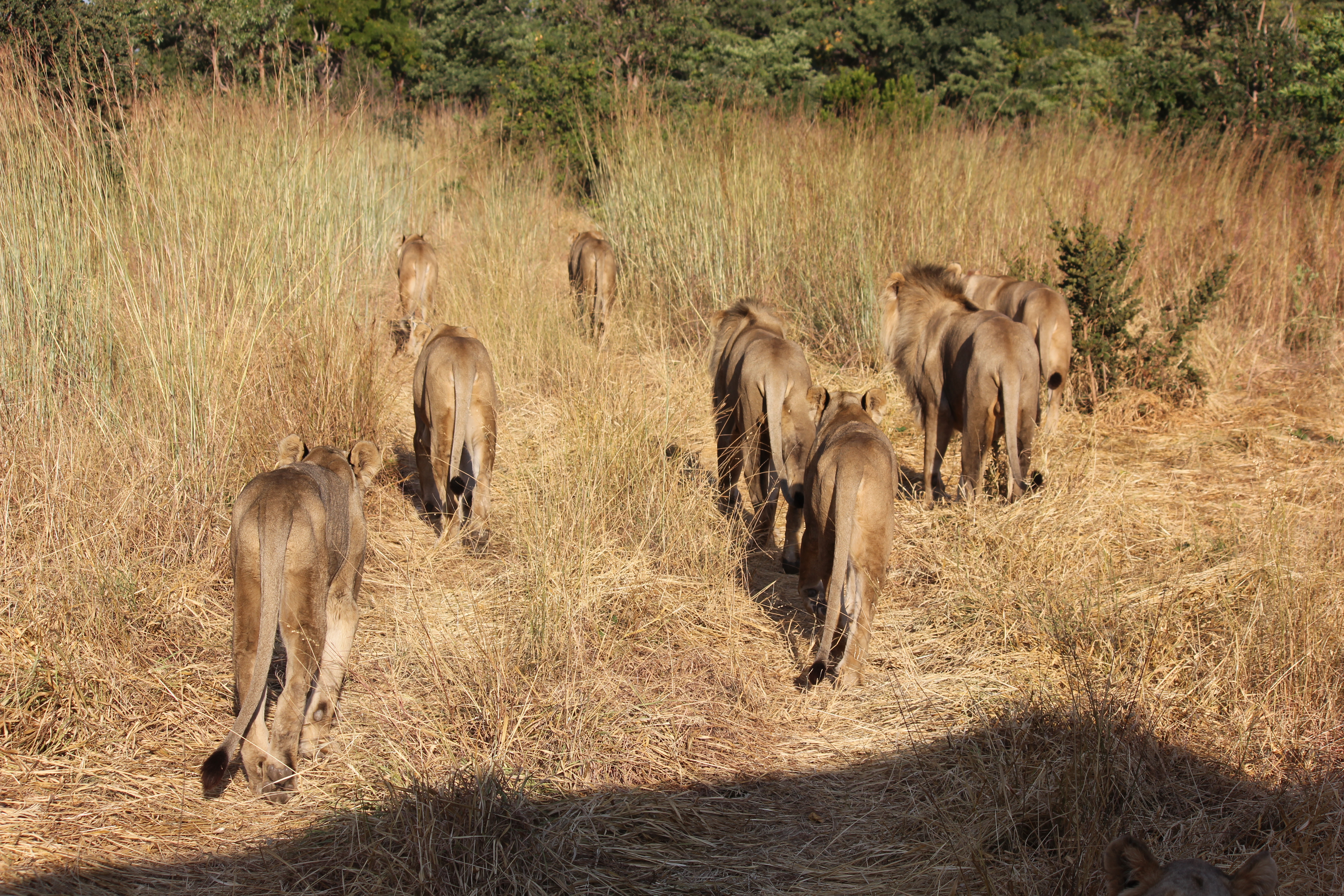
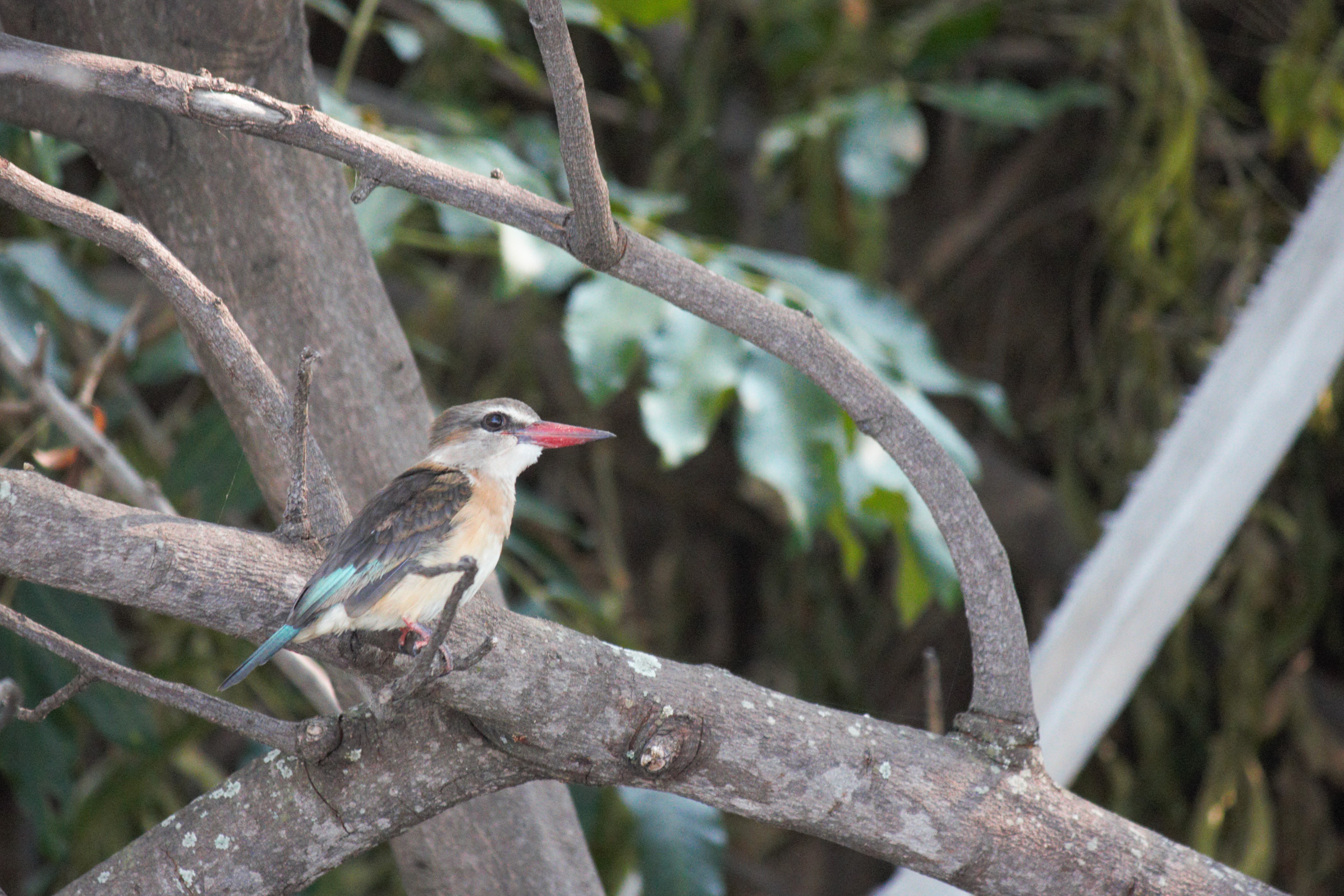
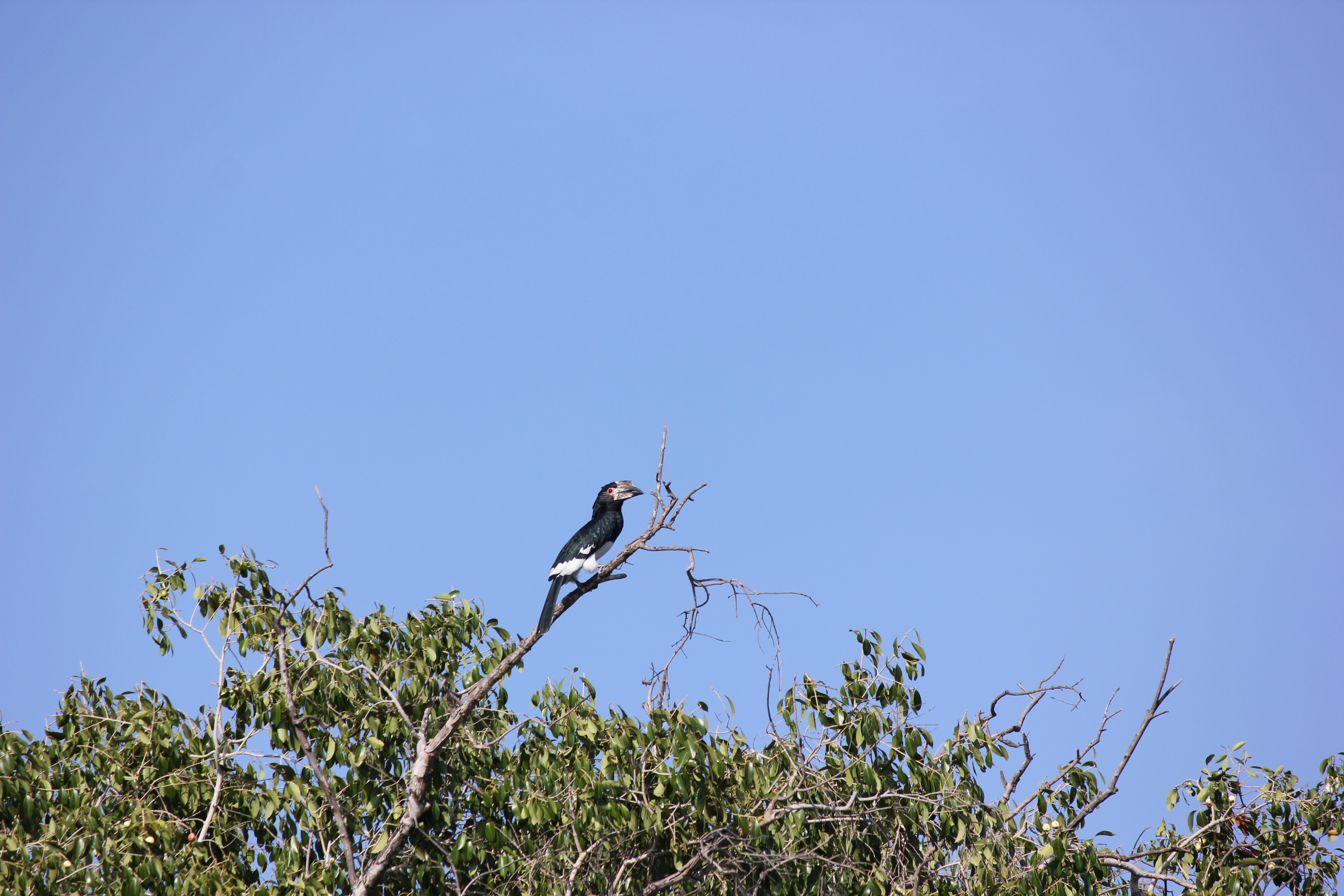
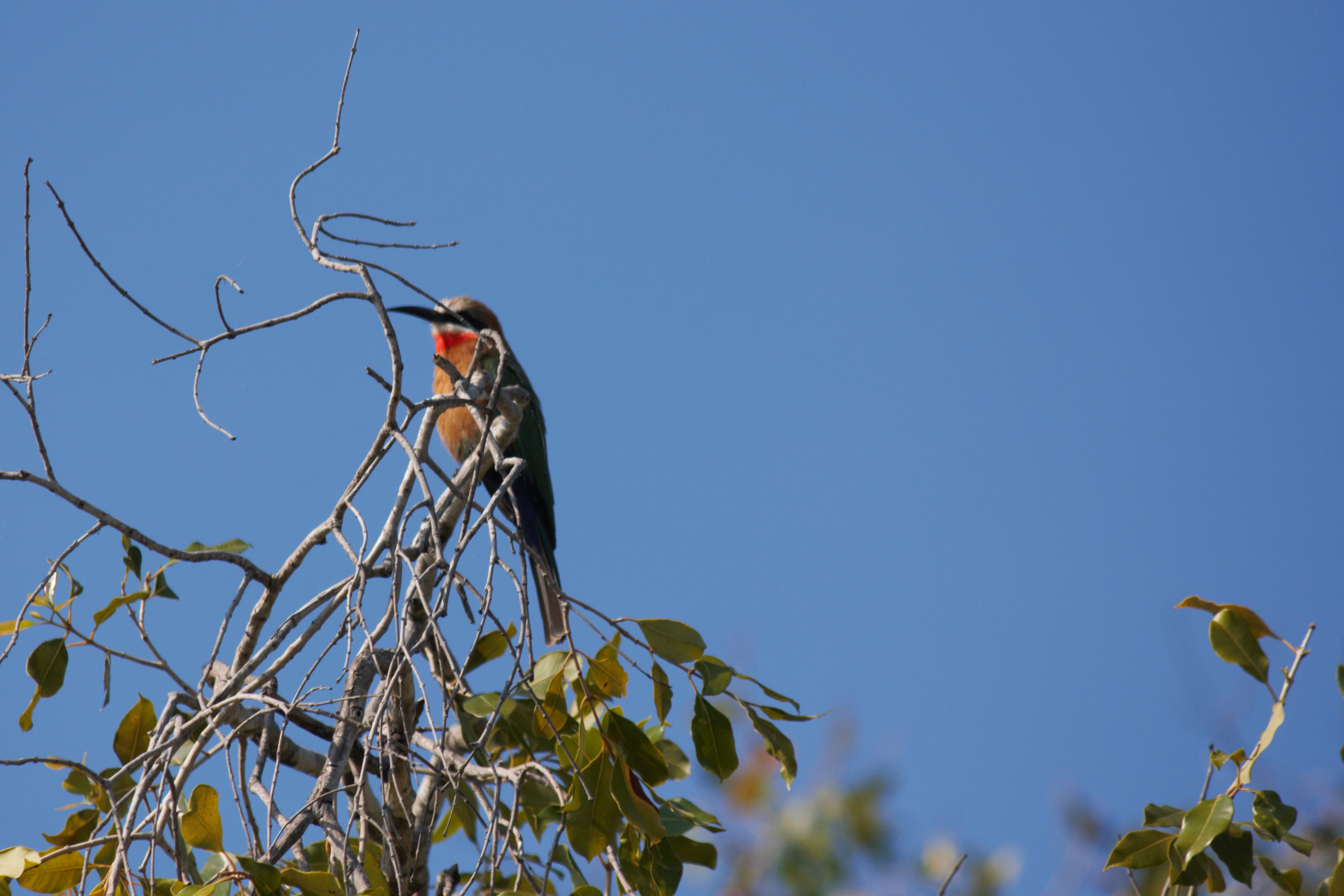
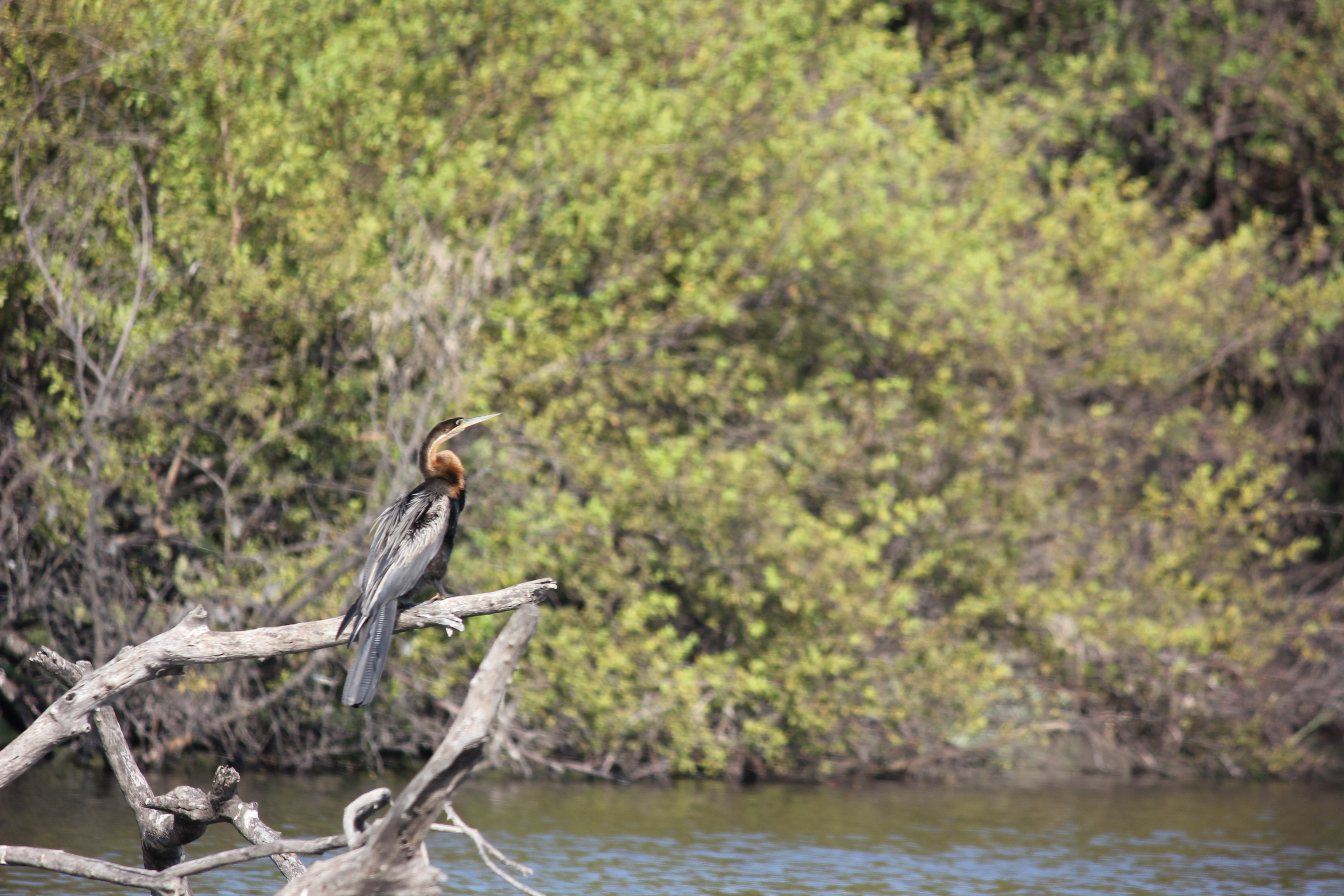
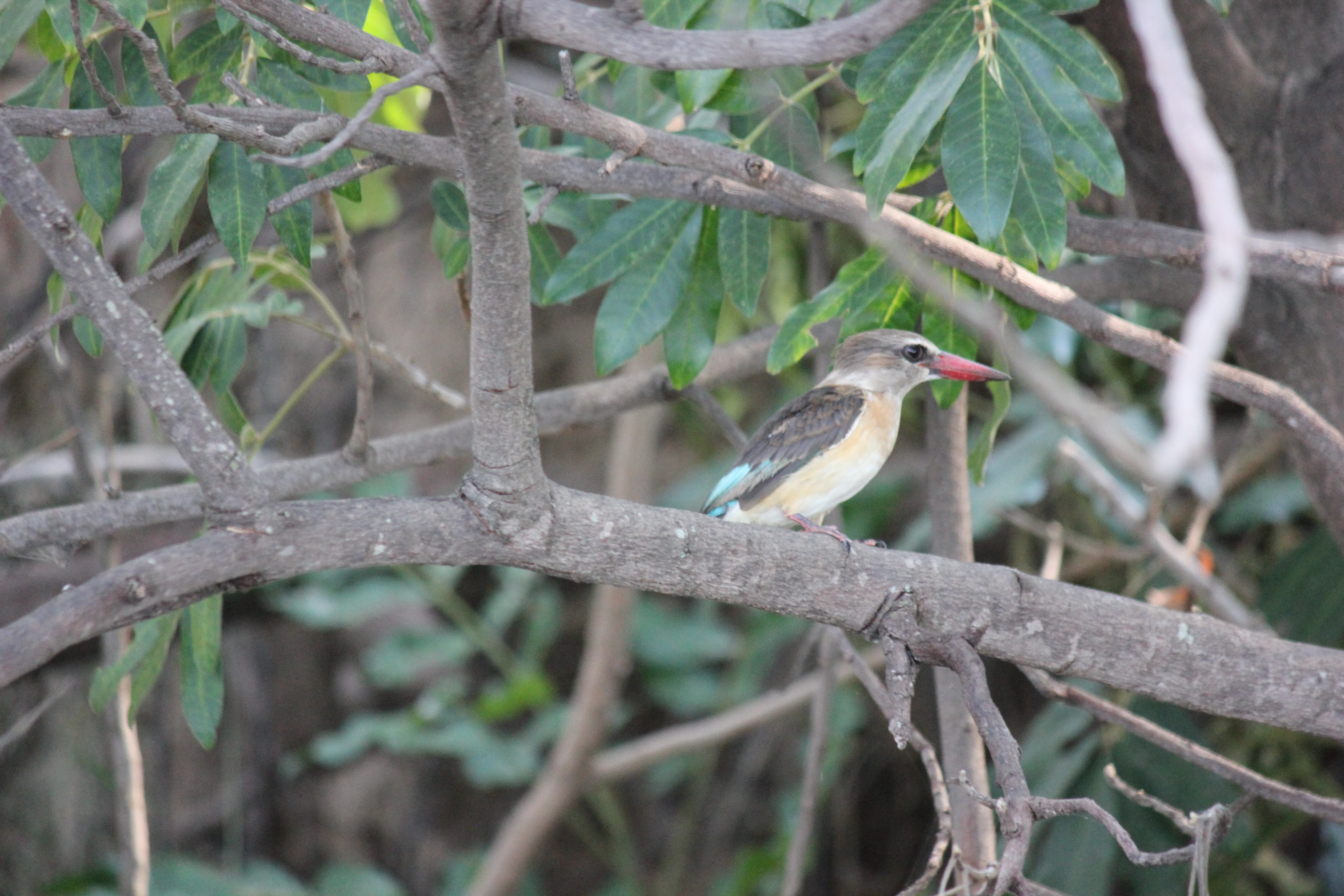
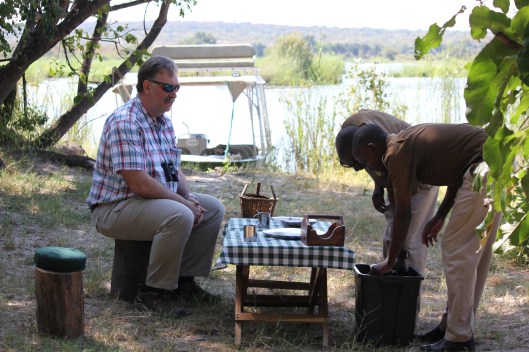
 We paused for a short coffee break and the fellows set a table for us after ensuring that the picnic spot was devoid of elephants and crocodiles.
 It was a relaxing way to spend the morning. We are thankful to our friend Eric who got inspired us to start looking at birds. My hope is that he will identify these birds so we can reflect later on what we saw.
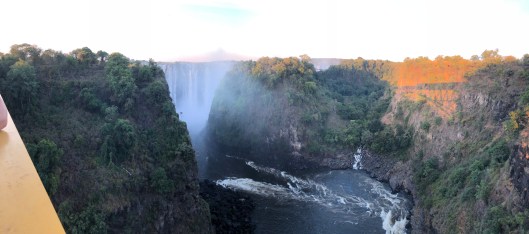
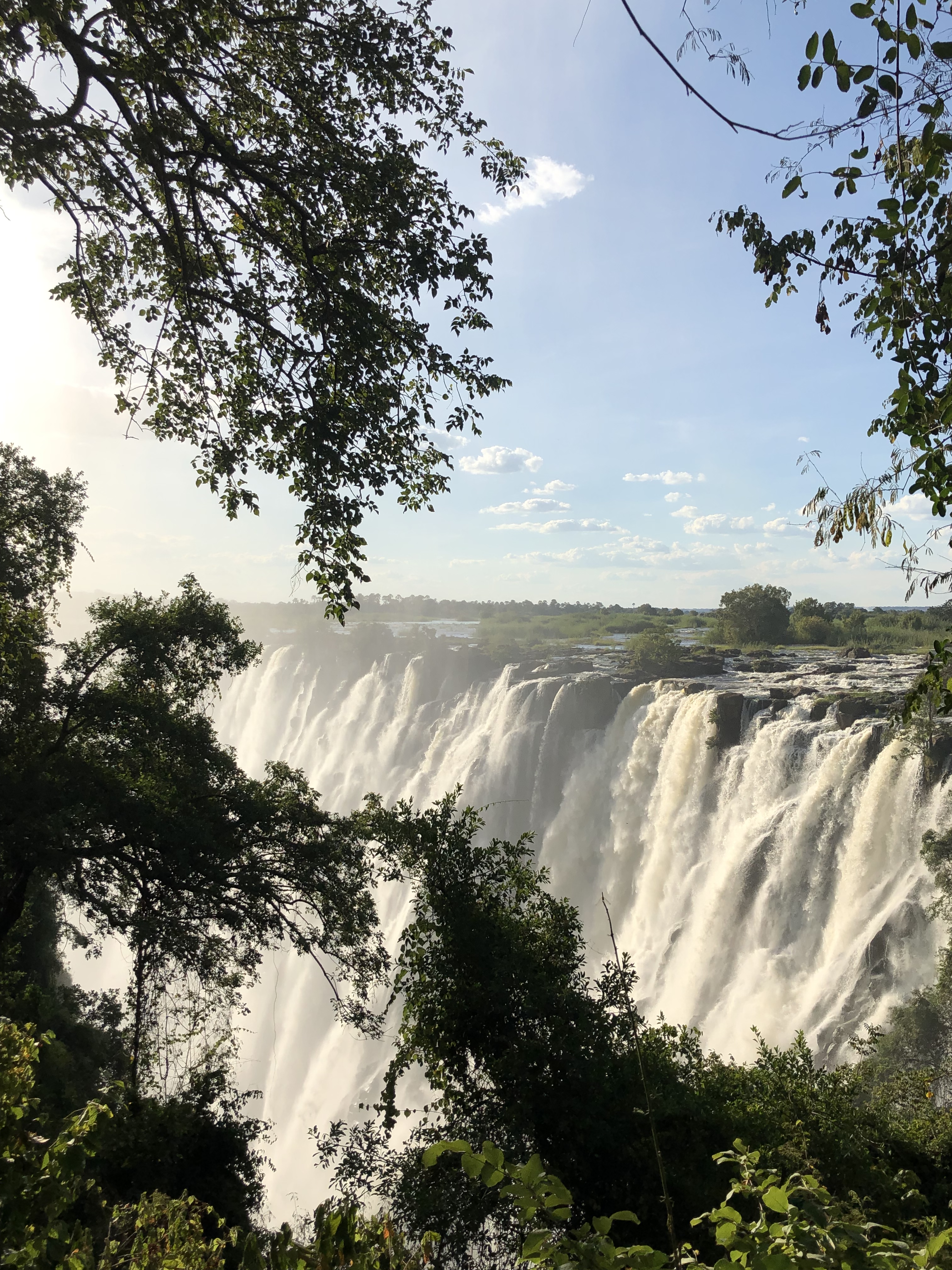
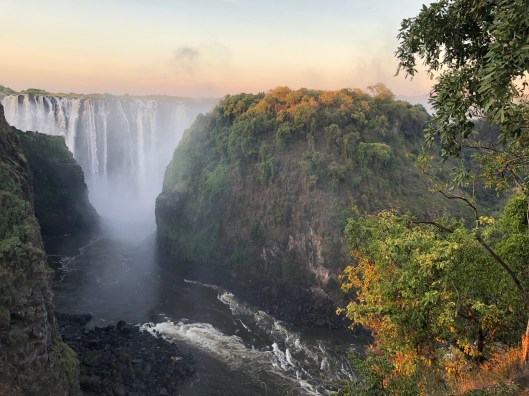 It was an amazing view.
  We then went back on the train and had an amazing 5 course meal.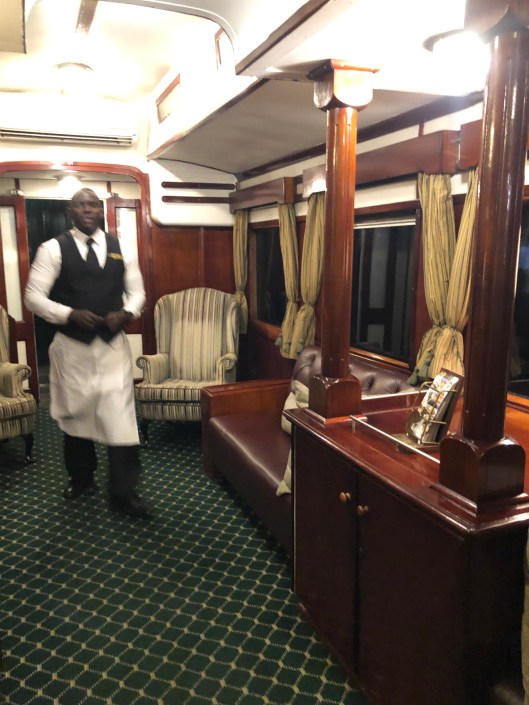
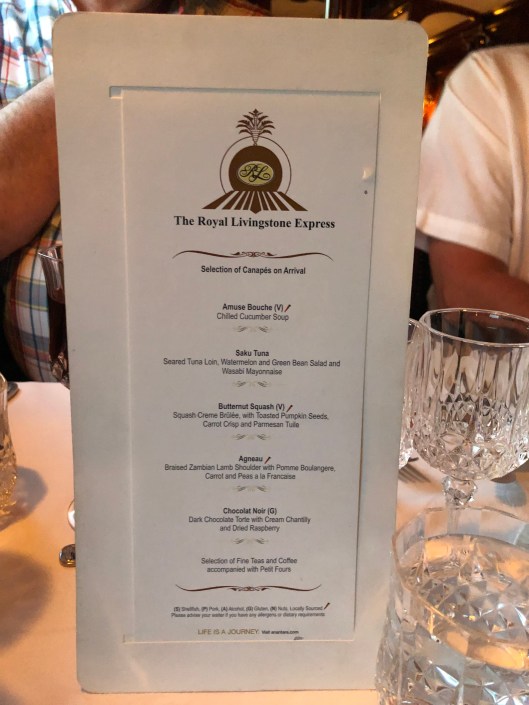 We sat with a couple of Brits who were on the last day of their holiday. It was fun to chat about the ups and downs of Brexit with them. Both voted to leave but had very different reasons and reactions to the referendum. Neither are happy now.


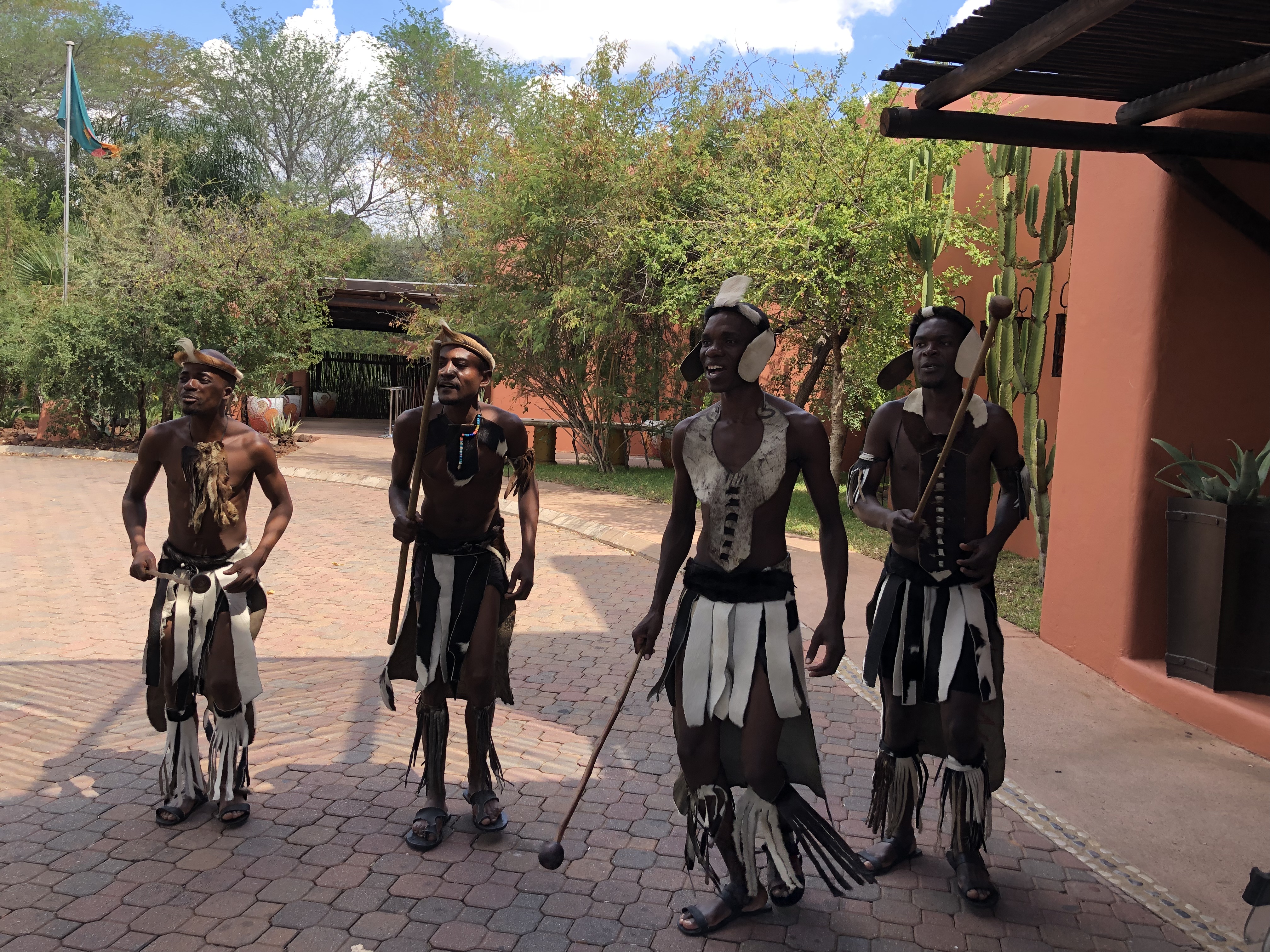
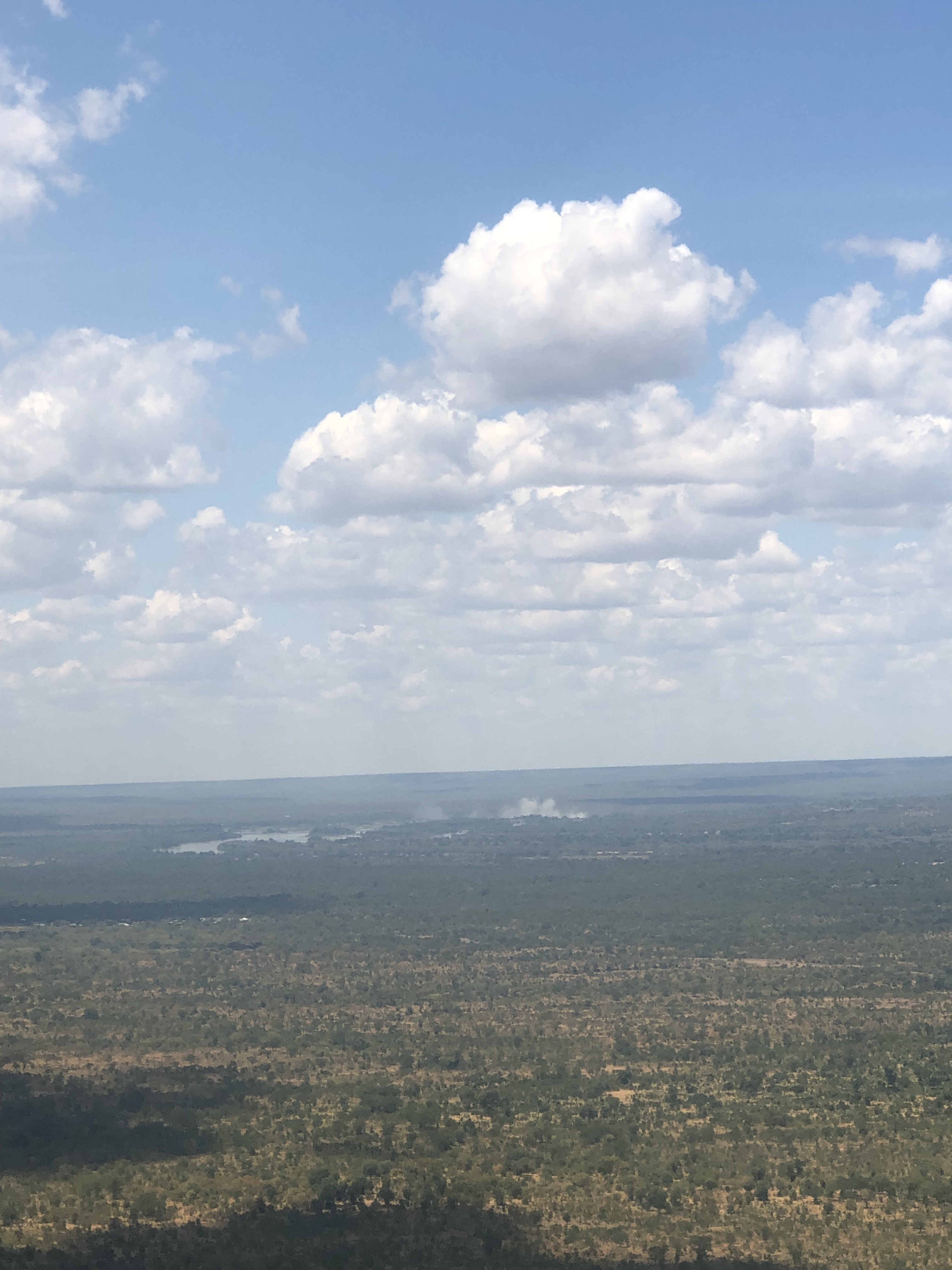 It was the mist from Victoria Falls. We landed and stood in line for an hour to get a visa that would allow us to travel to Zimbabwe and Botswana should we choose. Then our cab driver, Ali took us into town. This community was much more European (read lots of strip malls on the main road) than Tanzania. We reached our hotel, which is in a protected park. The families of giraffe and zebra we passed as we entered the grounds ignored us. these guys greeted us with song and dance.
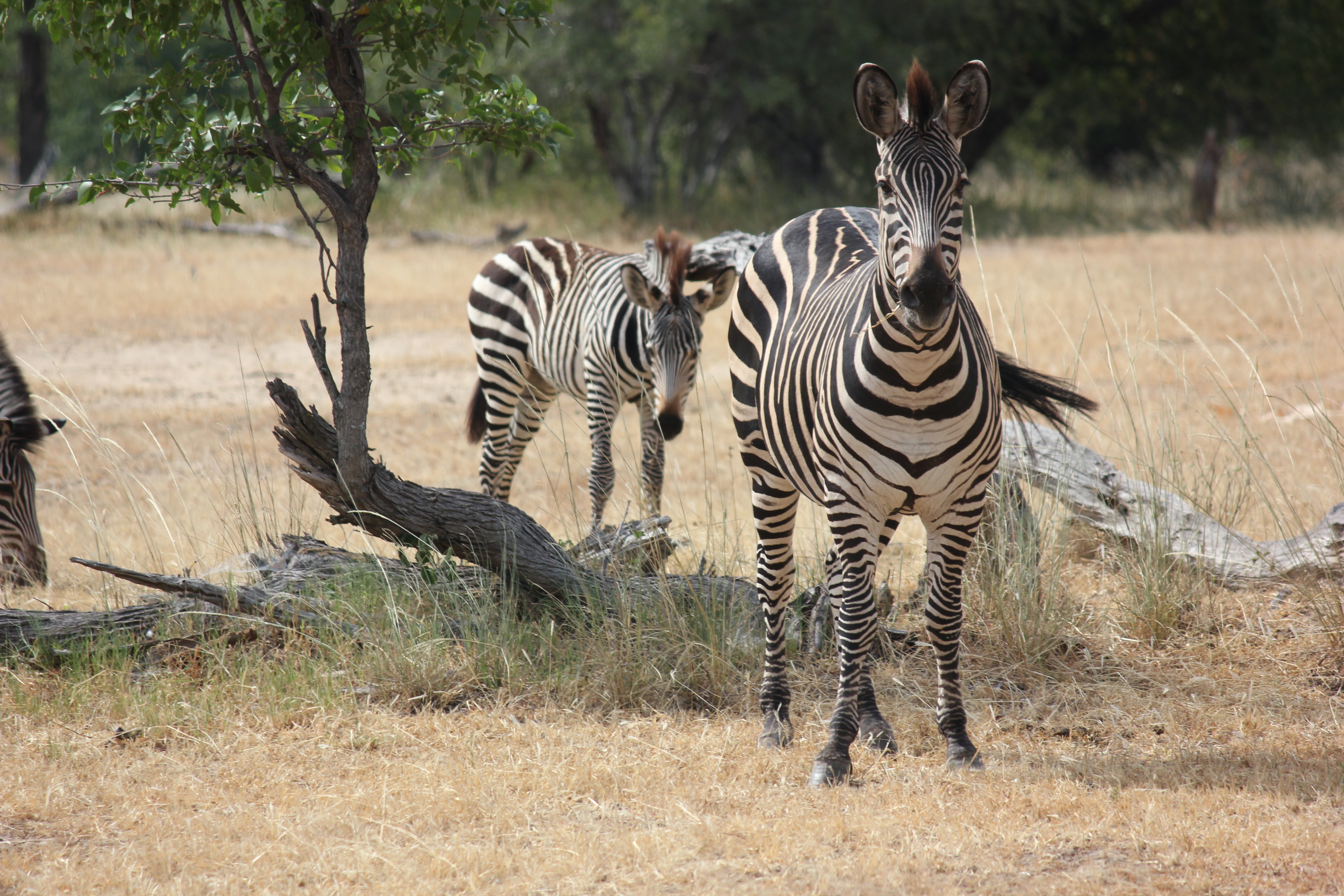
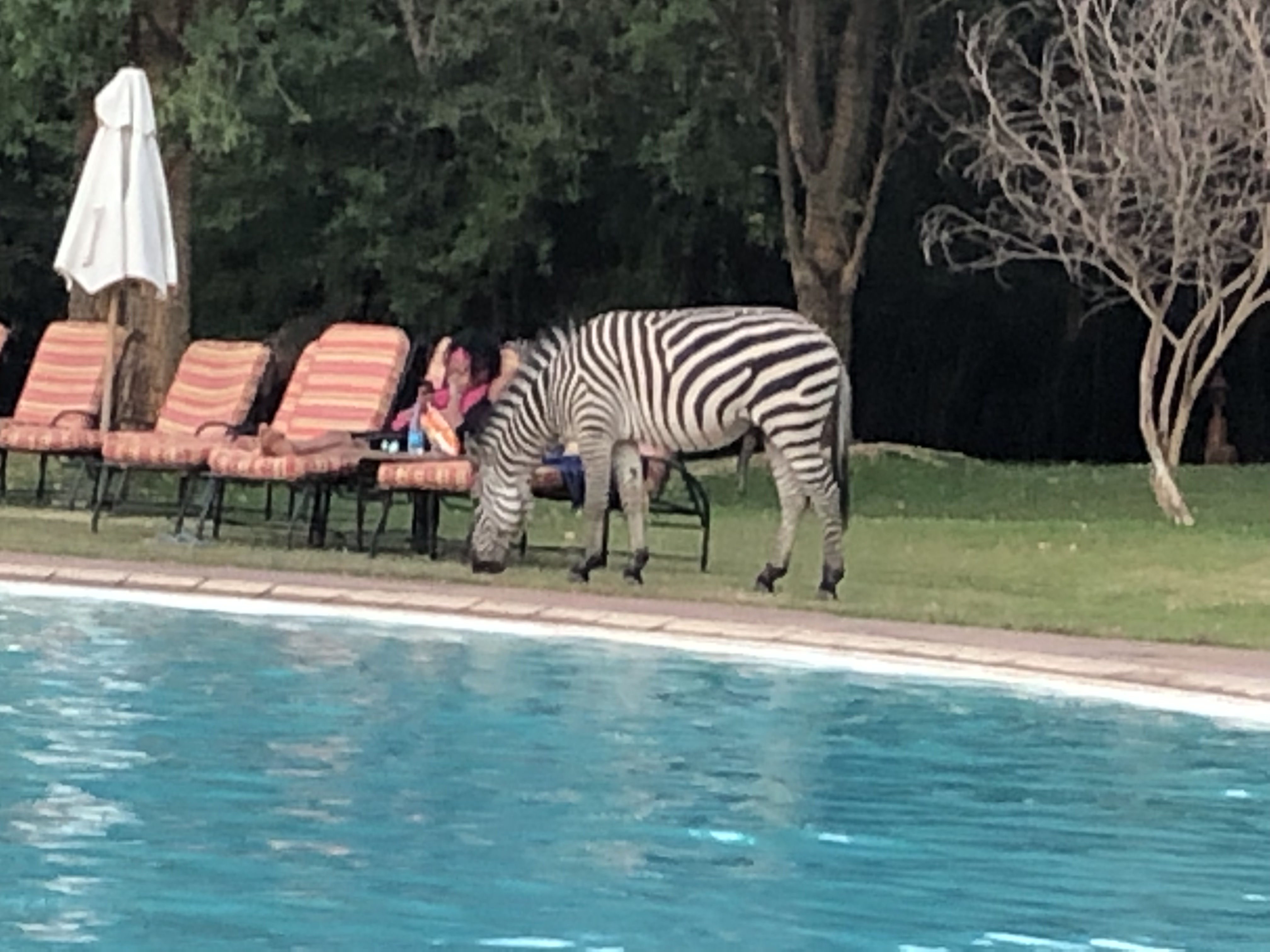
  After settling in, we set out to explore. The first thing we noticed was that our building was next to a small lake with a beware of crocodile sign by the path. A small herd of zebra were eating the well-watered grass on either side of the path we had to walk on. T
 hey were amazingly calm and beautiful close up. They reminded me of the Elk in Jasper hanging out in the townsite.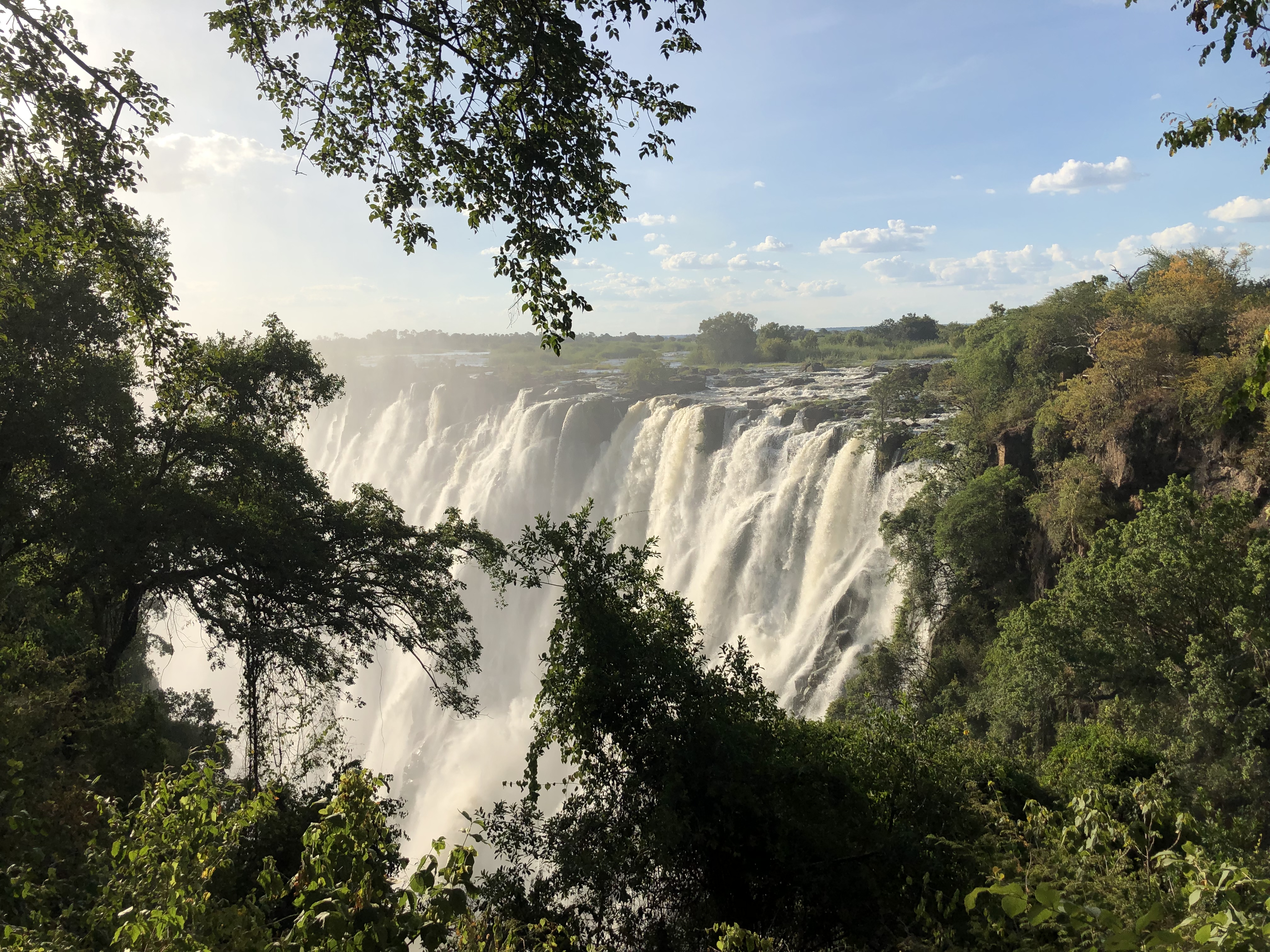
 I am writing this at 3:30 am here because jet lag is real! I tried writing this earlier this evening but kept falling asleep at the keyboard. We went to bed early because our safari to Botswana leaves bright and early tomorrow morning. I had a good three hours sleep before my brain decided it was time to be awake (its 7:30 pm back home). I am now going to try to get another nap in before morning.
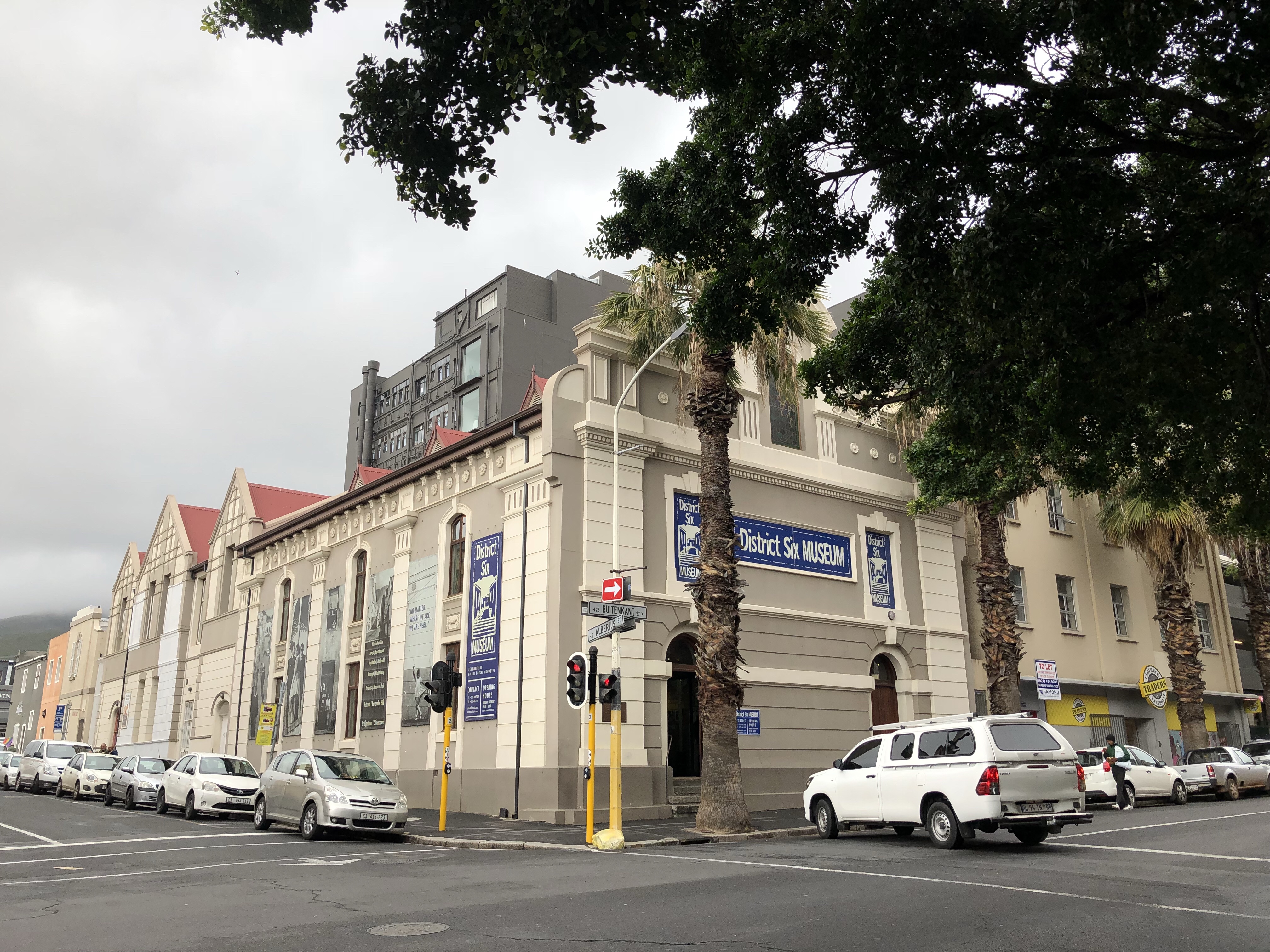 and strolled through hundreds of stalls selling all sorts of souvenirs.
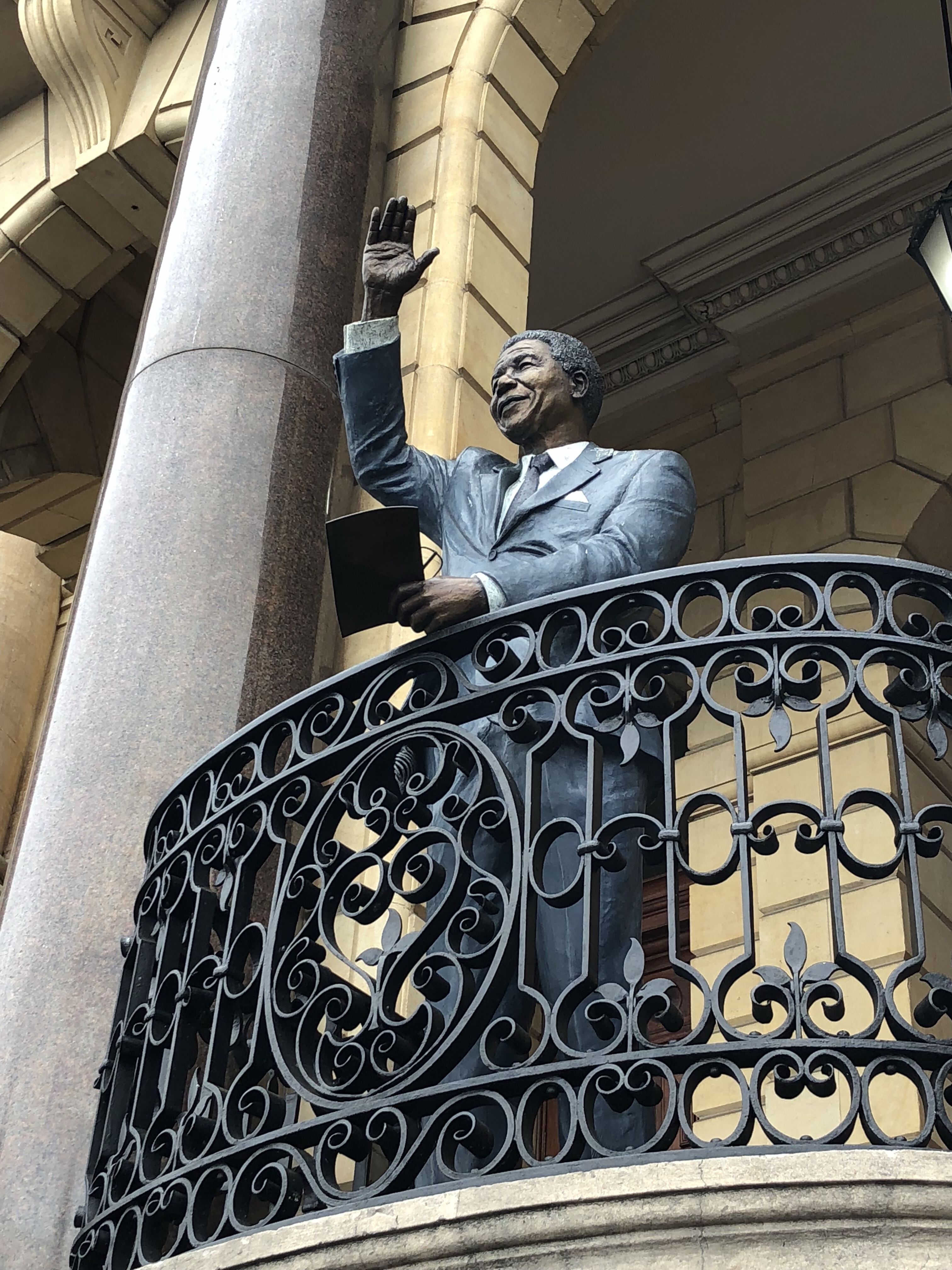 Then we sought coffee in the world’s best steampunk cafe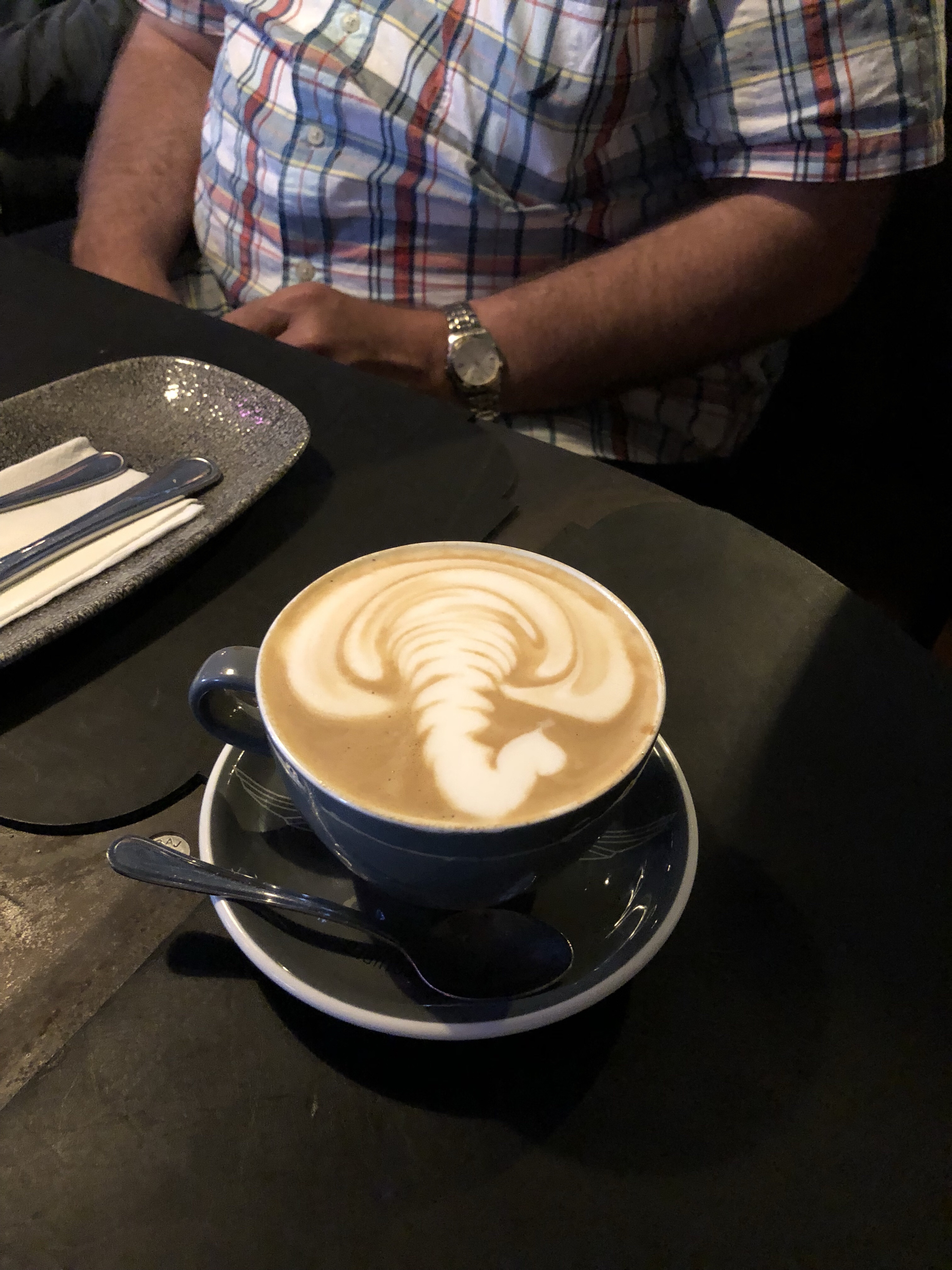
 travelswithannmarie