A rainy day in Chianti

We decided to take a break from our hiking plans due to rain. The paths we’ve been hiking would be incredibly slippery in any kind of wet conditions. Instead, we spent the morning relaxing (ok I was stressing about my presentation in Rome and Dale snoozed). We decided wine tasting was in order.

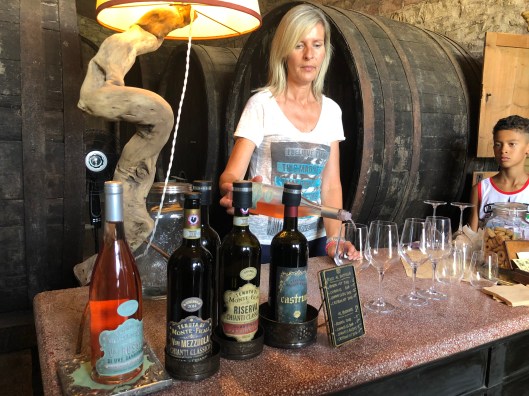
The first stop was the I Selvatica vineyard in Montevarchi, Arezzo in Sienna where the third generation owner gave us our introduction to their wine. We were able to get squeezed in at the last moment because he went to elementary school with the tour company owner. Our host was a character. He spends 6 months of the year in the US skiing and schmoozing the rich and famous. Karen asked about the potential for a forth generation of winemaker but we learned that the next generation has not arrived yet.

We tasted incredible wine including a full body white, a classic Chianti, then a super Tuscan and finally a wine made from dried grapes. The super Tuscan sells for $179/bottle in the US. You can tell it was worth it considering we’ve been drinking great wines at €7-15/bottle and we bought 2 bottles @€35/bottle. The dessert wine was amazing. They usually get 65 bottles from 100 kg of grapes for the wine. They get 6 bottles/100kgs of grapes for the dessert wine. Needless to say, it was smooth and not sweet.There was one bottle of a dessert wine the grandfather cellared in 1958 that our host bottled in 1998 and recently sold a half bottle to Kenny Chesny last year for $1800US. Our taste of the dessert wine is sold exclusively at the Ritz Carlton for $65/glass.

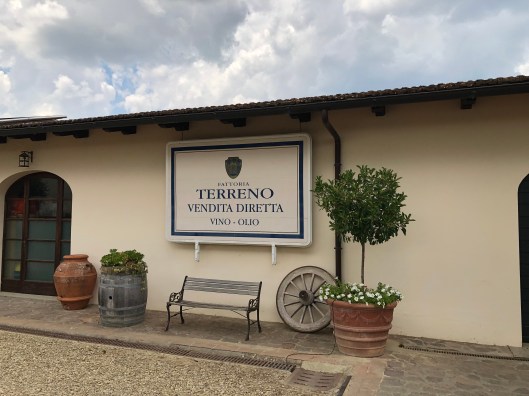
Our second stop was back in Chianti proper at the Castello Monterinaldi. As we entered we noticed an important sign.

We were on the right track. We were told about the difference between wine that meets the Chianti official status (DGOC, i.e., minimum 80% Sangiovese grape, grown in the Chianti region, aged minimum 2 years and 56 other rules) and independent local wines. They do much of their aging in concrete vats. The rose was deliciously and the Classico reserva was smooth.

We really enjoyed the taste of balsamic vinegar offered at the end. They also gave us bread and olive oil to cleanse our palate between tastings. This vintner has 2000 trees for olives. It takes 1 tree worth of olives to make 1 litre of cold press oil.

The third stop of our adventure took us to the Casa Emma vineyard. this was an organic vineyard that uses this form of Organic fertilizers. Our view of the Emma Estate started with a view of their vines. The new vines in front of us were planted this year and will take 8 years to mature. There are no grapes produced in the 1st 4 years.
our host was passionate about his work and led a lively tour🤓. He described that olives were picked and pressed the same day. White trebbiano grapes were boiled for 10 hours and aged 7 years in 2 different barrels, the first 4 years in cherry then in chestnut barrels. It was delicious on the pecorino cheese he served us.
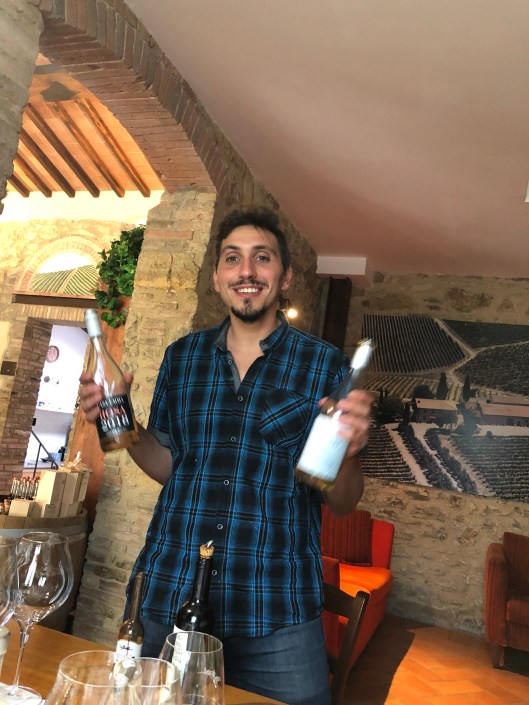
He introduced us to the Chianti Classico. He gave us a much more detailed perspective on the rules. For example, You have to keep every aspect of production in region. Central part of Chianti. They can blend Canaiolo, Malvasia Nero and Sangiovese grapes.

We also learned that the term “Super Tuscan” is a nick name for any wine from regional grapes outside made in a non-DOGC tradition- free expression & no rules. We had so much fun on this adventure and are now back in Radda getting ready to transfer to Sienna.

So, if there are any grammatical or typographical errors in today’s blog, please blame it on Chianti wine 😋
Hiking to Radda

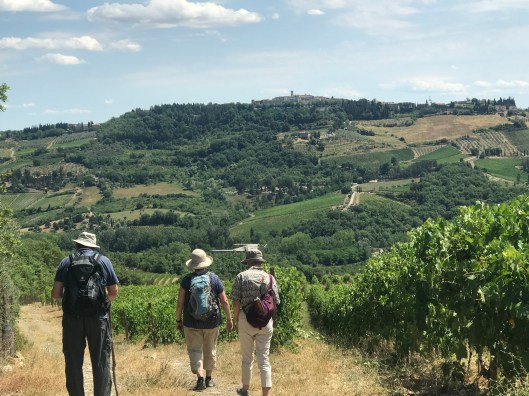
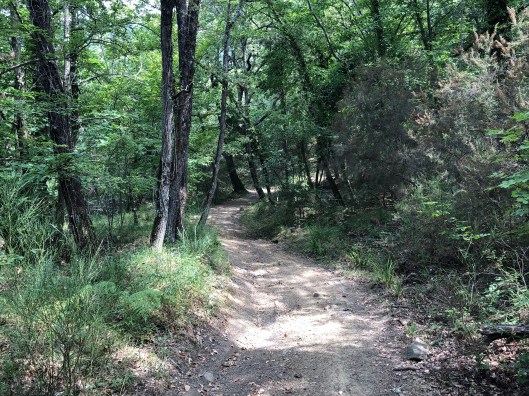
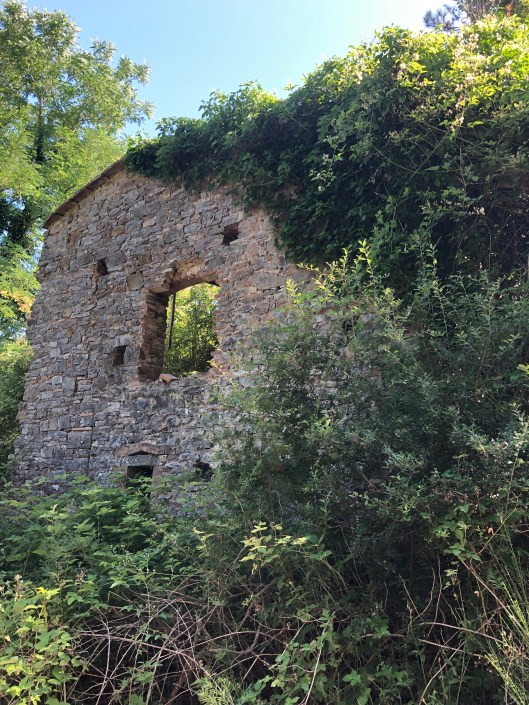
Our driver picked us up in Greve and deposited us on the side of the road of the “highest of the Chianti hills, Monte San Michel” so we could begin our trek into Radda. Our guidebook called this day an “easy” hike of 12km that should take 3 hours. It started with a delightful stroll through a forest. The path seemed to be the cut line for water and gas pipes. The path itself was small stones and sometime bedrock. The footing was challenging, especially going downhill, which was most of the initial trek.
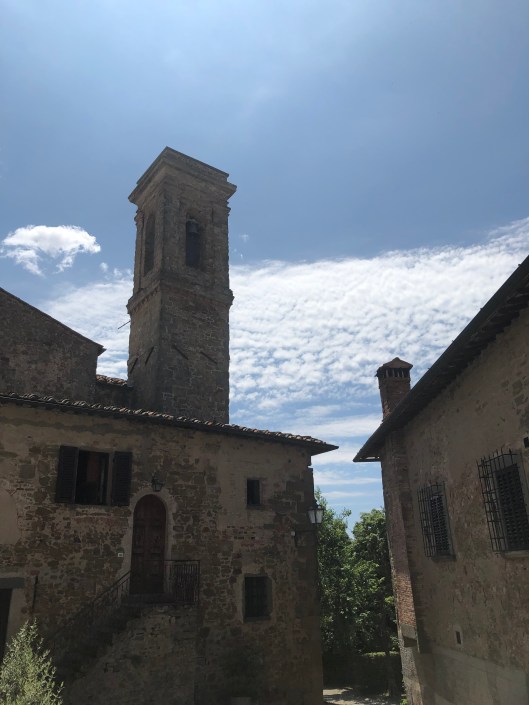
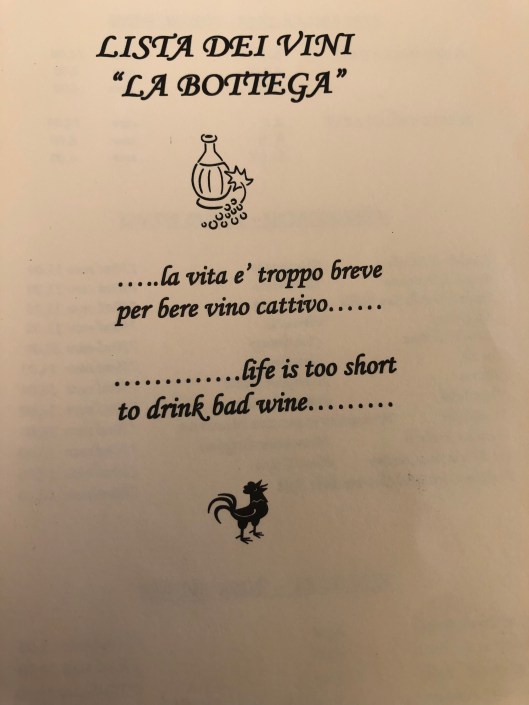
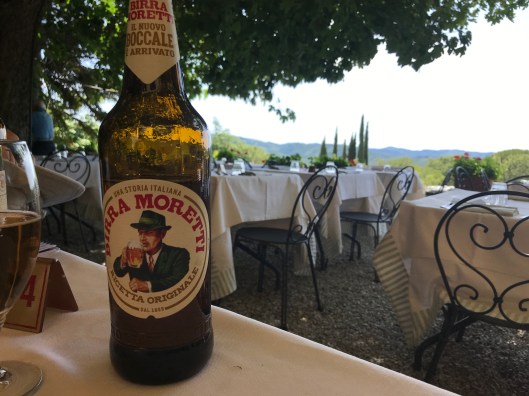
We stopped for lunch in Volpaia. It is a small village focused on wine and olive oil. We chose The Bottega for our meal as it had a commanding view of the countryside. The restaurant was attached to the church on one side. There was a bakery attached to the church on the other. It was a very good use of very old buildings. Everything looked like it had been there a long time, likely, according to the sign on the castle on the square, since 1176. we appreciated the restaurant motto but required beer to quench hiking thirsts
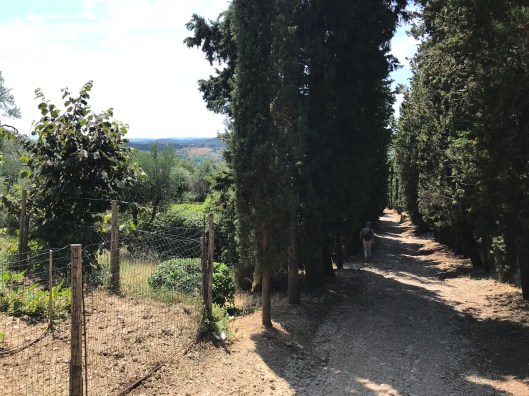
We learned that many of the paths we needed to take were outlined by massive cedars lining the routes.

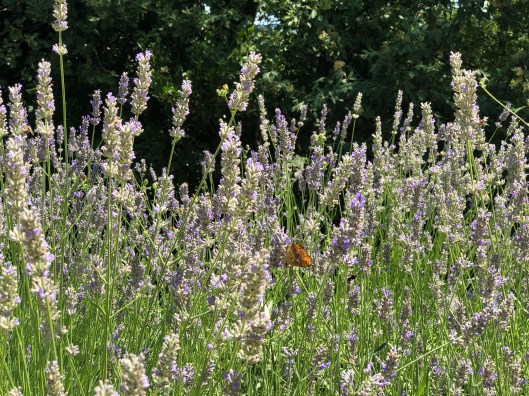
The walk away from Volpaia was through a farming community that teemed with butterflies and bees in lavender plants.

The sounds of these insects were soothing and a welcome change from the ever present cicadas. We continued through vineyards, around churches and through fields and had a pretty good day. The reality of how the end of our day would go began as we stood at the top of a vineyard and looked across the valley to the top of the next “hill” and realized it was Radda.

We were tired by this point and starting to be less enthusiastic about the remaining hike. I noticed the vineyard building at the bottom of the path and started to fantasize about it being a winery that did wine tastings and after we stopped for that tasting we could get a cab to the top. Our luck ran out as we realized it was closed on Sundays. Our only option was to climb. And climb we did, taking the “shortcut” option from our book. It meant an almost 2 km vertical climb up the hill. We did it with tortoise like speed.

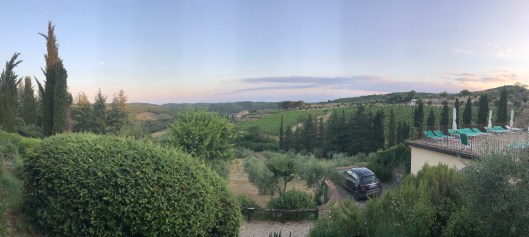
We all compared our various trackers and realized we had actually walked 19 km and had been on the path for approximately 5.5 hours (including lunch). We sipped gin on the patio outside our rooms and relaxed feeling very accomplished. Dinner occurred after brief naps on another patio with a beautiful view.

Day 2 in Greve

We had a bit of a leisurely day, hard to imagine that on a holiday😎. We hiked up to Montefioralle just before a wedding. The wedding singer was practising Ave María as we checked out the church just before the nuptials began. We continued to explore this ain’t village and came across a beautiful balcony. Of course we had to experience our first wine tasting.

while we relaxed we saw this hummingbird moth check out the flowers. We chose to hang out and enjoy a bottle of rose before heading back to our hotel for a relax. On the way down we got to hear the wedding singer again

o

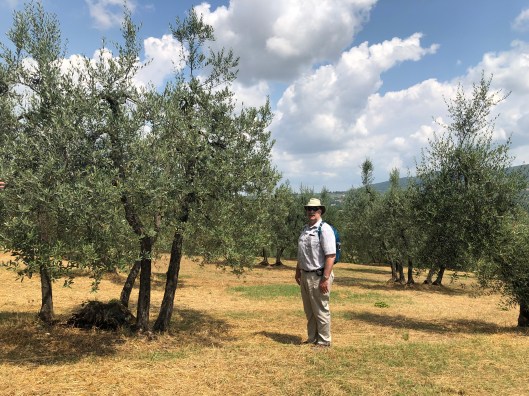
We strolled through a beautiful olive grove

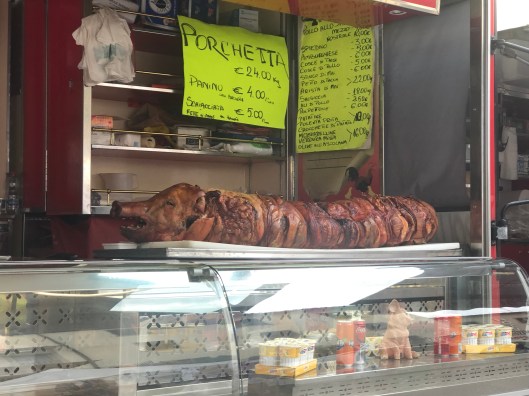
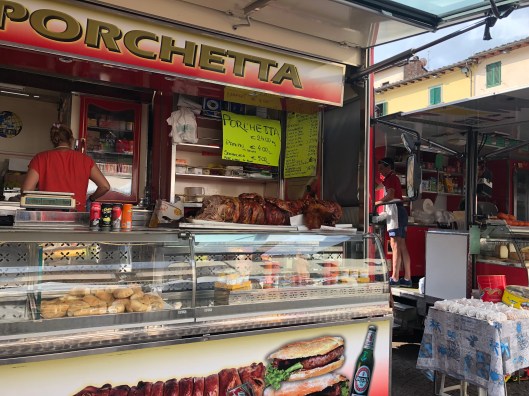
Before having lunch in the midst of the Saturday market. We were amazed at the efficiency of the “tear down” of the market at the end of the morning. We were particularly mesmerized by the whole roast pig being deconstructed as the market progressed

It was almost gone by the time the market ended. We had a bit of nap time at the height of the day and missed the deluge of rain before Dale had a swim. More relaxing as we head into an evening of live music.

Greve in Chianti

We transferred to the Aubergo in Greve, a town 30 minutes from Florence. We dropped off our suitcases and set out on our hike. The guidebook told us it was a 2.5 hour easy hike. We learned once again to not trust Italians about time and distance. It was a beautiful uphill climb for the first 2.5 hours.

We went through fields, olive groves, vineyards and forests – all uphill. Then with some relief we started our decent. It was steep on scree-filled roads originally built by the Romans. Going down was harder than going up. I managed to fall and tweak my knee on a particularly steep portion. We will see how it feels tomorrow. We eventually came to a vineyard where we stopped for lunch.

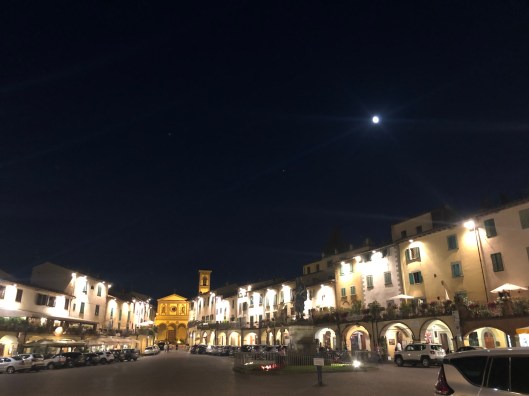
I noticed the family next to us was speaking Swedish, so of course I had to say hello and practice. They were kind. Then our waiter told us the whole vineyard/hotel was owned by Swedes. We had a great time. The food and wine were 😋 delicious. We geared up for the last 2 km of our 11.4km journeys day made it back to our hotel minutes before the skies opened up. Dale got in a swim before the real deluge began. It was over quickly and we had a lovely meal in the Greve town square.

Chianti

We arrived in Florence with little difficulty and made our way to the Park Hotel. This was a relatively new hotel, just 125 years old and home to the Swiss and Luxembourg consulates. It was comfy and the pool was welcome. We left a cold and rainy Edmonton for a lovely 30 degrees in Italy.

Our first day of hiking took us through olive groves and forest on our way to Fiesole, an upper crust neighbourhood of Florence. The hike was mostly uphill but fun. We were serenaded by the sound of cicadas chirping at each other, hoping to mate. It was amazing sound. every time we stopped we had a better view of Florence. We had a great lunch and took a bus back to the centre of Florence. That’s when we learned not to trust Italians when they tell you how long of a walk it will be. The 15 – 20 minutes they said it would take ended up being much longer. After 30 minutes we sat down and had wine. Then we set off in Ernest for another 30 minute uphill walk. All told we had done 10 miles of walking in our first day. It was great. Food and wine have been fantastic, as expected. Our next adventure is in the heart of Chianti country
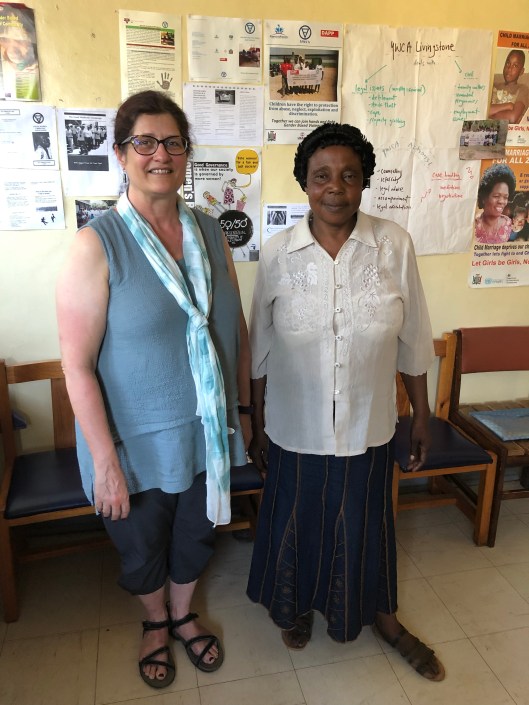
A visit with Christine at the YWCA

Today I had the privilege of meeting with Christine, the YWCA District Paralegal Officer/supervisor.

She generously agreed to meet with me so I could learn about what programming is happening in this part of Zambia regarding family violence. We had a great chat and she was happy to share. The amazing thing is that almost all the direct services are provided by trained volunteers.

They have an active men’s program that intervenes in both the city and rural areas

Now Dale is at his conference and I am relaxing in the shade. We head homeward tomorrow.

A day of sleep

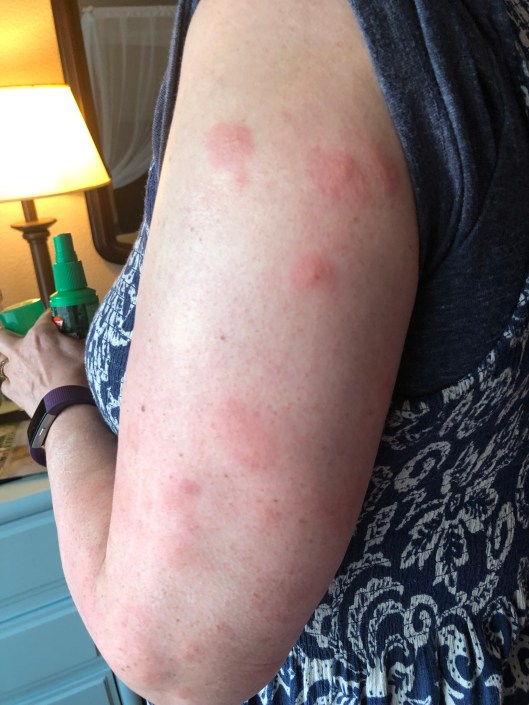
One of the difficulties of travel is jet lag. The further afield I go, the more difficulty I have adjusting to the time change. A more recent reality is the realization that I am very allergic to sand flea bites. I have been very mindful about applying Off on a regular basis, but missed once while on a boat trip. We unexpectedly stopped for tea on an island. The fleas had a bigger meal than I did. That was several days ago and the meds I brought knowing this might occur seemed to be working. I regretted not having Benadryl but it is illegal to bring it in due to the Zambian government’s efforts to stop methamphetamine production.

I got a bit of sunburn the day before yesterday and had an intense histamine reaction. The welts multiplied overnight and became painful. So, I decided to check out the resort clinic. The small medic space is designed primarily for the staff and were in the middle of transitioning to a new office space. The boxes of supplies said a lot. There were HIV testing kits and syphilis treatment kits in good supply.
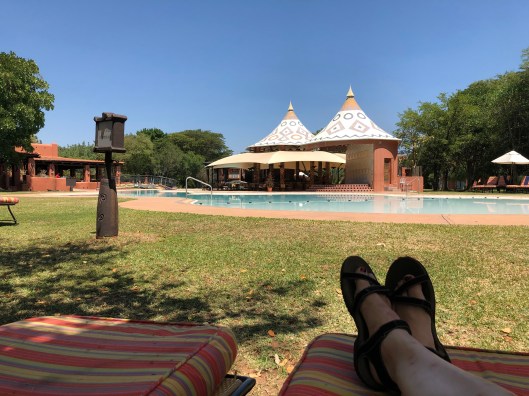
The nurse gave me a shot of steroids and three days of antihistamines which have now started to provide relief. The drowsiness of the meds is not a bother as I found a very shady poolside lounger upon which to “read/snooze”, one of favourite things to do.

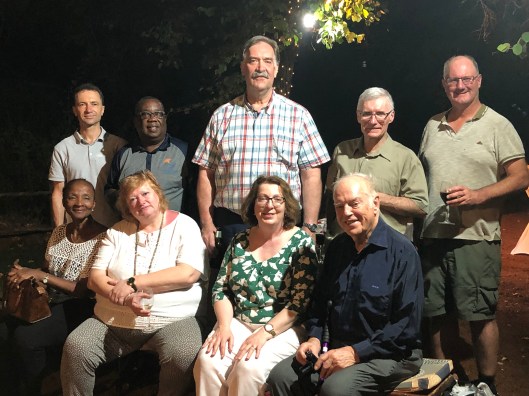
Dale’s conference began today and he is presenting as I post. We met many of the AU legislative drafting tutors last night.

The setting was beautiful and the company was engaging.

A brief foray into Zambian life

Today’s outing was a trip into the local community. We went into the Mukuni village. This community of 7,000 people is about 15 KM from our resort. We were again the only people on our tour. This time I wasn’t so keen on being on our own (more on that later). This is a normal village and the Bushtracks’ driver was clear that we weren’t going to see something touristic, we would be going into people’s homes. There is a part of me that wants to understand authentic living conditions, and this requires going into the community. I am also very conscious here of my “white” and “western” privileges. Our guide started to lead us around the community and once the driver was out of earshot, she told us quite frankly that she makes her living by tips and would be expecting something for this tour. This made me curious about how much of what we paid Bushtracks for the tour pays to the community for us to take the tour.

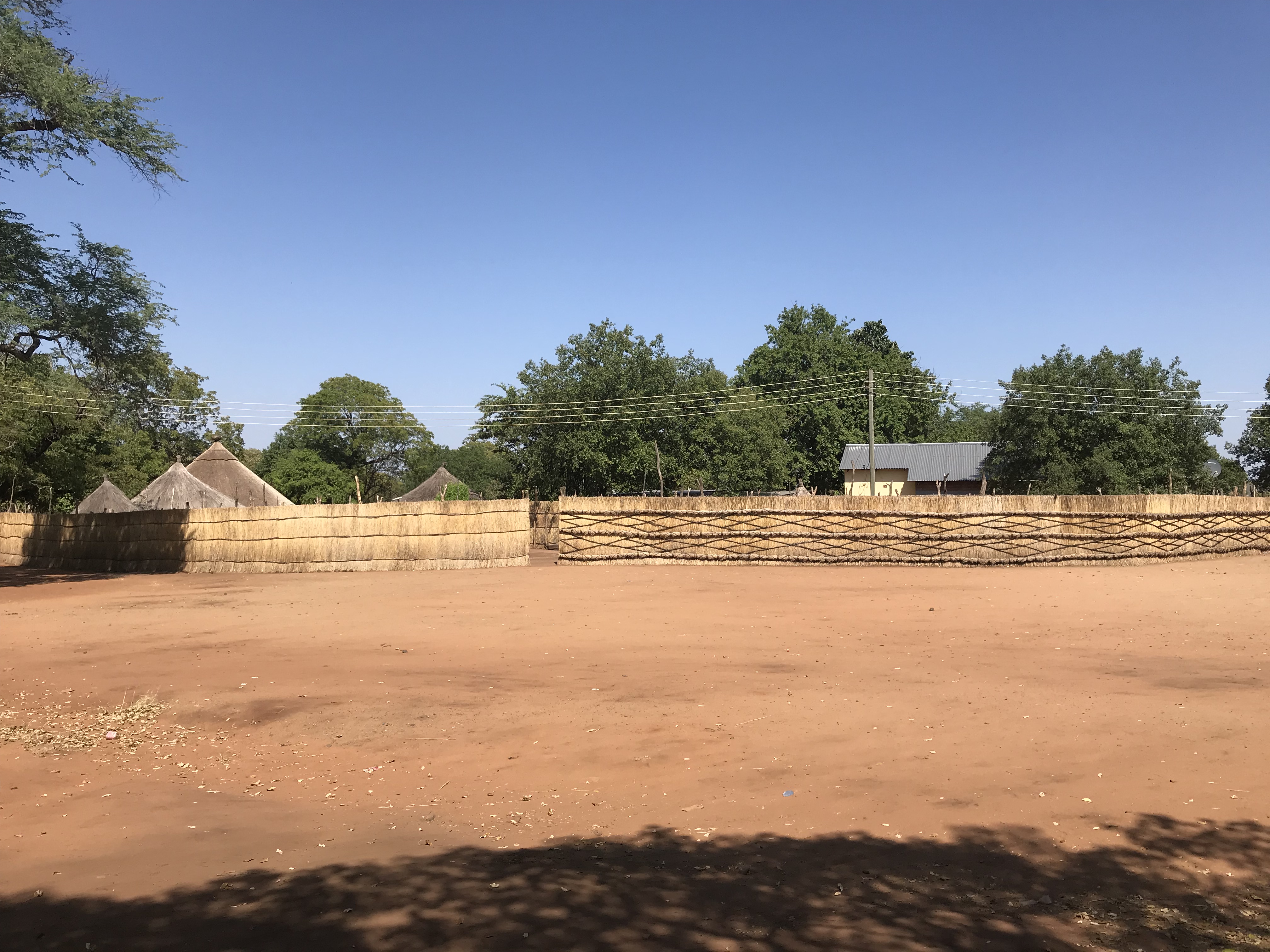
Our tour started by our guide telling us about the political aspects of the village. She showed us the Chief’s “palace” compound surrounded by a sturdy grass fence. There were three rows of decoration. The top row represented the Chief, appointed for life. The second row represented the women’s Chief, she is typically the Chief’s cousin and has the responsibility of ensuring that the Chief does his job well. She is entitled to poison him if she finds he is a slacker or corrupt. The third row represented the second or sub-chief who was the Chief’s go to guy and second in command. Our guide pointed to the thatched roofs of several buildings within the compound and told us their function, but she did not take us anywhere near where we could see what the inside looked like. She did show us the community jail. This small, two room building had a dirt floor and a barred door on one side where the people who get too drunk or who have behaviour problems are housed for a day or two until they get back to being themselves. This drunk tank looked like something you definitely wanted to avoid.

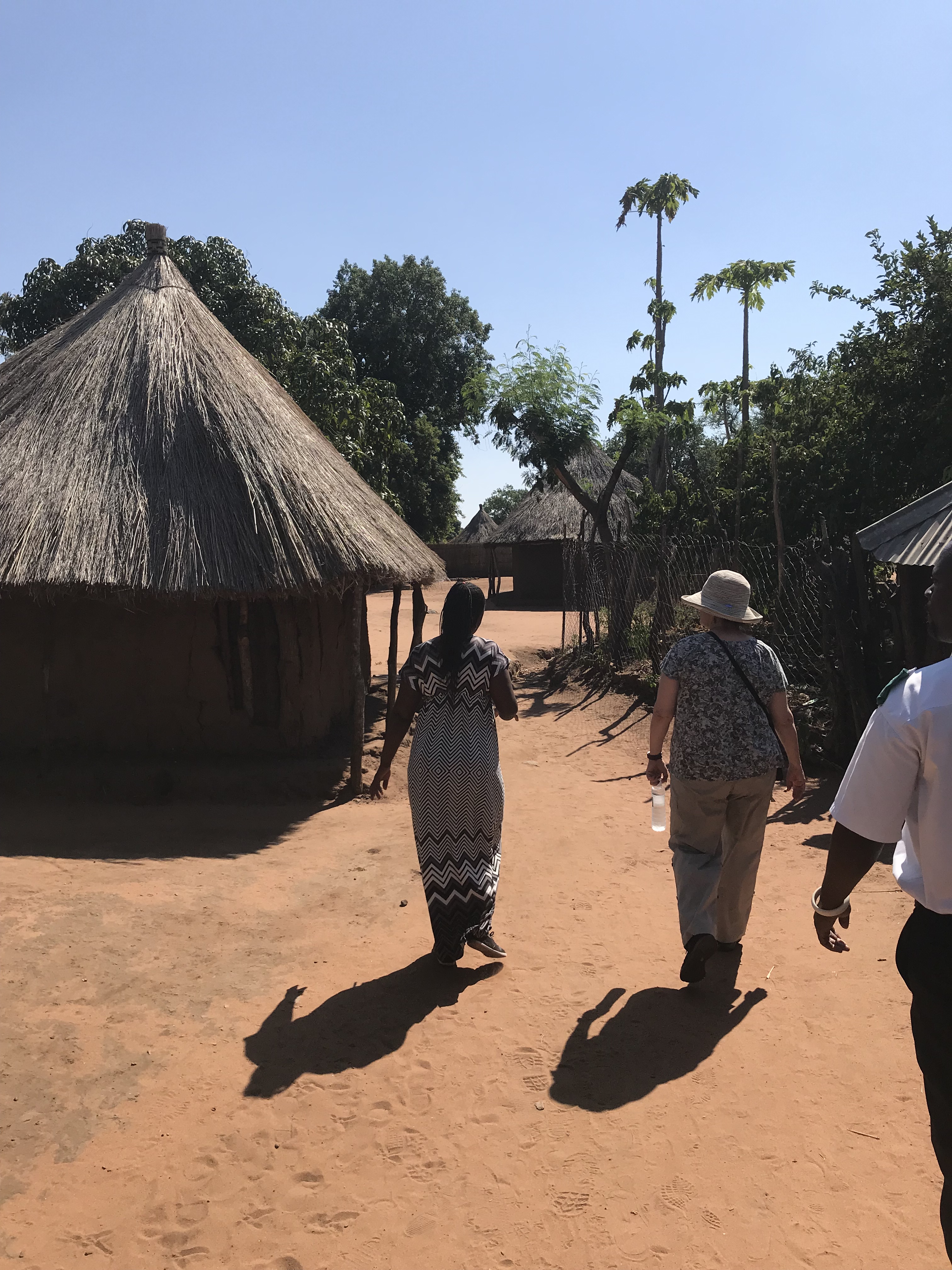
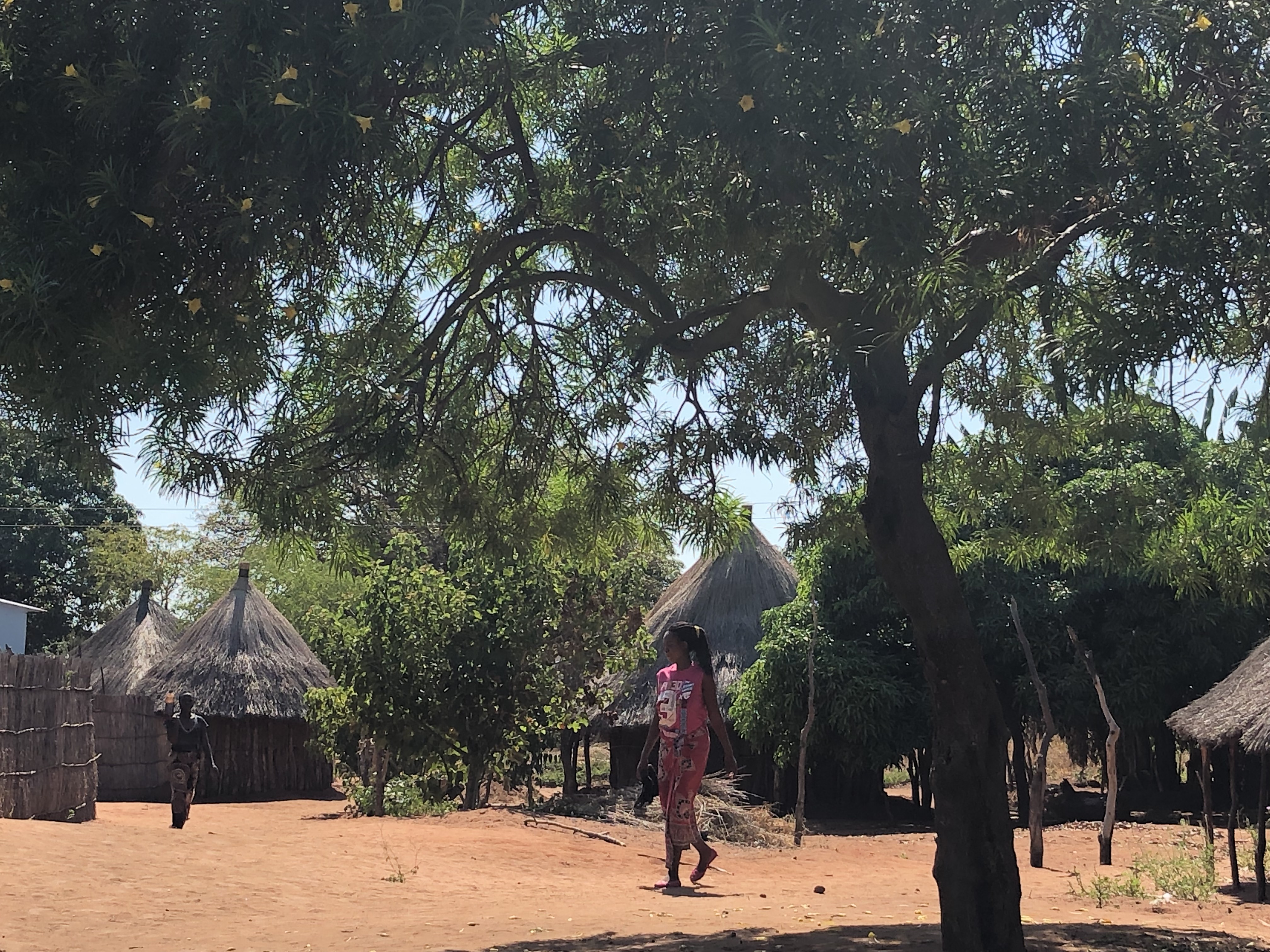
We then wandered around the village. Each family had several small buildings that were either for sleeping or cooking. The wood frames of the structures are erected by the men, while women do all the clay/mudding work. The children had a hut of their own and parents slept nearby.  The buildings are round to facilitate snakes getting out. The have no internal lighting in the buildings so it is helpful to to know that, in a round room, the snakes who come in can keep going right on out. In a building with corners, they can get turned around and stuck more easily. The family compounds were surrounded by grass fences that looked sturdy. Its unusual for animals to come into the village because there are so many people and fires, however, the biggest concerns are with elephants who want to come through.

There were five artesian wells within the community. Girls are trained from a young age (i.e., at 2 years) to carry water on their heads. Continue reading

The Elephant Cafe

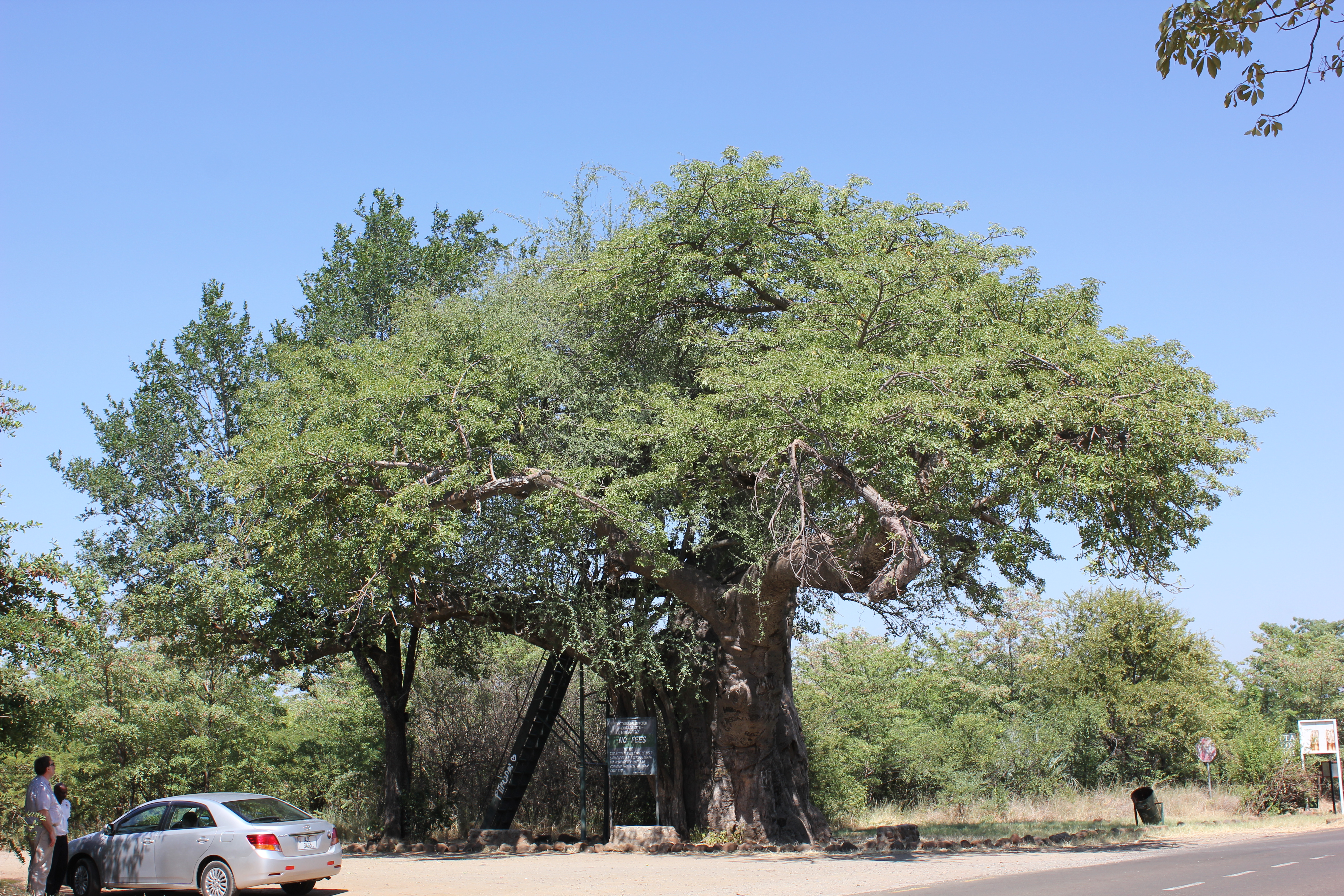
We had a relaxing day. Our planned adventure was dinner at The Elephant Cafe. We had a leisurely breakfast and went out to see the Baobab tree. We had heard the tree was nearby and quite incredible. We had seen several of these trees in Tanzania but they didn’t have leaves. This one was in full and in fruit. The Baobabs are endangered. They can live for over 2000 years and they are feeling the impact of climate change. Everyone who told us about this tree had a slightly different description of how far away it was. Apparently it was either 500 meters outside the hotel grounds or 3 km away. Some said it was a nice walk, others said it wasn’t safe as unsavory characters sometimes hung out there. We took a cab. It was worth the expense. By the way, everything here costs either 100 kwatcha ($10cdn) or 300 kwatcha. It is interesting what becomes normal.

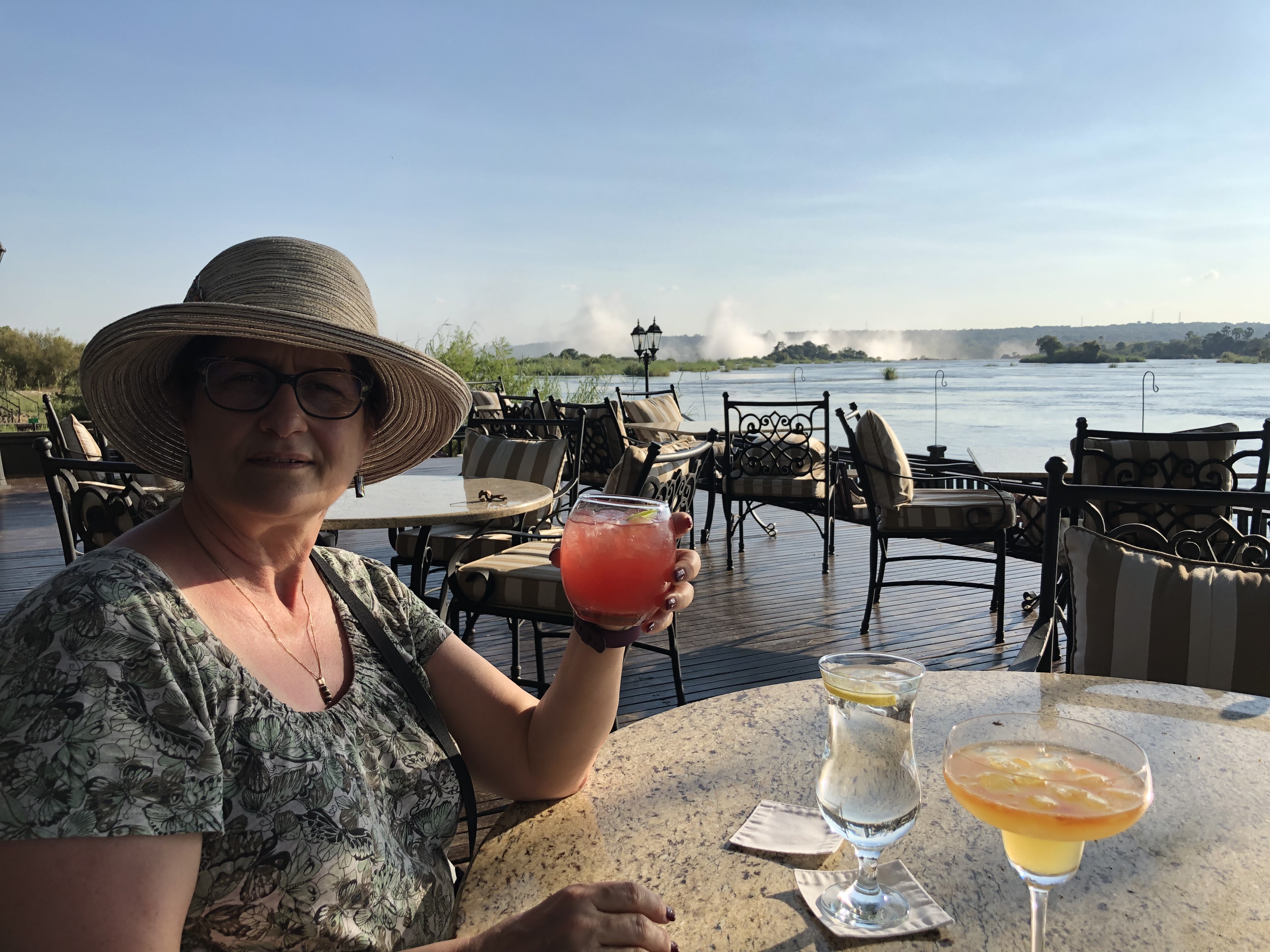
We returned and had a delightful martini on the patio of the Royal Livingstone Hotel, the sister hotel to ours. It is definitely more upscale. We found it interesting that a martini was cheaper than the wine. A glass of red South African wine is typically 14-16$cdn. The martini was$12. A pint of beer is $5.50cdn. It’s a good thing beer is our drink of choice. It has been so hot here, even the locals have complained. One woman told us that the rainy season typically goes from October until The end of March. There has been no significant rainfall since mid January. The corn crop, a main dietary staple is failing and the water level is really low. Thus likely means food shortages and a lack of electricity later this year.
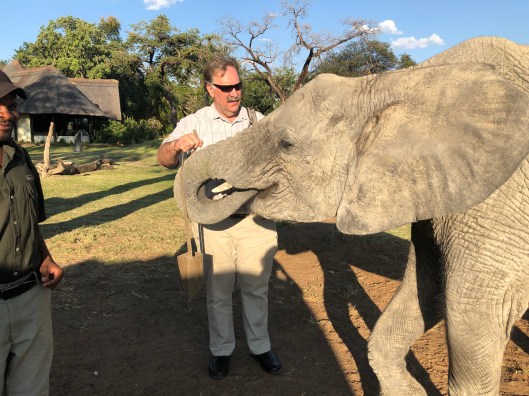
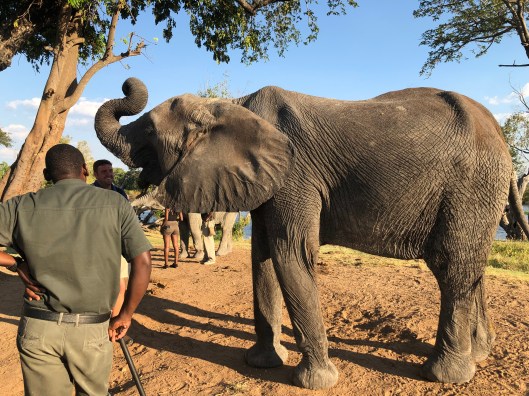
We went off to the elephant cafe at 4 pm without many details of what exactly to expect. We joined two other couples at the jetty and were taken 13 km upriver in a speed boat. For the first time, we were given life jackets. We sped to our destination with occasional showings to see animals or birds on the shore. The motor noise typically scared everything away, so we mostly saw animal rumps.

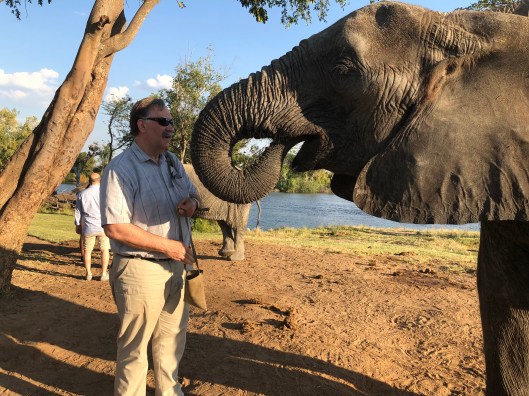
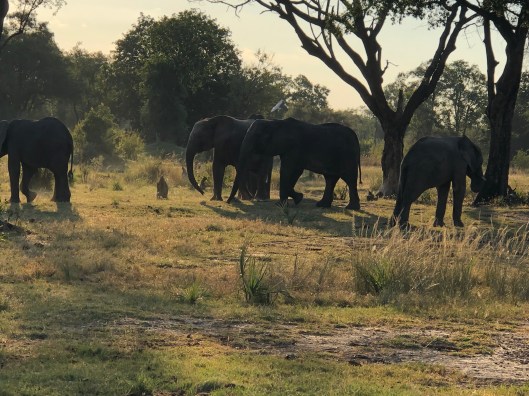
As we arrived, we were oriented to meeting the elephants. We then got to meet and feed a mom elephant and her two offspring. These were three of the ten elephants in the preserve. Six had been saved from death by predators or parental abandonment. Three had been born at the preserve and one had been found on an island as an abandoned baby by the elephants and brought back to the preserve. All of these elephants have been trained to work with people and there is no intention to return them to the wild.

After feeding the elephants bags of treats (grass pellets), it was out turn to wash up and eat. One of the couples hung back with the elephants a little. The man had planned a proposal. He had given the ring in a box to the handler who had in turn given it to the elephant. The woman was surprised when the elephant gave her the ring box and her boyfriend got down on one knee.

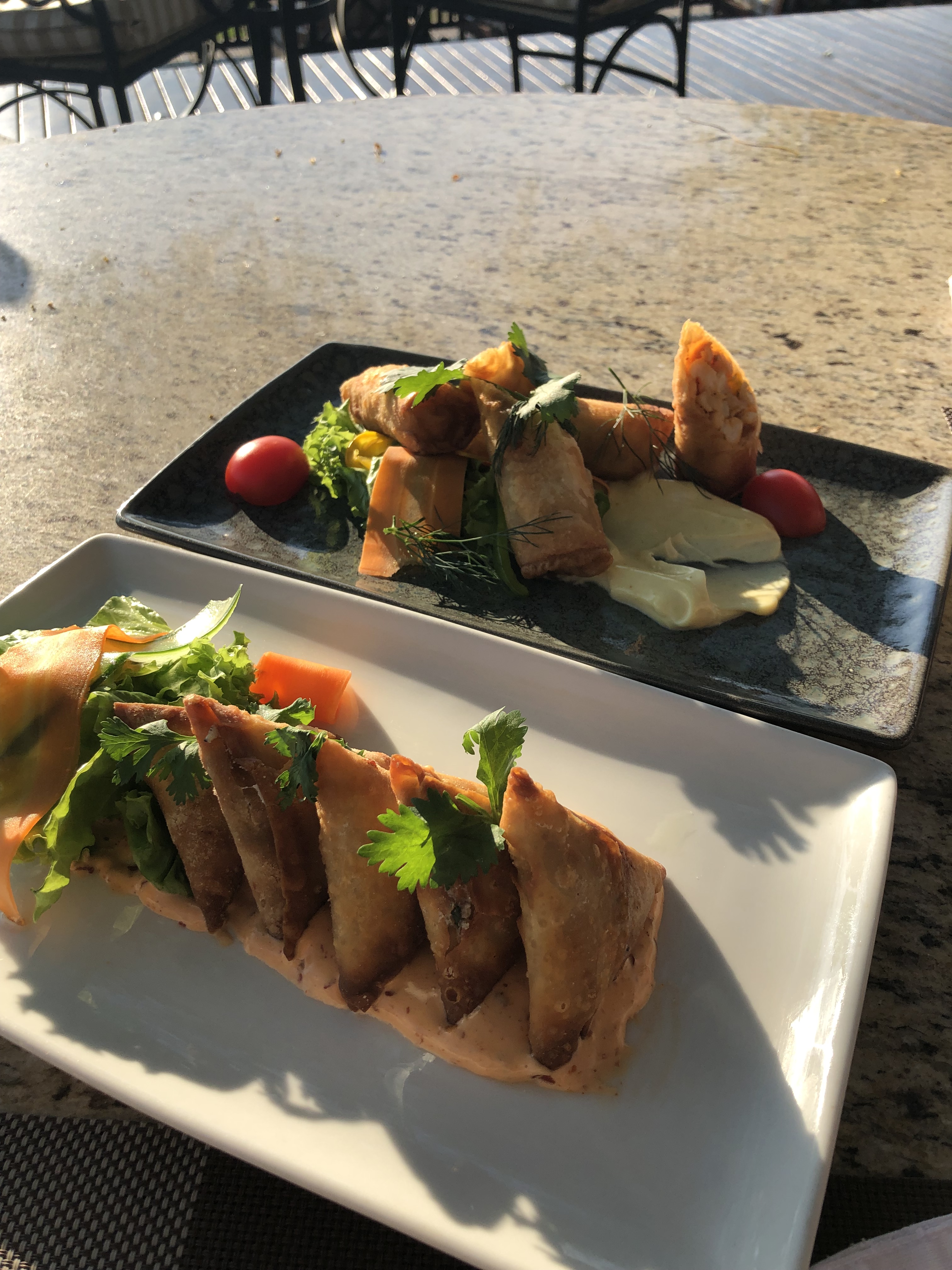
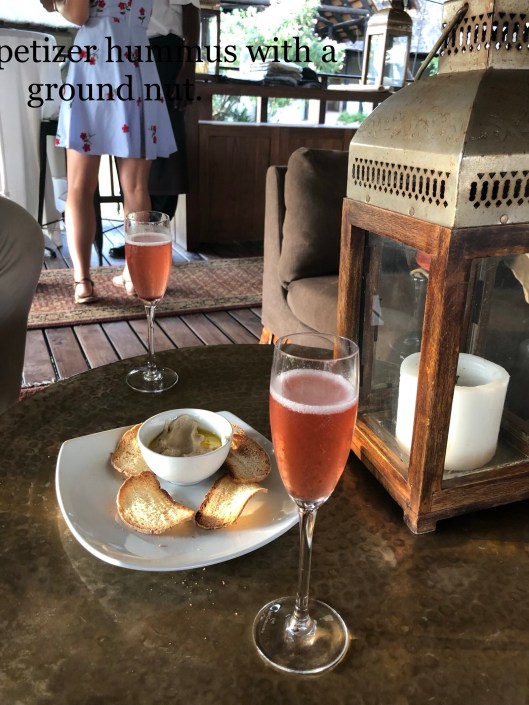
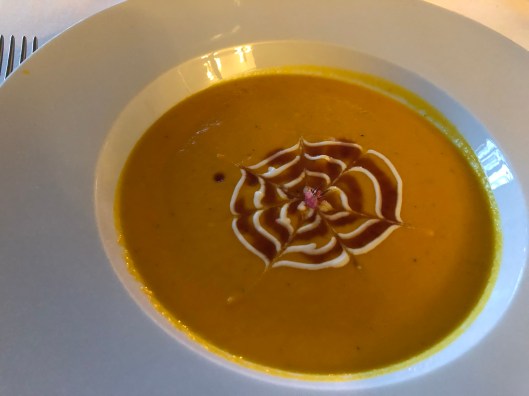
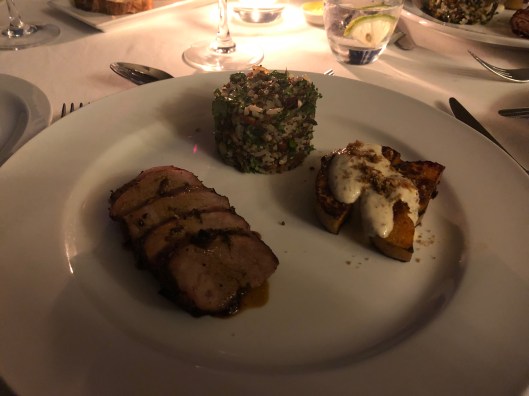
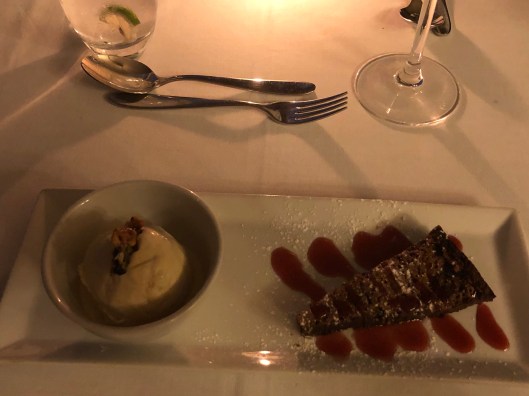
The restaurant was on a patio overlooking the river. We were served the following:all the food was sourced within 20 miles. They foraged many of the seasonings and reductions from indigenous plants that the locals eat regularly. However, they prepared more upscale presentations. Everything was amazing with tastes that were unusual but delicious. The duck was the best I have ever eaten with a tamarind-based duck sauce to die for. We learned that they grow both coffee and cocoa in Zambia and the mocha we had for dessert was reminiscent of hickory infused cafe au lait.

This restaurant is only a few years old and had already won “best restaurant in Zambia” awards three times. The chef/waiter/owner showed us his trophies. We were happily over-fed and content as we headed back to the hotel.