
Today was all about Elephants. There are approximately 8,000 Asian elephants in Thailand. Approximately 4600 in the wild and 3400 in captivity. Historically, elephants were used as tanks in warfare or heavy equipment in farming and forestry. As the timber industry changed, the role for elephants shifted to tourism, either to perform in shows or to give rides to tourists.
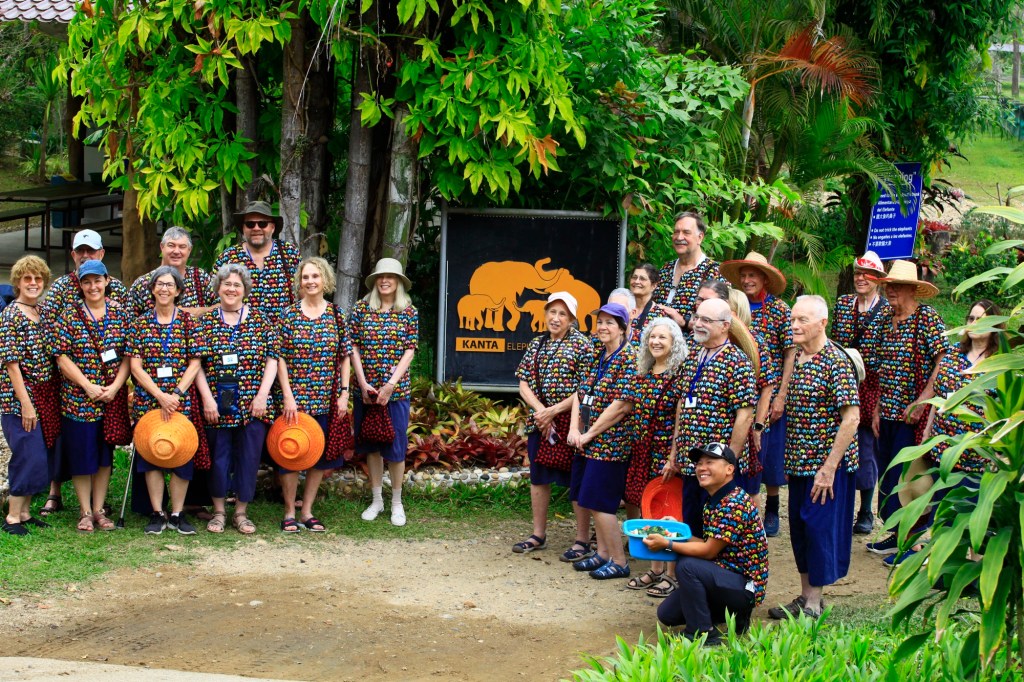
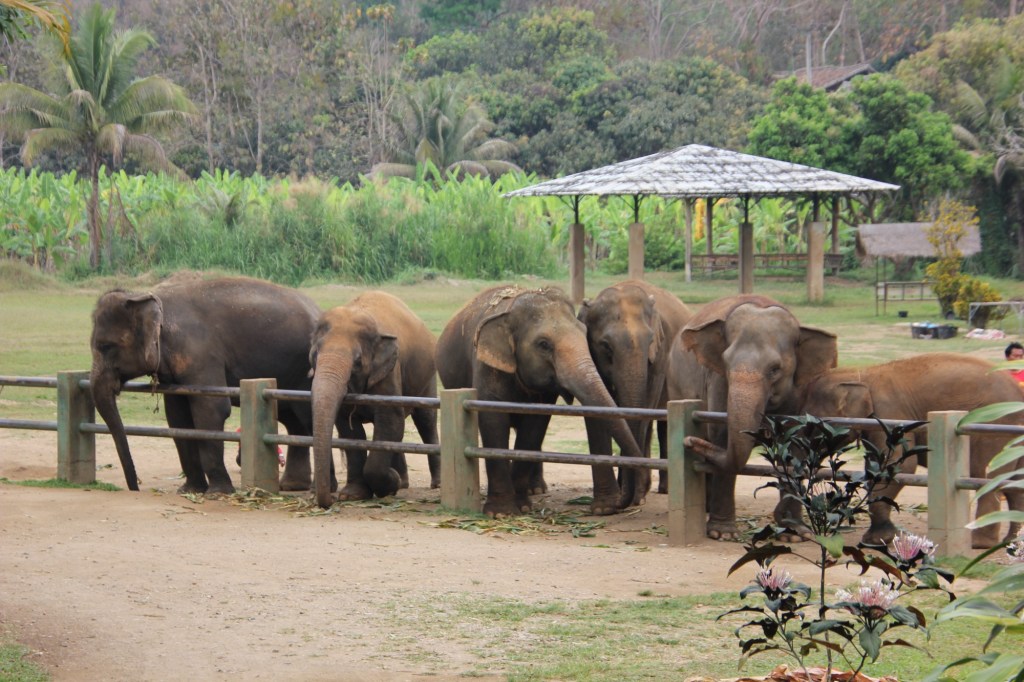
We spent our morning at the Kanta Elephant sanctuary. They are a non-profit operating near Chiang Mai with a mandate to rescue elephants from either work or tourist riding environments. They also take care of elephants who were privately owned but the family no longer wants to care for them. The “rescue” is typically a purchase of the elephant at a cost of $60,000 or more per animal. The oldest elephant at the sanctuary is 70 years old and the youngest, born at the sanctuary, is approximately 2 years.
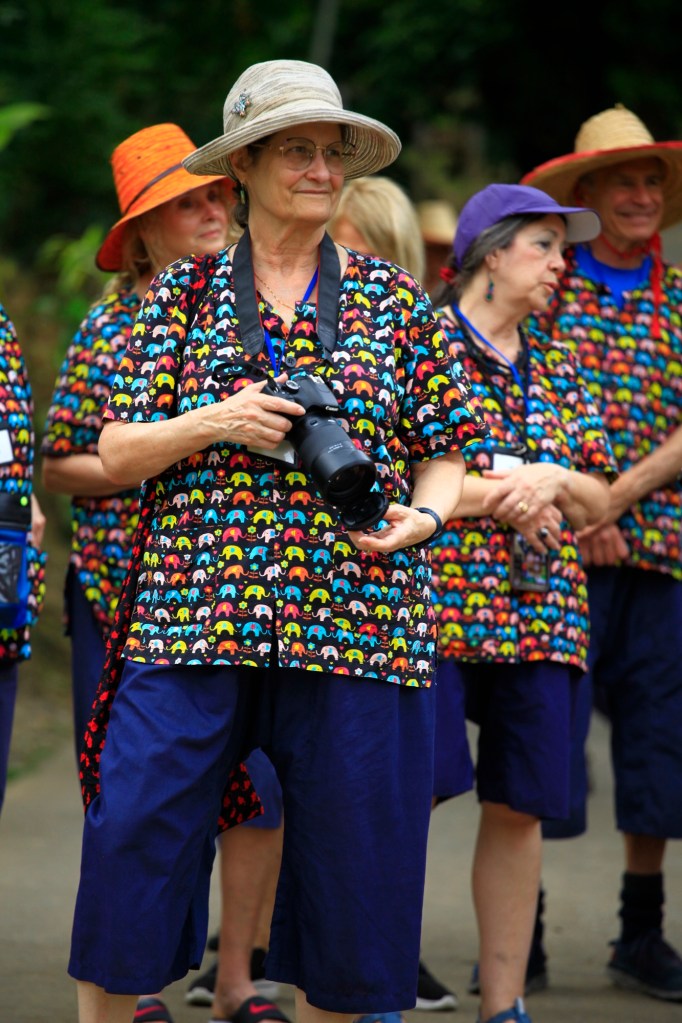
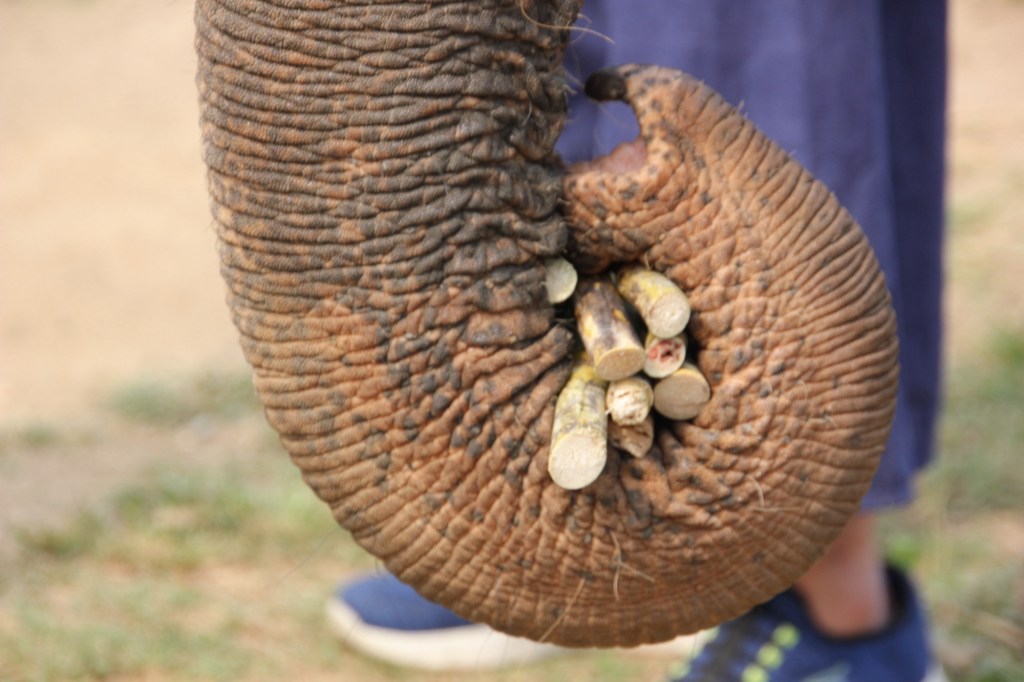
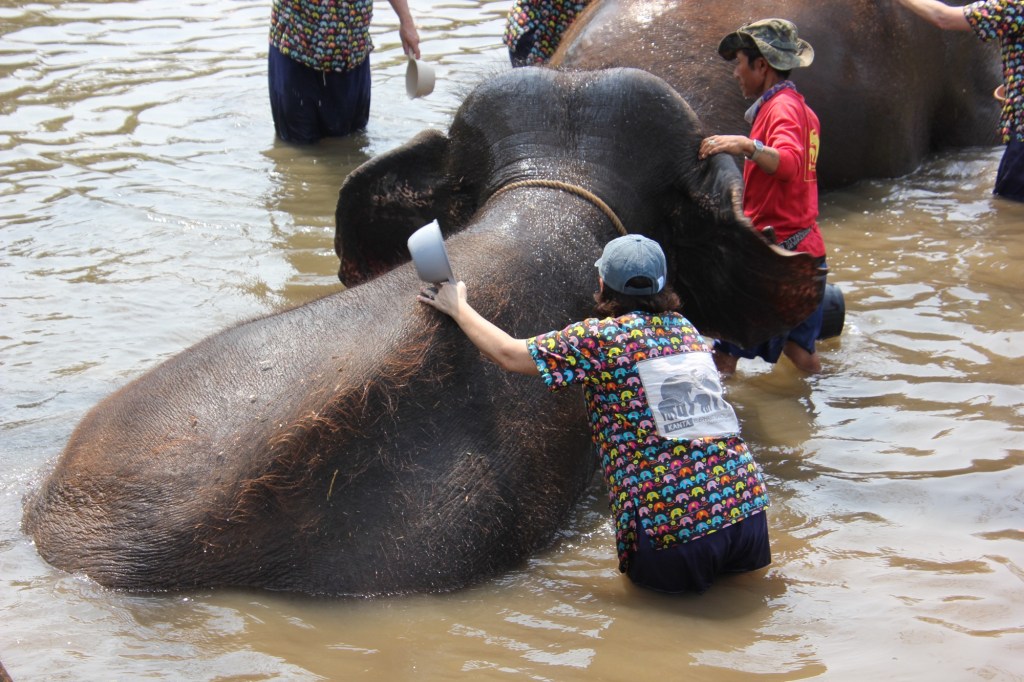
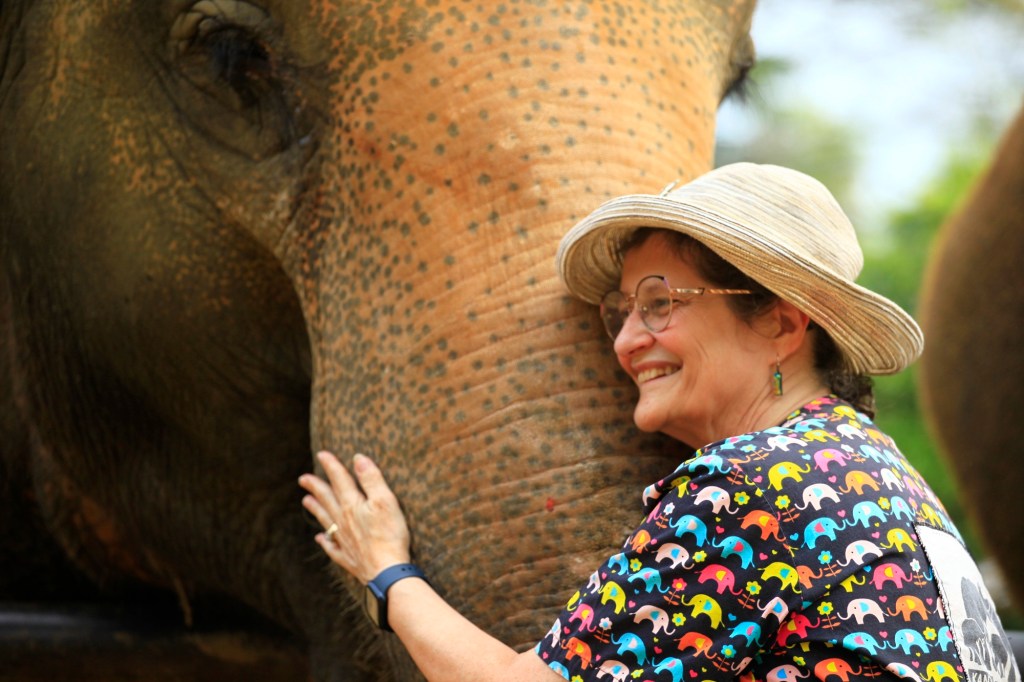
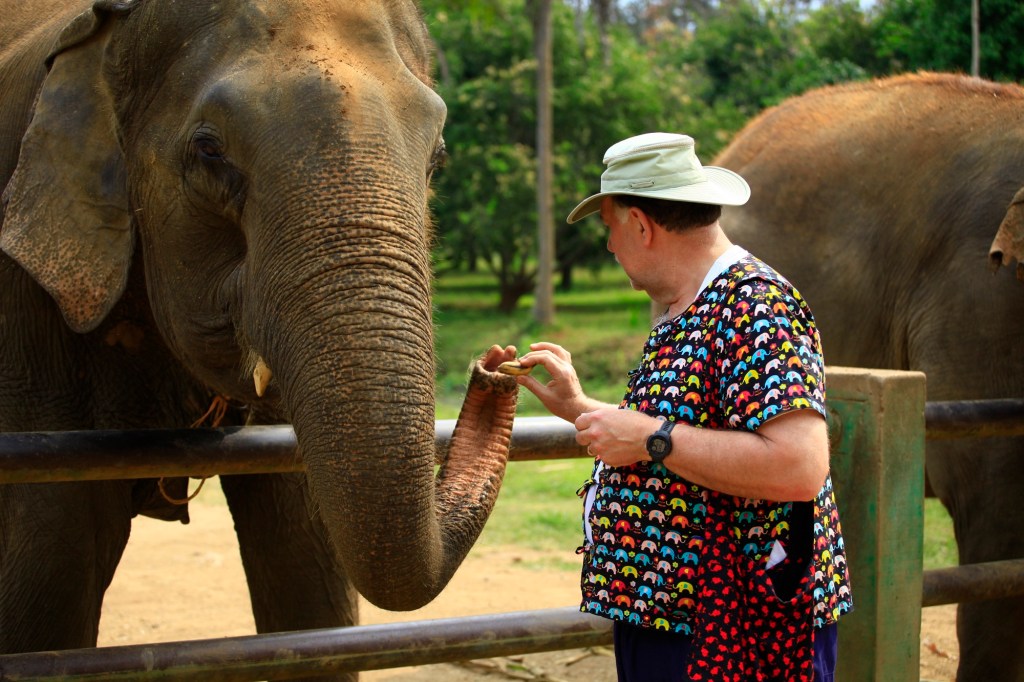
We all wore nifty “scrubs” to protect us from dust and elephant snot. We all got pretty dusty and it was good to have something to wipe our hands on after feeding the elephants. Their trunks are moist and soft when they snuffle the food out of your hand. They were so patient with us, they allowed us to pet and hug them.
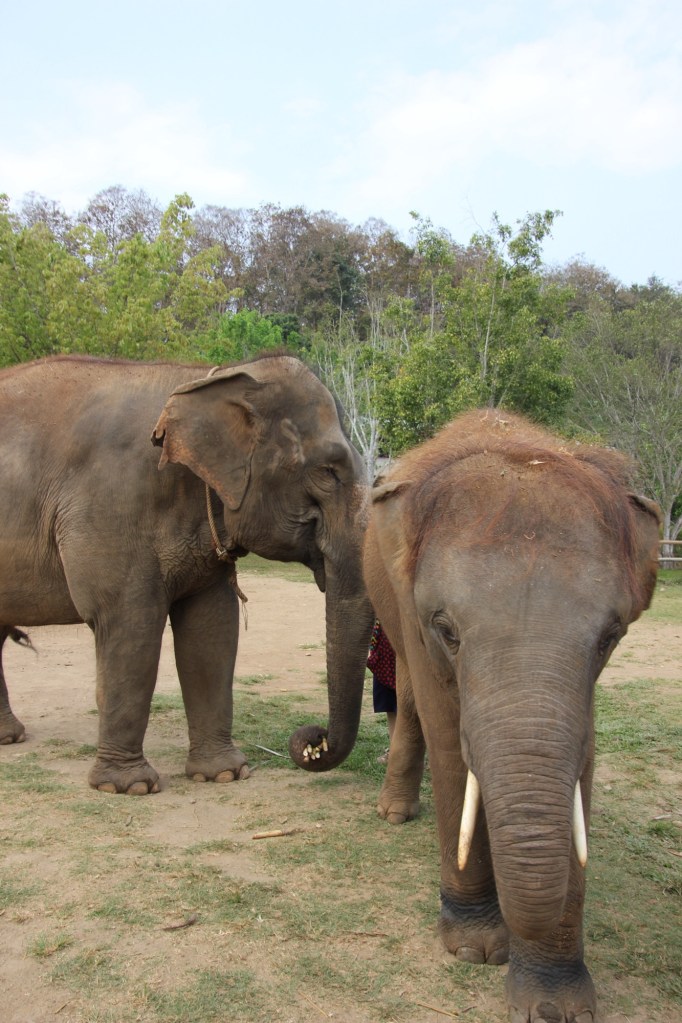
Each elephant is paired with a Mahout (caretaker). This is a mutual pairing. The person and the elephant have to connect to make the relationship work. The Mahout is responsible for meeting all of the elephants needs. We were told that elephants in the wild are herd animals, while elephants who have been in captivity are more individualistic and rely on their bond with their ”papa” (Mahout). The mahout essentially lives with their elephant being on call 20/24 hours a day (Elephants only sleep 4 hours/day). There are 32 mahout who work for the sanctuary and live onsite. The sanctuary employs 120 people to care for the elephants, manage the tourist program, care for the site, provide veterinary care and do research.
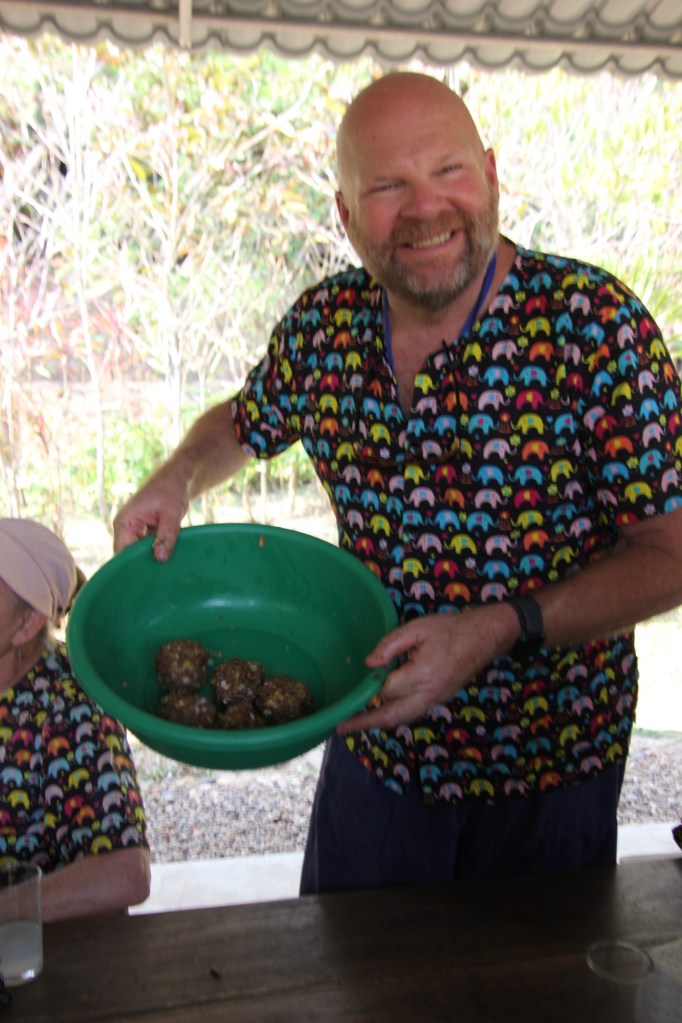
. We made herbal vitamin balls out of tamarind paste, bananas, vitamin pellets and salt and then got to put them in the elephant’s mouth. Their tongues are soft and somewhat slimy as we learned when putting the ball into their mouths. The elephants were patient with us.
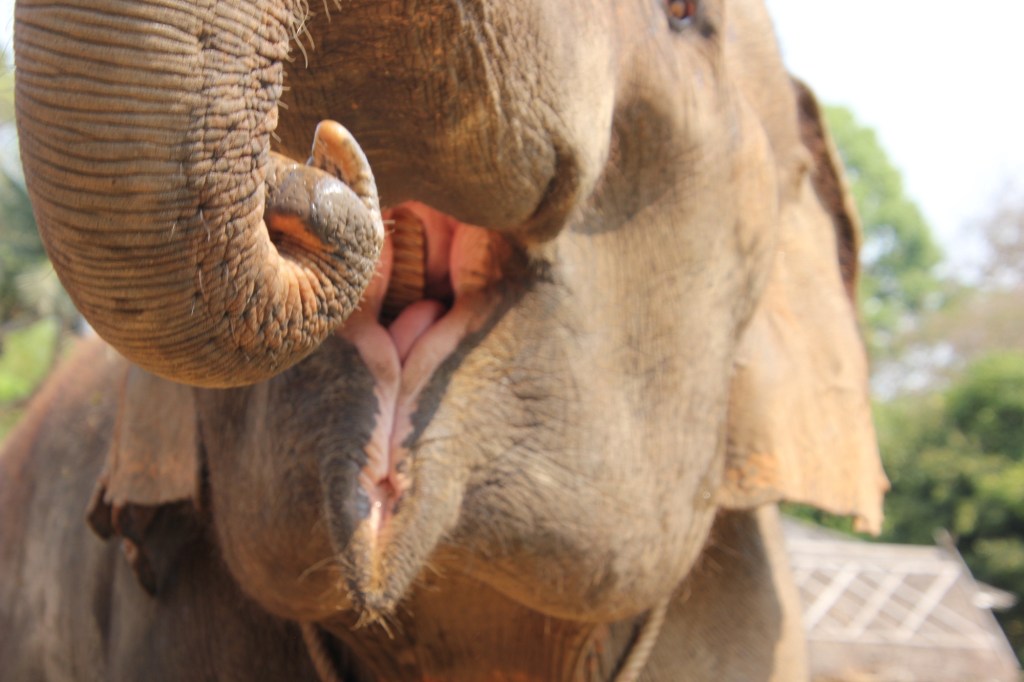
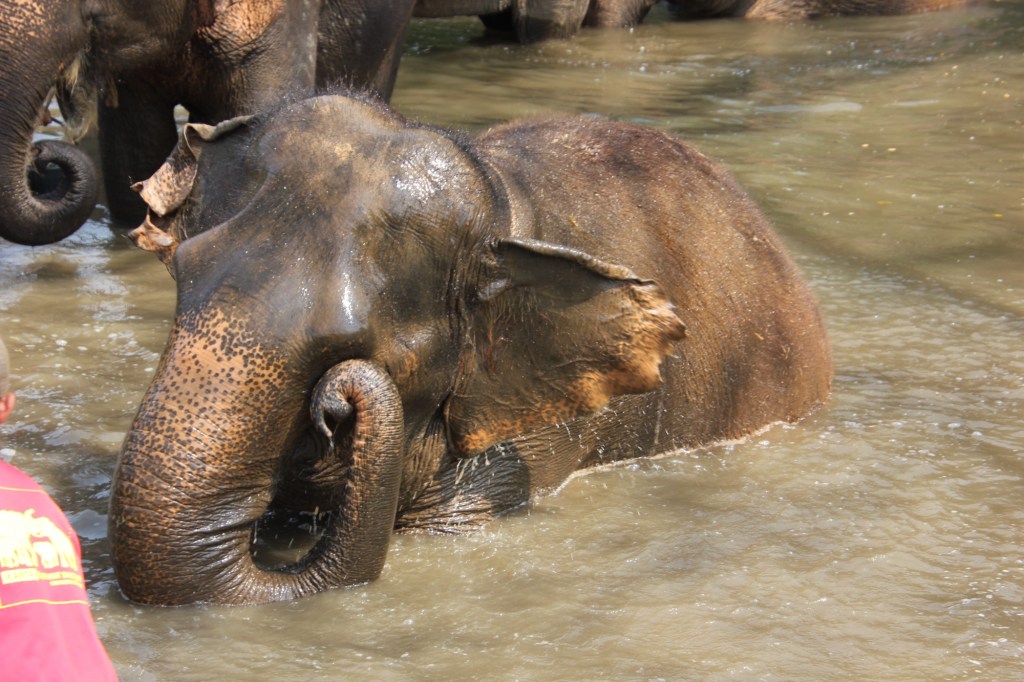
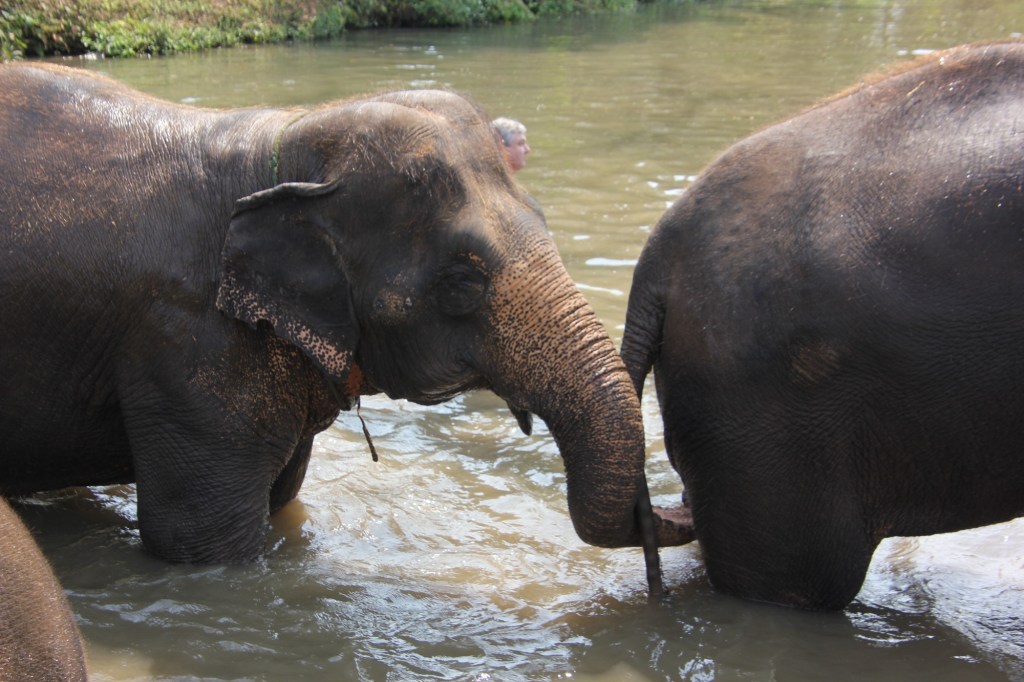
We had the opportunity to feed the elephants, hang out with them and some of us got into the pond to wash them. It was great. They were such gentle beasts who seemed very content to interact with us (especially when it came to getting sugar cane and bananas)
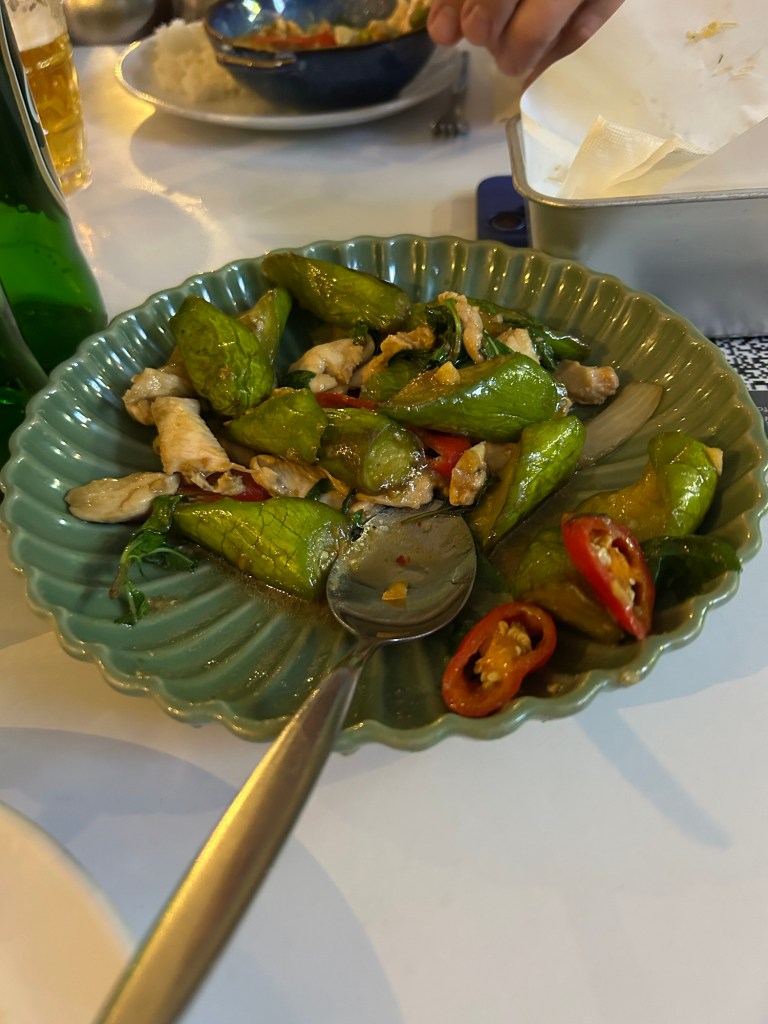
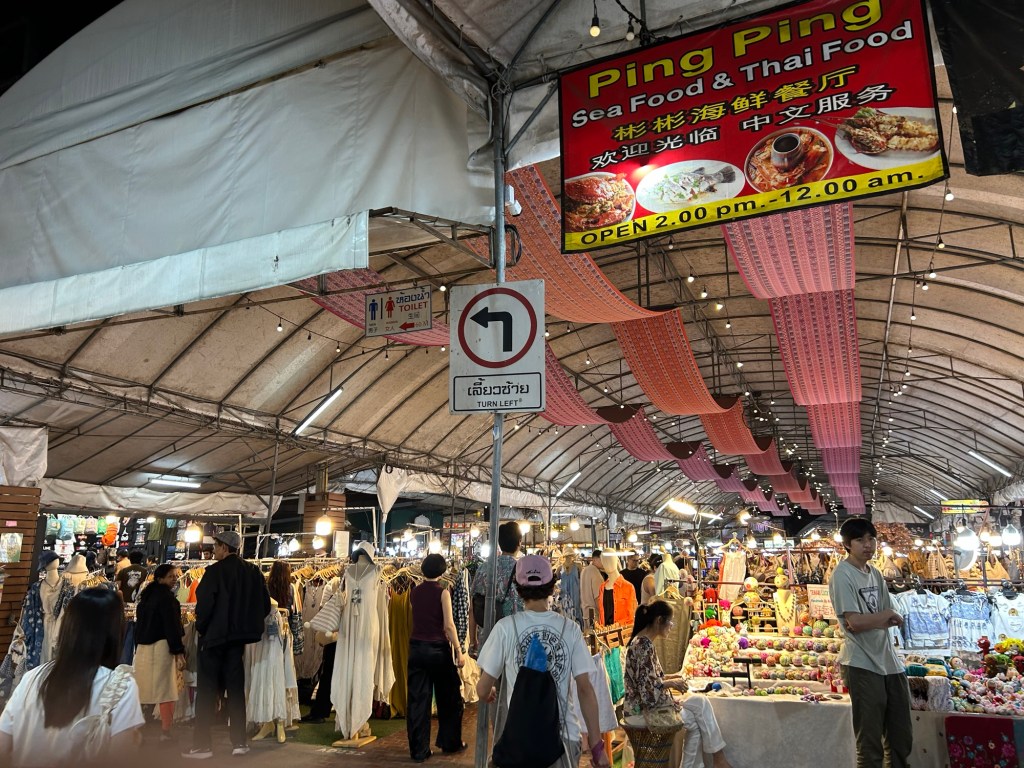
We had a relaxing afternoon by the pool followed by dinner and shopping in the night market in Chiang Mai.
Today we are flying to Laos for the next leg of our adventure. We can’t believe we are into our second week already. So much more to come.
 travelswithannmarie