• About

travelswithannmarie

~ This blog is an opportunity to share my travel experiences

travelswithannmarie

Monthly Archives: June 2025

Chenonceaux and Chinon Chateaux – a cloudy day in the Loire Valley

07 Saturday Jun 2025

Posted by travelswithannmarie in Uncategorized

≈ 1 Comment

We were on the road early today exploring another few chateaux. Chenonceaux was first on our agenda.
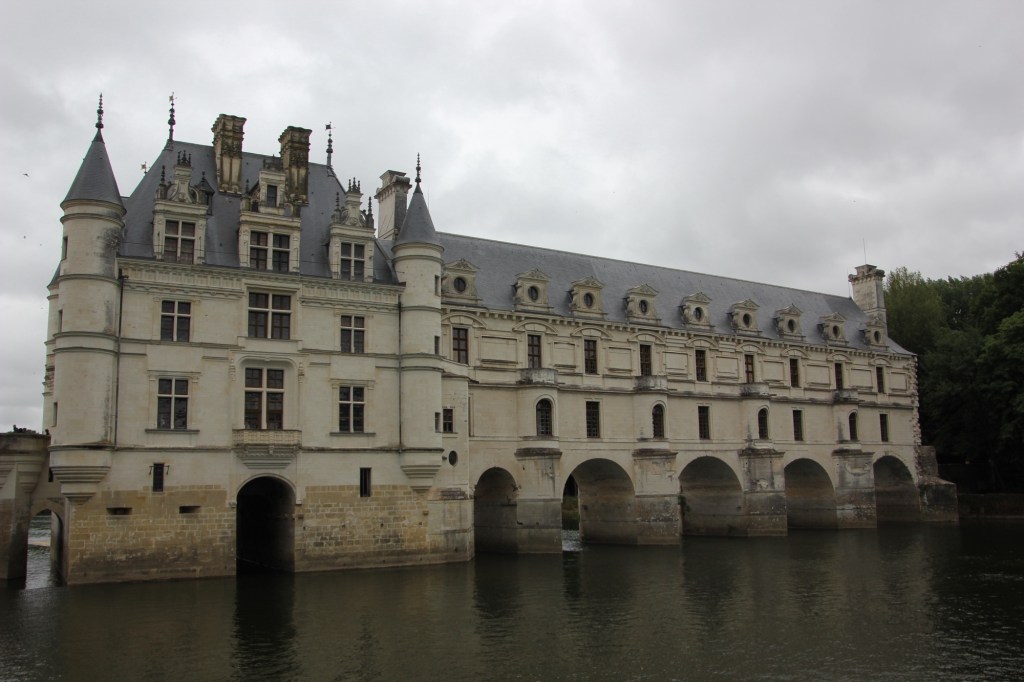
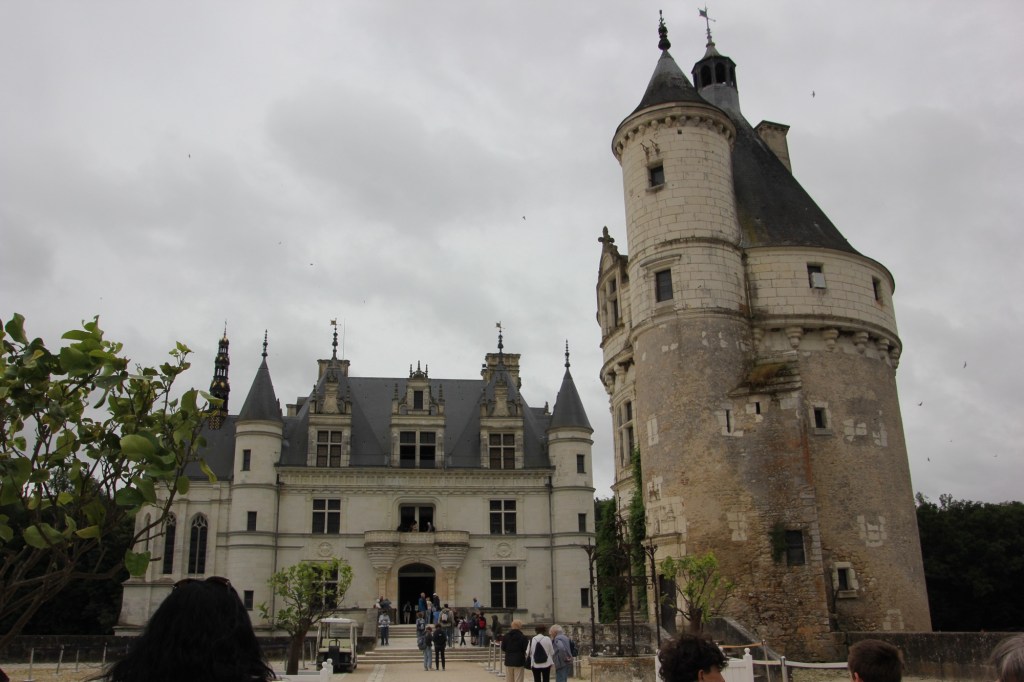
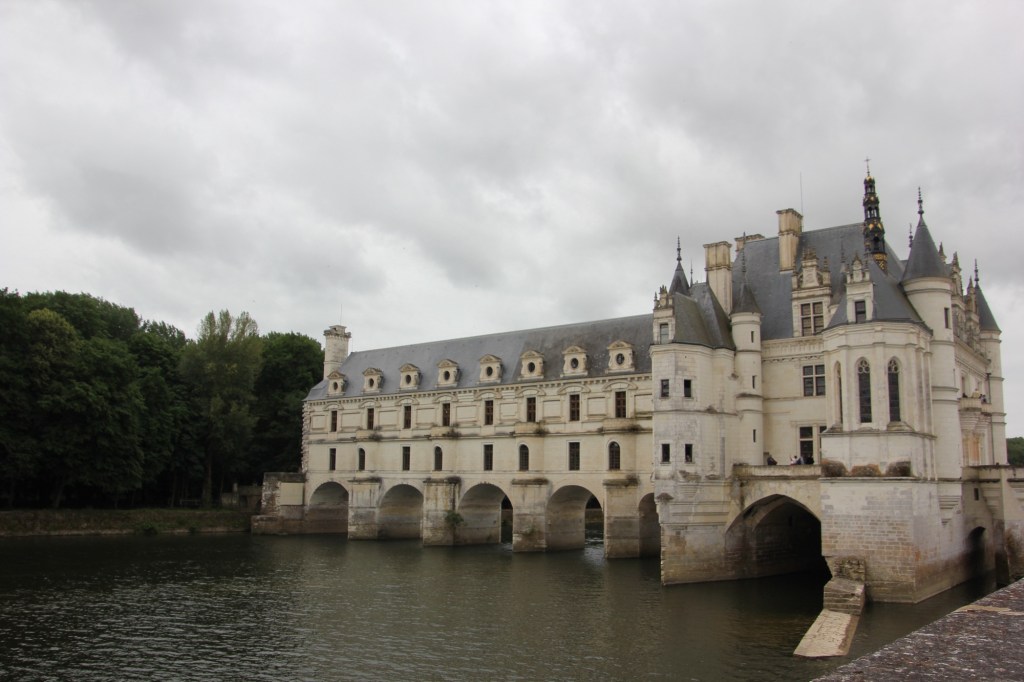
View from Cathrine de Medici’s garden
The entrance to the Chateau
View from the Diane de Portiers garden side
Inside the bridge

It is called the Ladies’ Chateau for good reason. Katherine Briconnmet was instrumental in the building of the original chateau between 1514-22. King Henri II gave the chateau to his favourite mistress Diane de Portiers. Catherine d’Medici, Henri’s wife forced Diane to trade the Chateau for a different castle after he died. Catherine loved the nightlife at the castle and hosted the first fireworks display in France from this home. Catherine built the bridge part to have a place for lavish social events. She lived there until her death in 1598 and then Louise d’Lorraine, wife of Henri III, took over the chateau. She was the last royal connection to the chateau. It changed hands a few times more over the years until Margarite Pelouze saved it from ruin. She restored it to the splendor of Diane de Portiers time. A political scandal ruined her financially and the property was sold a few more times until the Menier family bought it in 1913. They remain the owners and Pauline Menier continues the tradition of women managing the castle.
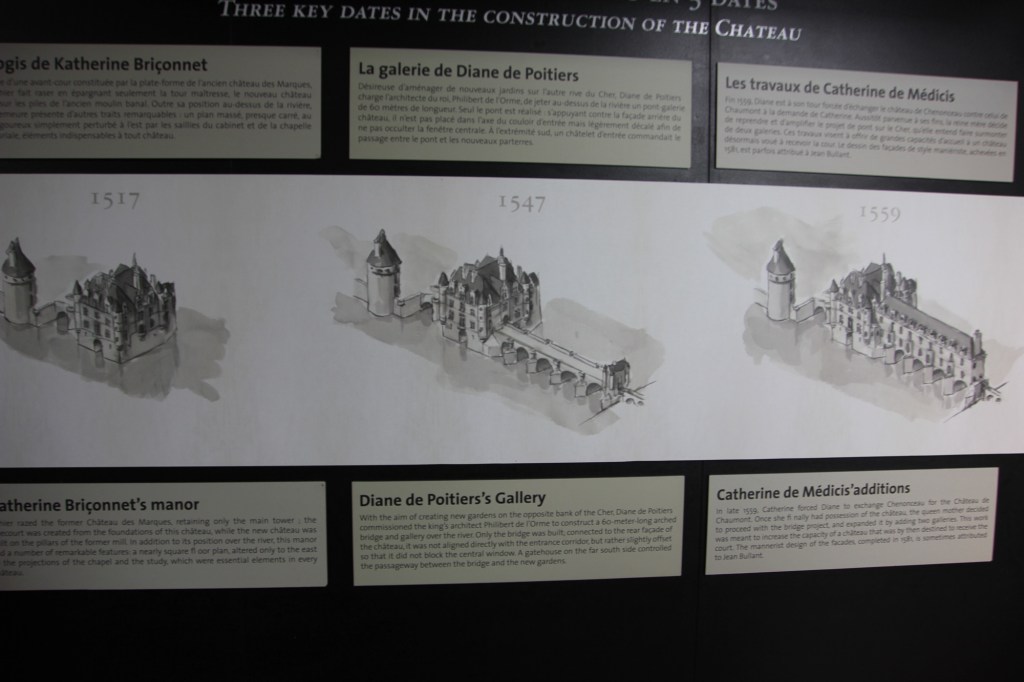
This image shows how Chenonceaux looked under the care of different women.

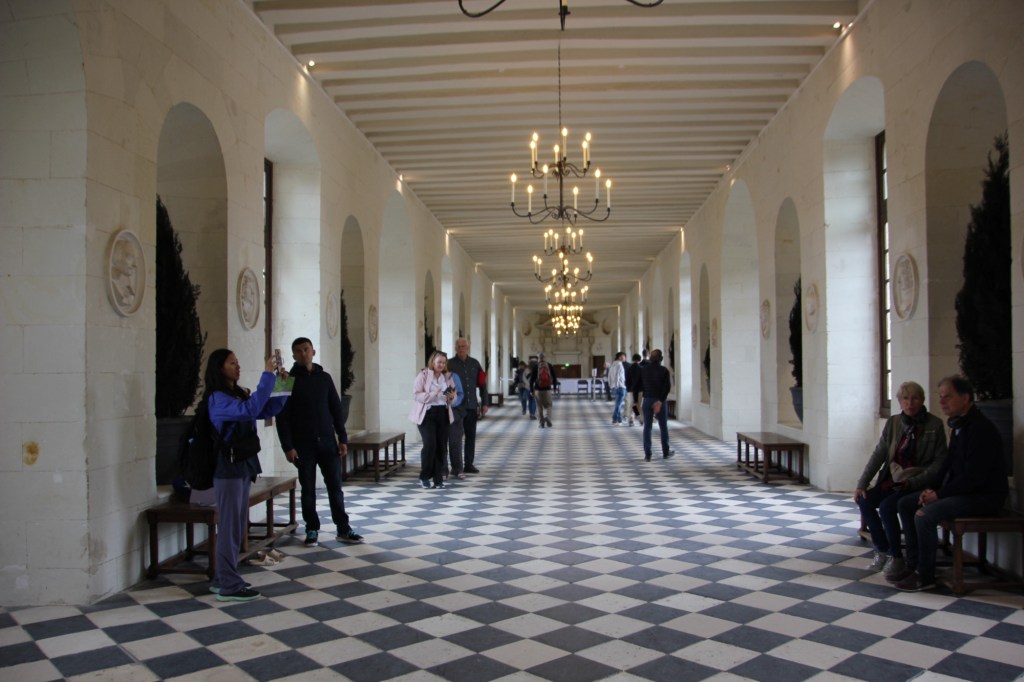
In 1914 the Chateau was used as a hospital during the war and they turned the grand gallery into a ward for over 100 patients. During WWII it was part of the line of demarcation from 1939-45. This line was technically the Cher River which the chateau spans. The entrance to the Chateau was on the occupied zone right bank. The South door gave access to the left bank and made it possible for the resistance to help large numbers of Jews and other vulnerable people escape into the free zone.

The Kitchens in Chenonceaux were fantastically appointed. We enjoyed wandering through and appreciating the various displays of kitchen utensils, copper pots, and vegetables.
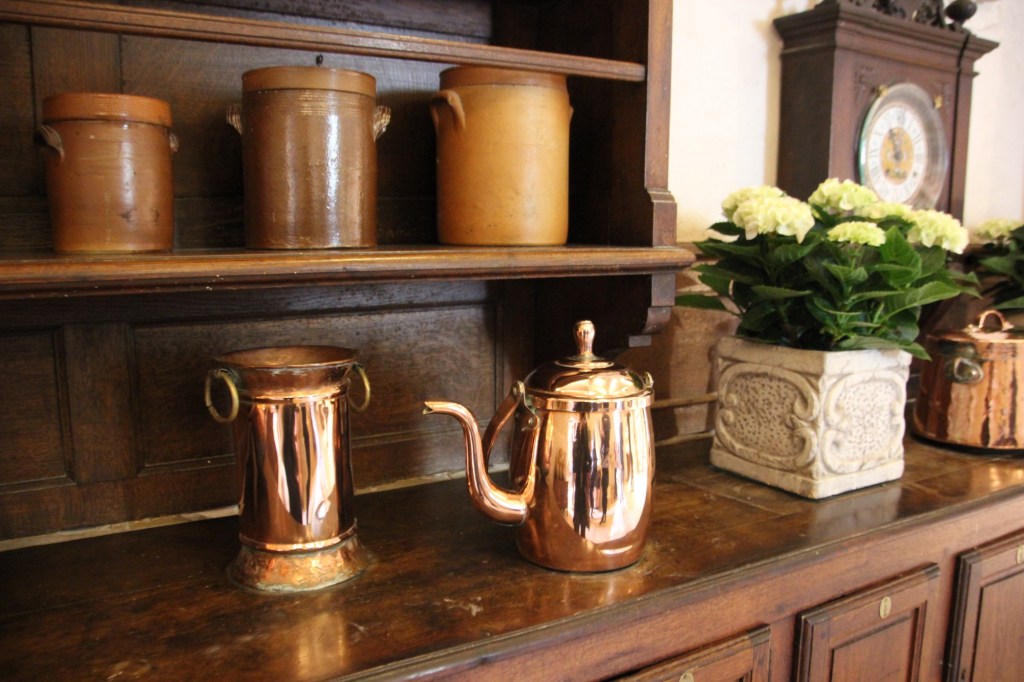
This was beautiful but I wouldn’t want to be in charge of polishing!
The displays were stunning

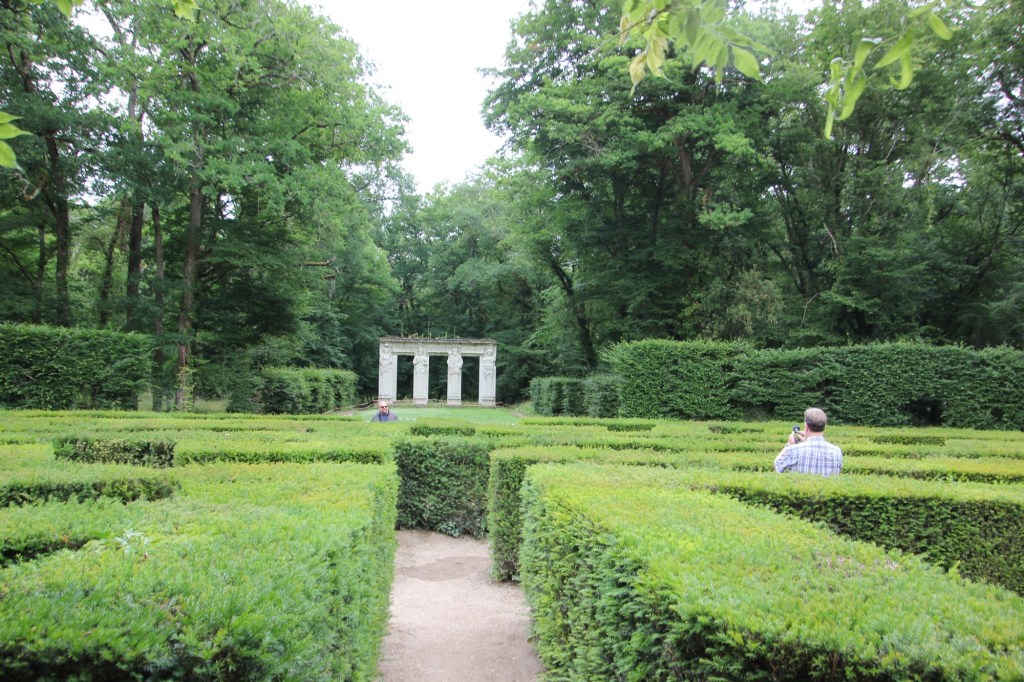
The Castle grounds were meticulously appointed and we were able to to watch the army of gardeners install the next season’s plants. We felt it was spring/not quite summer today. After 30 degree weather in the south, today felt more like spring at home. It was overcast, drizzly and windy as we explored the grounds. We finished the labyrinth and started our trek to Chinon.
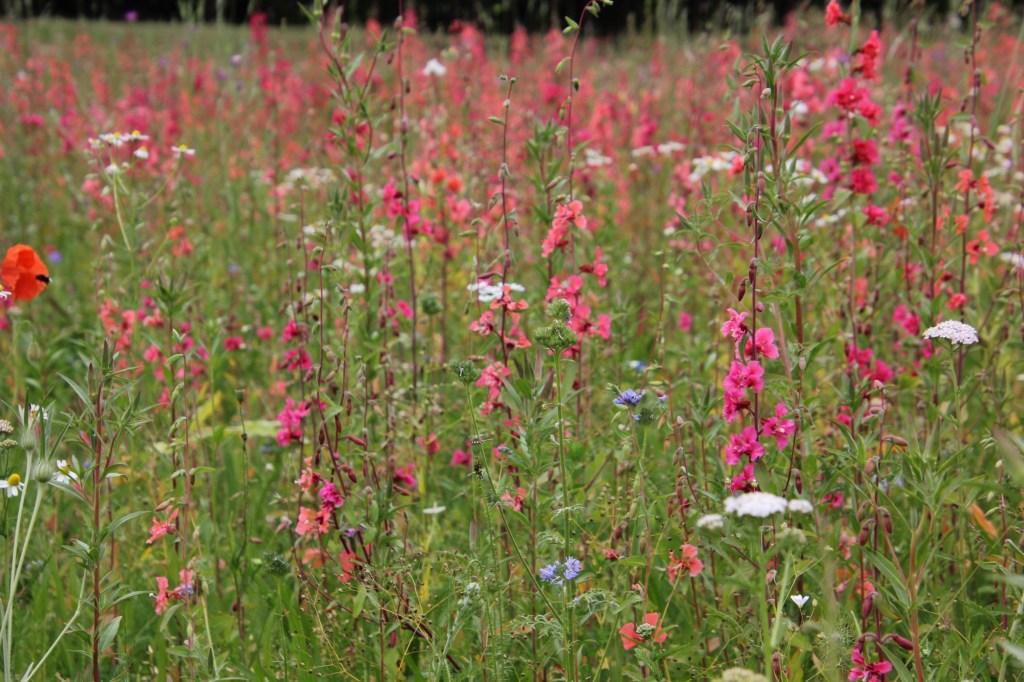
A field of wild flowers outside the castle
The Labrynth

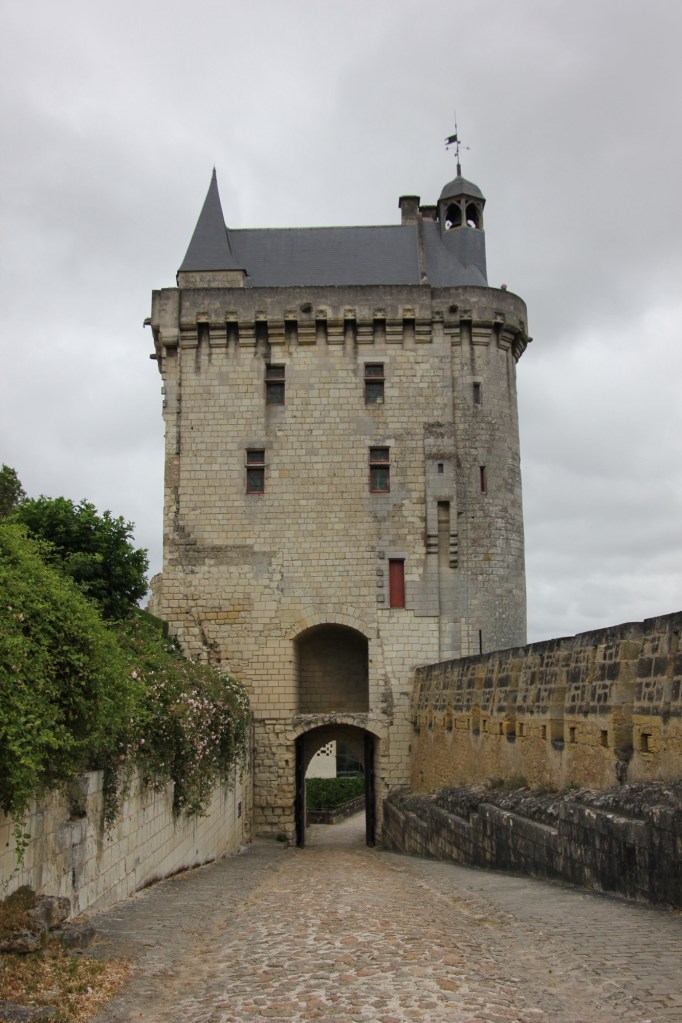
Chinon is more of a ruin than a functioning castle. The towers are impressive and we climbed every one of them on site. There has been a fort of some kind on this property since Roman times. None of the Roman influence remains.

By 1160, Henri II was using Chinon as the centre of his continental holdings. He was a busy guy who at one point was the ruler from Scotland to the Pyrenees mountains. He died in 1189 in Chinon but was buried in Abbey Fontevraud.

Another famous event occurred at Chinon in 1429. Joan of Arc was on her mission to support Charles IV, then the king of France, to defeat the English. The king supposedly put on the clothes of a commoner and had one of his colleagues pretend to be him. Joan didn’t fall for the trick and when presented to the court, she ignored the friend and picked the real king from the crowd. This is now called “the recognition” and was one of the reasons that the king decided to take Joan seriously.
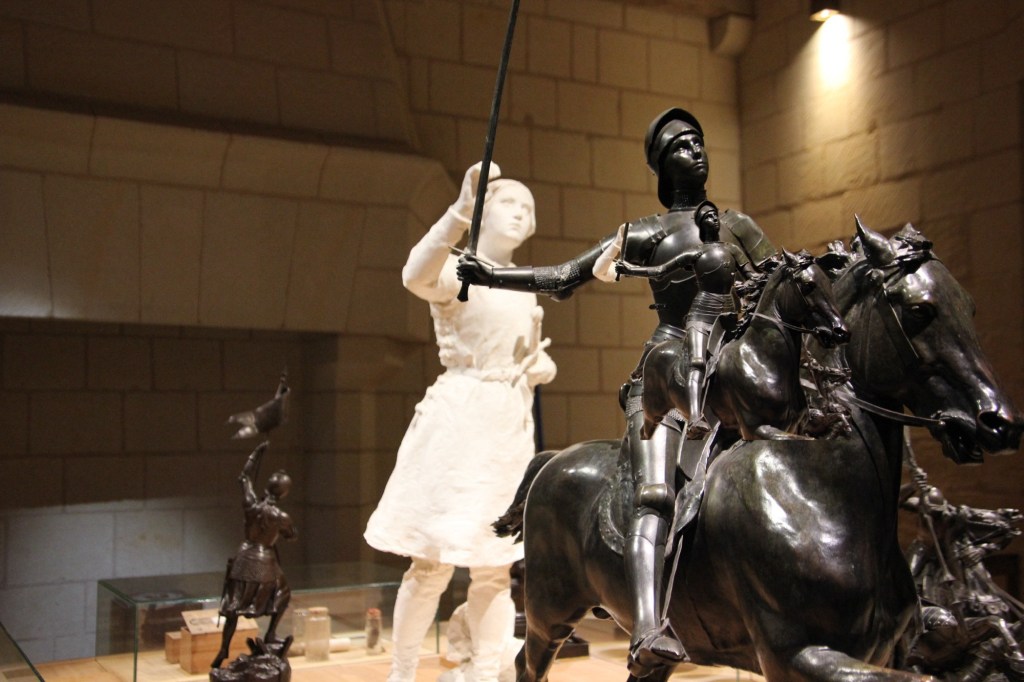
The third major event connected to the castle occurred during the trials of the Knights Templar. Jacques de Mornay, the grand master of the knights was held in Cowdray’s Tower (an addition to the castle from 1209). De Mornay was held in the tower until he was taken to his death.

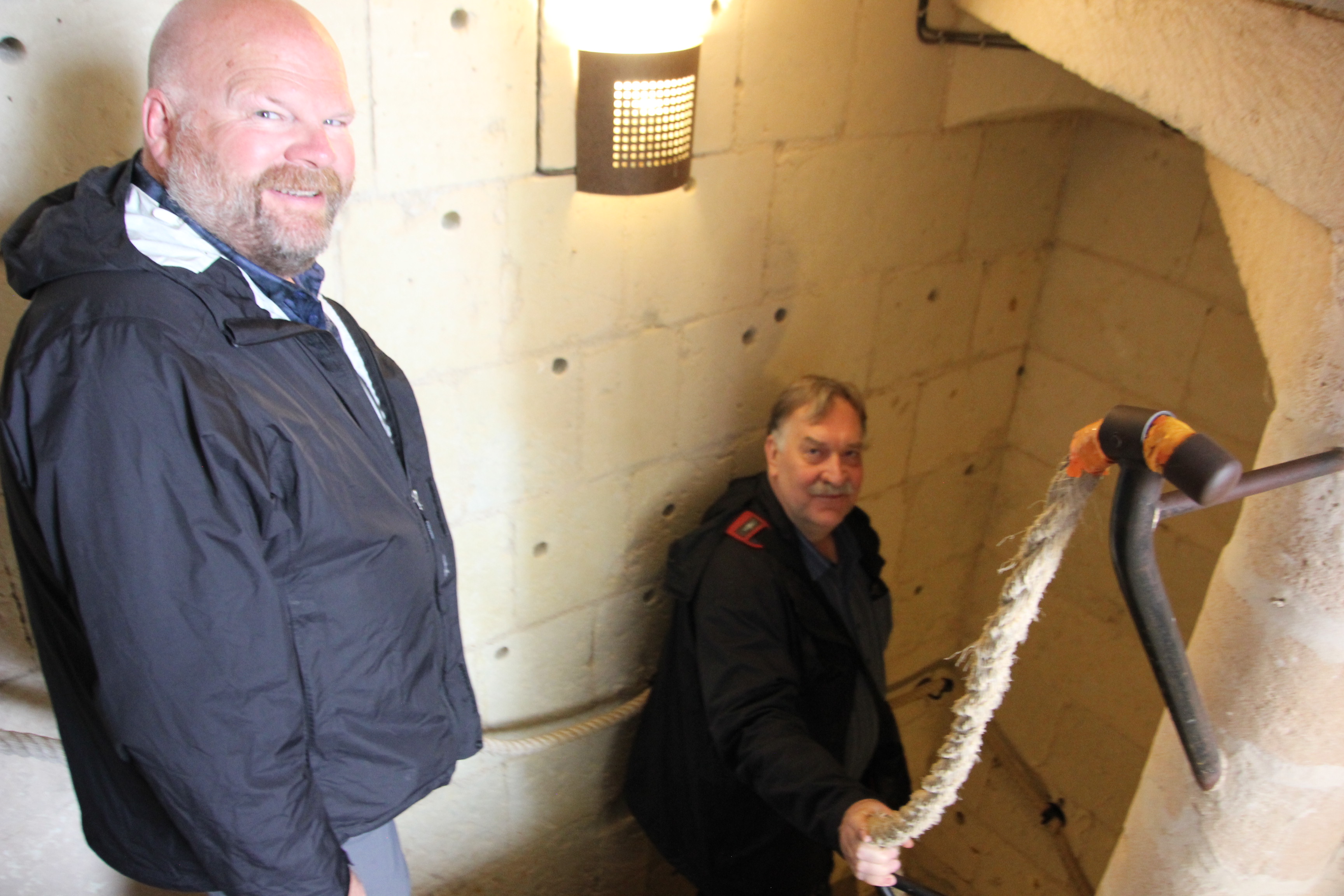
We exhausted ourselves by climbing one final tower, the bell tower. It was only 45 steps up to the floor below the bell. The view was great and I would have appreciated it more had the gale force winds not threatened to get me air borne.
We finished our day in Chinon by a visit to the wine shop next to where we had parked our car across from the castle. The vinyard on the hill immediately above the shop (Clos de ‘Echo) has been owned by the current vintners since 1921 and grows Cabernet Franc grapes. The products we tasted were delicious and we added a few bottles for our dinner tonight.

We have appreciated having our own kitchen facilities. Eating out involves more frites (aka French fries) than I normally consume. I am not too worried about that though because we have put in lots of steps every day and today’s stairs count was 23 floors. We are tired tonight but content with our day.

Tomorrow we shift gears and head north to Mount St. Michel. Stay tuned.

Chateau Breze & Abbaye Fontevraud

05 Thursday Jun 2025

Posted by travelswithannmarie in Uncategorized

≈ Leave a comment

Tags

europe, france, history, travel

We started our first day in the Loire Valley by visiting Breze, the castle Dale had picked as his #1, had to see castle. The earliest parts of the castle were started around 1060 and it has been added to ever since. The most modern parts date to the 18th and 19th centuries and they were interesting.

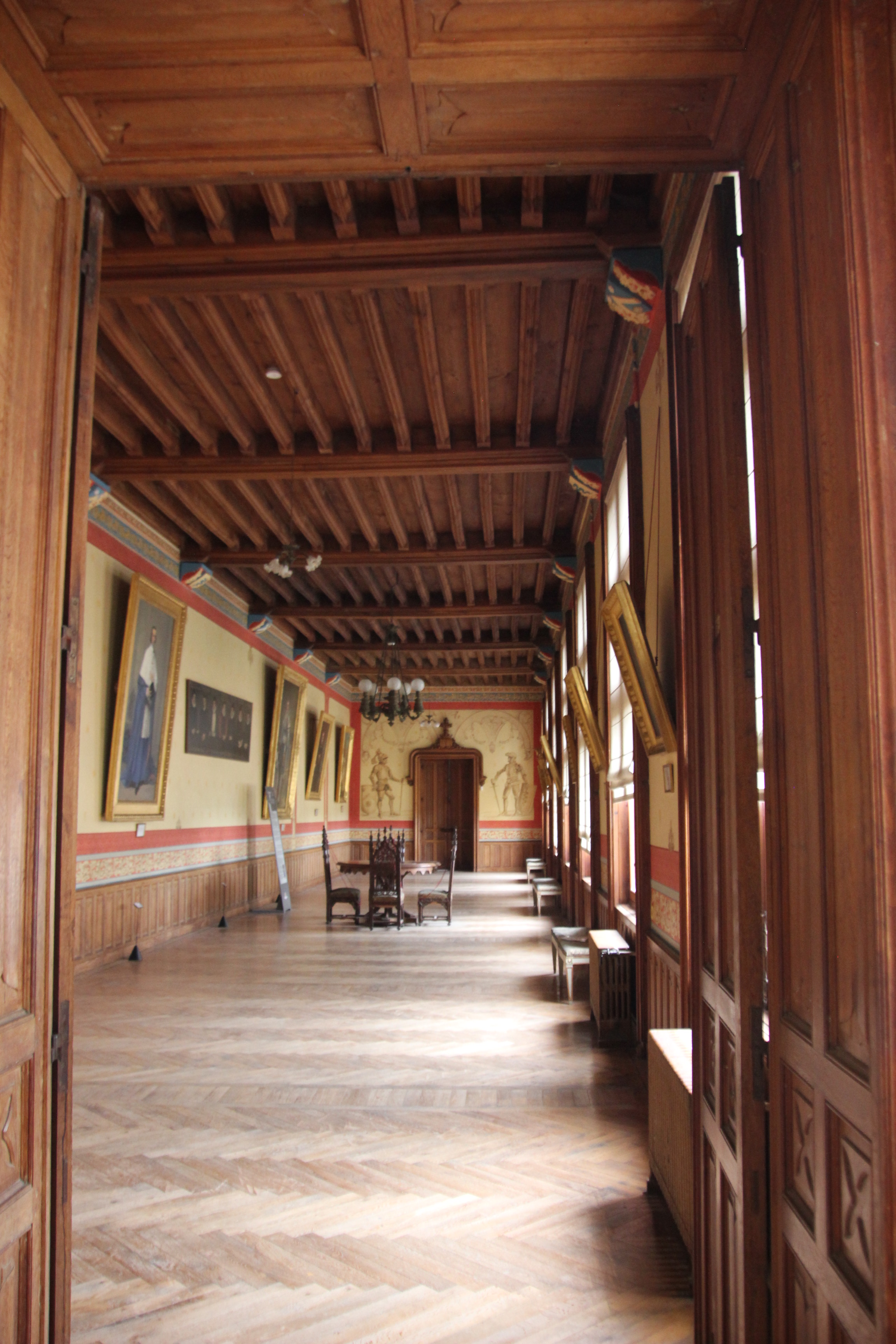
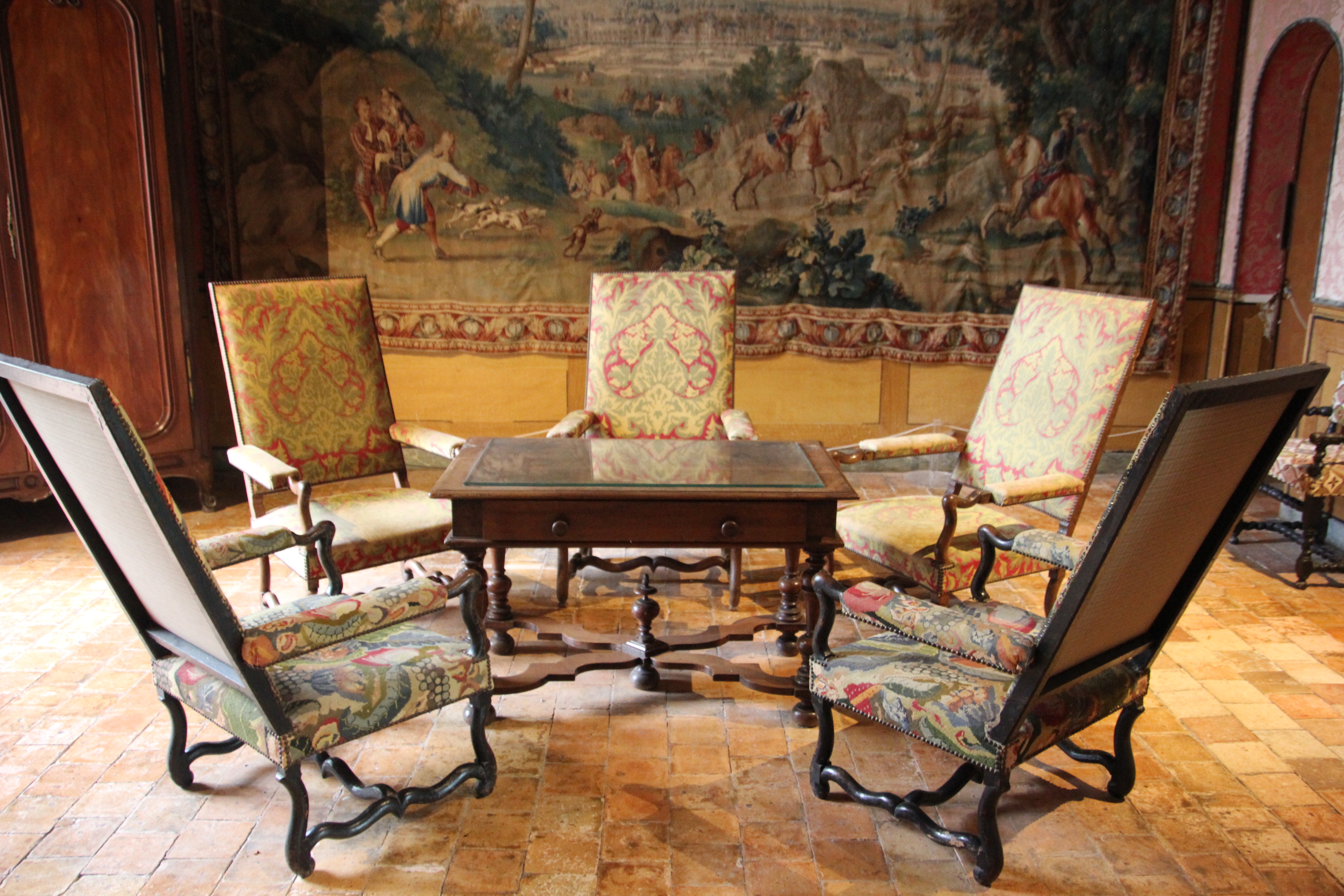
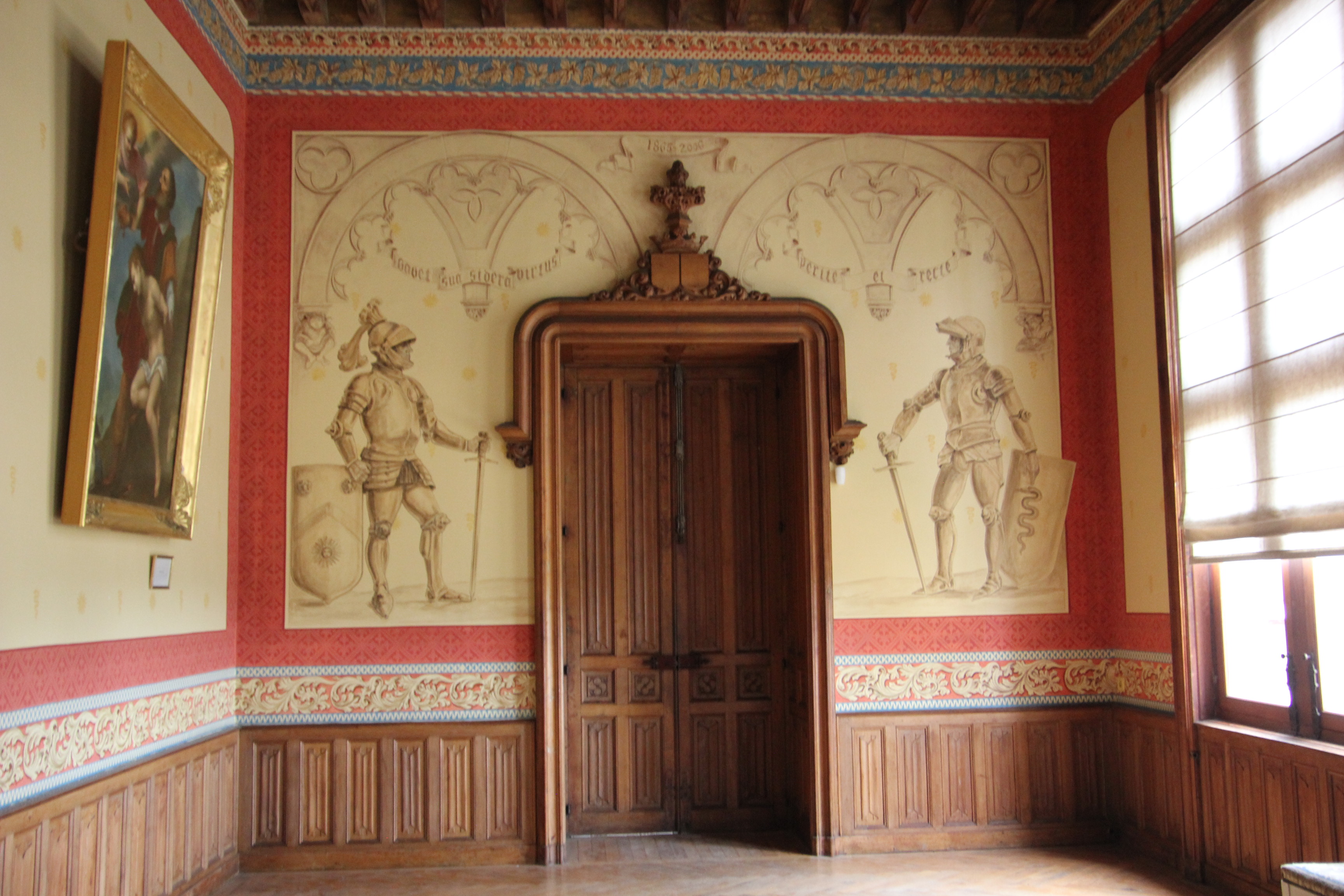
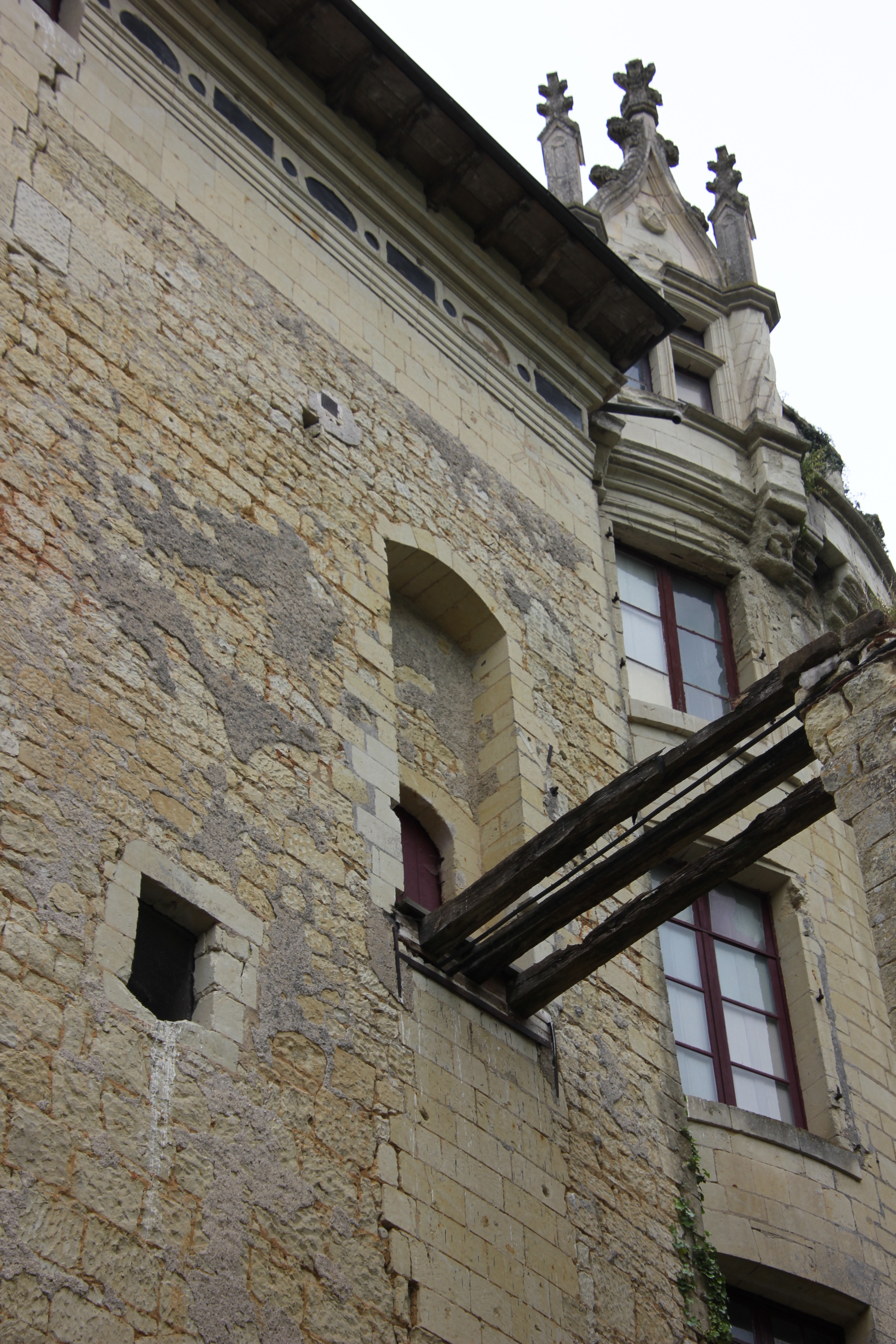
The furnishings in some of the rooms were stunning. King Rene of Anjou gave permission to Gilles de Maillé-Breze (his chamberlain) to fortify the castle in 1449. The limestone from some of the tunnels was used to build some of the walls. The remnants of a draw bridge are still evident and its been under renovation pretty much ever since.

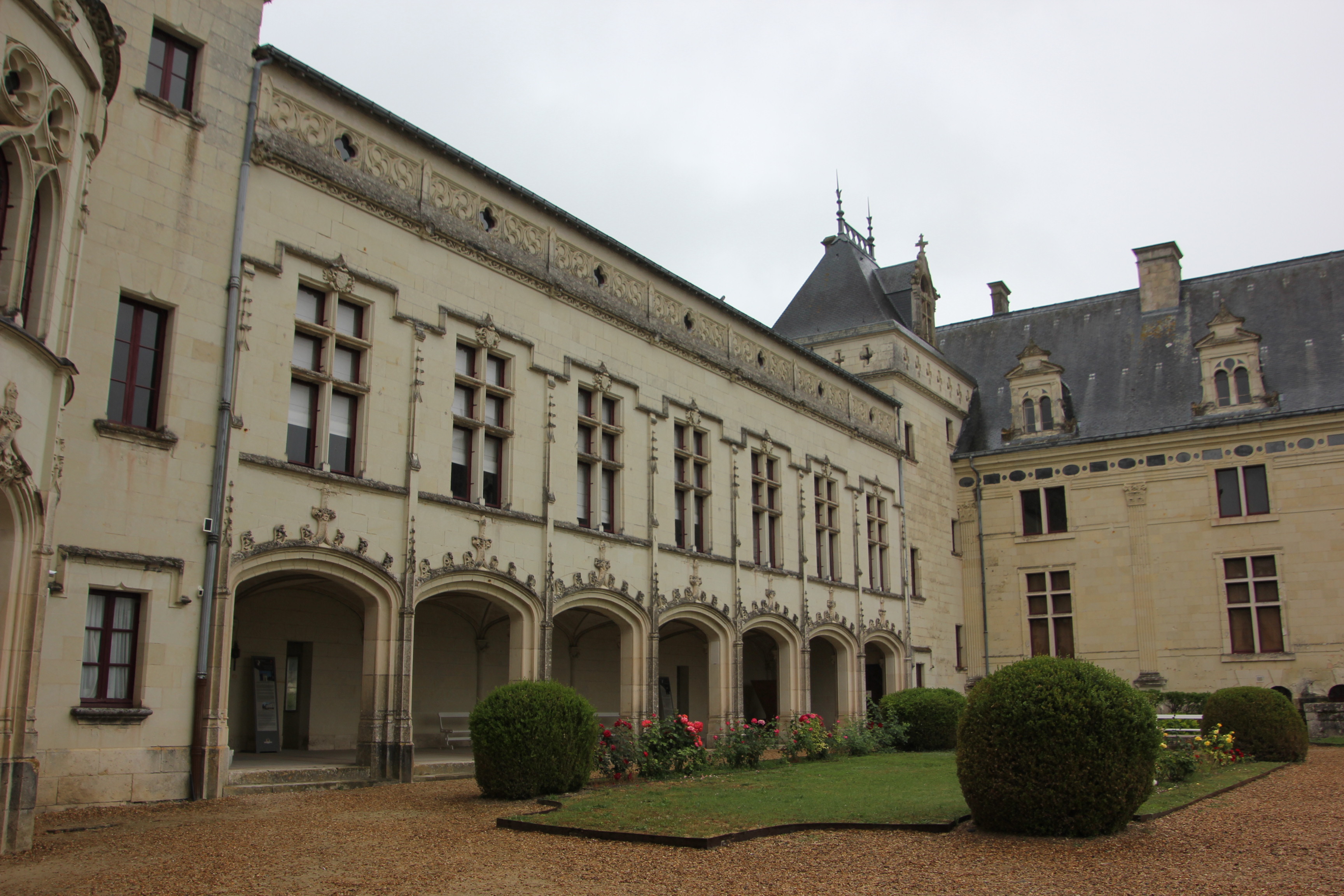
Breze – inner courtyard

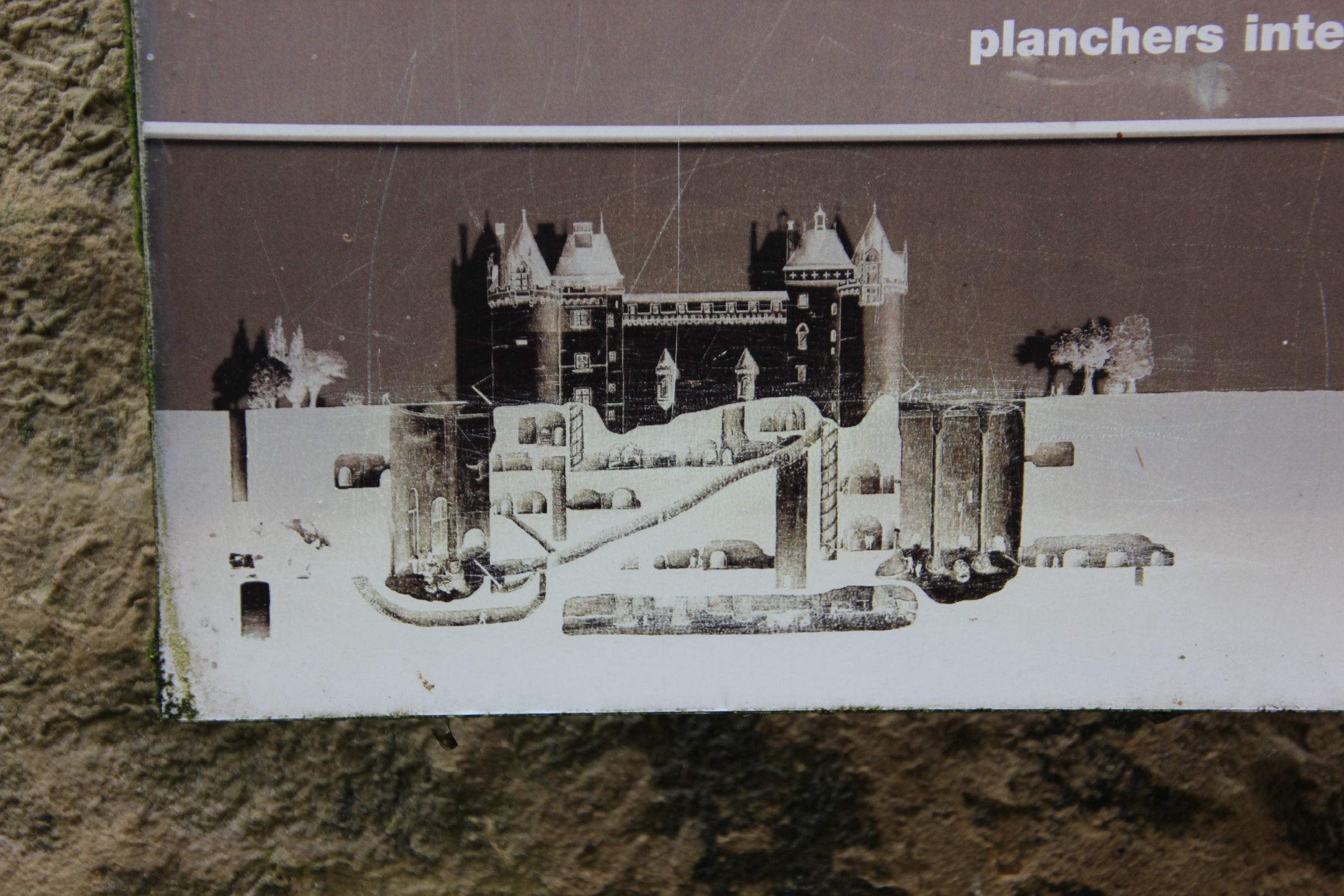
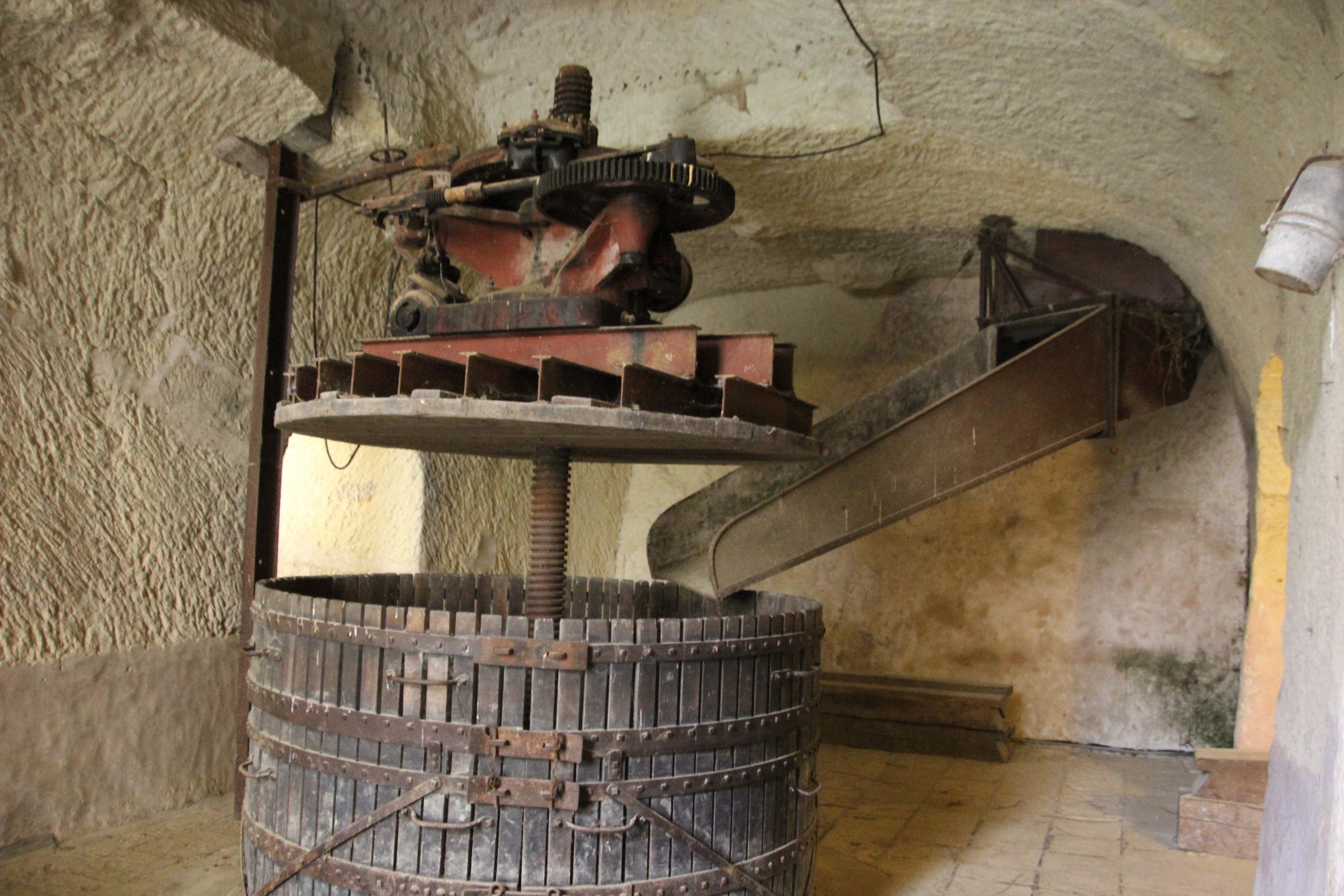
Additionally, there was a dry moat around the castle that opened up even more caves and passages on the land side of the moat. This is where much of the Chateau’s wine was produced, the silk worms were farmed and the bread was baked.

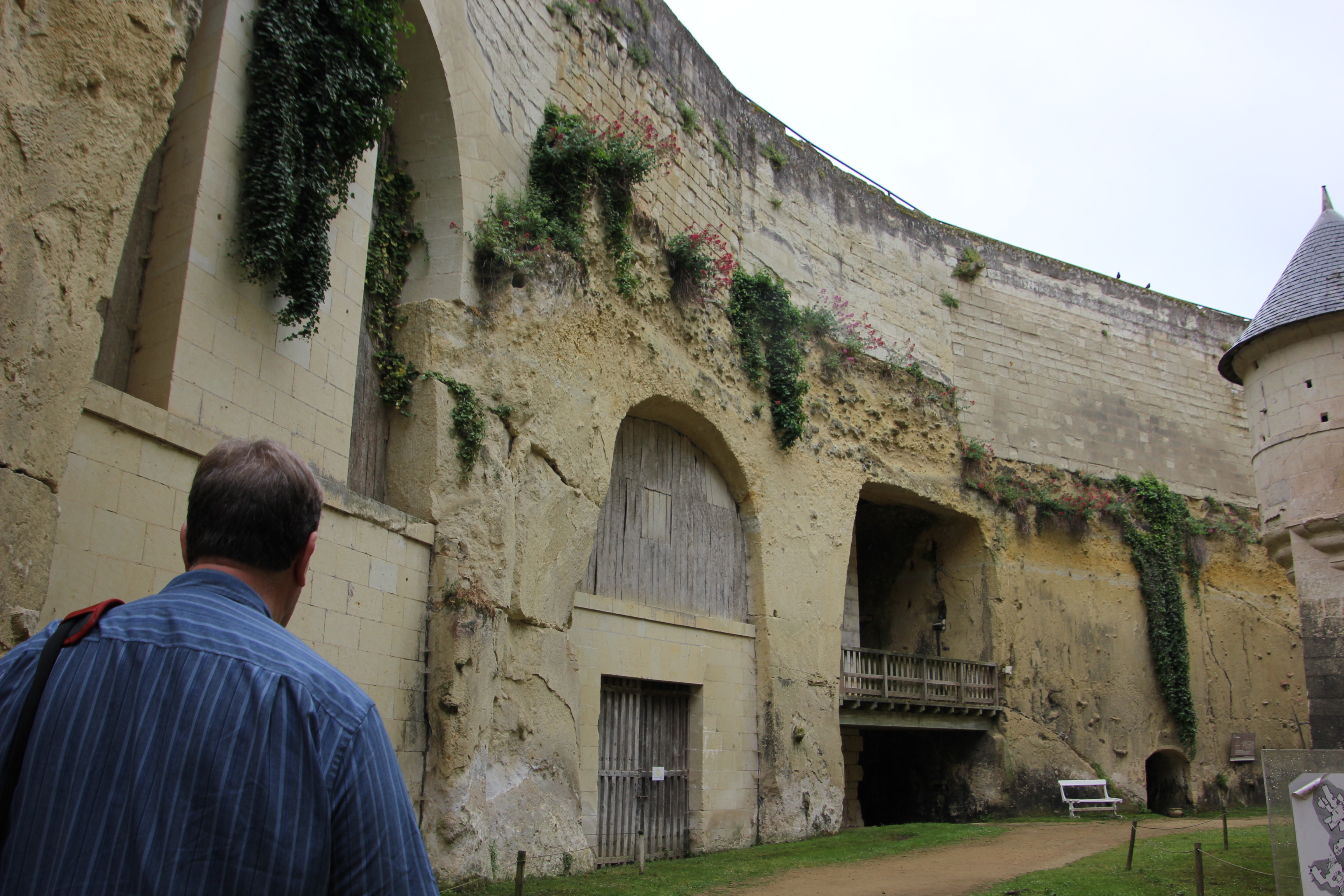
Looking up at the drawbridge from the bottom of the moat.
A map of the underground system
Wine making until 1976
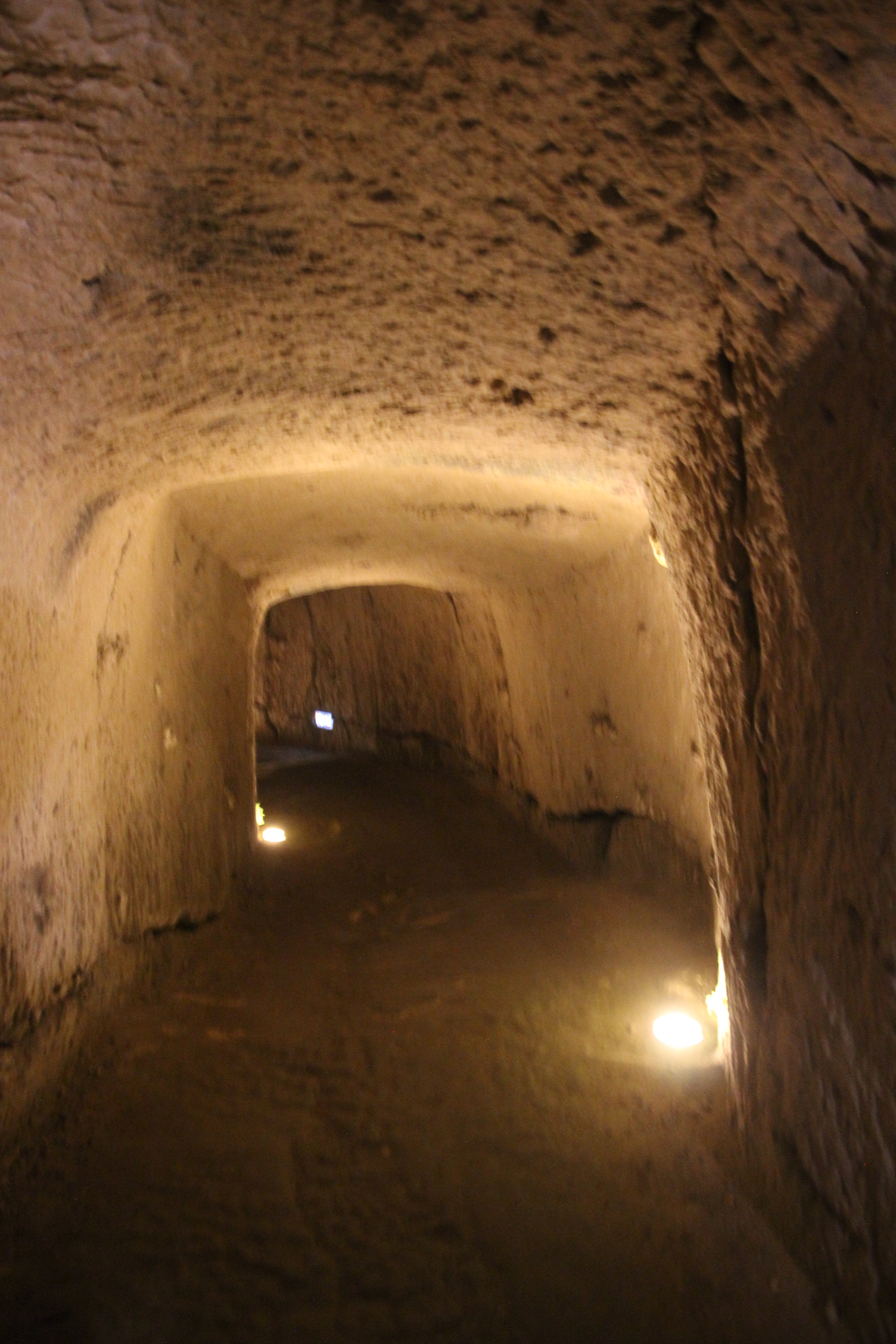
Part of the tunnel system
The dry moat and caves

We had hoped for a wine tasting at the Chateau, but we were too early in the season. The family that owns the castle continues to produce the Saumur Blancs (white wine). So we left looking for food. We stopped at a roadside restaurant advertising local food. We ordered the formulaire – an appetizer, main and dessert for 16 euro. We understood that we would get a salad, the chef’s meat cut of the day and a mystery dessert. The waitress told us it was “golf” which made no sense to me, it wasn’t written down so I couldn’t read the word and the waitress spoke no English. The food was delicious and plentiful. The meat was a steak the size of my full hand and fries (of course with a sauce) and it turns out the dessert was a waffle (gaufre) with ice cream, chocolate sauce and whipped cream. It was a treat and influenced our decision to eat a salad (with left over steak) for supper.

Gaufres are delicious!

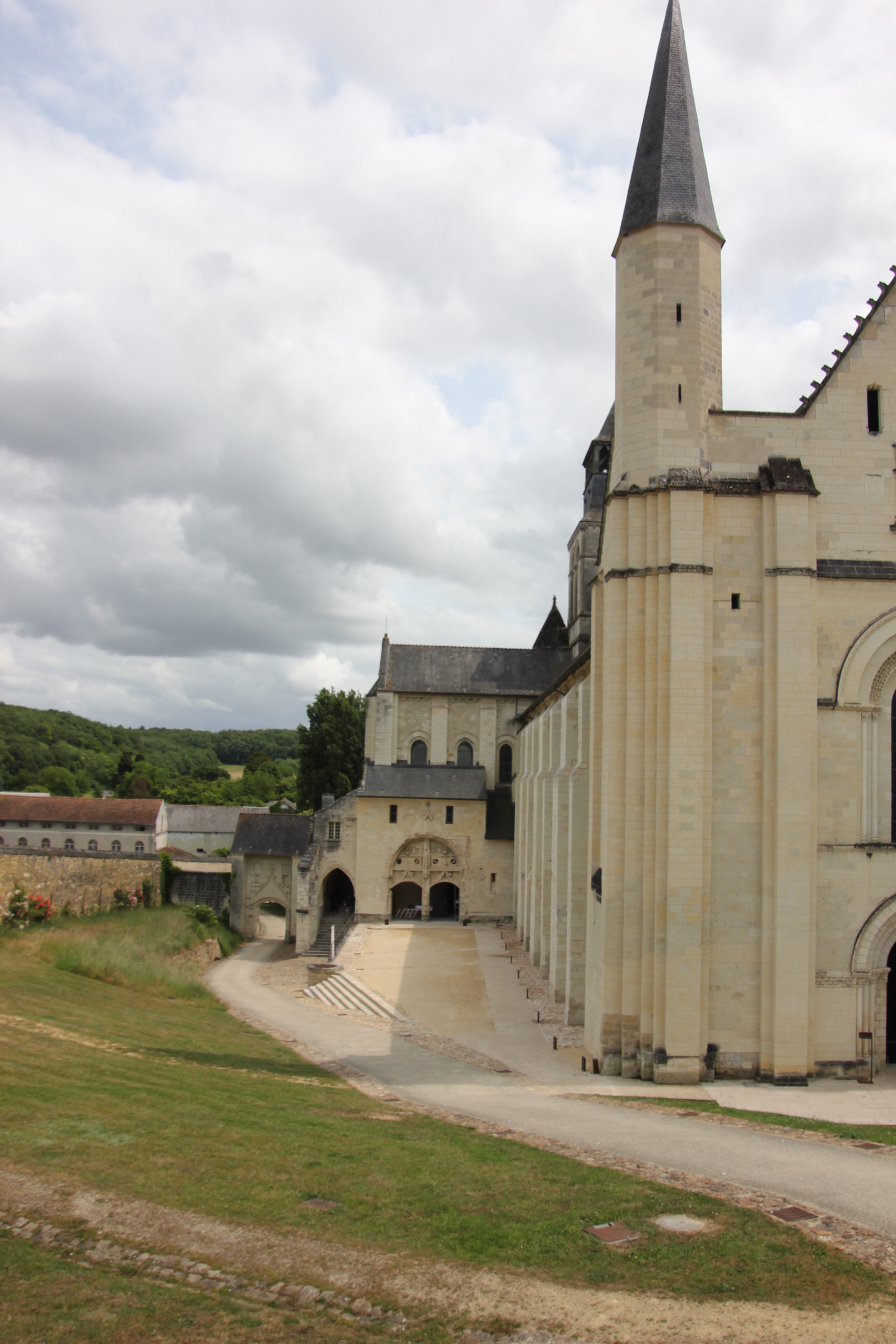
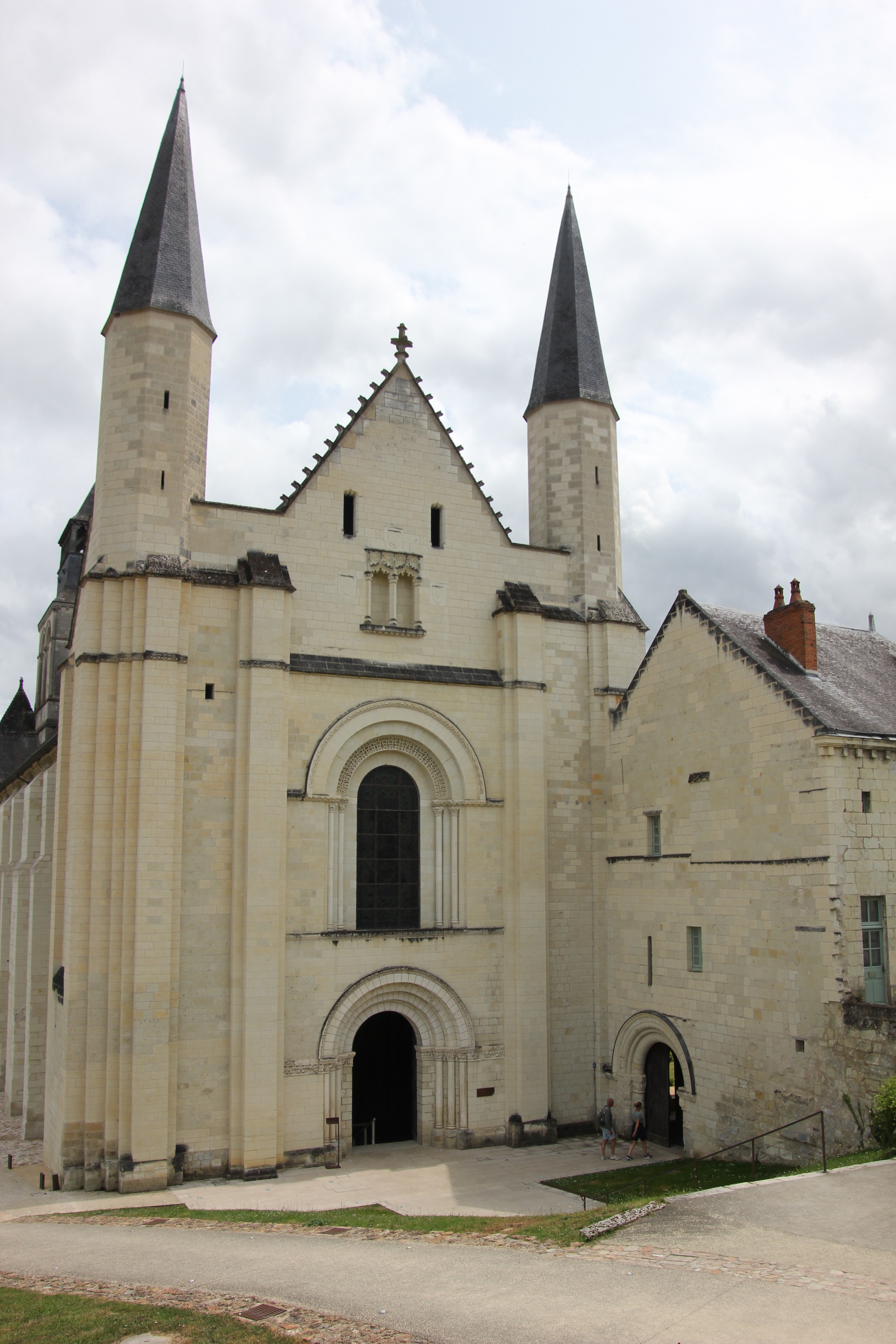
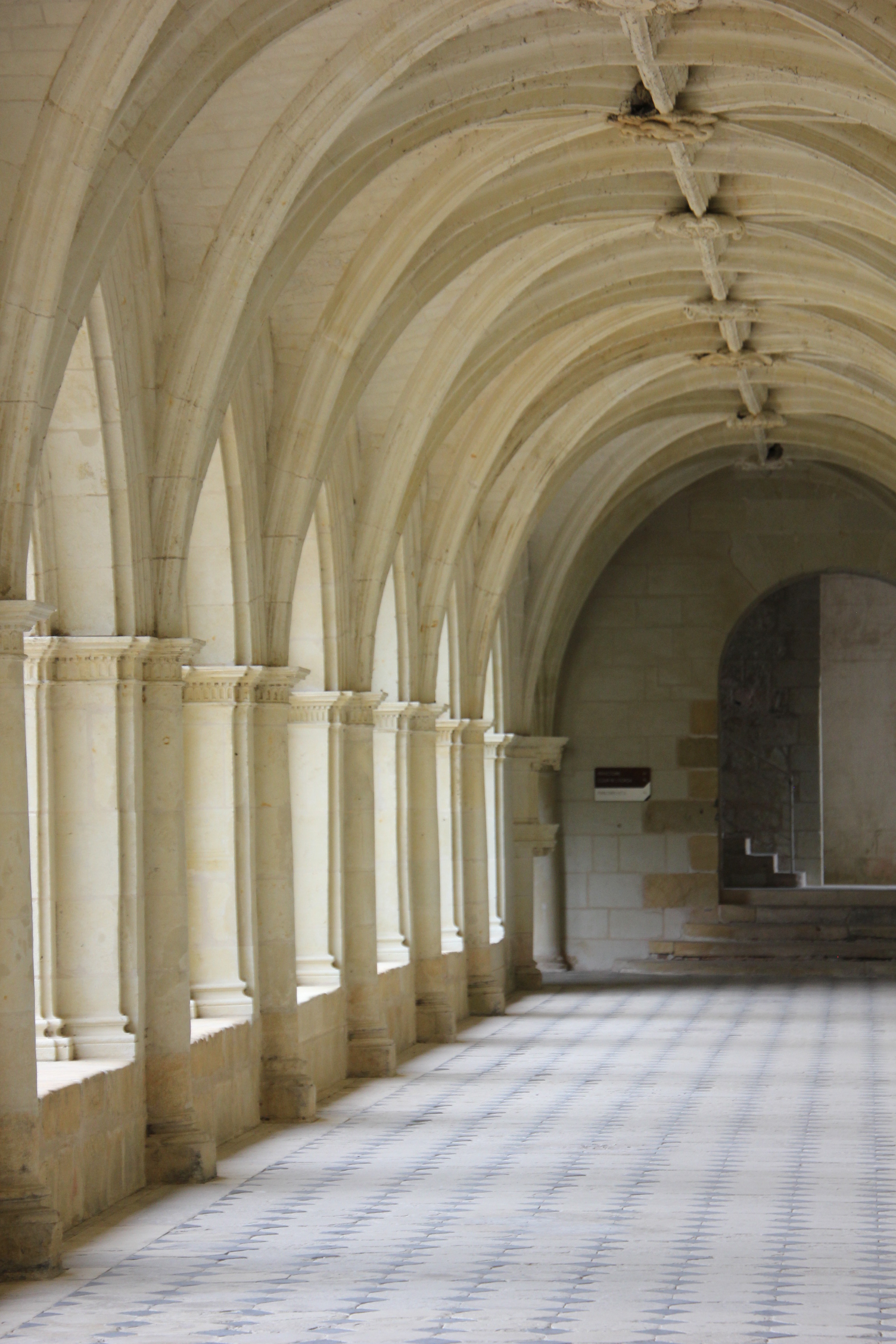
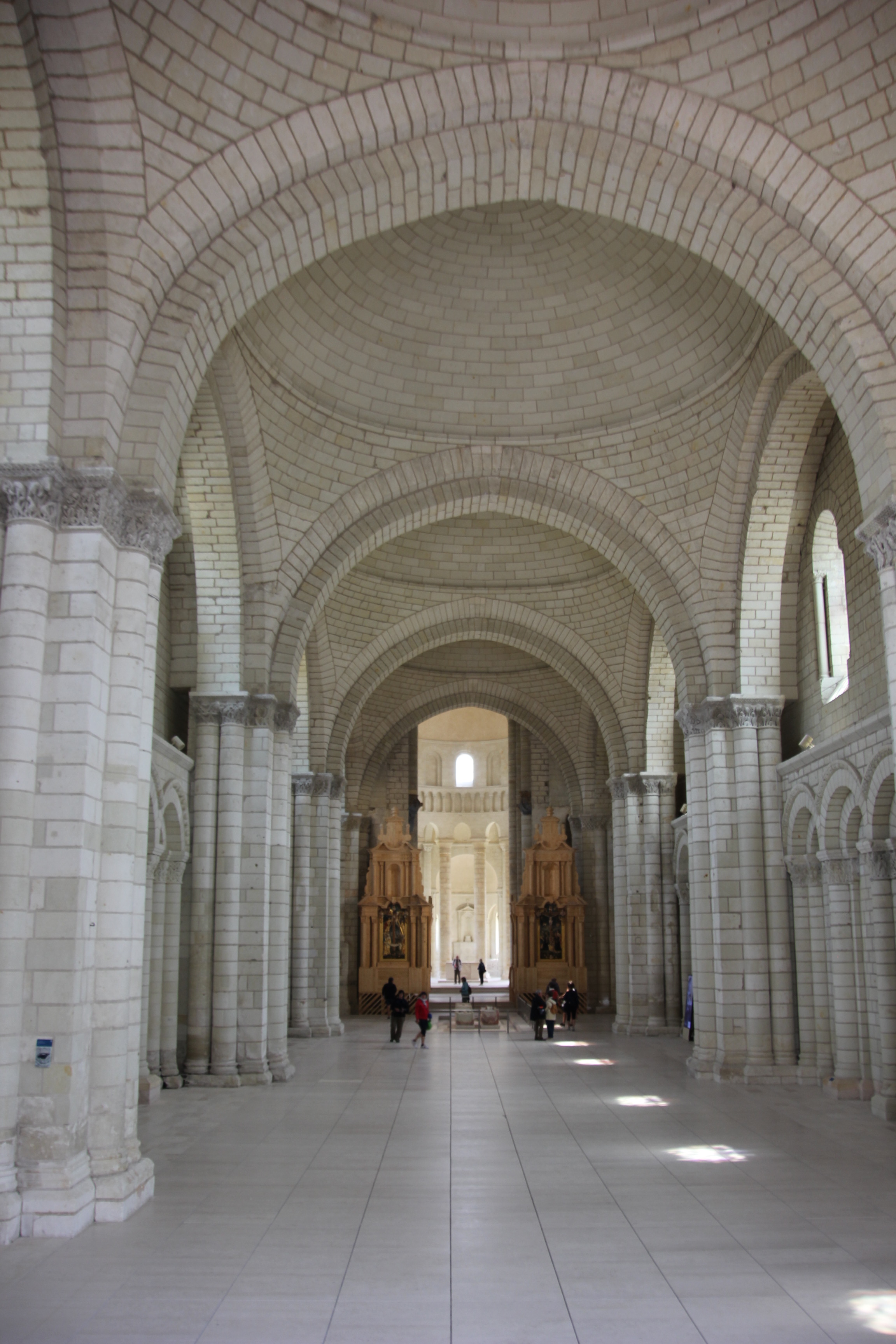
Our afternoon adventure continued to Fontevraud Abbey. This massive monastery was founded in 1101 by a preacher named Robert d”Arbrissel. He was a charismatic man who lived a very strict lifestyle. He grew a following and eventually created a double monastery supporting both men and women in separate parts of the abbey but the Abess of Fontevraud was in charge of everything. His efforts were supported by a land grant from the count of Anjou and his community was recognized as a religious order by the pope in 1106. The religious participants followed the Rule of St. Benedict (I.e. silence, good works, food and clothing). In 1117 there were 3,000 nuns in the community.

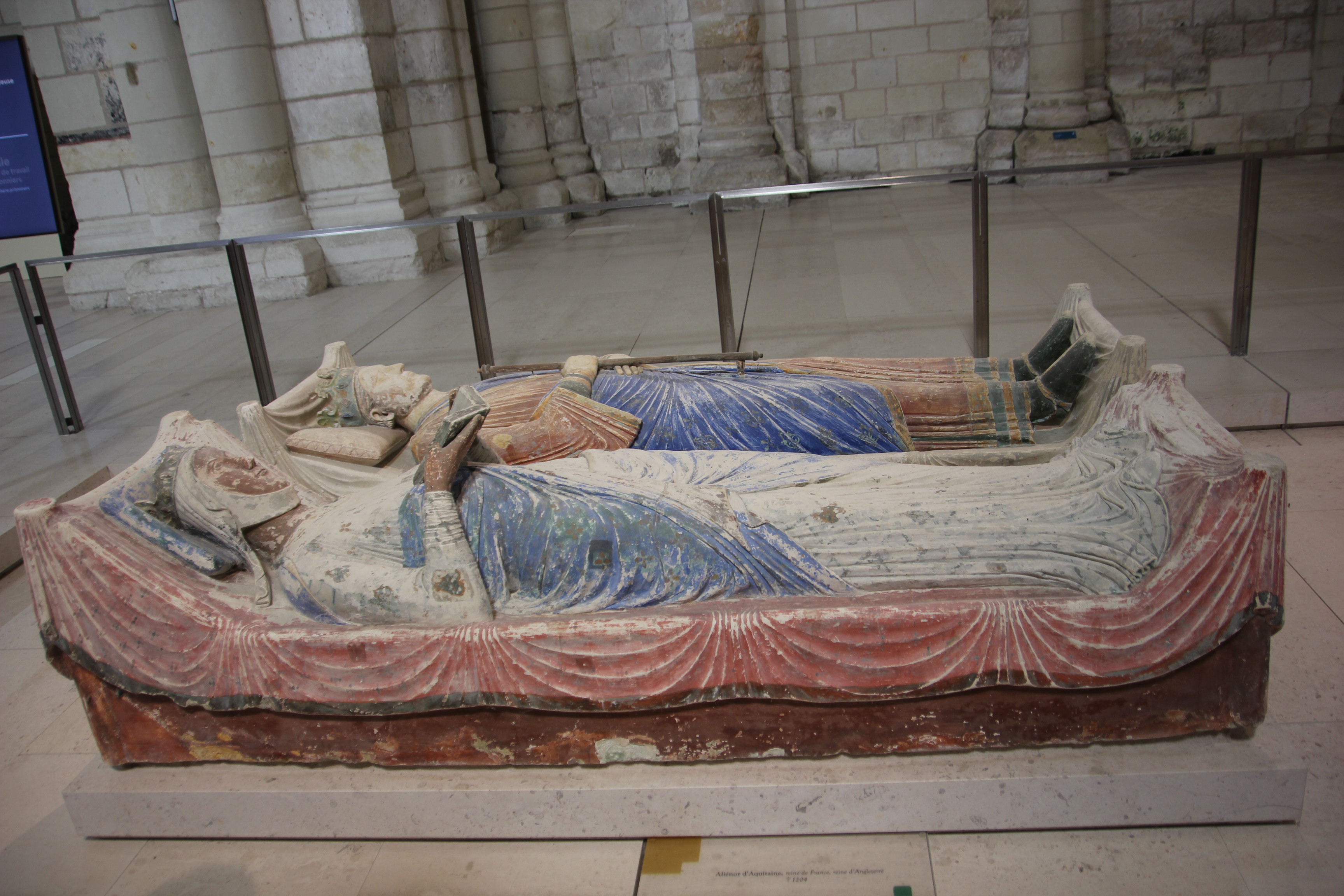
The abbey is located in what was known as the Angevin Empire. Eleanor (Alienor)of Aquitaine, her husband Henry II, their son, Richard the lionheart were all buried here at the end of the 12th century. Eleanor was the Queen of France from 1137-1152 as the wife of King Louis VII until their marriage was annulled due to her not producing a male heir. A year later she married Henri II and became Queen of England from 1154-1189 as the wife of Henri II. She was one of the most powerful women in Western Europe during the high Middle Ages but Henri had her imprisoned for supporting her son in a revolt against Henri in 1173. She was released when Henri died and she acted as regent when her son Richard was away on campaigns. She chose Fontevraud as the final resting place for the Plantaginets. During the French Revolution the Abbey was sacked and the tombs vandalized. Human remains were exhumed and scattered and have never been found. Somehow these four effigies survived and were restored to their current resting place.

Eleanor & Henri II

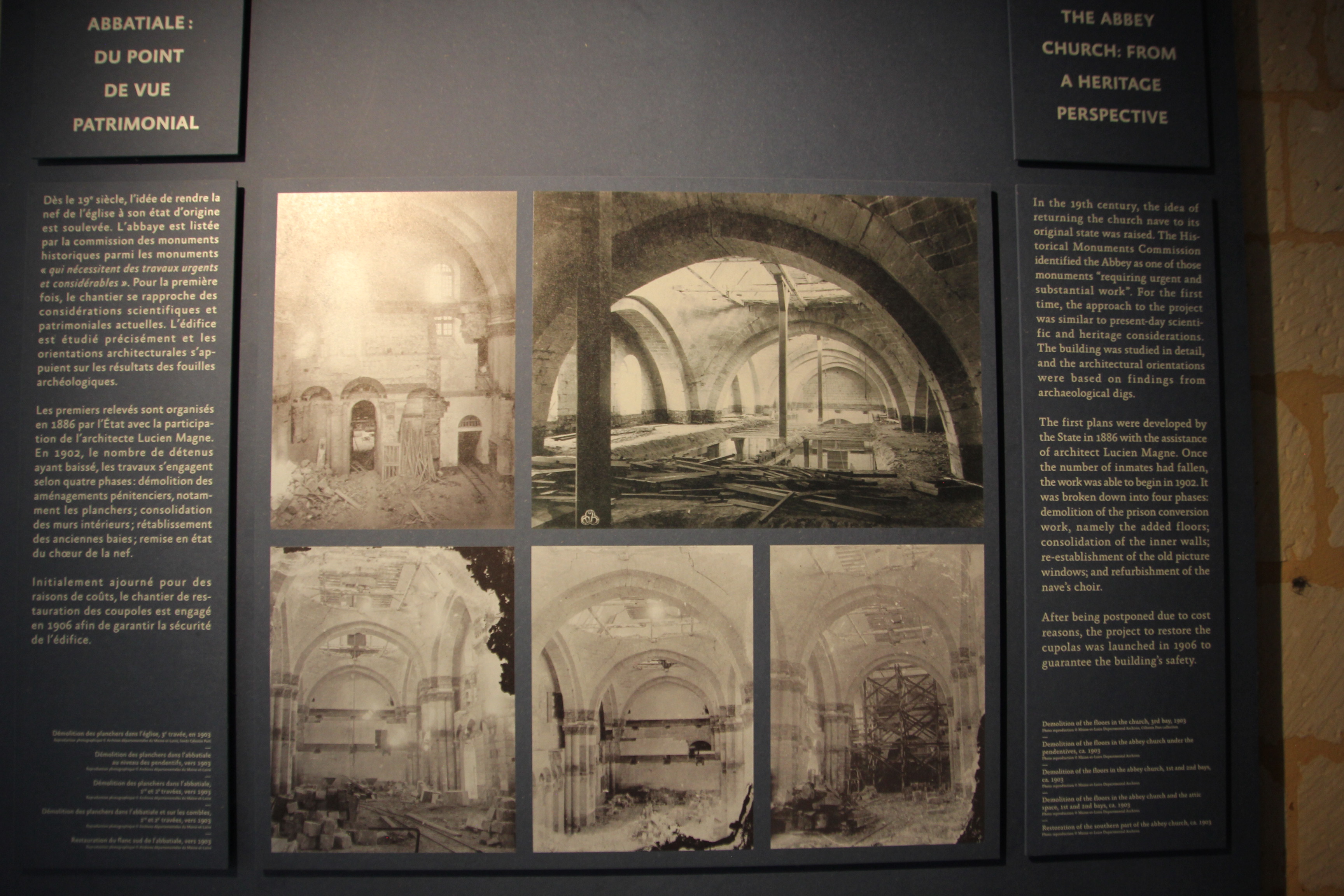
The Abbey functioned with lots of ups and downs for over 700 years until the 1792 order after the French Revolution when Abbeys were disestablished. The site experienced significant damage due to being quarried for stone for other building projects and being turned into a prison. Ironically, its function as a prison saved the site from total demolition. It continued as a prison from 1804-1963.

The disaster from the prison days
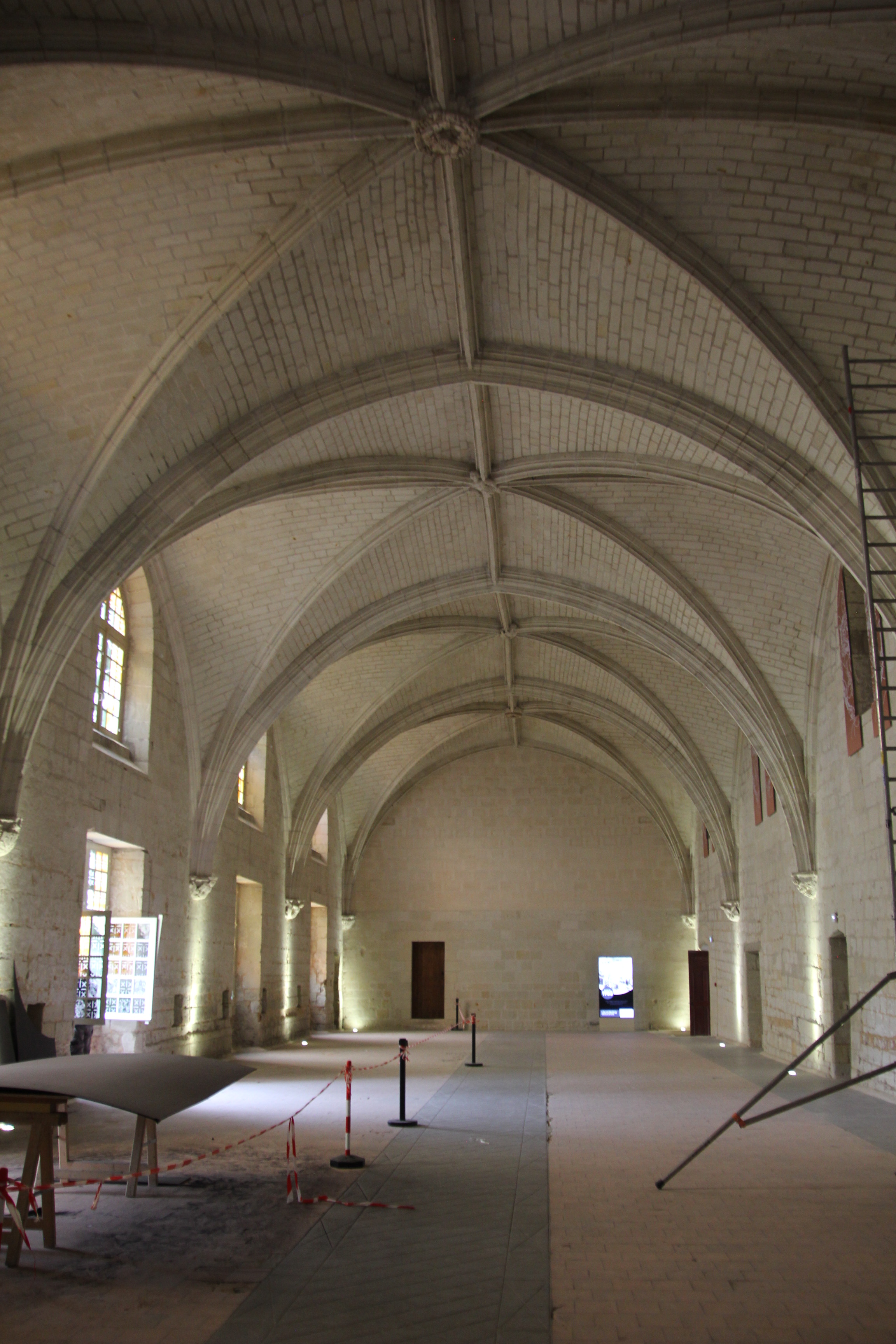
What it looks like restored – work on going

Some restoration work began around 1903 but the serious work began after it was declared a cultural heritage site in 1975. The site is massive and simple in style. It is also an active event centre. There was a conference happening while we were there. It was clear from the information provided that the site needs to generate significant income to keep it going.

We were tuckered out after a big day of wonder and awe. We found a grocery store and stocked up on our veggies and wine before heading into our home in La Chapelle-sur-Loire for a quiet evening of blogging and laundry.

Dijon to the Loire Valley

04 Wednesday Jun 2025

Posted by travelswithannmarie in Uncategorized

≈ 2 Comments

Tags

adventure, europe, france, paris, travel

We left our cruise ship at 8:30 am and took a cab to the train station. We had purchased our 9:13 tickets online the day before and we found ourselves with lots of time to spare, so, in my best French, I asked if we could take the earlier train. The ticket seller didn’t even switch to English, so, feeling empowered we got on the earlier train. The trip was an easy hour long ride and we navigated the Dijon train station easily and found our car rental. We got everything sorted out and got on the road. Thank goodness for GPS in English! Dale and Greg shared the driving while I knit in the back seat. The scenery was wonderful and we didn’t get lost too many times. There are thousands of traffic circles in France and both Dale and Greg know how to drive them like the French! We stopped for lunch after looking for a chateau to visit. We got the name wrong and never did find the castle but we did find a great Turkish donair place. Of course it took us longer than we expected to get to our destination.

We stopped at a grocery store to get some supplies and thought it would be a great time to find a washroom. Not to be found! You can’t rely upon gas stations to have restrooms. So, as it was becoming more important we checked in with the Waze app and asked where the nearest bathroom was. They gave directions to a place 400 metres away. It was an amazing stop.

Notice the people cut out – the entrance to the washroom
Mennetou building

The bathrooms were modern, clean, free and accessible in this medieval looking community. What a lifesaver. Mennetou-sur-Cher dates back to the 13th Century but sure knows how to support modern travellers.

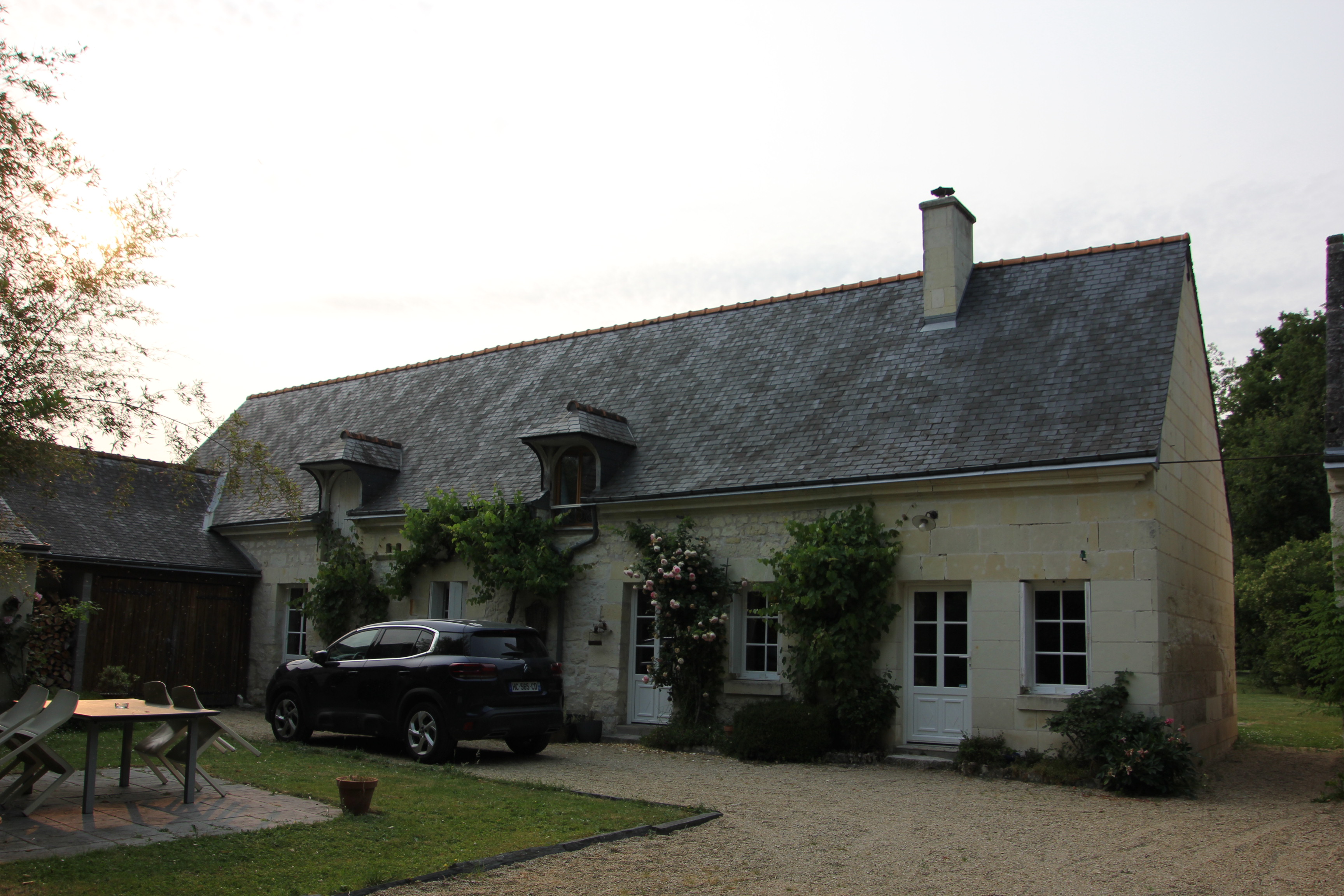
We arrived with little difficulty at our first VRBO. It is delightful and we enjoyed exploring the grounds before heading off to bed.

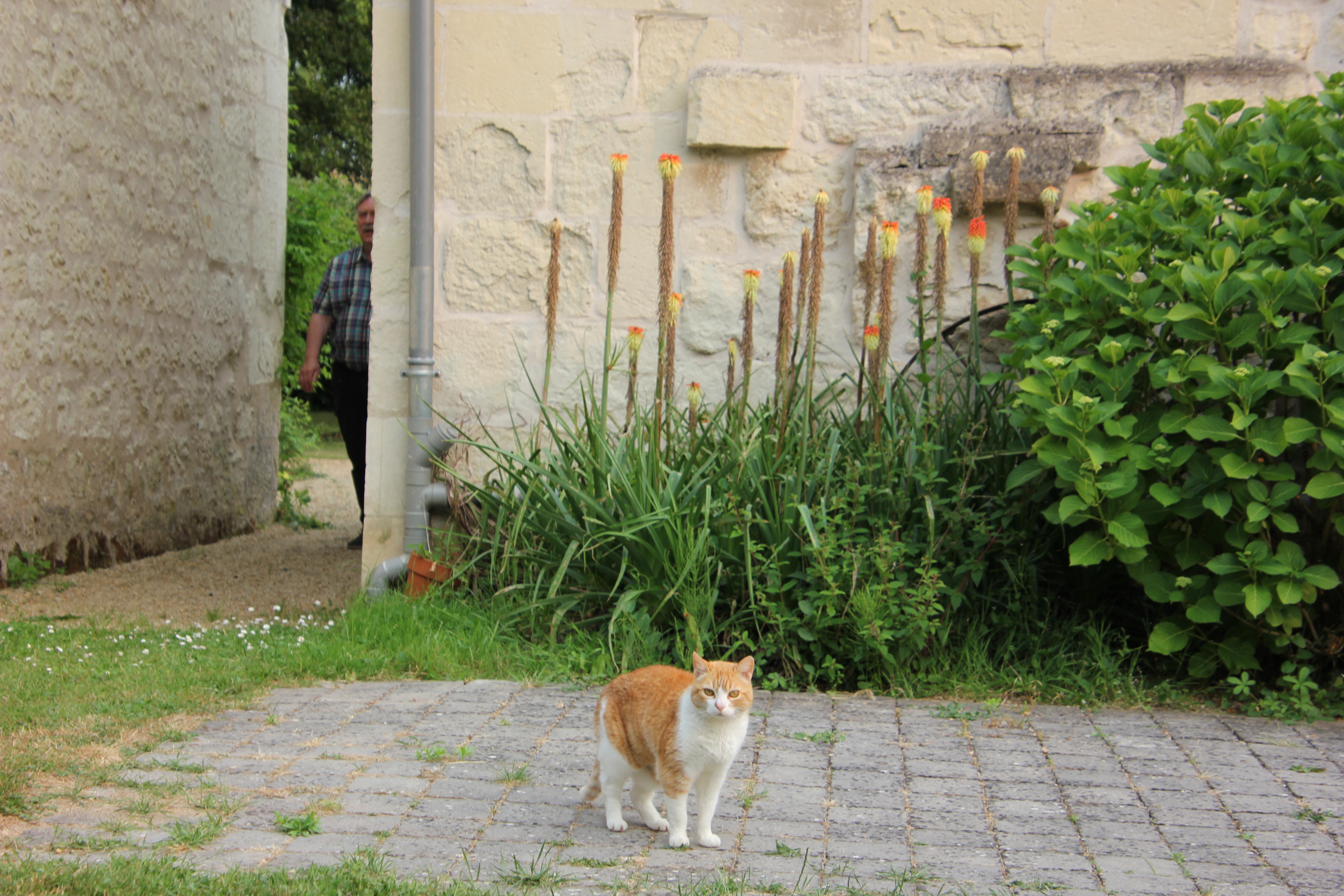
Our housemate was waiting for us.

We have a big day of sightseeing planned for tomorrow. Stay tuned.
Tournus

04 Wednesday Jun 2025

Posted by travelswithannmarie in Uncategorized

≈ Leave a comment

Tags

europe, france, travel, wine, wine-tasting

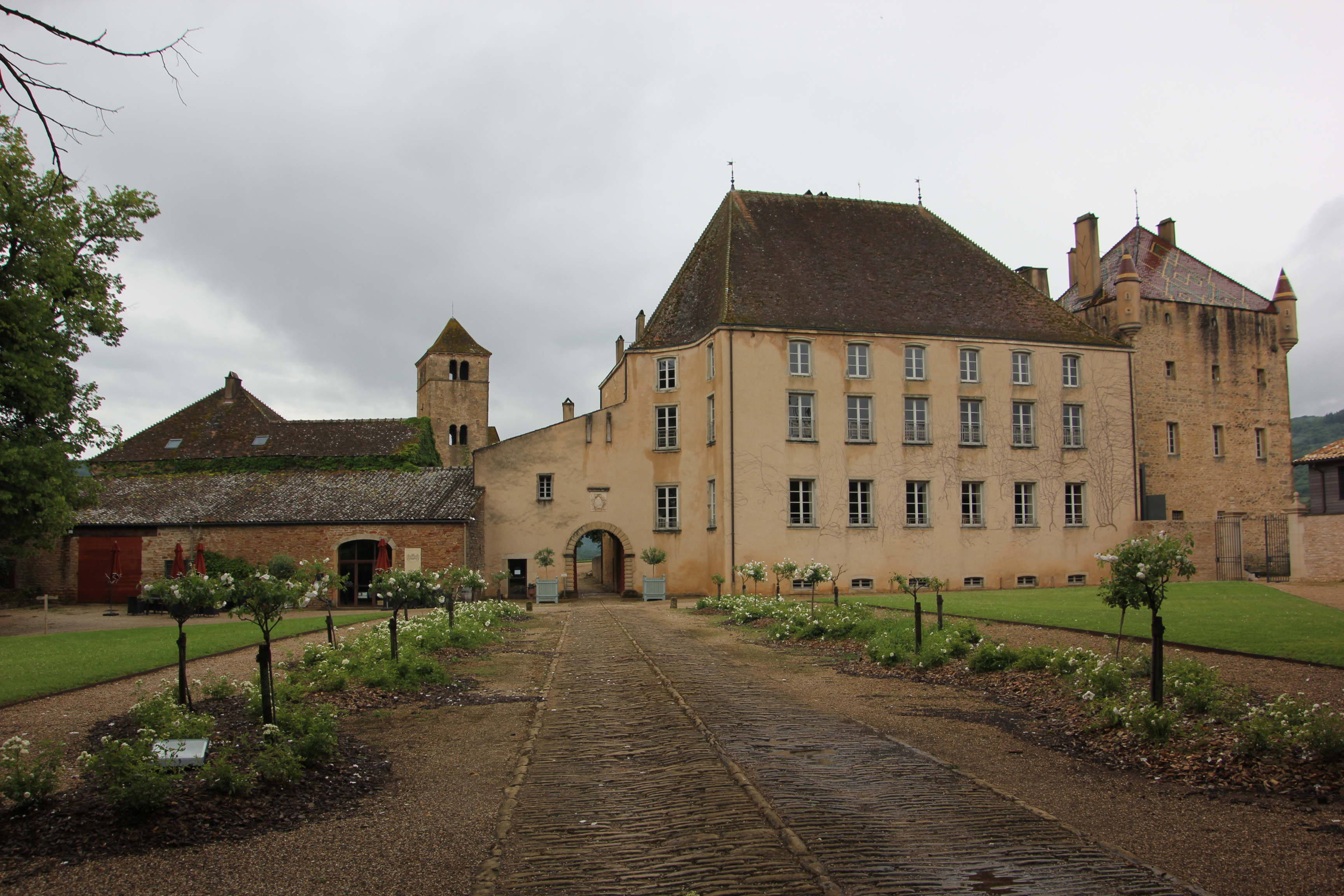
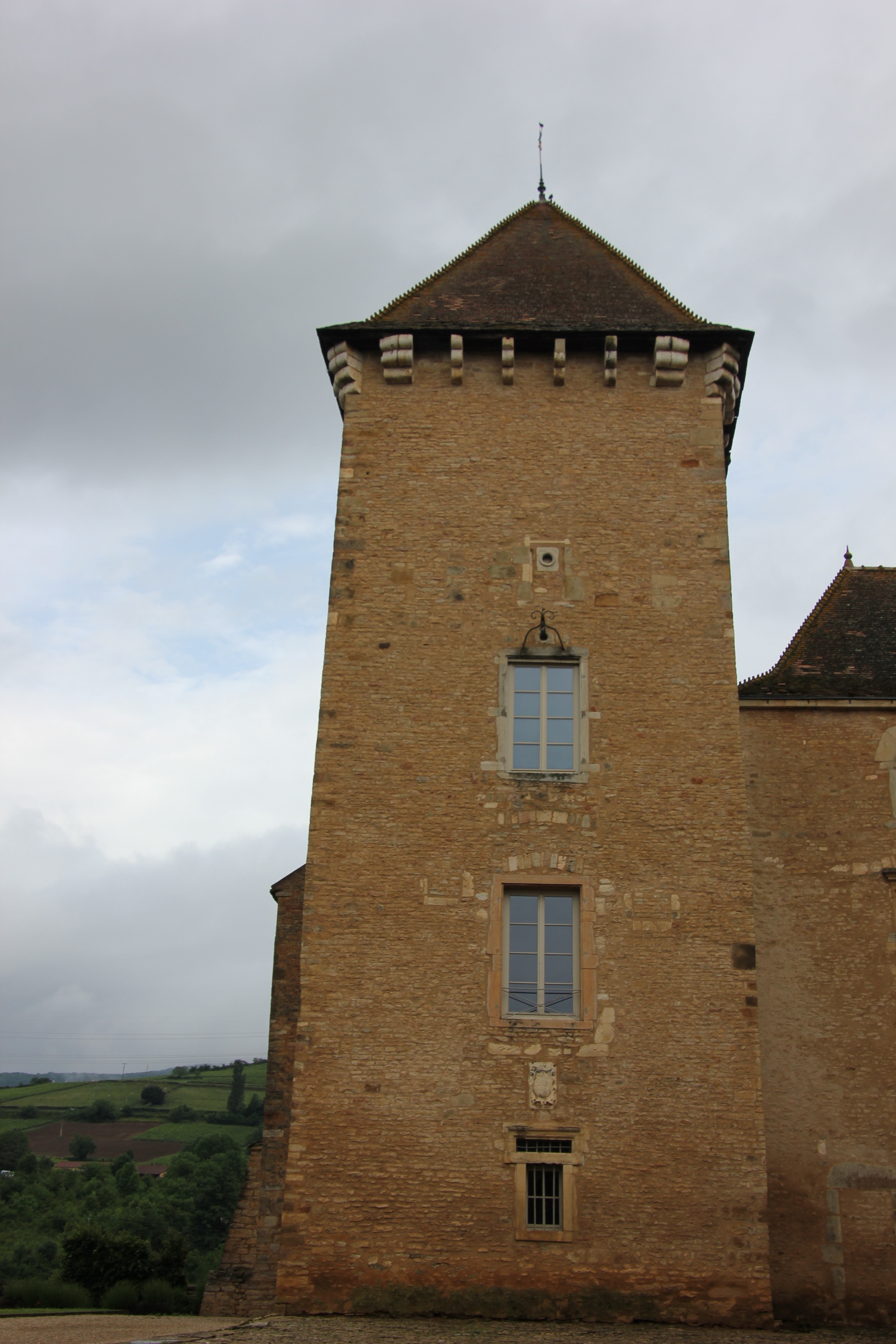
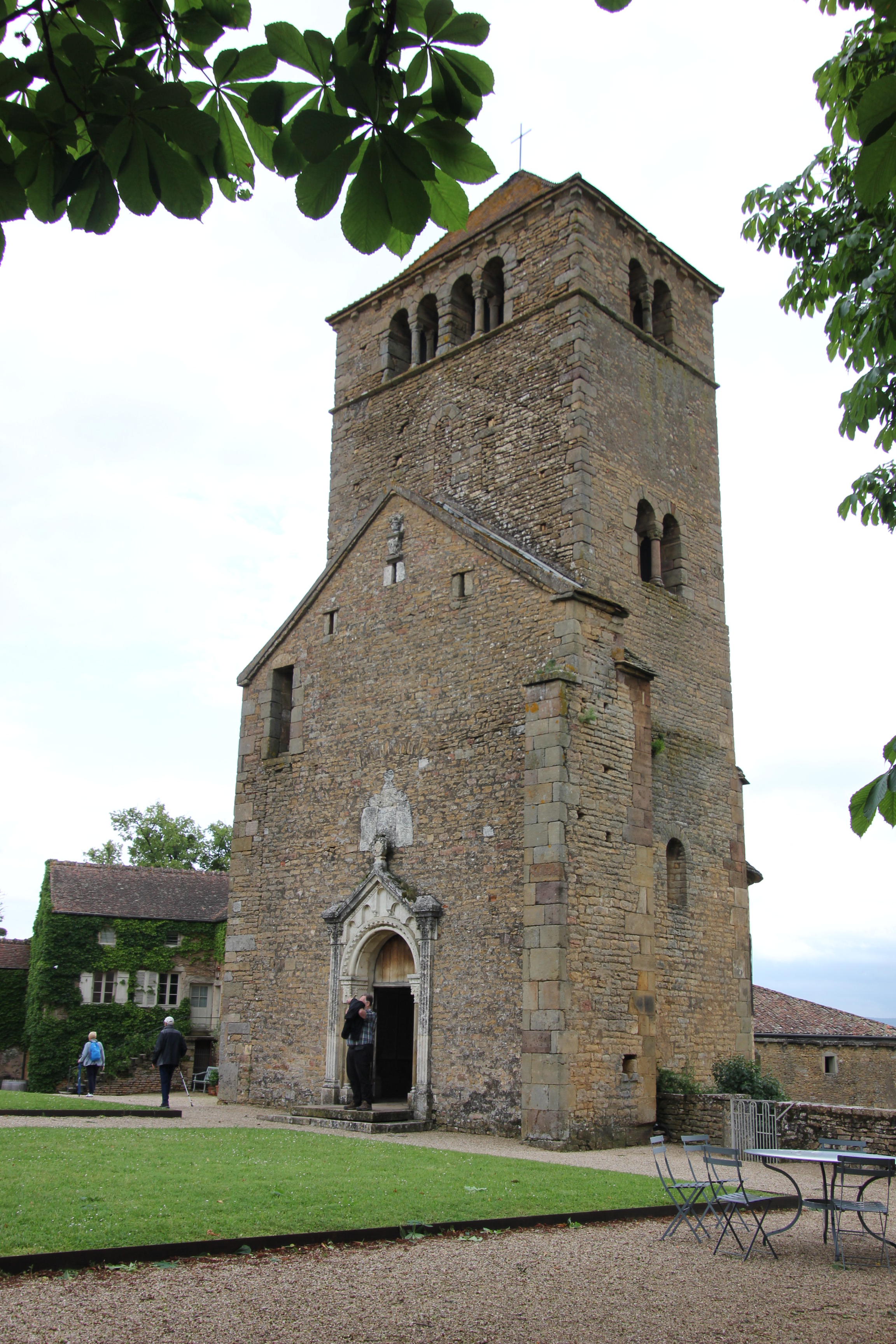
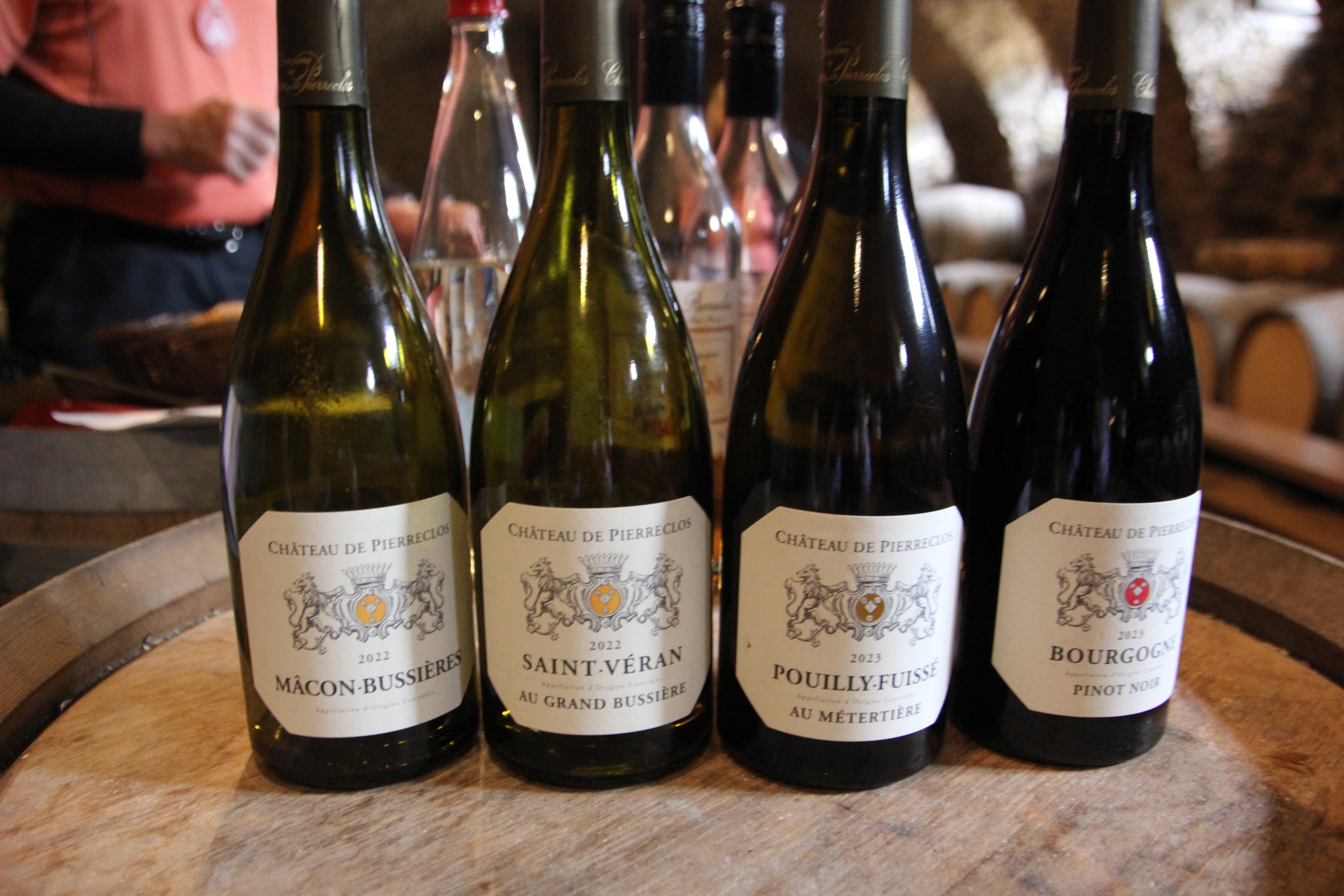
We left Lyon and sailed overnight to Tournus. We got off to a quick start with a trip to a vineyard in the Macon area. This is Chardonnay country in Burgundy. Our guide was enthusiastic about describing the countryside we travelled through. Did you know that towns founded by Romans tend to be approximately 30 km apart. This is because that is the distance that a legion could travel in one day. The wine in this area is produced by processing Chardonnay or Pinot Noir grapes. 85% of the crop is white wine. She took us to a lovely chateau that dates back to at least the 11th century. The current family has owned the property since the 1980’s and have made it a multigenerational business. Our guide was clear that maintaining these old estates takes a lot of care and financial resources. The current owners run the vineyard, host weddings and social events all while they continue to live on the property.

The dungeon
The 11th century bell tower/chapel

We spent some quality time in the chateau cellars tasting the current owner’s wine. Our guide was very educative and we enjoyed the early morning beverages.

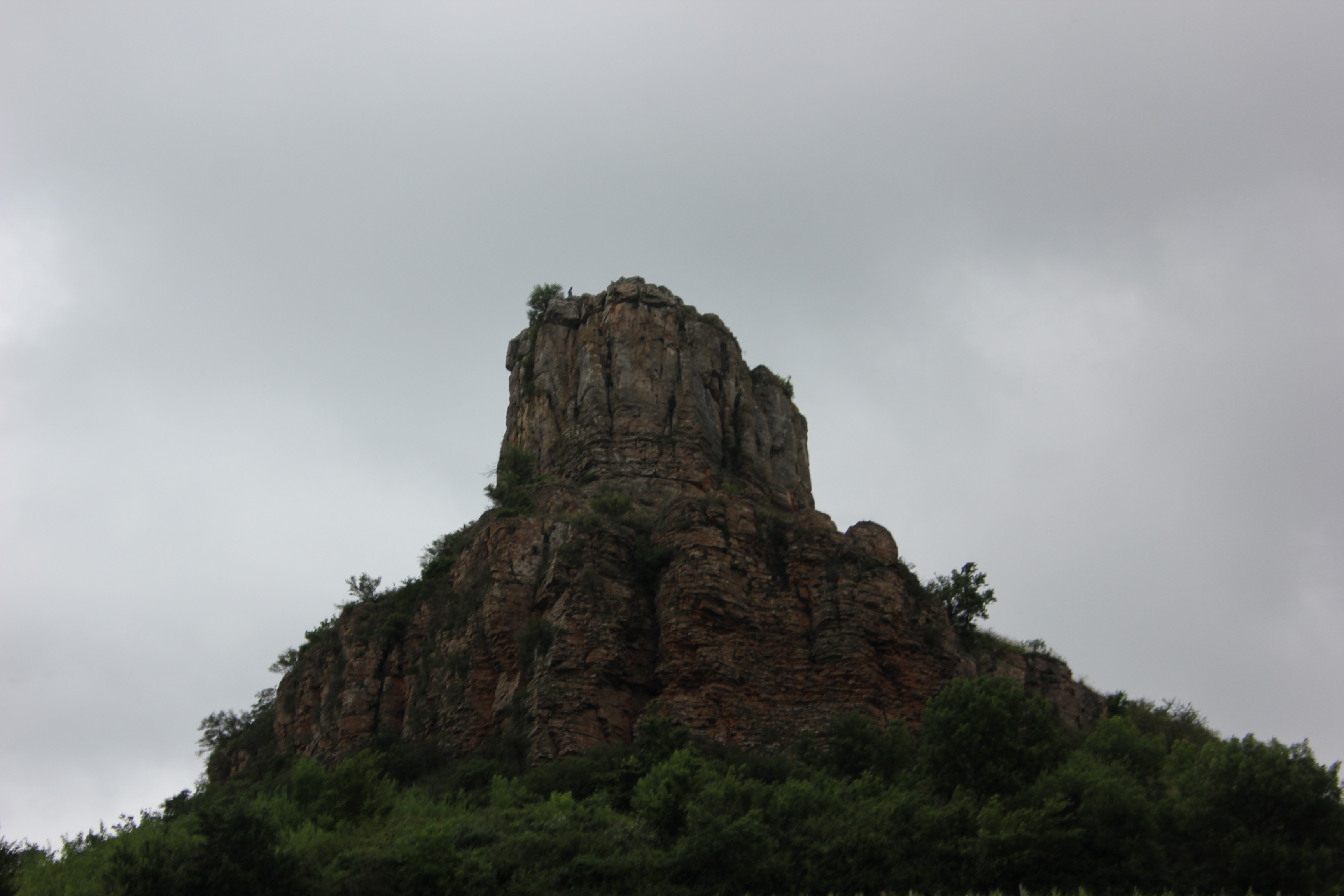
We left the vineyard feeling the need for a bit of a stretch, so our guide took us for a brief stroll to a prehistoric site where we could get out and wander. The Rock of Sulutre is known to have been a hunting ground for prehistoric hunters. It became a much more popular site when President Mitterrand, who was from this area, continued his annual climb of the rock even after he became president.

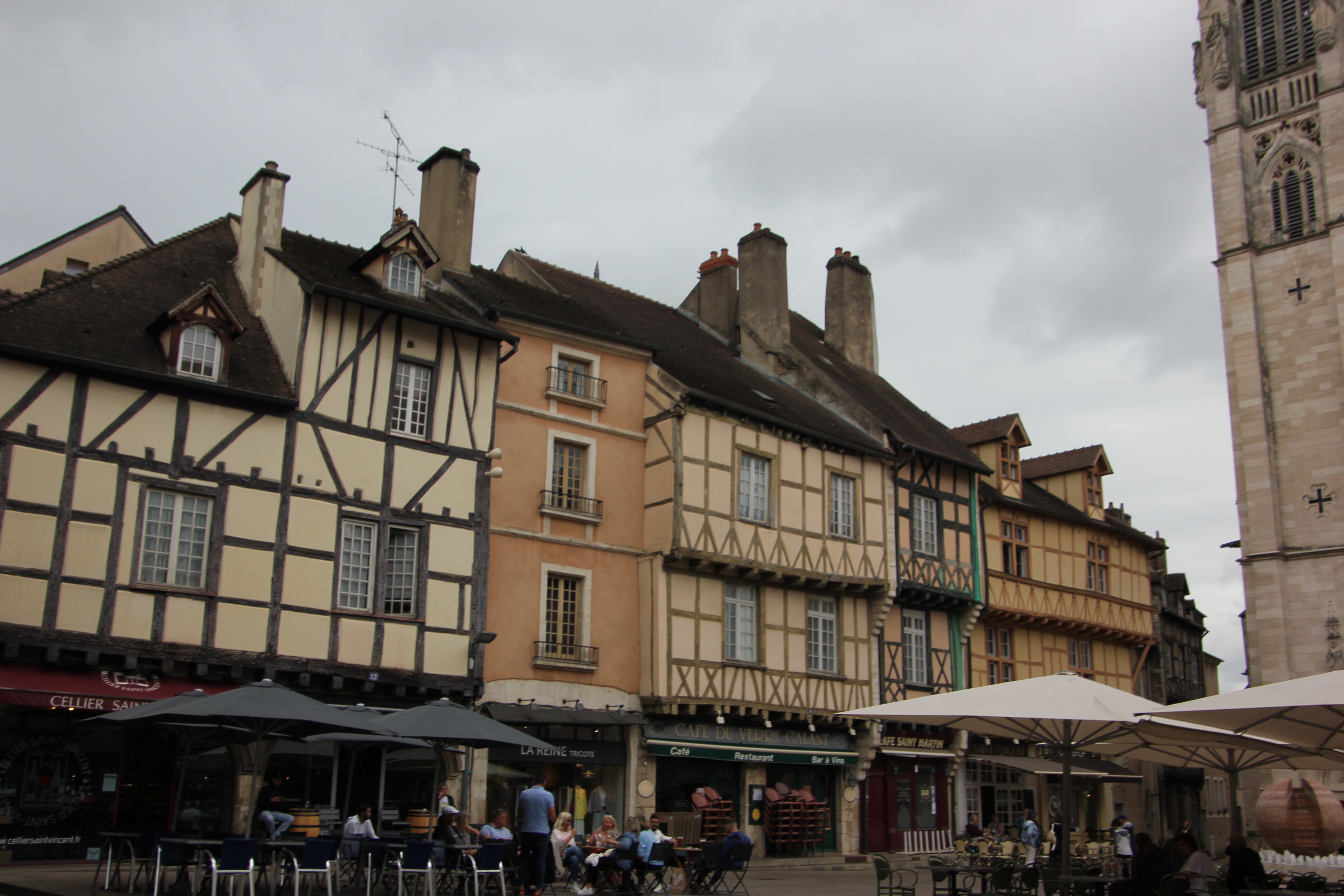
This was our only outing for the day as we continued our sailing to Chalon-sur-Soane, the last stop for our cruise. Chalon is a quaint community with an amazing medieval town square.

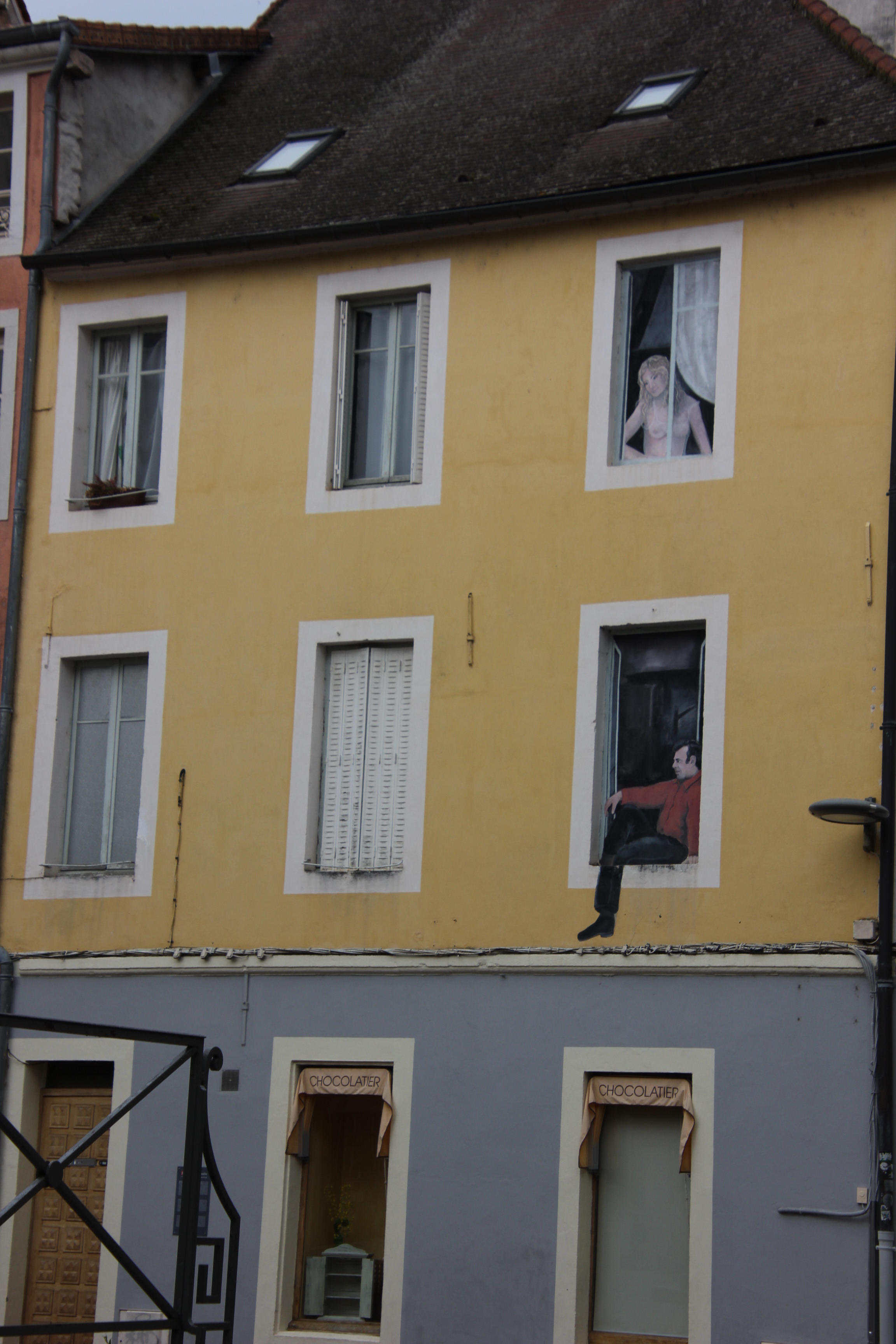
As we wandered the streets, we noticed a tremendous amount of street art.

Trompe l’oeil – only 7/9 windows are real.

We headed back to our boat after a lovely walk and started to prepare to leave the ship. Of course, we needed to experience a bit of stress. We had rented a car that was to be ready for us in Chalon. The car company informed us today that they didn’t have a car for us and that the best they could do was have one for us in Dijon, an hour’s train ride north. We figured out how to book train tickets and settled into a final evening with our travel companions. It was a wonderful cruise and while we are sad to see it end, we are excited to shift into the next part of our journey. Thanks to Cathy and David for making things so easy for us. We are grateful for the time shared with our group.

Lyon

04 Wednesday Jun 2025

Posted by travelswithannmarie in Uncategorized

≈ Leave a comment

Tags

europe, food, france, lyon, travel

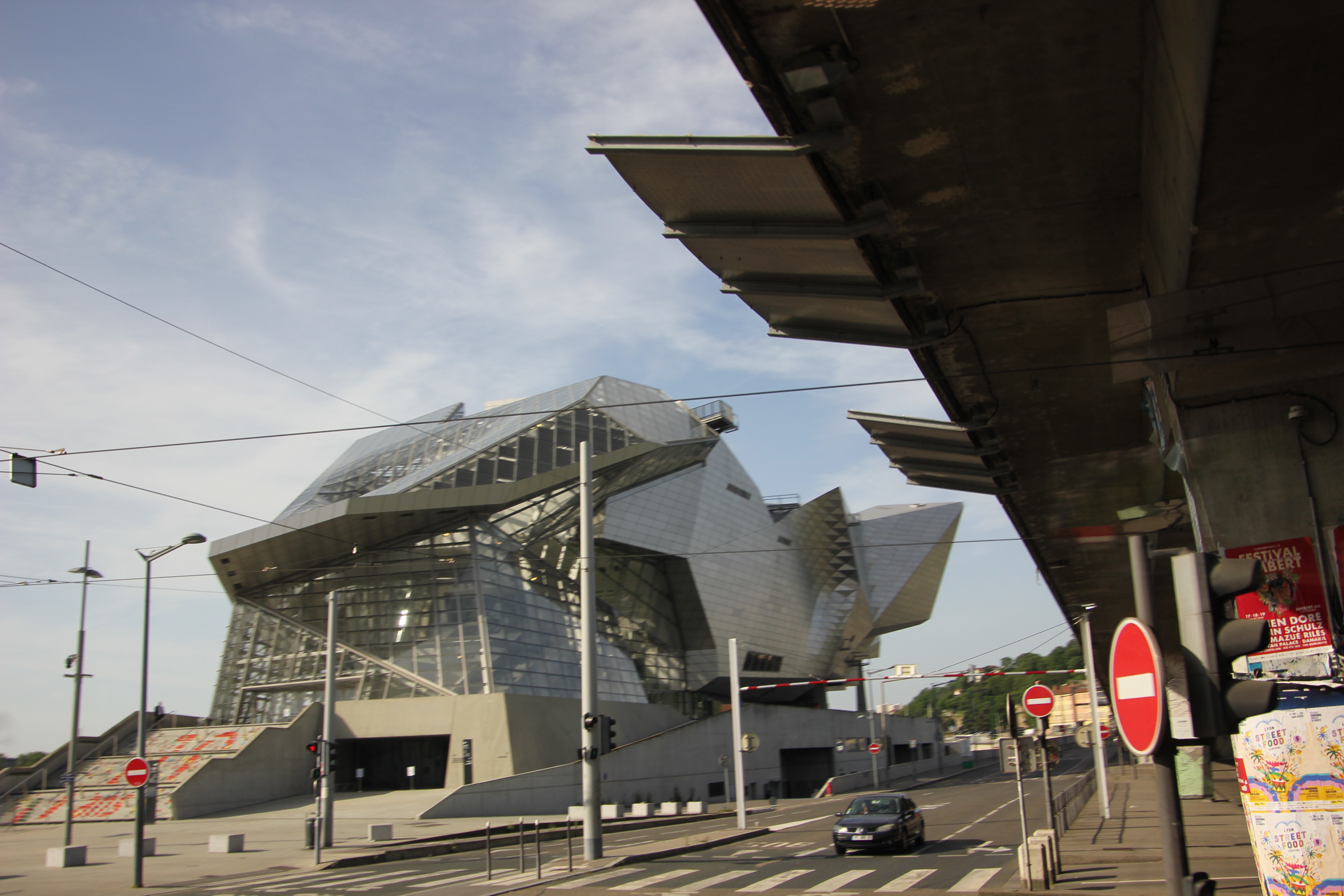
Lyon is the second or third largest city in France depending on how you calculate it. While Lyon itself has 600,000 people, it grows substantially when you consider the metropolitan area. It is a bustling city filled with new, innovative approaches to living while still hanging onto its heritage. It lies at the confluence of the Rhone and Soane rivers and had recently opened a natural history museum called the musee des confluences. We studied this in our French class a few months ago and it was fun to see the actual building.

Lyon is an ancient city. The Celts settled on the eastern hill of Lyon long before the Romans settled in 43 BC. Claudius was the first Roman emperor born in Lyon and a succession of powerful Romans ruled the area until the 3rd century. The Roman presence is still alive in Lyon. For example, a Roman theatre was discovered in 1933 and is used today for performances, most notably the Nuits de Fourvière festival which brings in musical performers from around the world for two weeks in the summer.

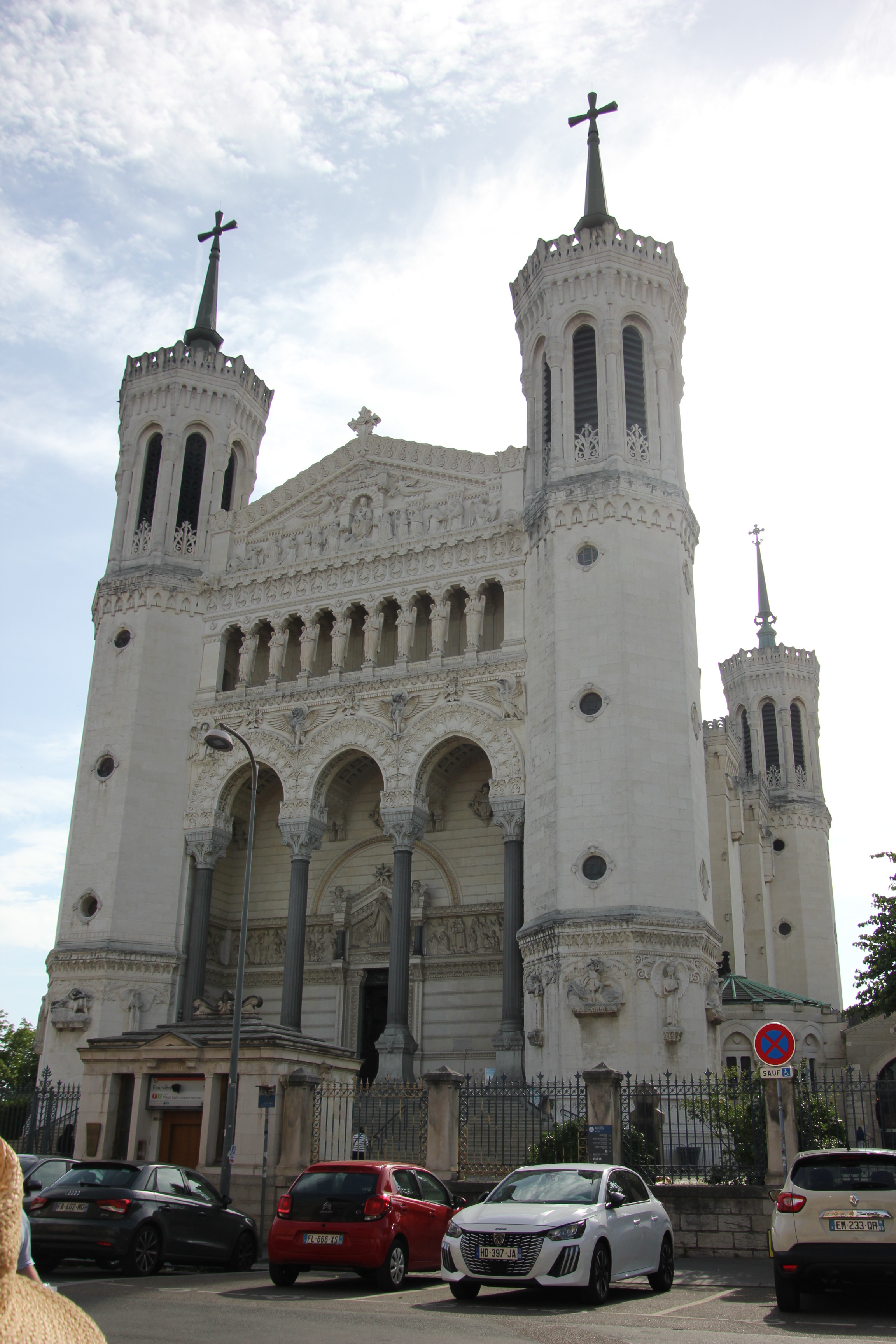
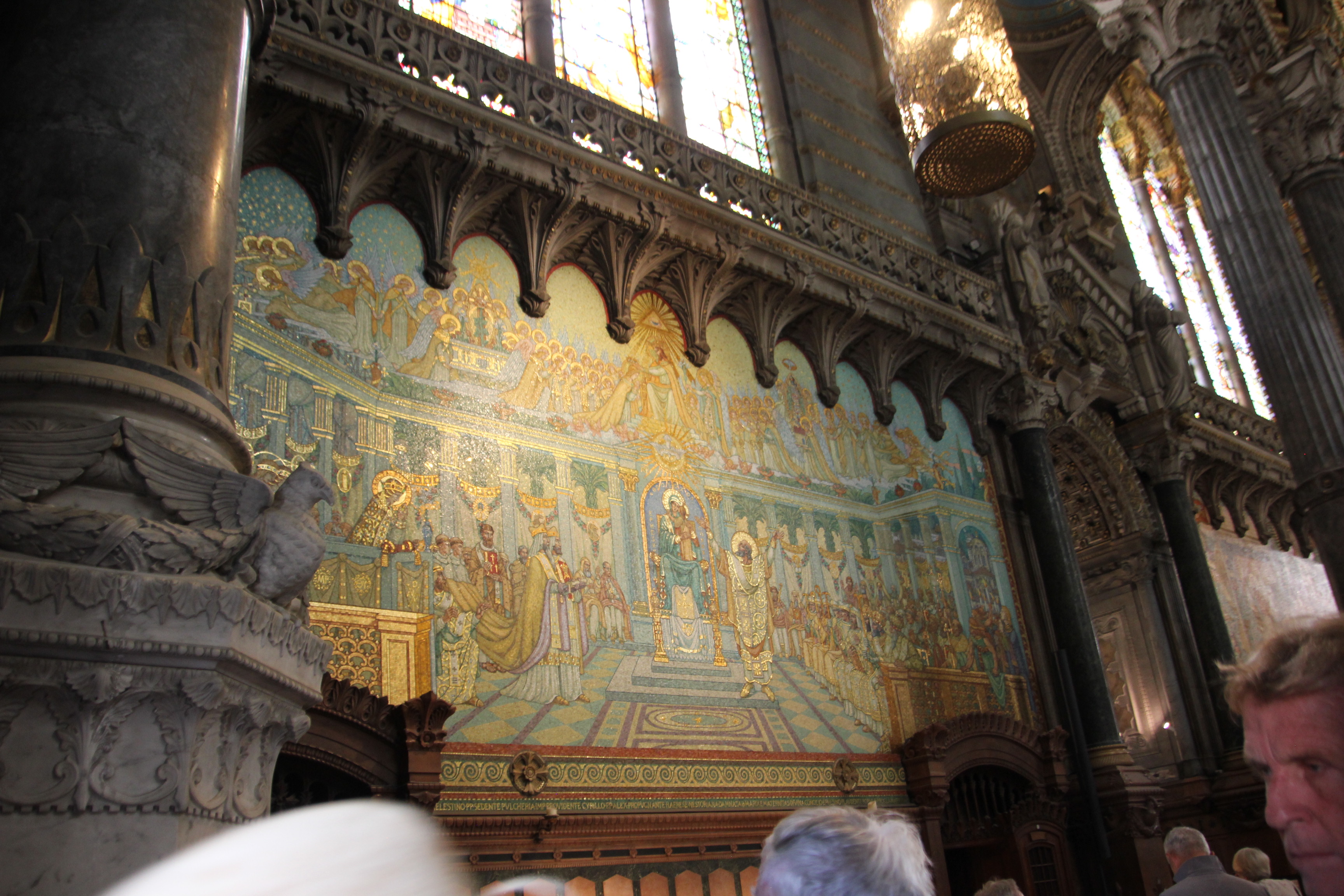
We took a tour of Lyon in the morning. The Basillica de Fourviere was our first stop (Fourviere was the name of the old forum in Lyon). It is was built in 1872 as a tribute to the Virgin Mary. The architect wanted to build her a home out of respect for her saving the community from the plague in 1643, from Cholera in 1832 and the Prussian invasion in 1879. It is a magnificent structure. There was a mass being said as we entered so we weren’t allowed to take pictures inside. I snuck one of the Murano glass mosaic on one wall. We explored the crypt underneath, which was also beautiful. Outside the church we had spectacular views of the city.

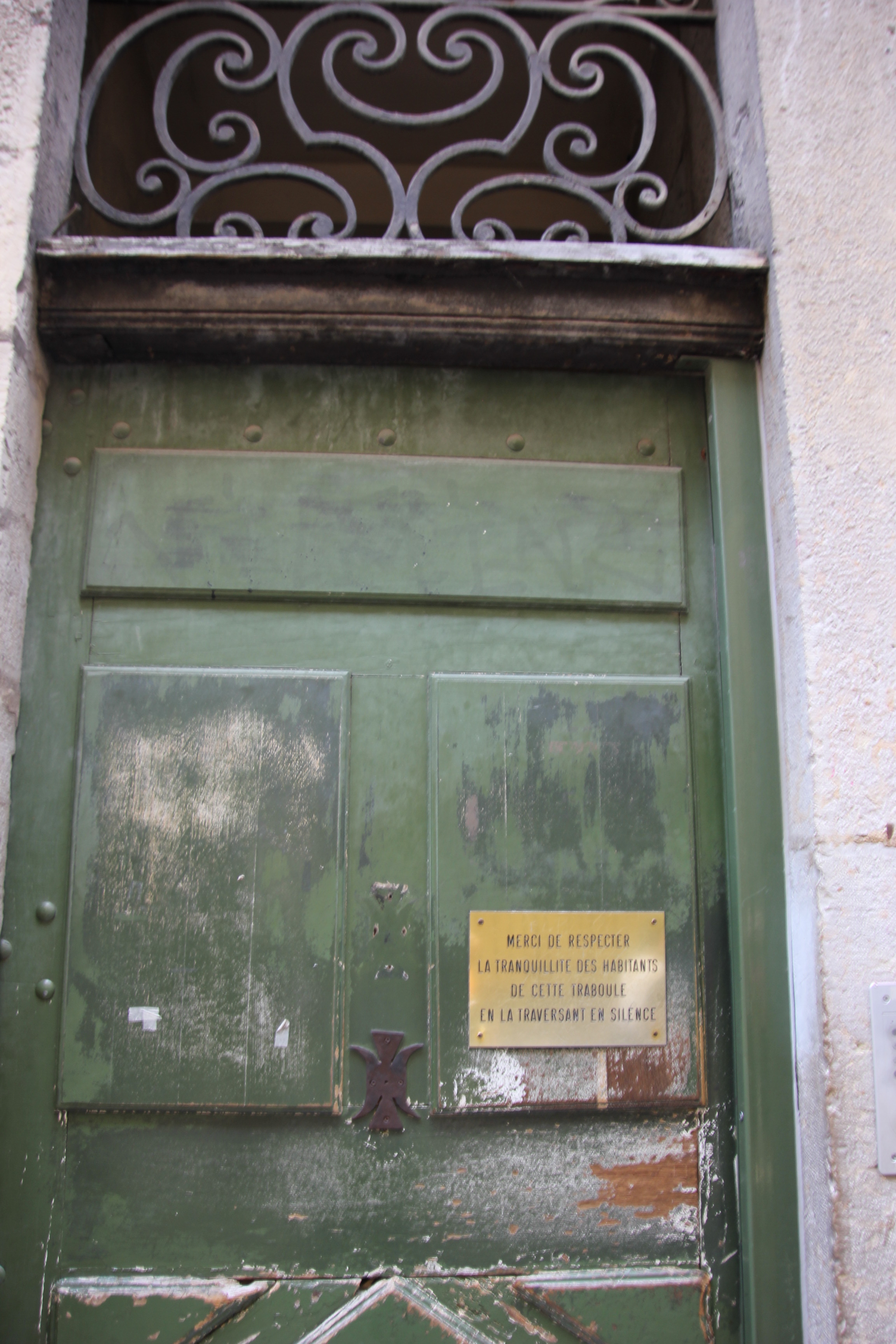
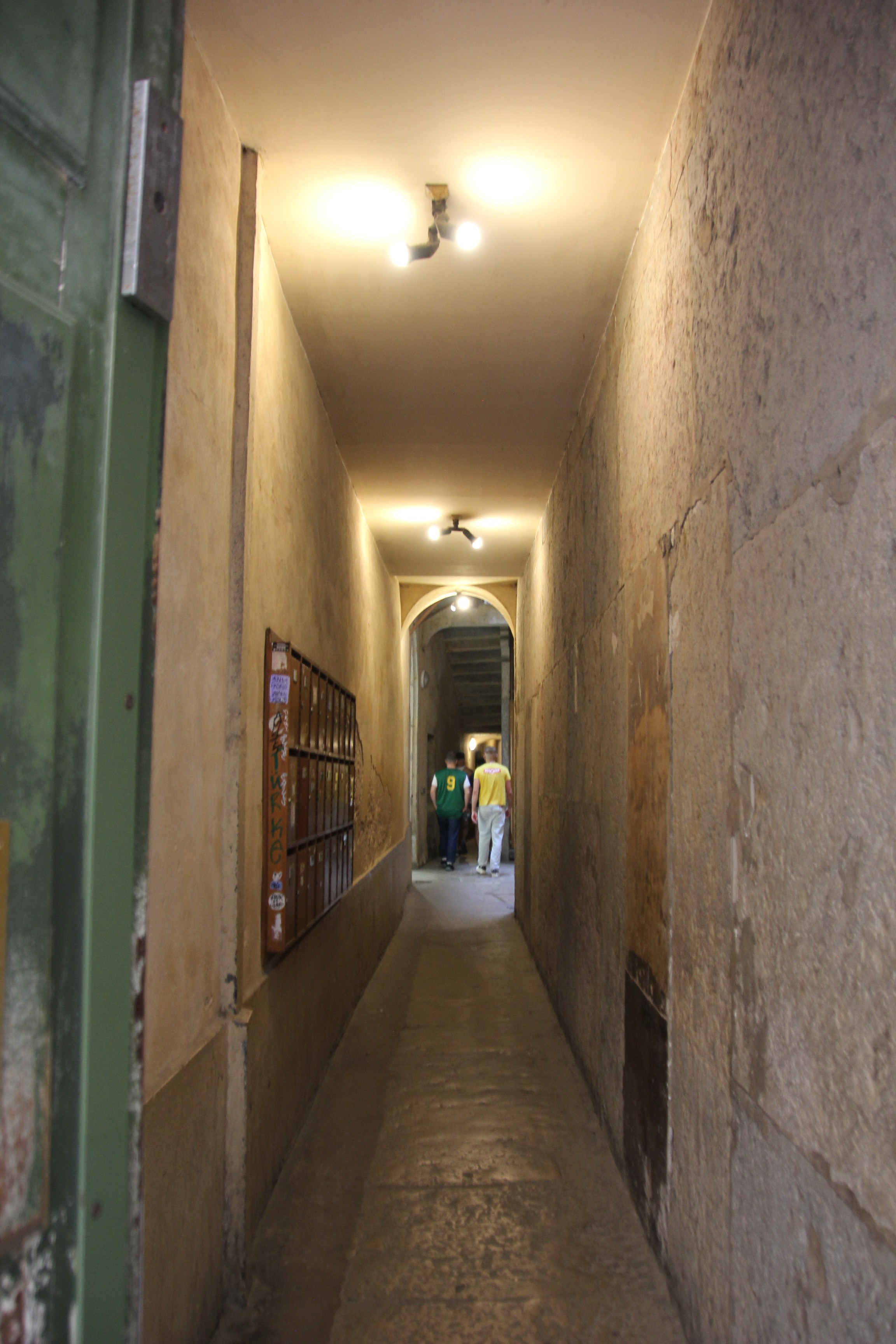
We then went into the old city of Lyon and had a great time exploring the streets of the old city. Historically, the main trade in Lyon was silk. The weavers needed a way to get their products from their workshops to the river for transport. The city was growing, so to facilitate commerce, they created over 400 traboules (hidden secret alleys) that provided covered shortcuts to through the streets to the river. Only 40 of them are open to the public and we found 2. The trick is to find the door and then to go through silently because people live above these passages and get very cranky if tourists make too much noise.

We learned a lot about Lyon on our drive back to the boat. One interesting fact was that Lyon is the proud home to the celebrated author Antoine de Saint-Exupery. He wrote Le petit prince. I enjoyed this tidbit because his book inspired me to climb a Baobab tree in Zambia.

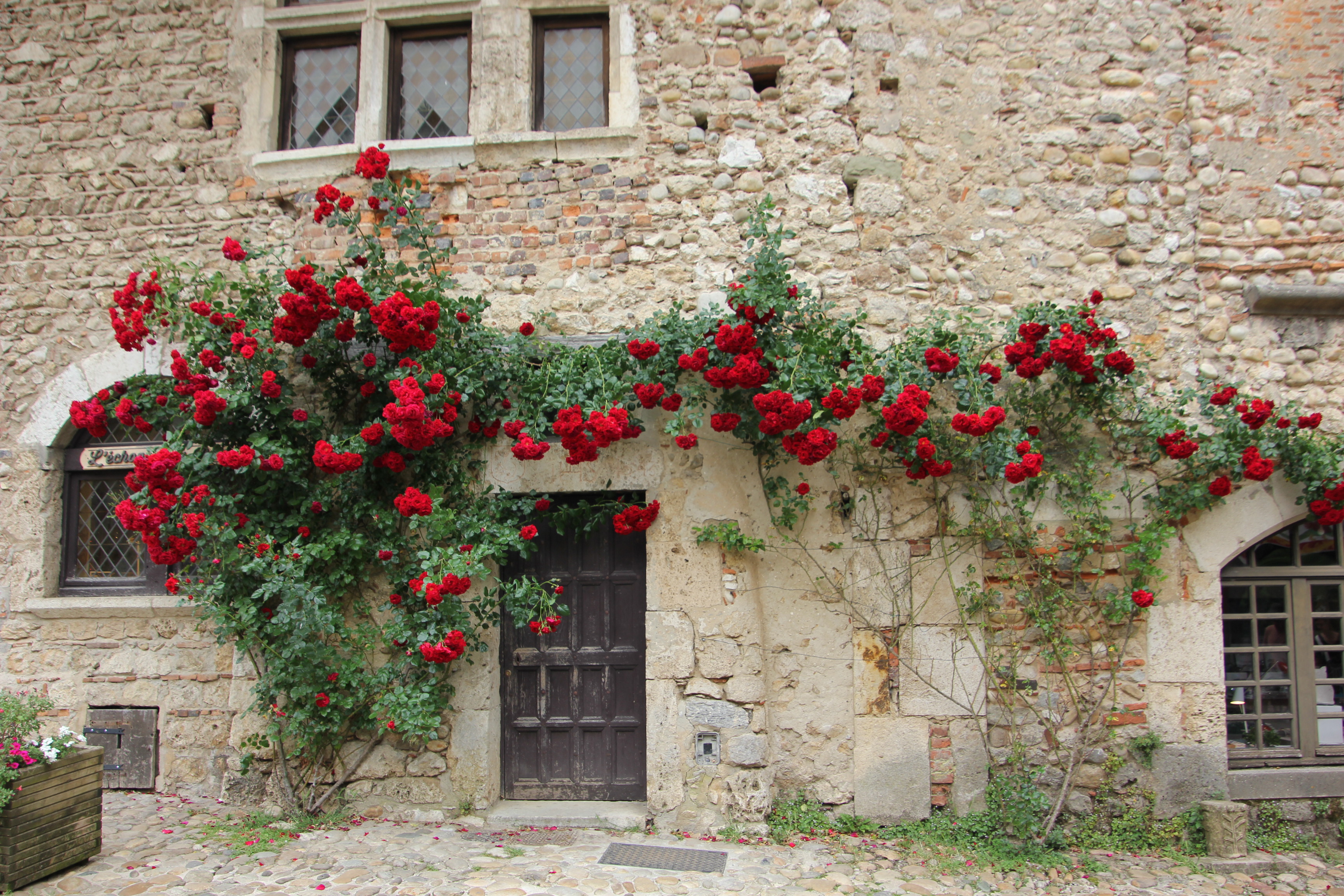
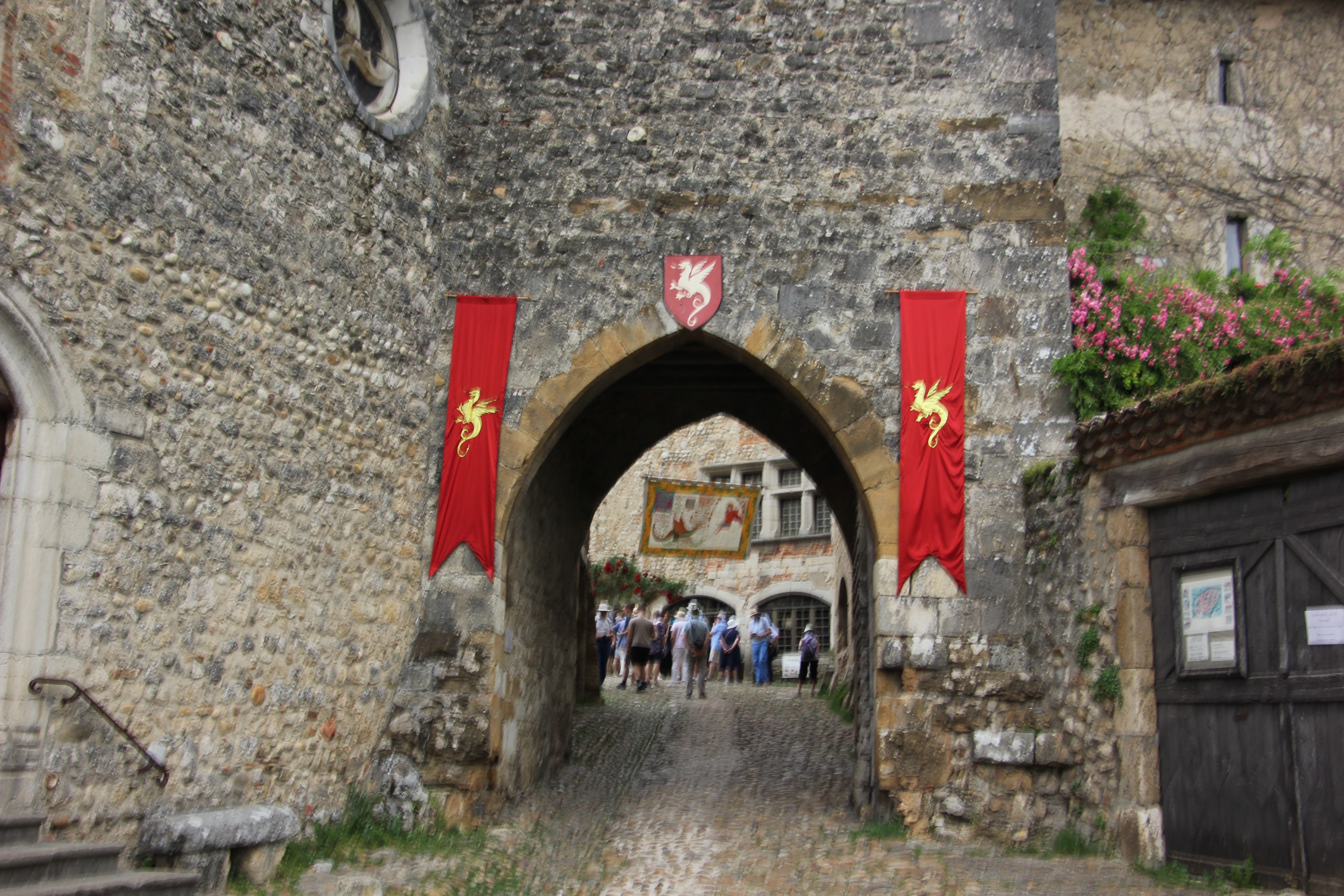
After another delicious lunch on our cruise, we set off for the medieval city of Perouges 30 km north of Lyon. This village on the Ain river was originally a fortress in the 12th century and came under French rule in 1601. It is known as “one of the most beautiful villages in France”. This is an official title and supports small villages of historic value to stay afloat. This village offers 100 years free leases on buildings in the community with the expectation that the leasee will maintain/upgrade the property while staying in line with protecting the historic nature of the village. The village was indeed beautiful with old stone buildings and beautiful flowers.

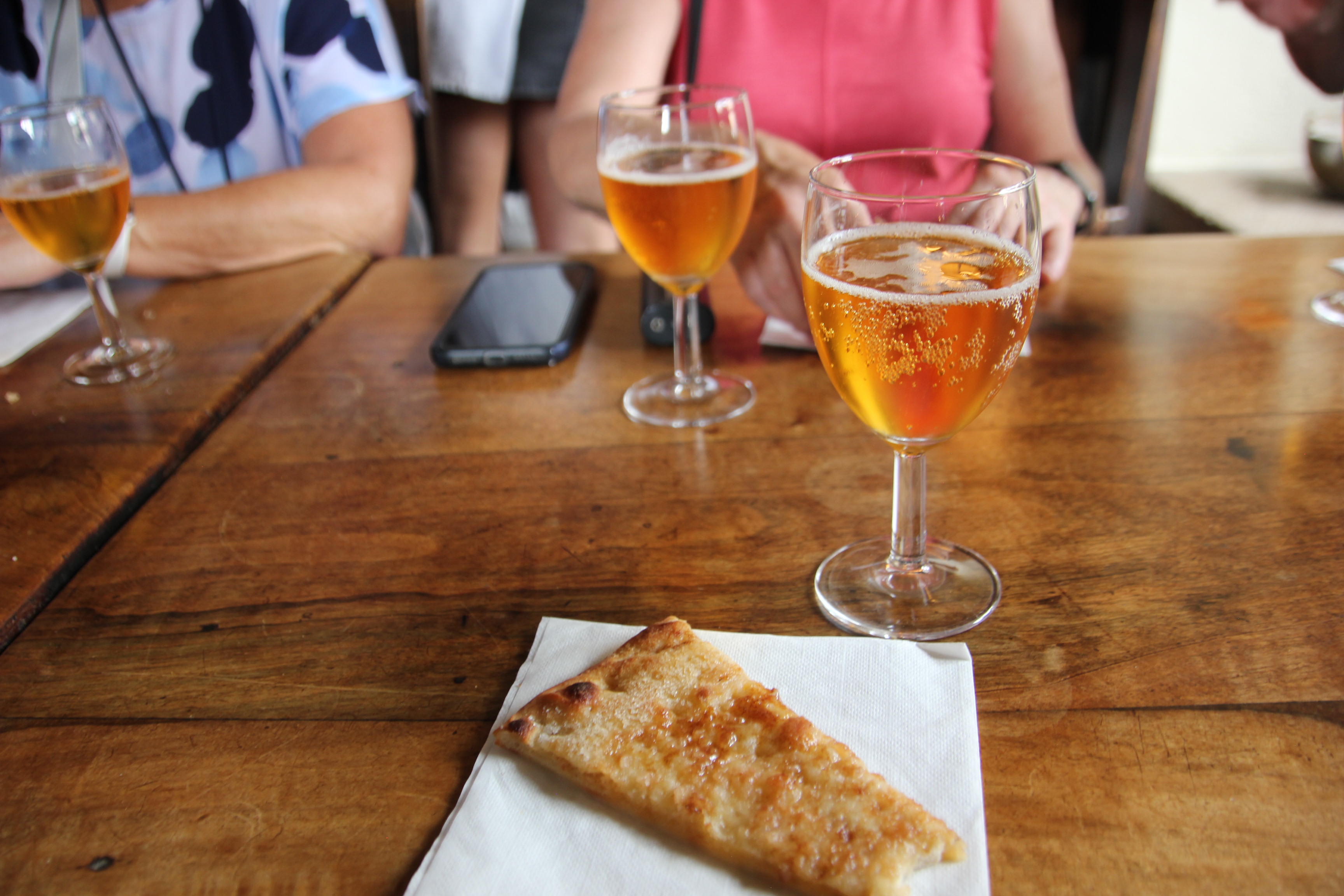
A piece of apple cinnamon galette with a delicious apple cider as a touristy treat in Perouges

We ended our tour with a delicious treat served by costumed interpreters. We continued our exploration of the village hoping to find genuine/authentic crafts but were disappointed. A number of the stores sold stereotypic touristy stuff and there weren’t many authentic French artisans showing their work. The bus ride back to our boat was fairly silent as we got in a brief nap before dinner. It was a great day of seeing amazing architecture and history.
Tain-L’Hermitage and Tournon

03 Tuesday Jun 2025

Posted by travelswithannmarie in Uncategorized

≈ 1 Comment

Tags

europe, food, france, switzerland, travel

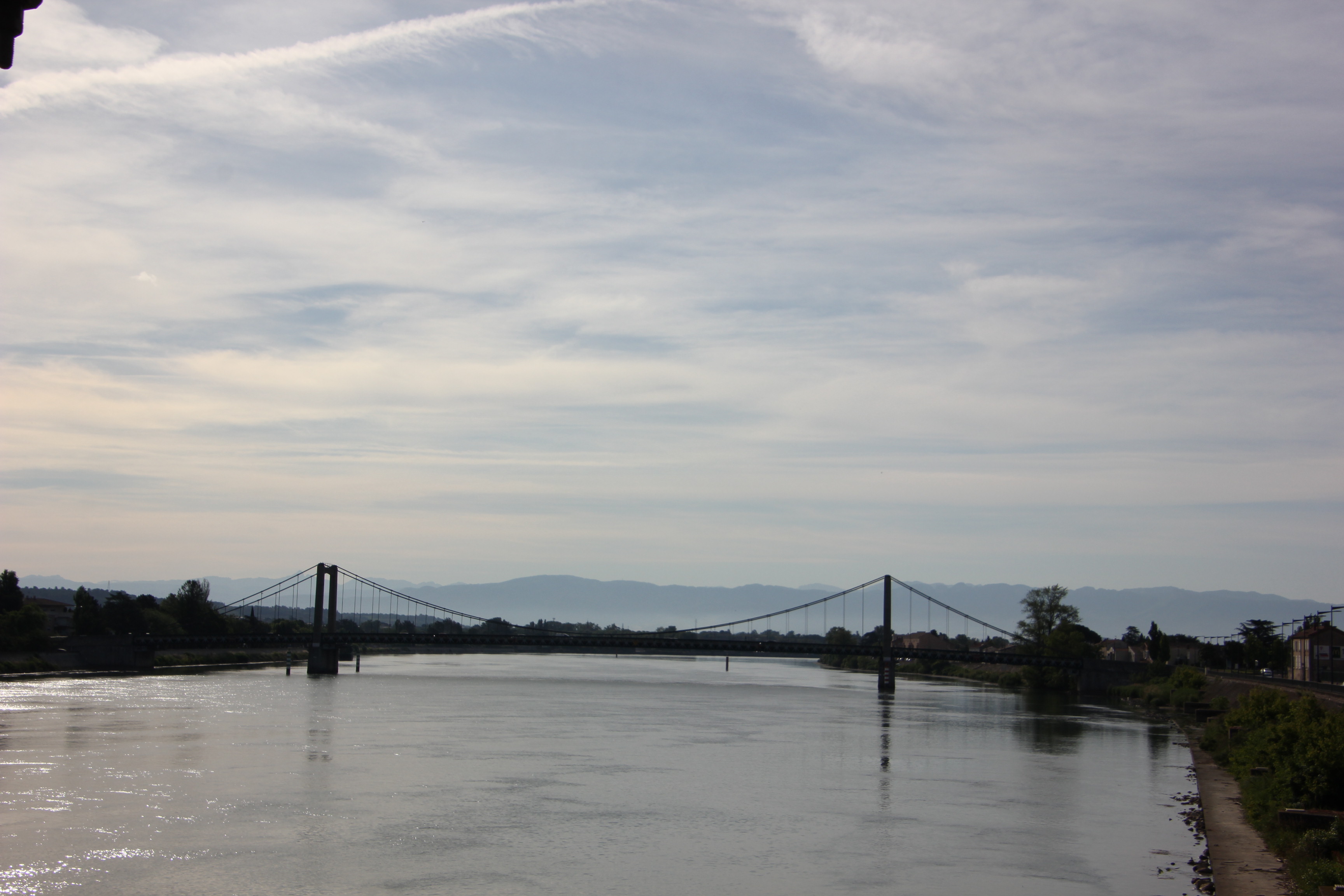
The communities of Tain/L’Hermitage and Tournon are co-located on the banks of the Rhone river. After our ritual breakfast of more food than you could ever choose from, we departed on our guided walking tour. We started with a tour of Tournon which required us to cross the Passerelle Marc-Seguin bridge over the Rhone. Its builder, Marc Seguin, invented the wire cable suspension bridge and built this bridge in 1847. It is now a strictly pedestrian bridge and some of the wooden support beams seemed to be original, very weathered and not confidence inspiring. The town appeared to be very proud of this inventor as almost everywhere we looked something was dedicated to him. He was not the only innovator from this community. The Montgolfier brothers, who created the hot air ballon in 1783, were also born here.

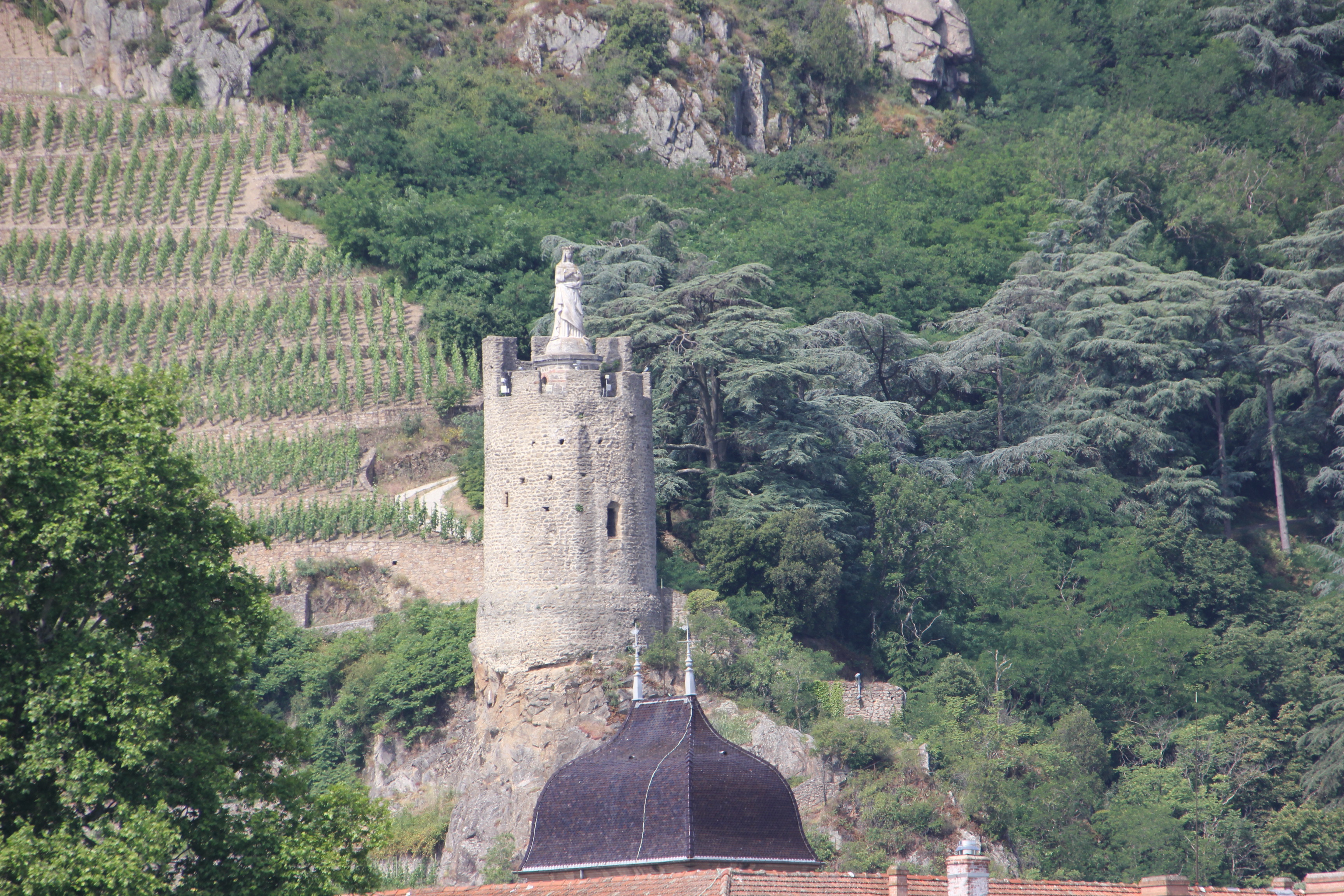
The town of Tournon was built around the castle. It was abandoned in the 1600s and served many purposes, including that of a prison and a school, before being rescued and turned into a museum.

One of two remaining castle towers. There used to be many more on the wall surrounding the city.

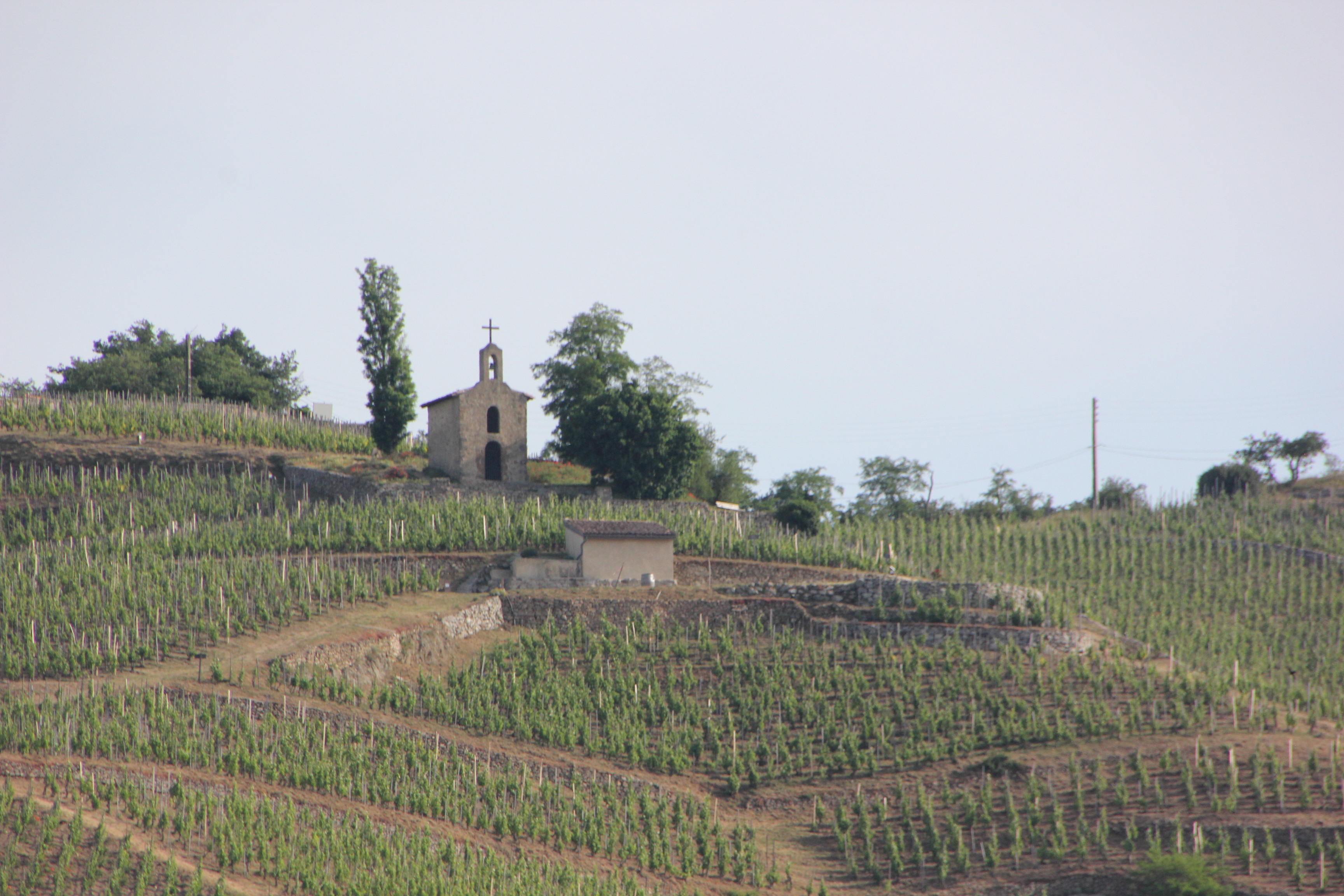
We crossed back on the bridge to the L’Hermitage side of the Rhone. In 1243 a crusader returning from the holy land came to this area. He was allowed to build a hut near the chapel on the top of the hill. He lived there as a hermit (aka the name L’Hermitage) and started to tend to grape vines and started the wine tradition in this area.

The hermit’s chapelle

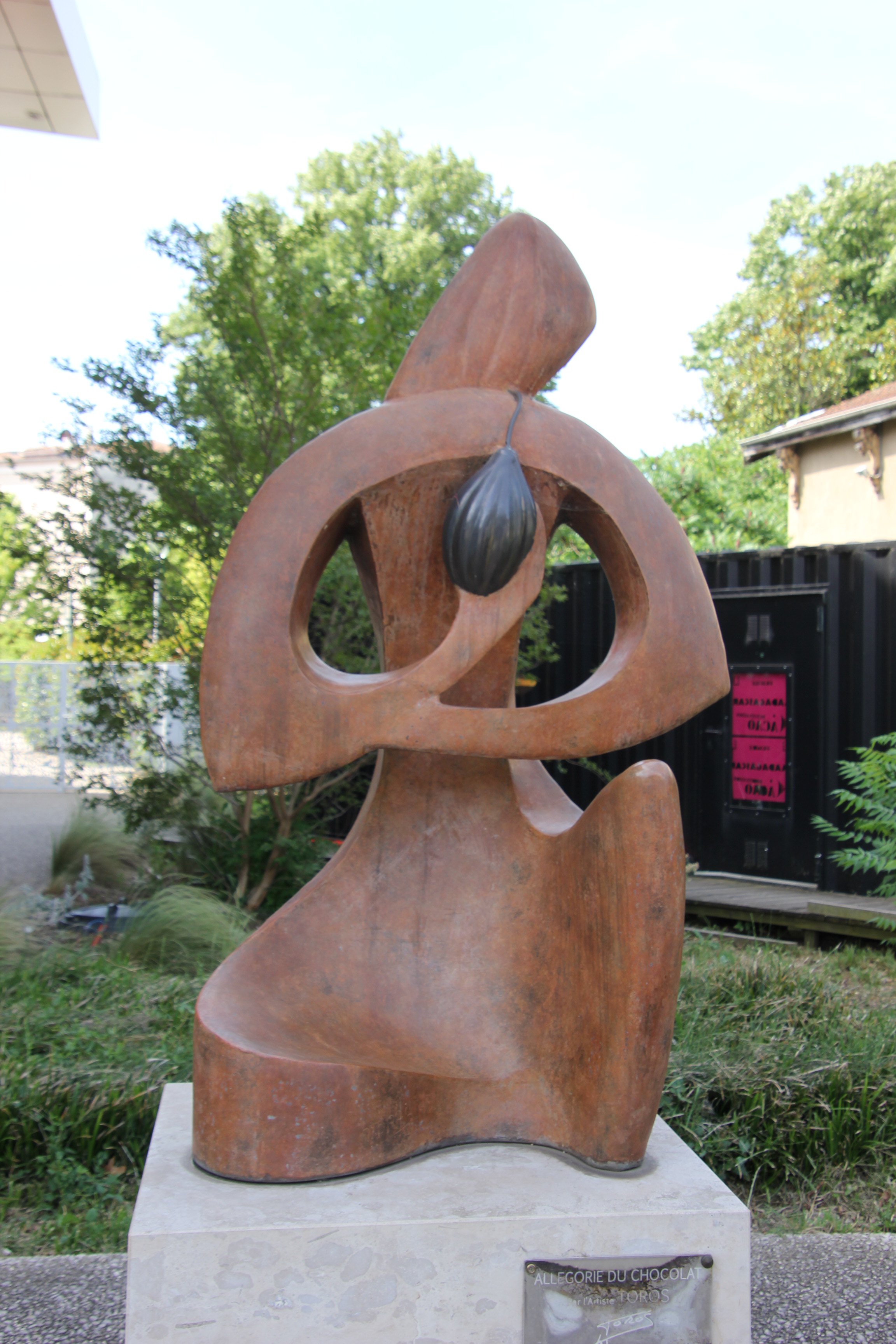
Of course that was just an appetizer for the main course which was a visit to Valhrona, the City of Chocolate. A while back a friend and I took a baking class at the Duchess Bakery in Edmonton. There we were introduced to Valhrona chocolate, known as one of the finest chocolates in the world. We were able to visit the factory site, sample and buy some incredible chocolate. The whole community (not growing wine) makes chocolate.
After making it back to the riverboat laden with a significant amount of chocolate, we set sail upriver for Lyon.

Newer posts →

Recent Posts

  • A day in Montreal
  • A final day in Paris
  • Paris Day 2
  • Paris- Day 1
  • Our final day in Normandy

Archives

  • December 2025
  • June 2025
  • May 2025
  • December 2024
  • September 2024
  • September 2023
  • March 2023
  • February 2023
  • August 2019
  • July 2019
  • April 2019
  • March 2019
  • September 2018
  • August 2018
  • June 2015
  • July 2013
  • June 2013
  • January 2013
  • December 2012
  • November 2012
  • September 2012

Categories

  • Bucket List Travels
  • Uncategorized

Meta

  • Create account
  • Log in
  • Entries feed
  • Comments feed
  • WordPress.com

Blog at WordPress.com.

  • Subscribe Subscribed
    • travelswithannmarie
    • Join 99 other subscribers
    • Already have a WordPress.com account? Log in now.
    • travelswithannmarie
    • Subscribe Subscribed
    • Sign up
    • Log in
    • Report this content
    • View site in Reader
    • Manage subscriptions
    • Collapse this bar
 

Loading Comments...