
We got up early and started the two hour journey to Salamanca, Spain. this city is a UNESCO world heritage site and is mostly known as a university city. 1 out of every 5 of the 150,000 inhabitants in town is a university student. The university was founded in 1218 and is one of the oldest universities in Europe in continuous operation. We started our visit to this town with a trip to the market and a tasting of the local ham and cheese.

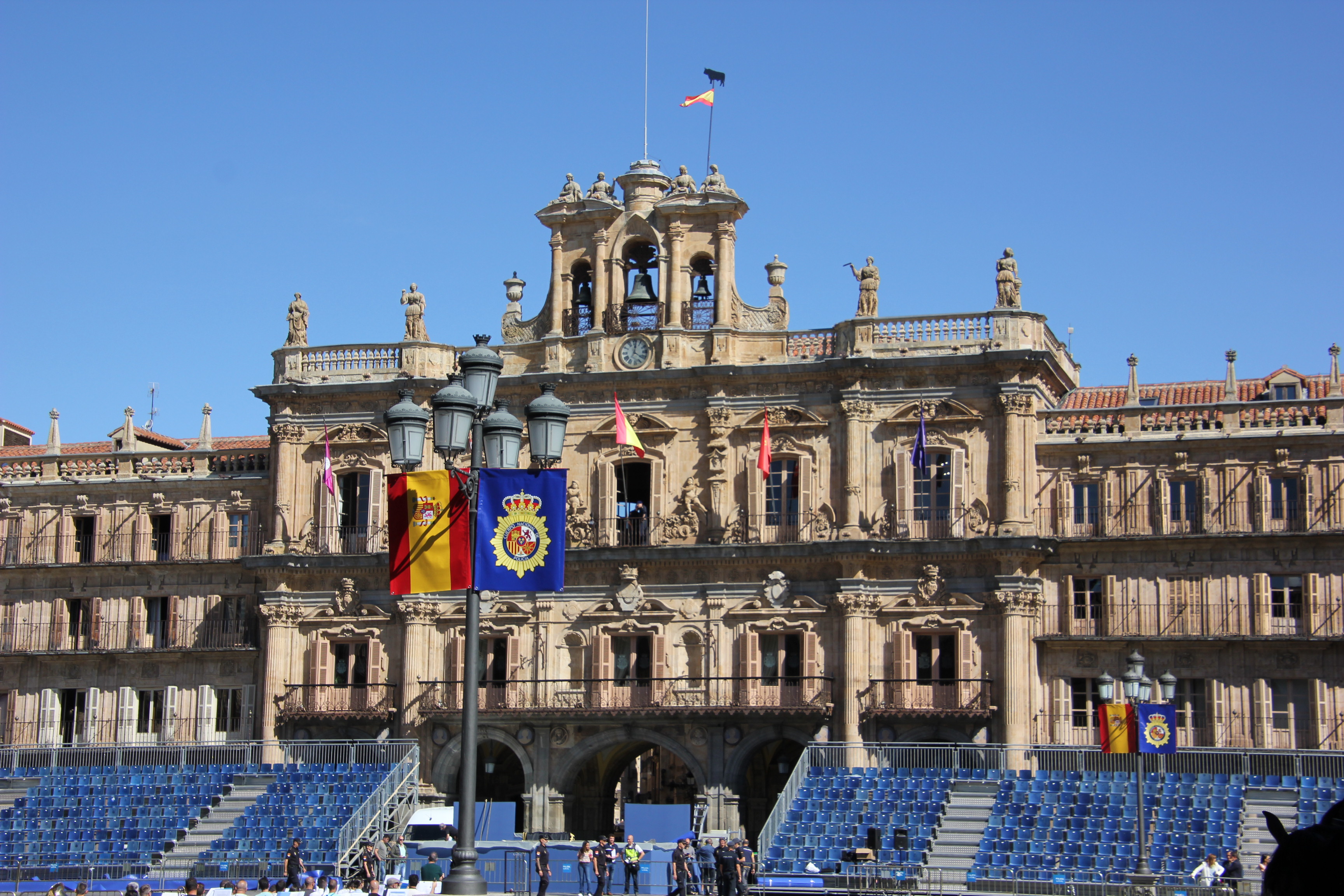
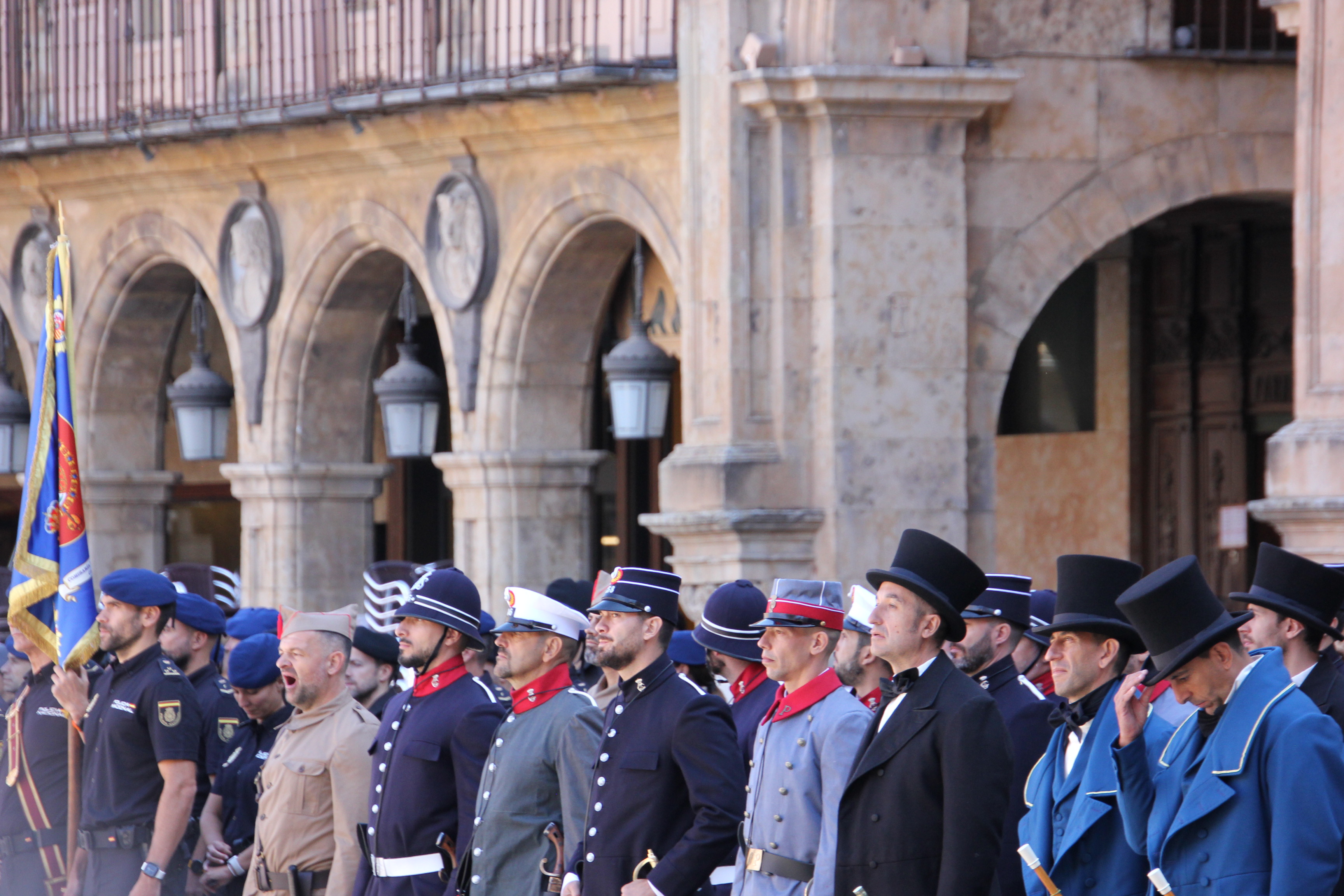
We then visited the historic centre where there was a dress rehearsal happening in the town square for a ceremony honouring police. There were police from a variety of sectors all looking pretty ready for the rehearsal to end.
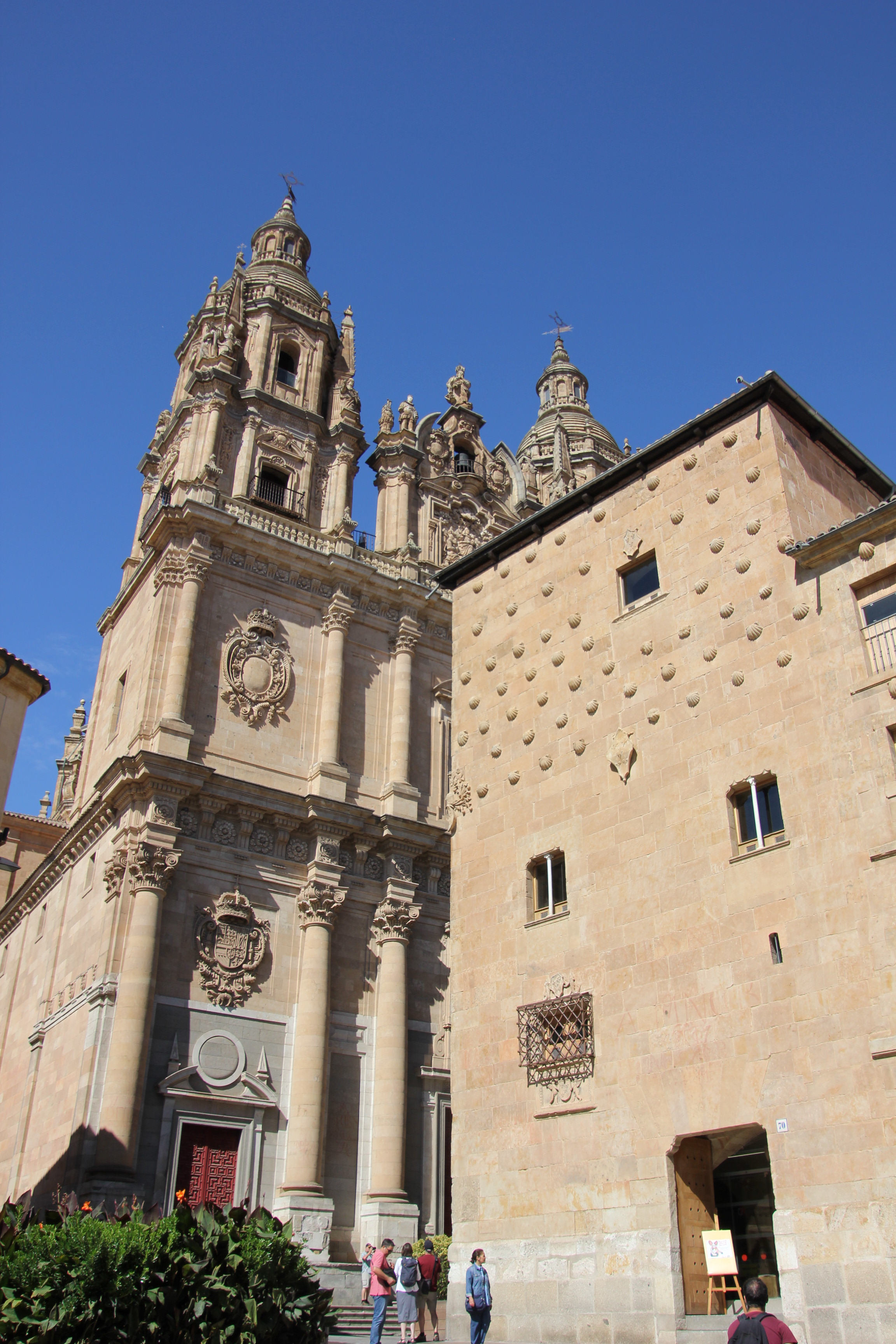
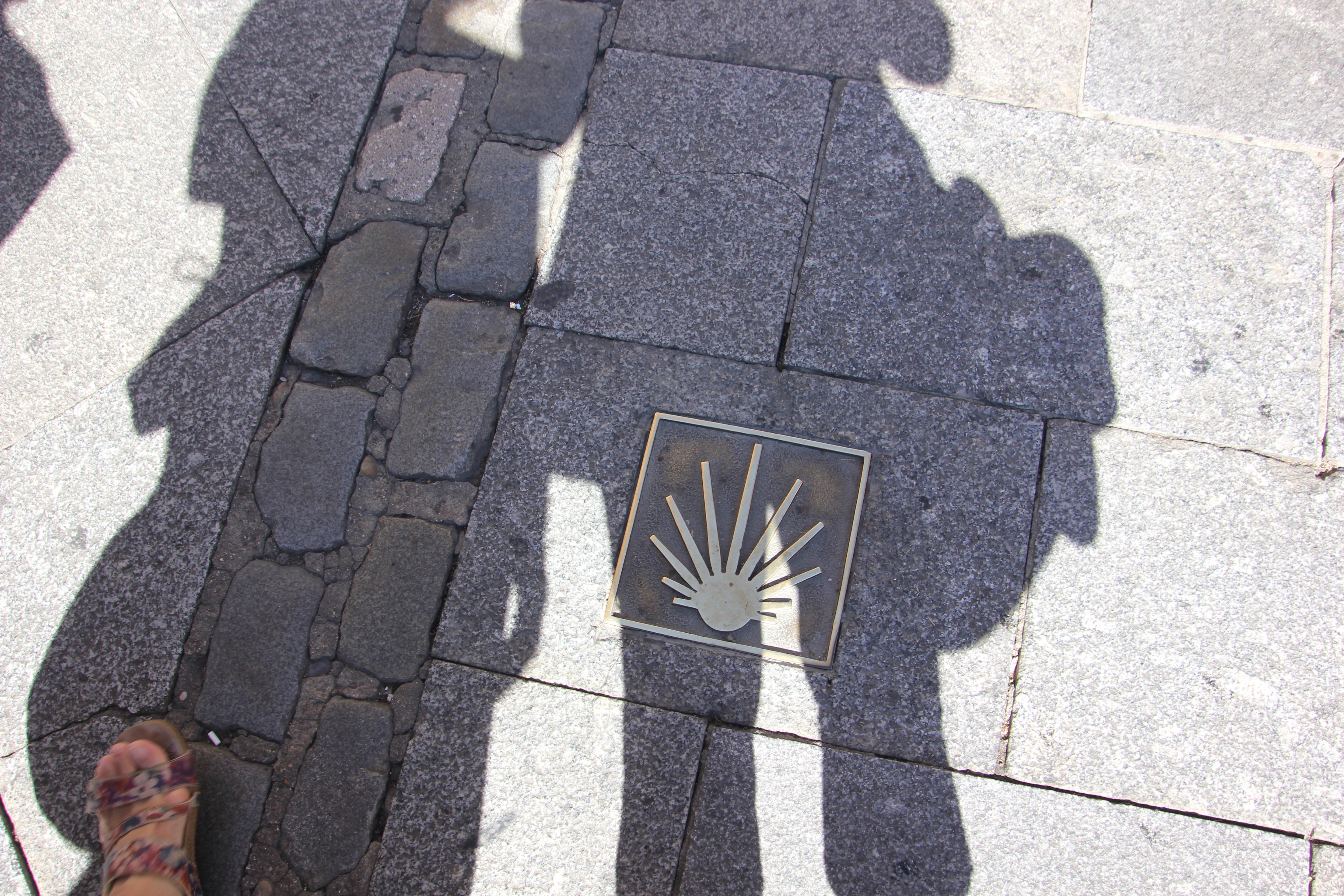
Salamanca is on the pilgrim’s route to Santiago de Compostela. There is a lovely building built in 1514, covered in shells, the symbol of Santiago. Initially, when I heard about the decorations, I envisioned tacky small shells covering the walls. The reality was much nicer. You can find shells imprinted into the sidewalks through many centres in Portugal, indicating to pilgrims that they are on the right road.
Salamanca has two adjoining cathedrals. We explored the new one first. It was started in 1513 and finished in 1733, a few years before the earthquake shook its foundations. You can still see the cracks. The new one was built due to the growth of the town and the university. A more recent restoration of the new cathedral’s front decoration had some modern additions. The restorer included an astronaut and a dragon holding an ice cream cone. Does it look like he is holding ice cream to you?
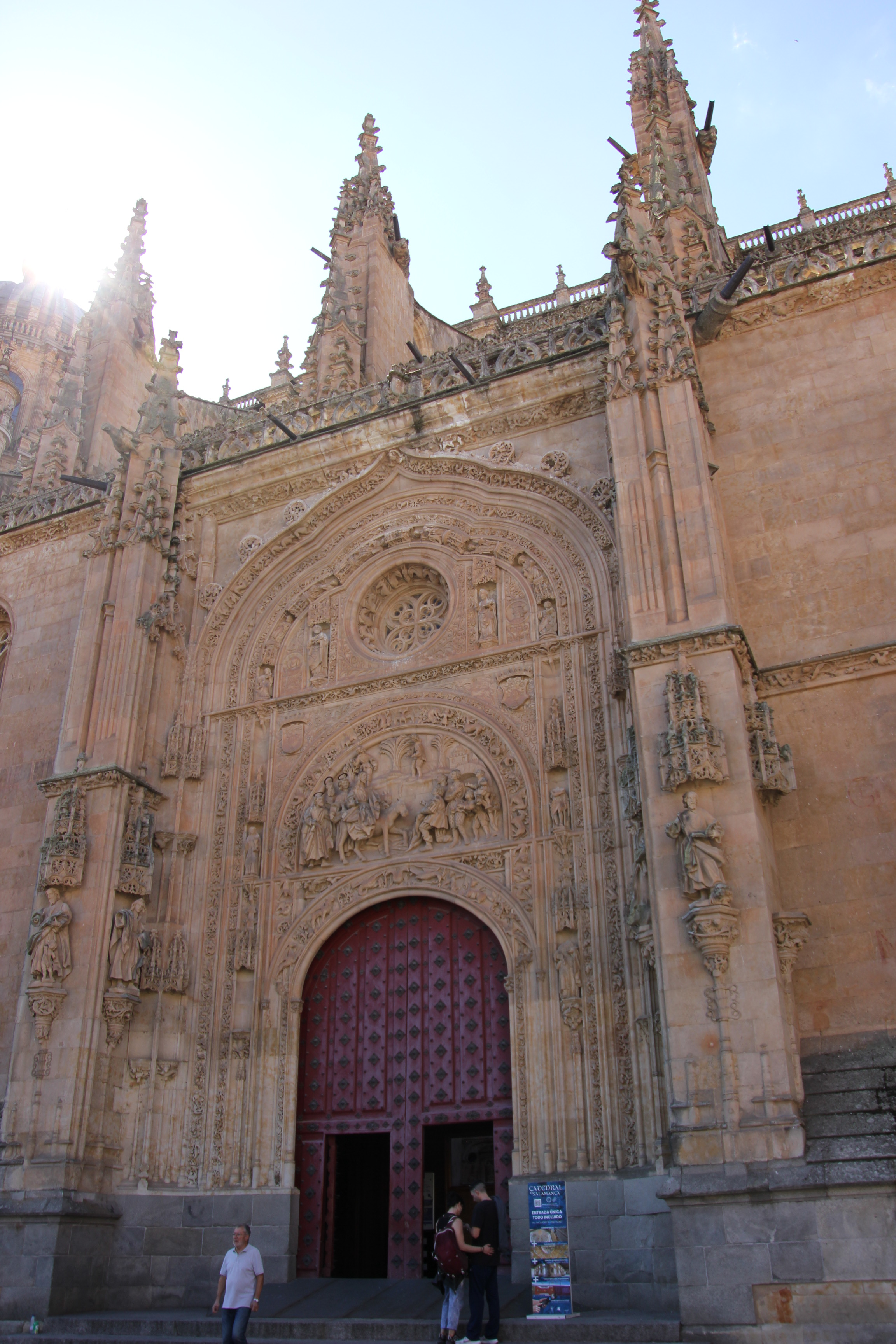
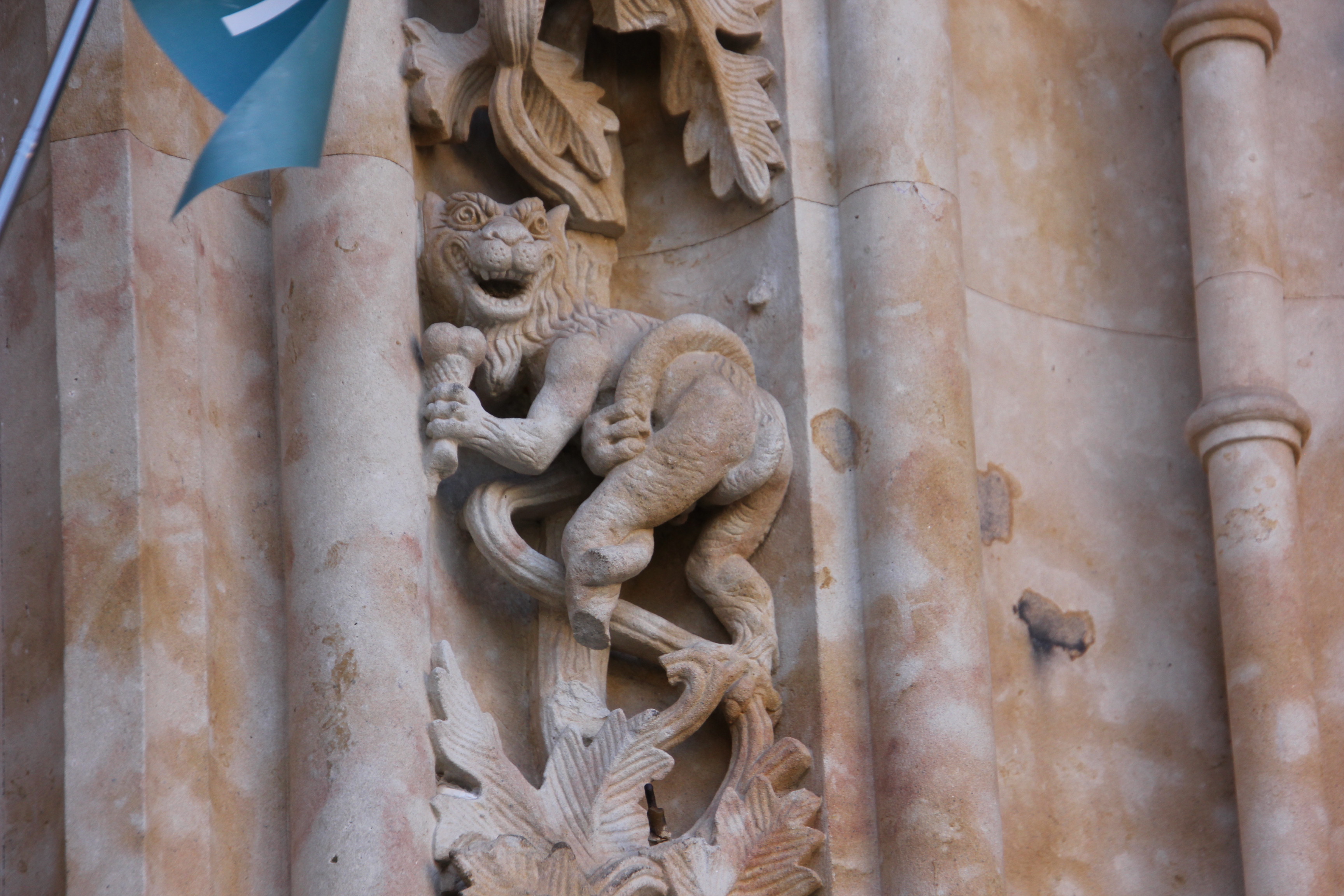
The old cathedral was started in the early 1100s and finished in the 1300s. The old cathedral was also the home of the early university. Students sat on the floor of the chapels to study. The poorer students tended to have the early classes in order to warm up the old stone chapels for the richer students.
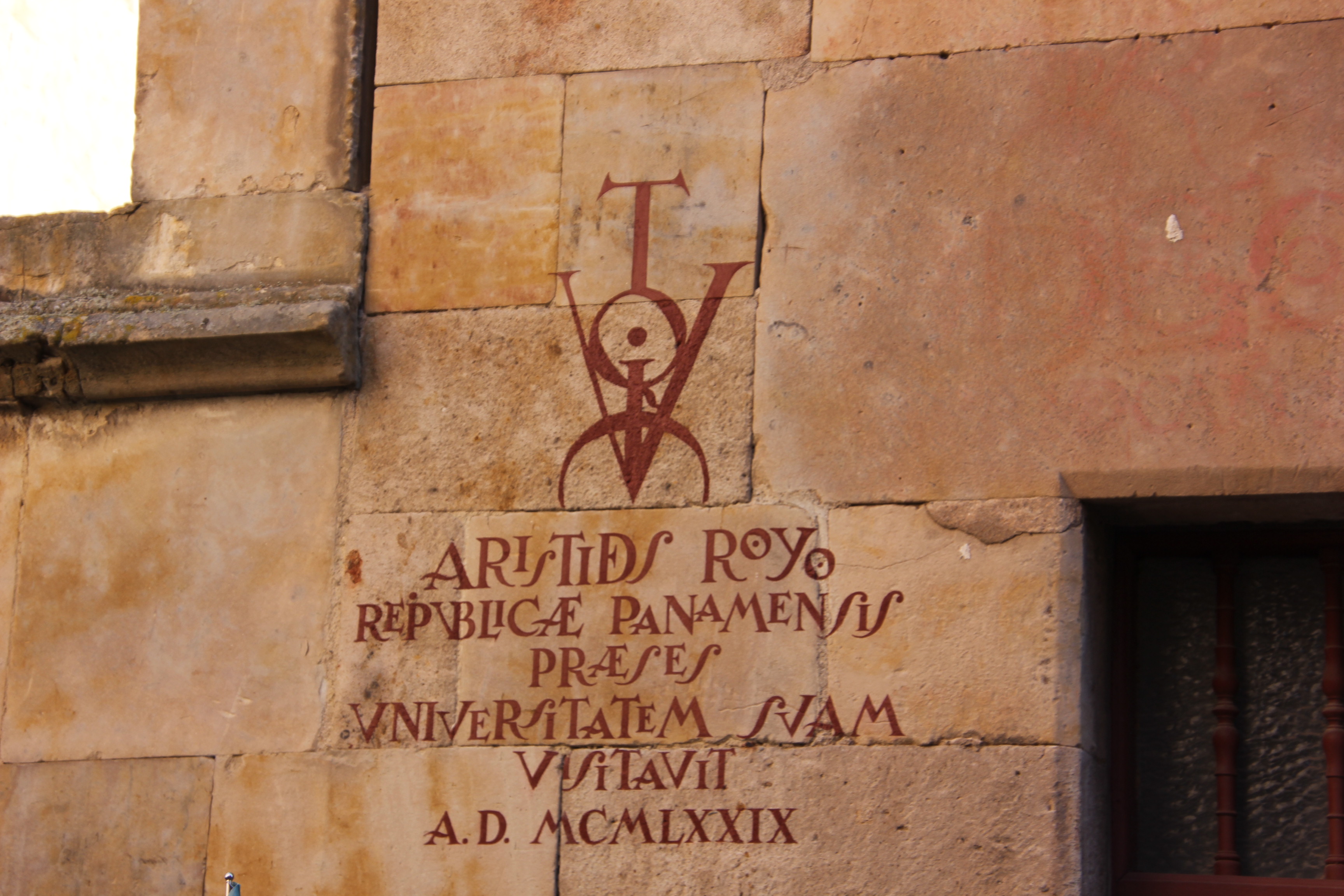
University students have some unusual rituals. New students were encouraged to look for the frog on the Façade. It was hard to find but if you look closely you will see it is on one of the skulls midway up the frieze. Finding it was said to bring good luck. The frog is now something of a town mascot and cartoon frogs are sold everywhere. Another example, in earlier times PhD students would spend the night before their defence alone with their books and a candle in a chapel. The next morning they would have their exam. If they passed they left through the jubilation door and went on to celebrate with family and friends. If they failed they went out the back door and were pelted with rotten fruit and vegetables by those same people. Victorious students would also paint a victory sign along with their names on the walls of the university using a mixture of bulls blood, olive oil and paprika.
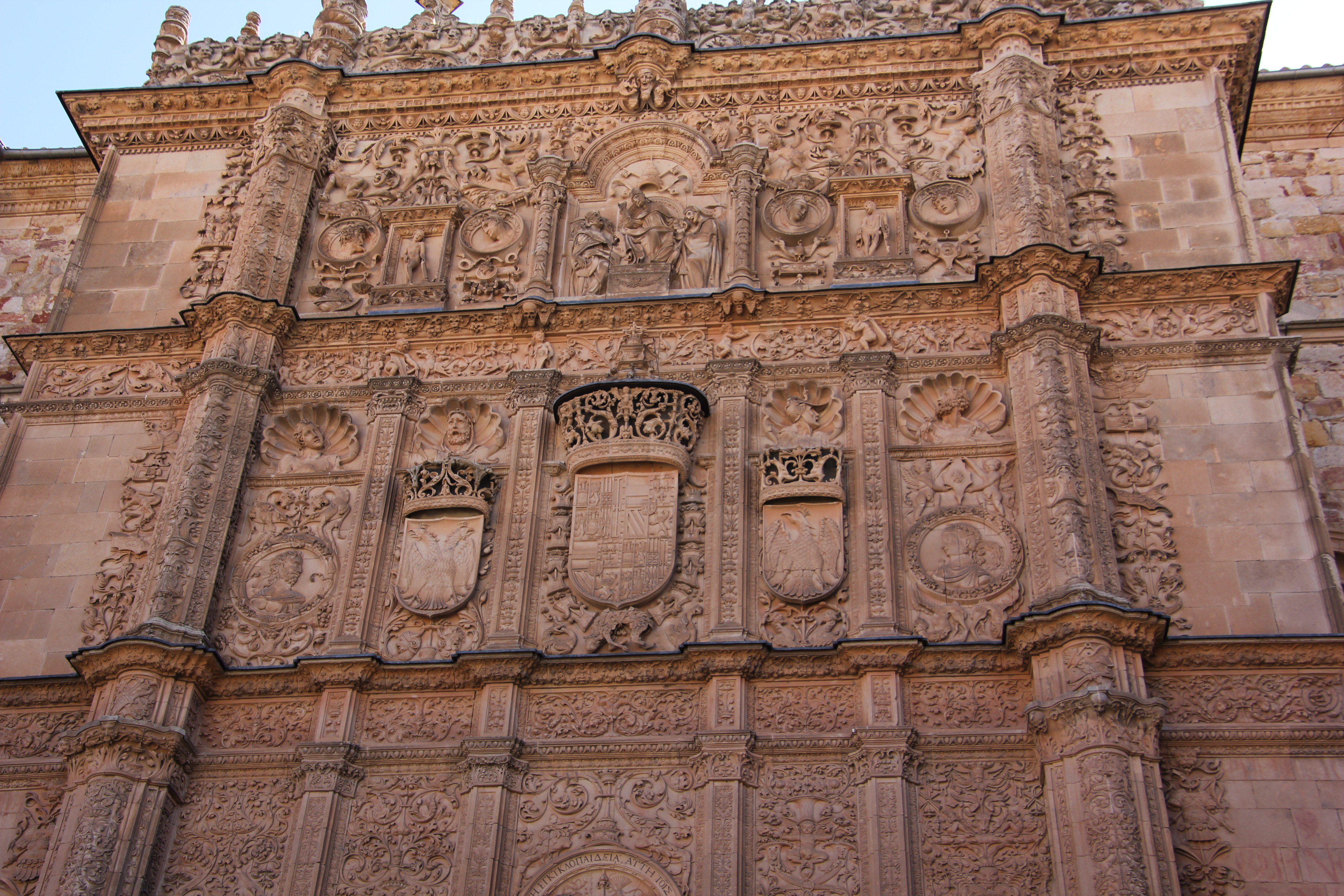
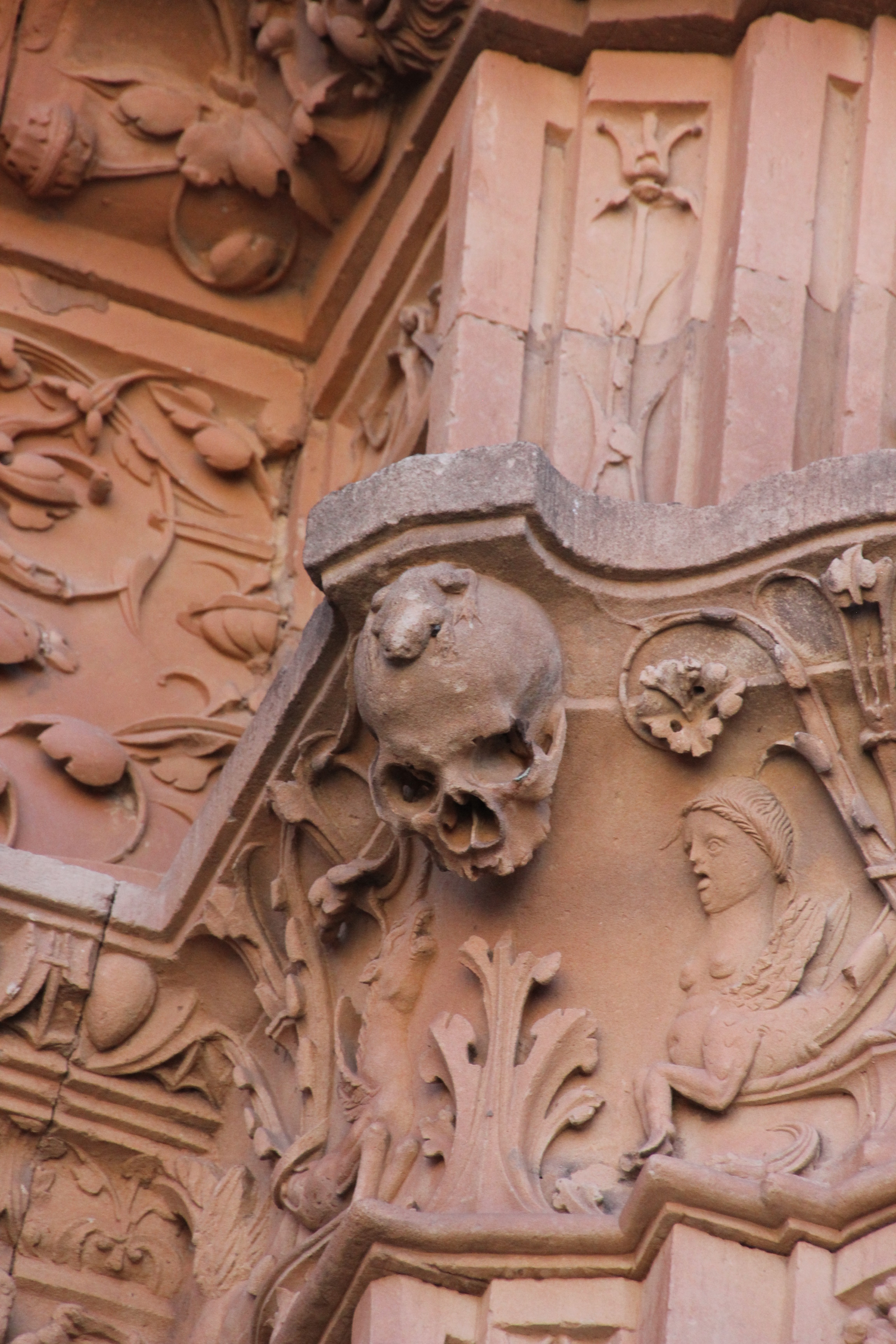
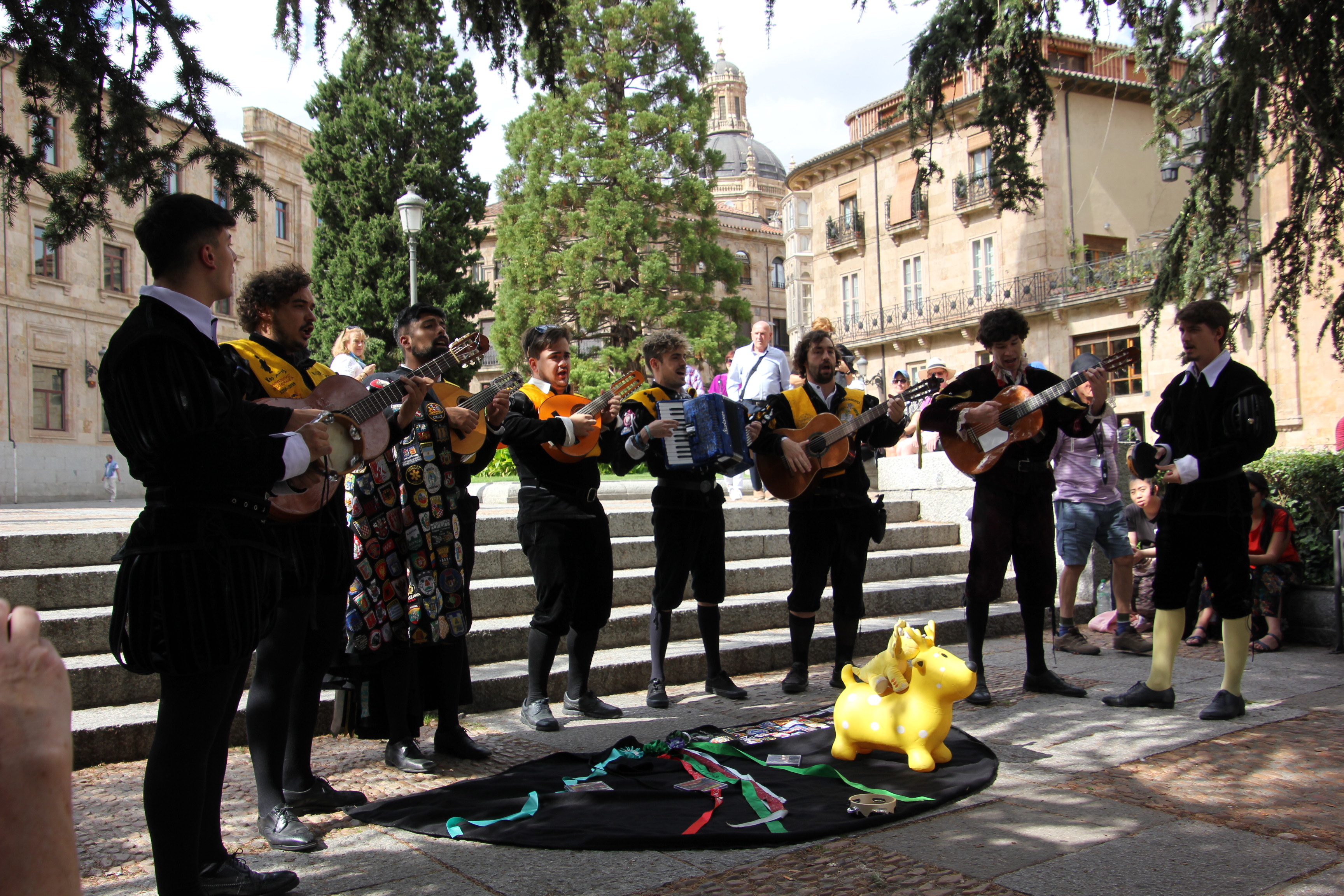
Students in medieval times (13th C) sometimes found it hard to afford their studies. The tradition of students performing folk music for food or money for housing began. the tradition continues, but now the Tuna bands play to raise funds for travel or partying. We had a great time being entertained by a Tuna of medical students in traditional costumes playing traditional instruments before heading back for a quiet evening on the boat.
 travelswithannmarie
We absolutely loved Salamanca AnnMarie. So Pretty. Such history. But lots of parties every night by the students.